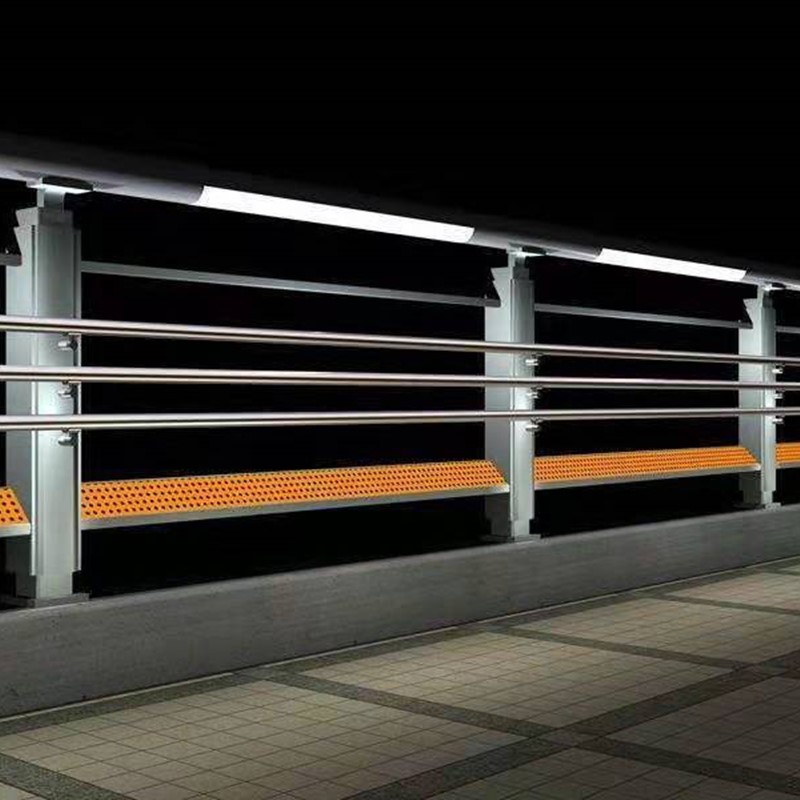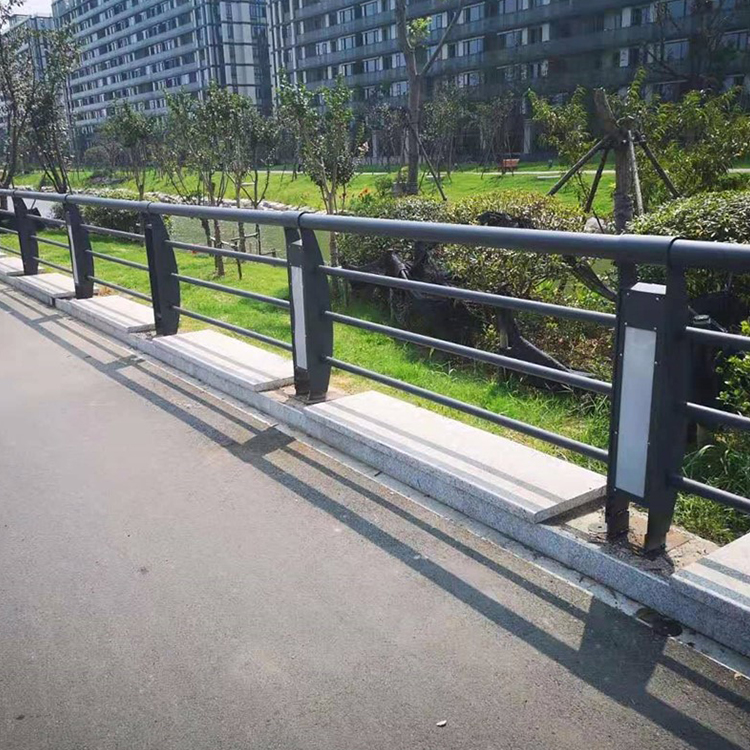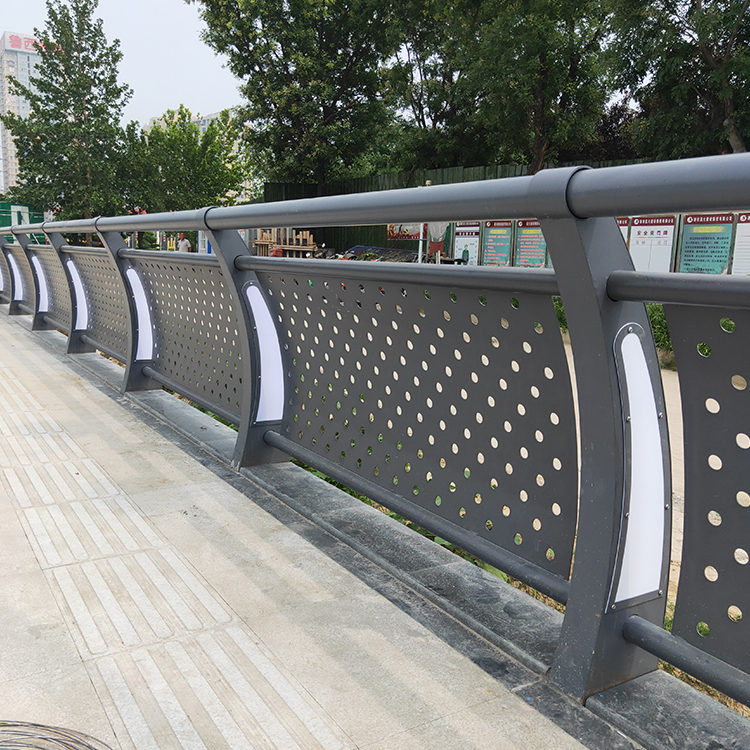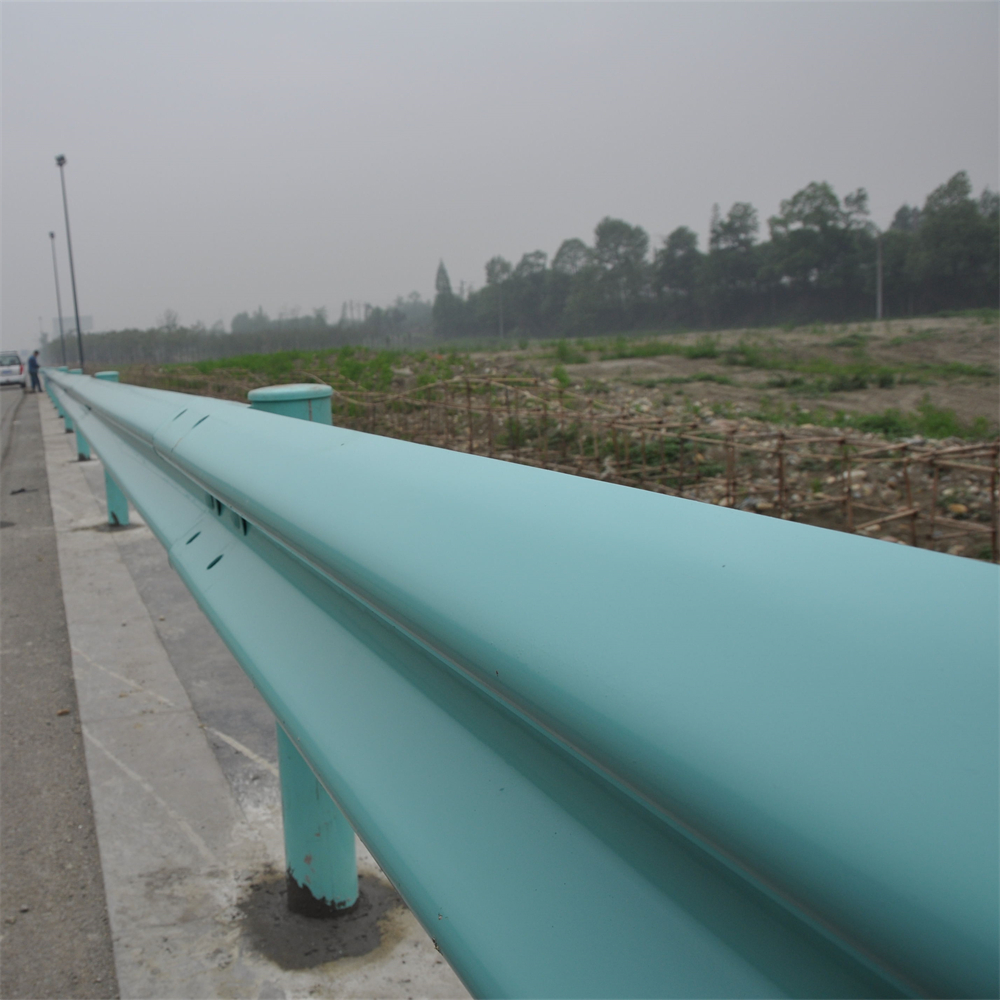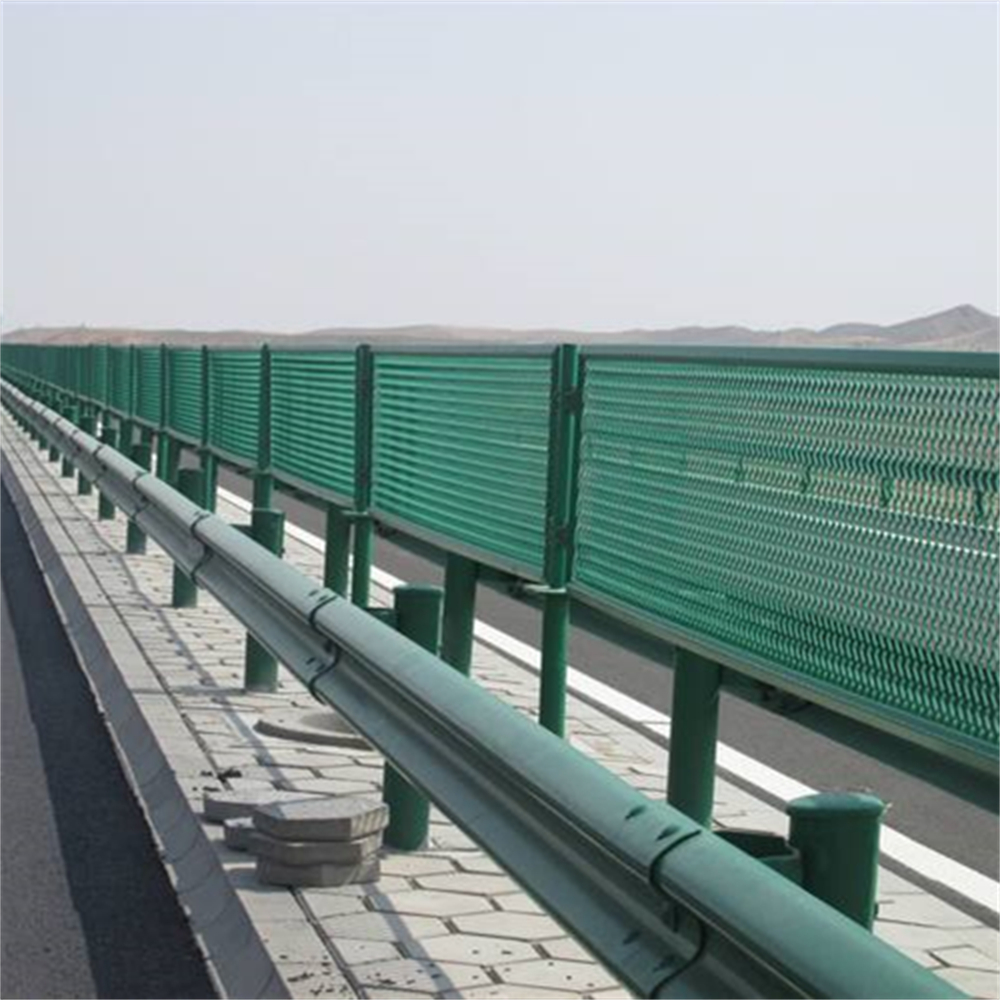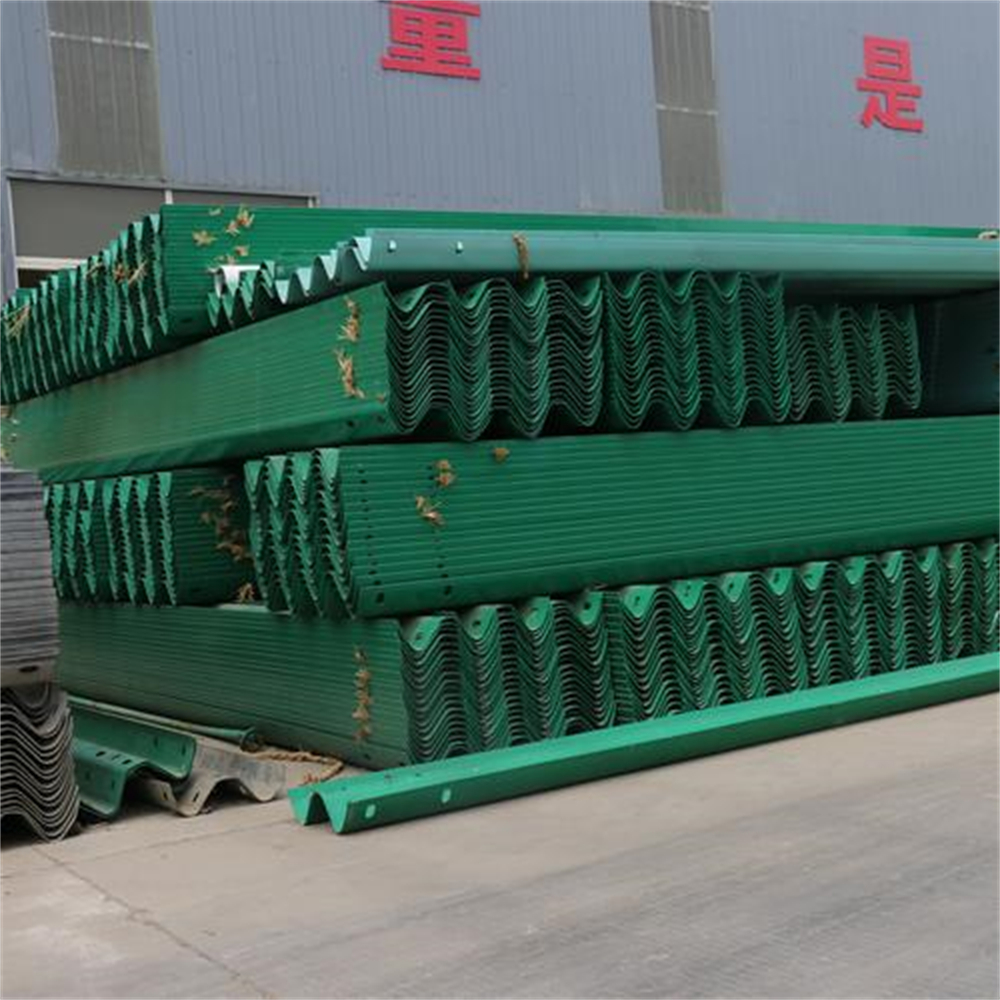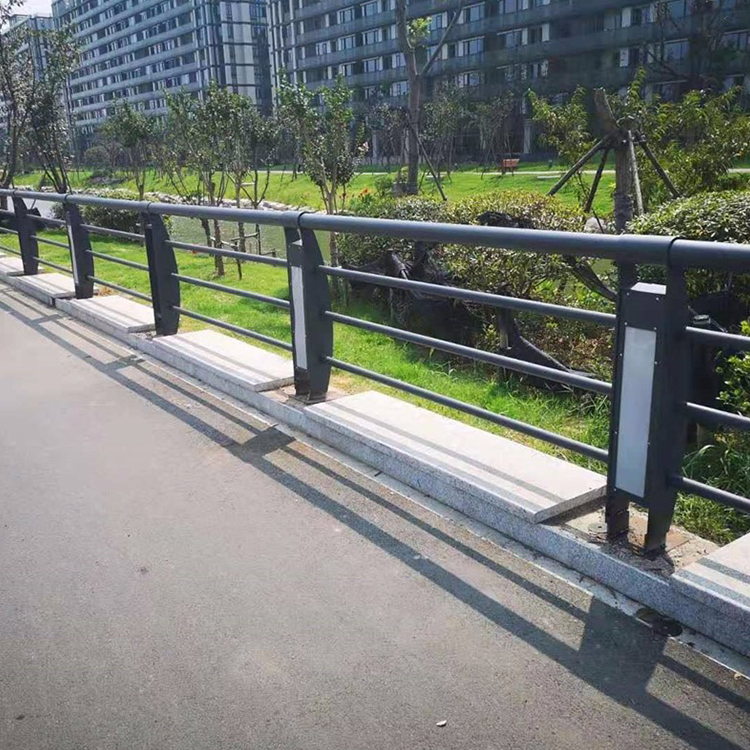


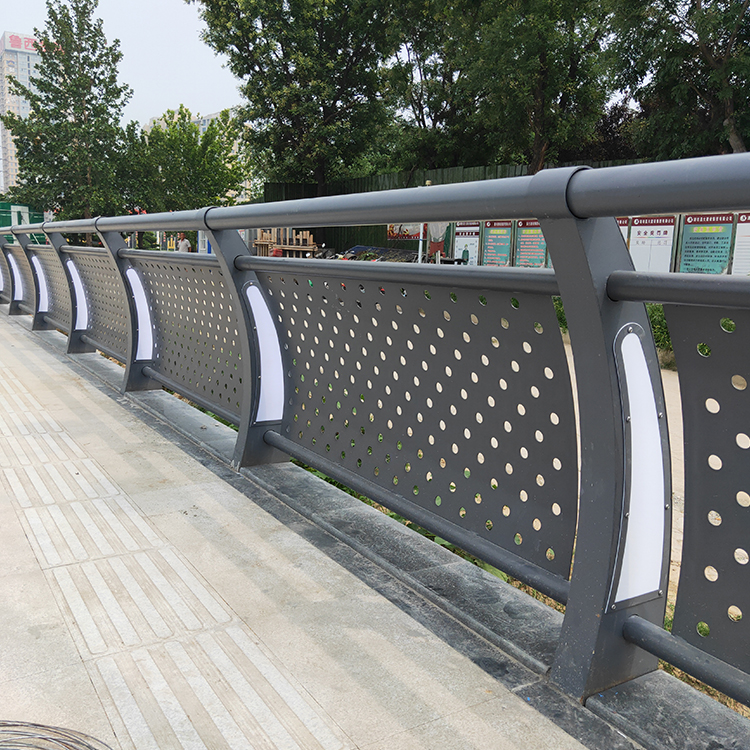
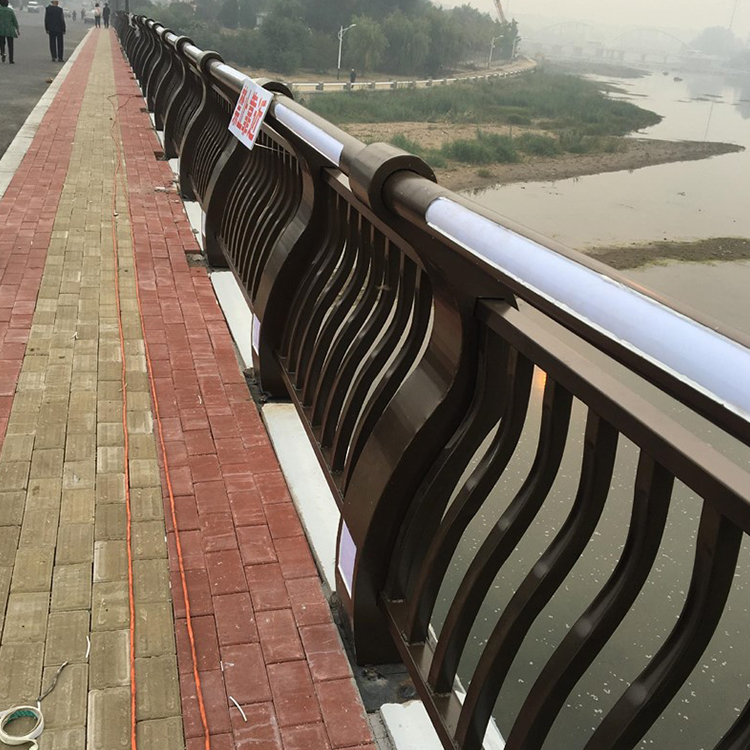








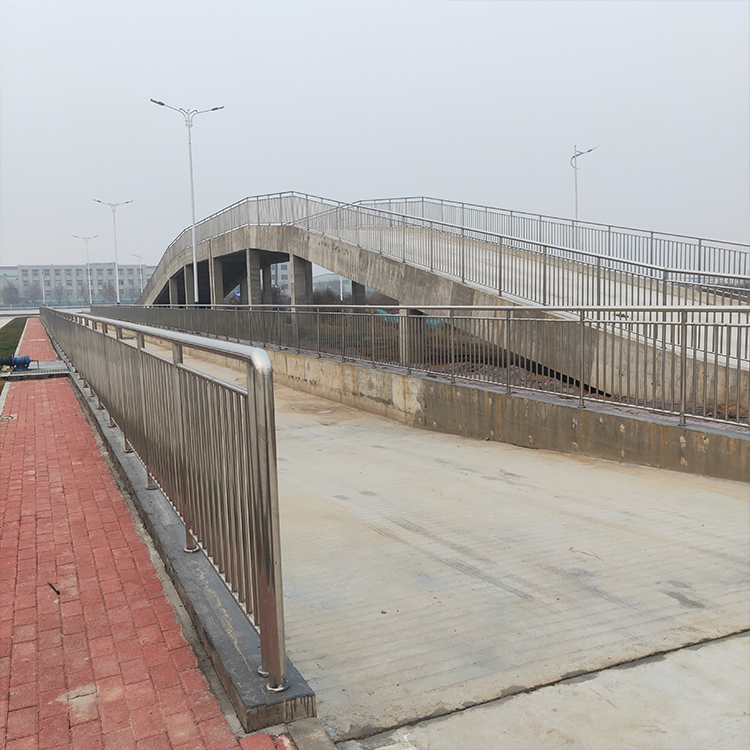
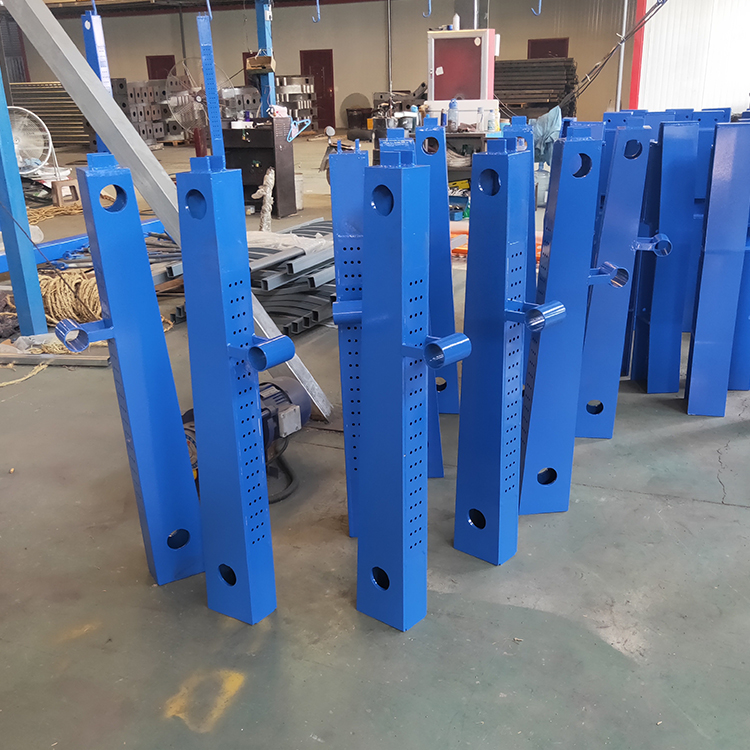

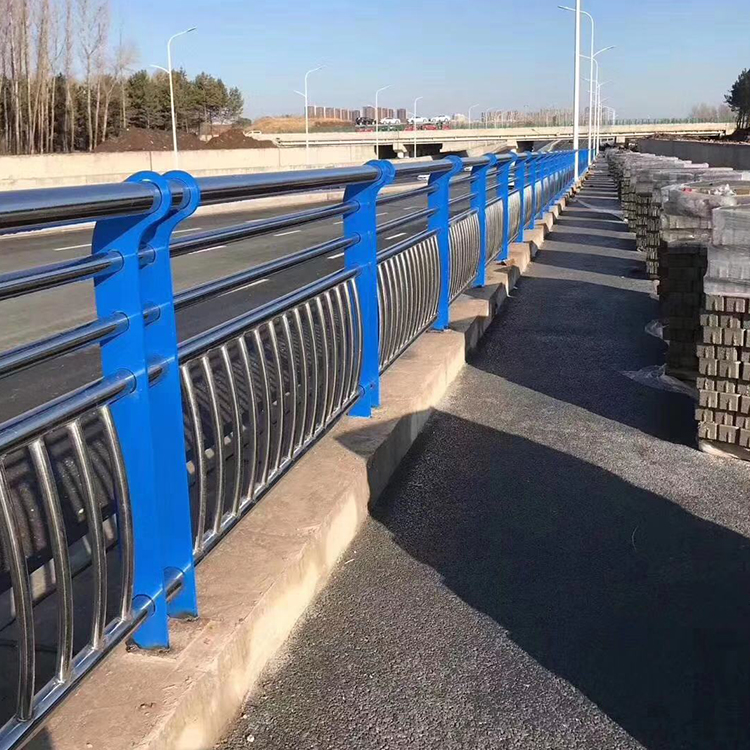

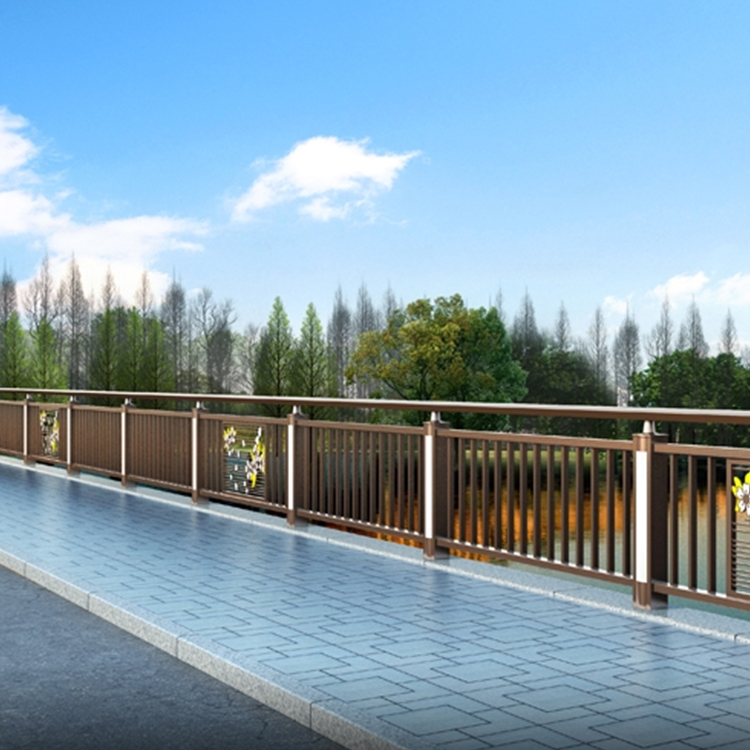
Lighting guardrails are a common type of lighting railing in urban areas. These railing systems are essential safety measures designed to ensure the safe passage of people and vehicles, provide illumination, and prevent falls. They also serve as a close-to-ground feature for pedestrians, and the design of the lighting guardrails directly impacts the aesthetic appeal of bridges. The styles of lighting guardrails are diverse, mainly categorized into four types: fence-style, panel-style, lattice-style, and mixed-style.
What are the construction precautions for lighting guardrails?
Bridge Lighting Guardrails to Be Kept Away from Acids and Alkalis: Acids and alkalis are the archenemies of bridge lighting guardrails. In case of improper application of acids (such as sulfuric acid, vinegar) and alkalis (such as soap water, soda water) on the guardrails, the stains should be rinsed off immediately with clean water, followed by drying with a dry cotton cloth.
Mask and Sealing Grade: The lampshade is made of high-performance PVC injection molded mask, which ensures excellent transparency, mechanical strength, and weather resistance for the product's mask, significantly improving over the vacuum-formed masks of other products. The sealing of this product is achieved through a dense screw clamp method, with a waterproof rating of IP67.
Independent optical design: Each LED light source features an independent optical system. The light emitted from each LED bead first passes through a special lens, which constrains and guides the effective light, achieving the required light spot effect on the road surface and ensuring a forward-angled light beam. This effectively solves the problem of glare from oncoming traffic, distinguishing it from other products that use shading methods. Consequently, it enhances light efficiency.
To avoid unnecessary issues, it is crucial to strictly follow the construction drawings during the construction process. For instance, the installation of the base for lighting guardrails, the setup of pillars, and the installation and cutting of cross beams and guardrails should all be conducted in strict accordance with the construction drawings and instructions. One must refrain from proceeding based on personal ideas and deviating from the standard procedures. Otherwise, it not only delays the normal construction timeline but also tends to waste unnecessary materials. More seriously, it can impact the quality and aesthetics of the project.