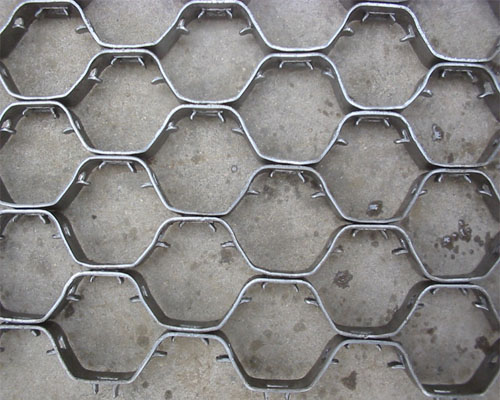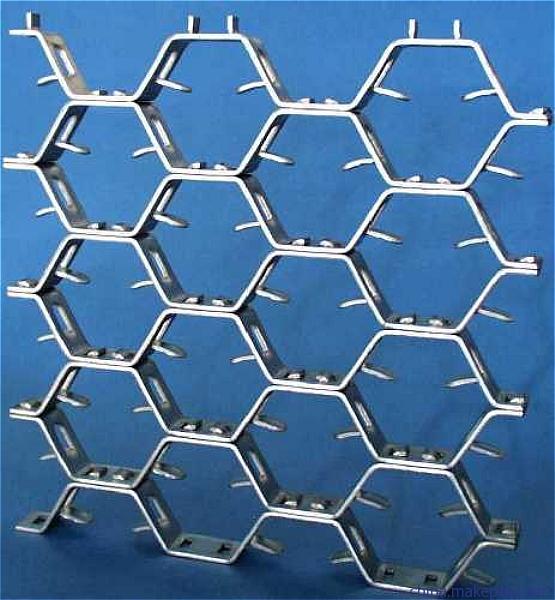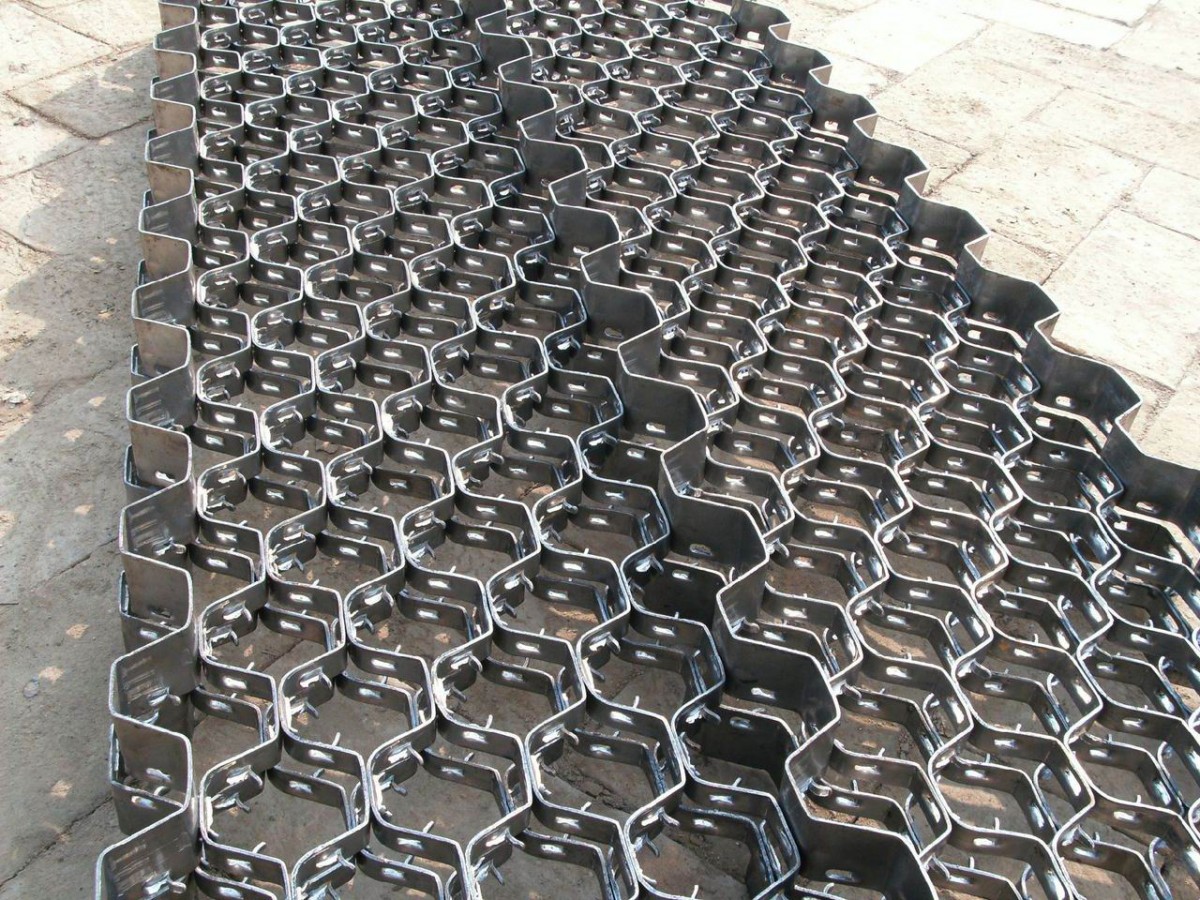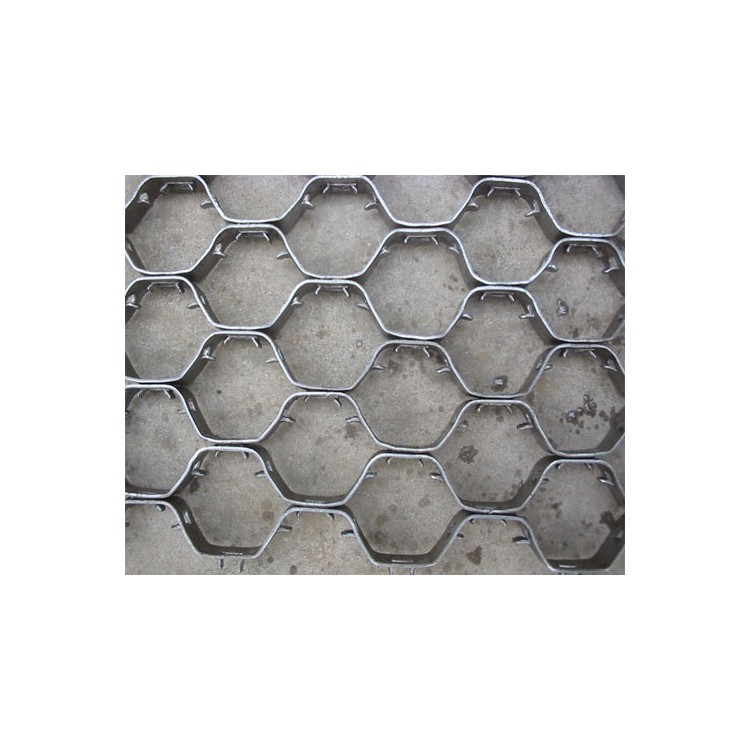

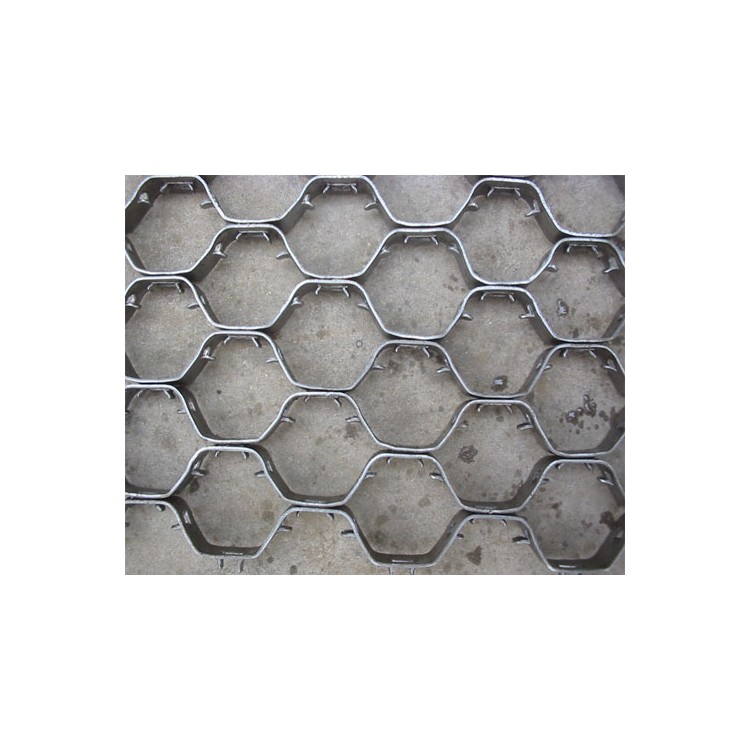

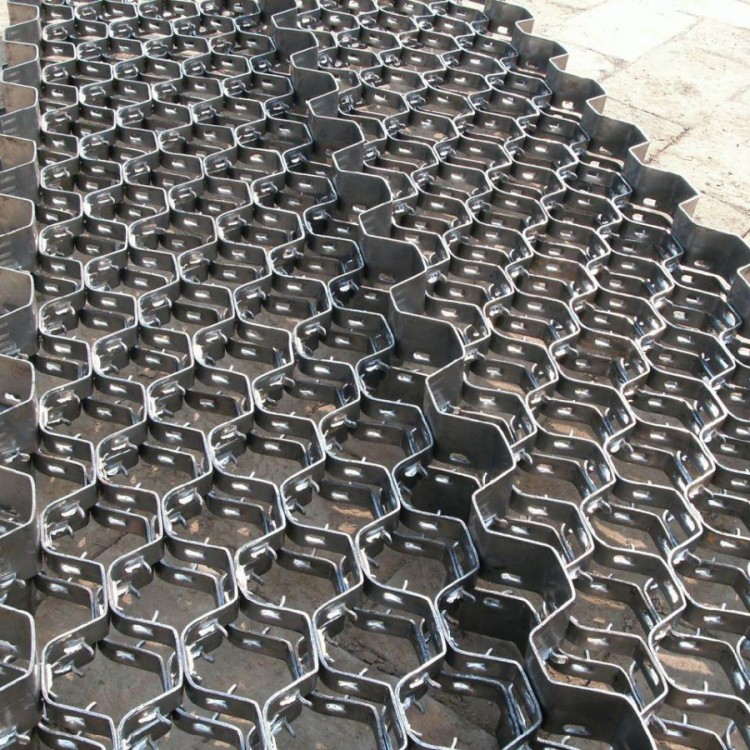












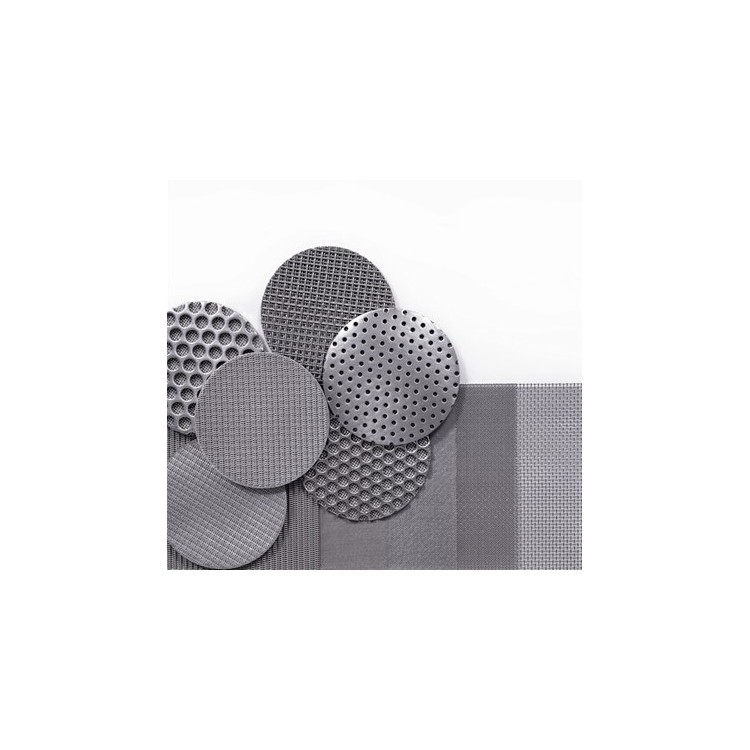
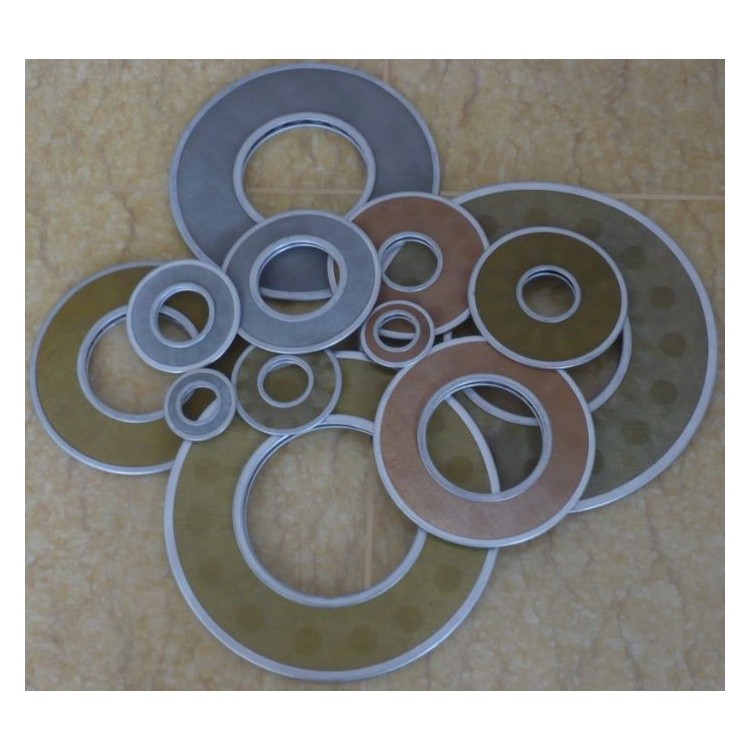
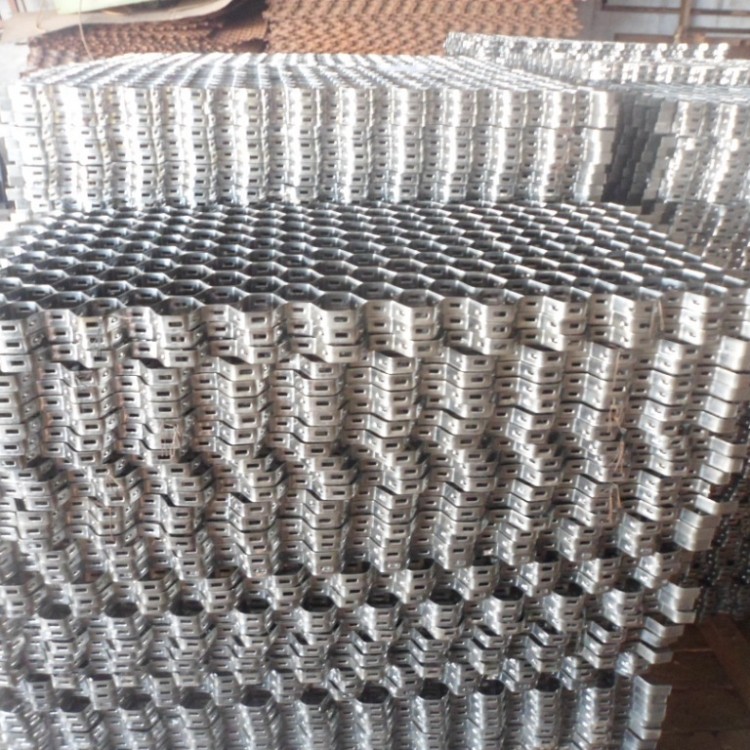

Shell grids are divided into large mud-claw shell grids, high-temperature-resistant shell grids, stainless steel shell grids, and carbon steel (A3F) shell grids. For special cases, 0Cr13 material is used. When in use, first weld the shell grid points to the inner wall of the boiler or hot air duct, then apply refractory material.
Tortoise Shell Net Product Advantages
Hexagonal large mud pad turtle shell mesh significantly enhances the anchoring capability with the lining material. This effectively strengthens the bonding performance of the lining material itself, completely controlling the phenomenon of peeling and falling off of the heat-resistant and insulating layer, and improving the bonding strength of the lining material.
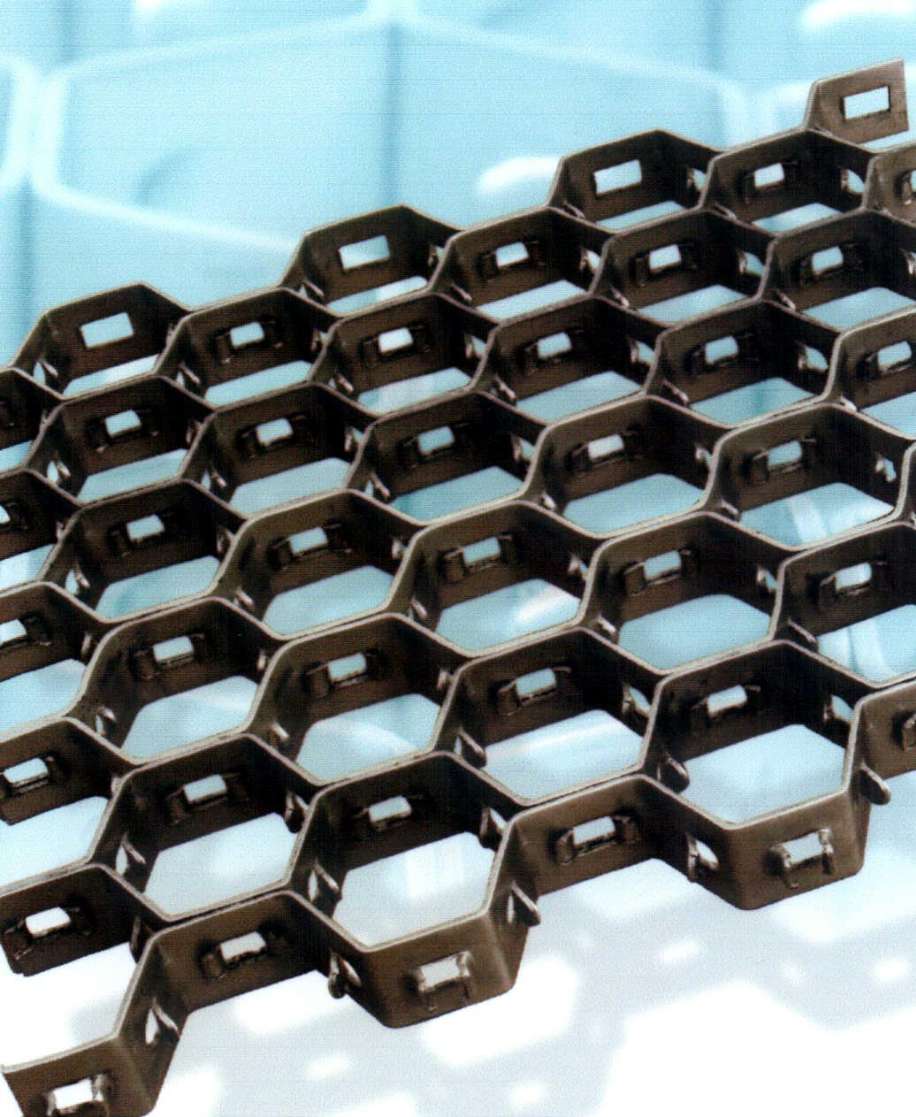
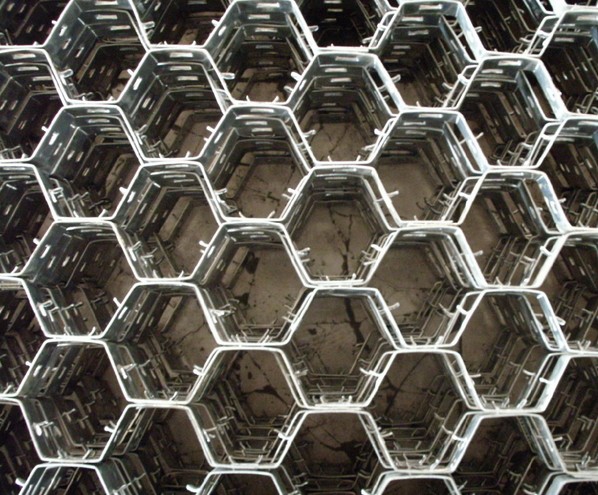
Turtle Shell Mesh Material
Wide range of materials available: includes A carbon steel, 0Cr13, 1Cr13, 0Cr18Ni9, 1Cr18Ni9Ti. Hole spacing: 2cm-6cm, mesh thickness: 1cm-2.5cm, plate thickness: 1mm-3mm. Mesh size is customizable according to buyer's specifications. Have collaborated with multiple major manufacturers for producing various metal components and supplied various lining metal structural components to numerous petrochemical equipment manufacturing companies.
The primary uses of tortoiseshell net
Widely used in large petrochemical equipment, especially as one of the main components for the lining structure of catalyst processing equipment, it enhances the wear resistance and strength of the lining. Wear-resistant linings are reinforced with tortoise shell mesh, commonly used in carbon steel (A3F) tortoise shell mesh in general areas such as reactors, first and second cyclone separators, U-shaped tube regenerators, etc. In high-temperature areas, alloy (1Cr13) tortoise shell mesh is used, such as in regenerators and first and second cyclone separators. The tortoise shell mesh is a hexagonal pattern formed from 20*17.5mm flat steel strips, fixed on the end plate of the insulation nail.