










Shandong Jialu Giant Wave Machinery Co., Ltd.
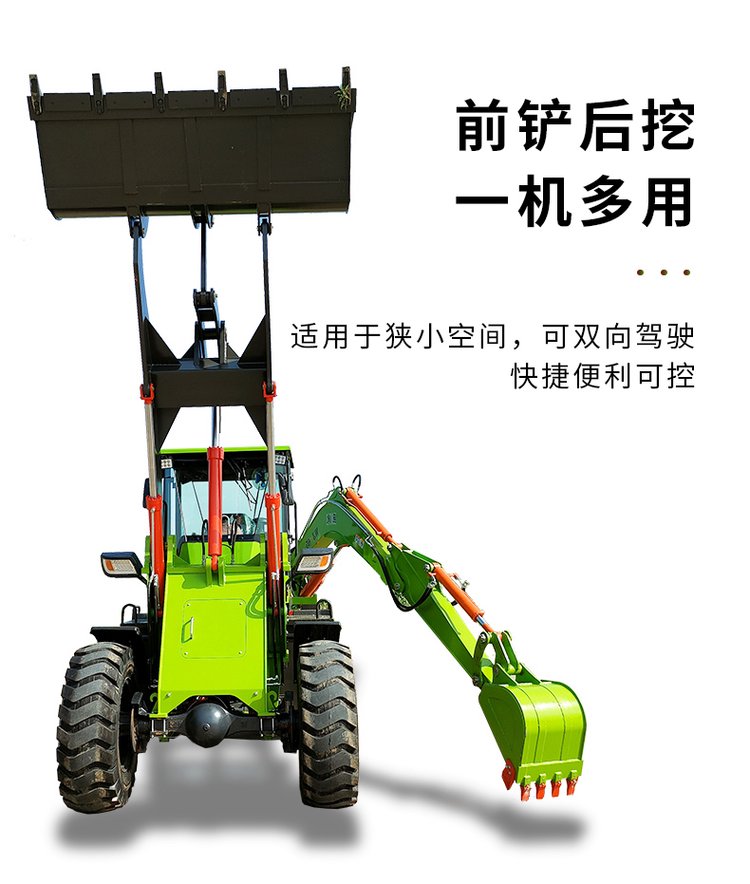
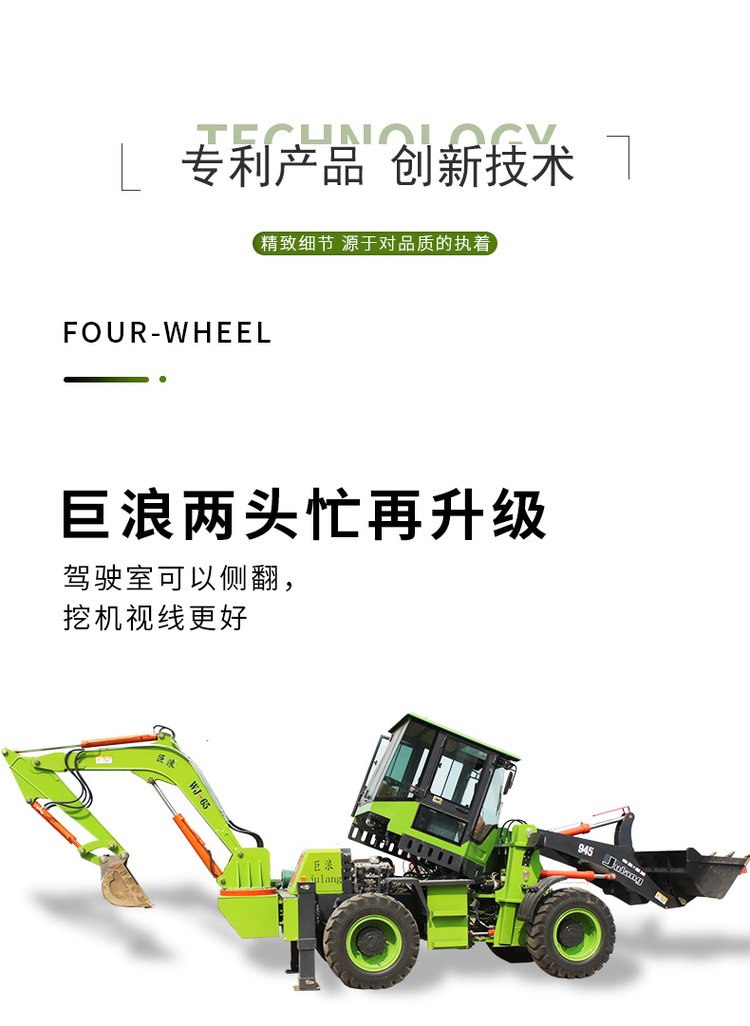
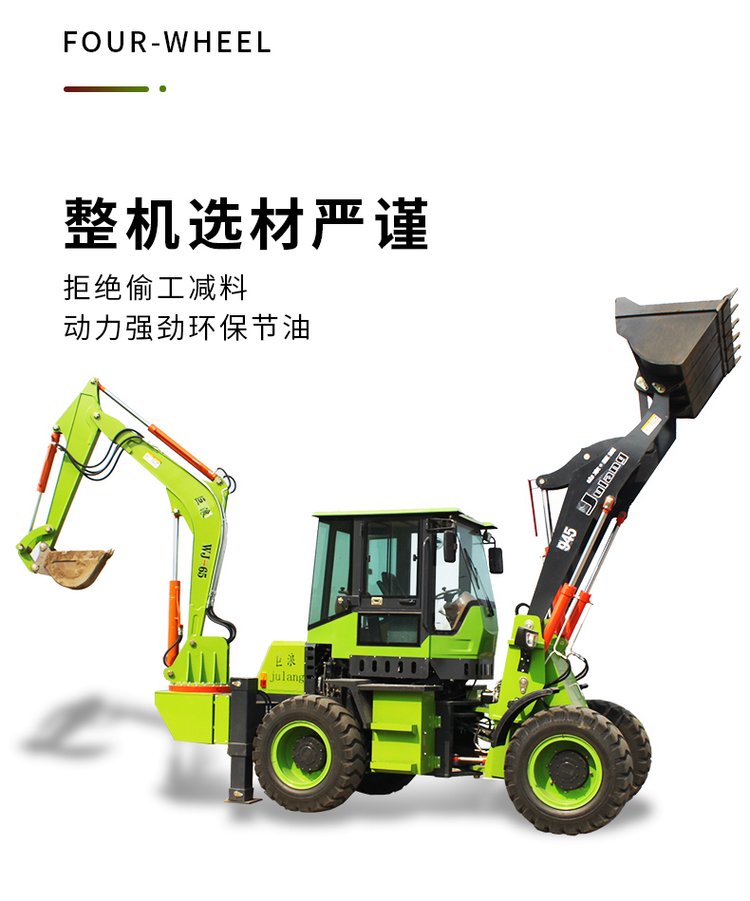
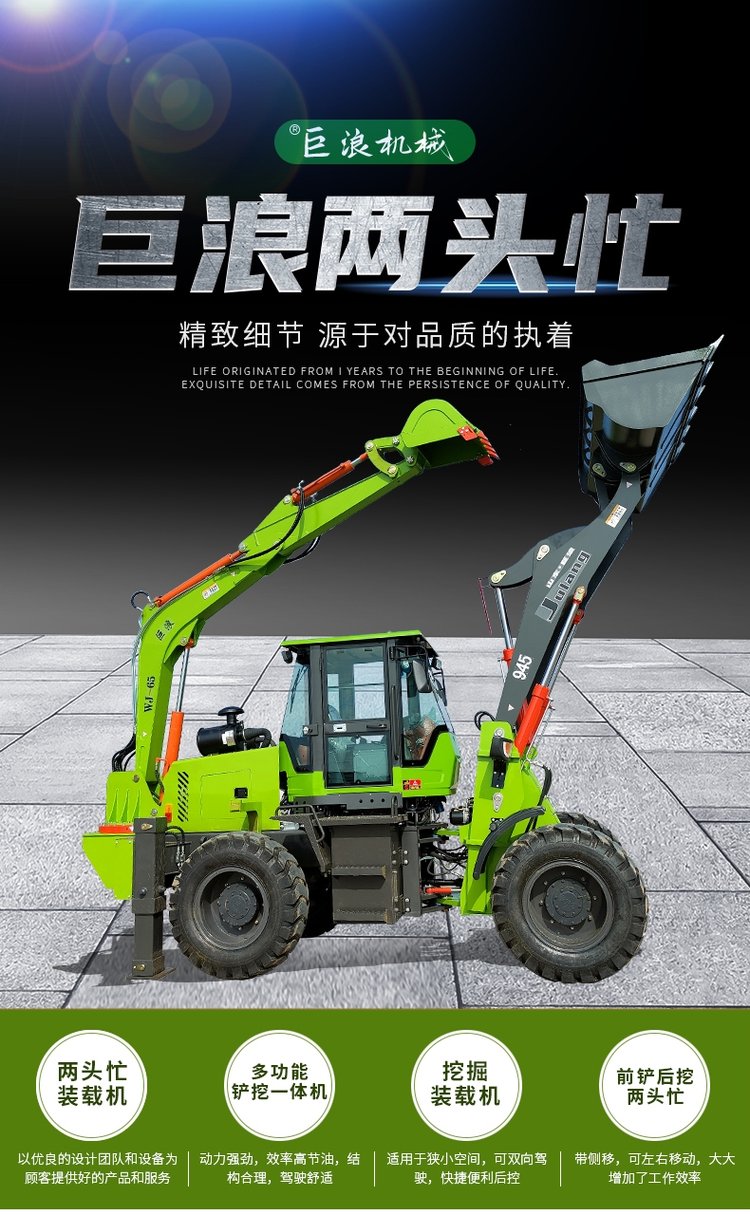
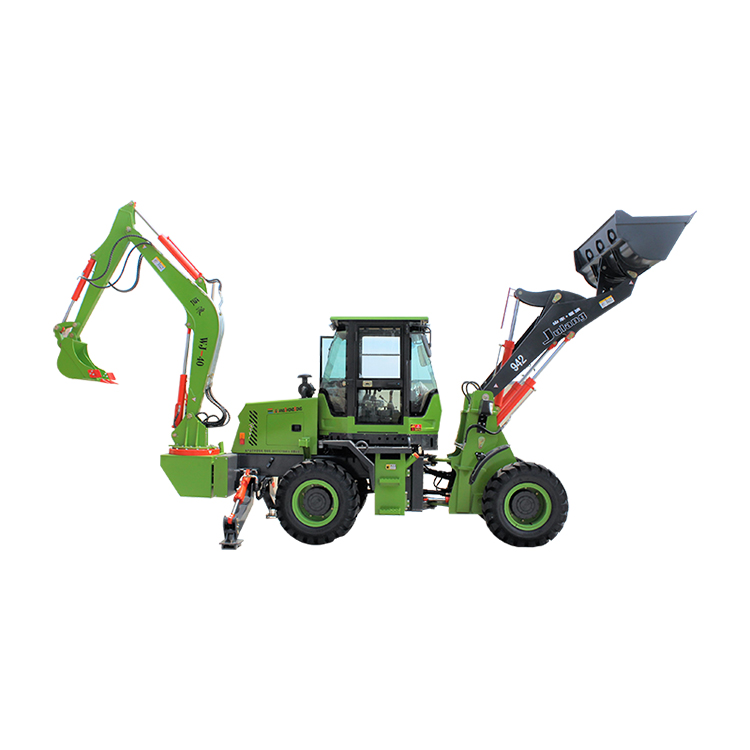
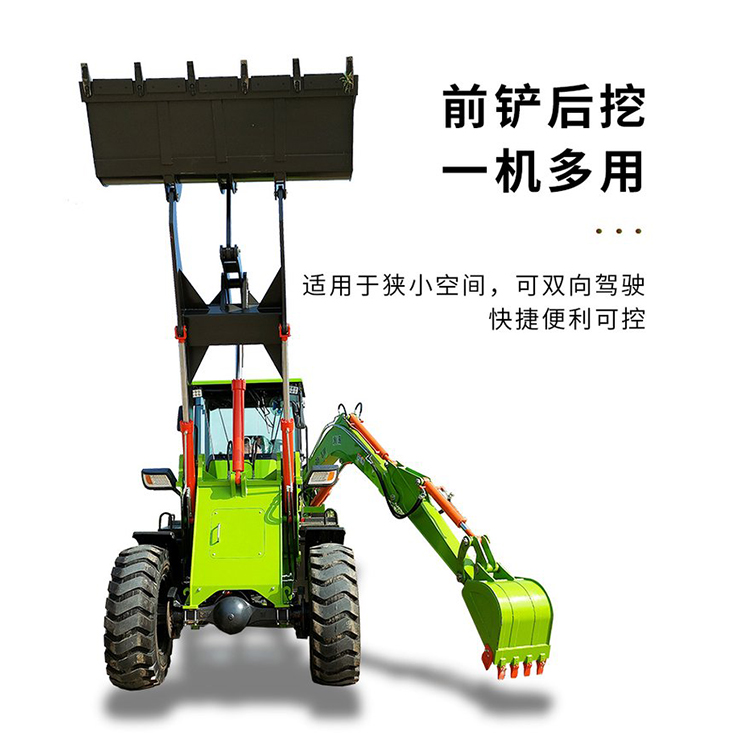
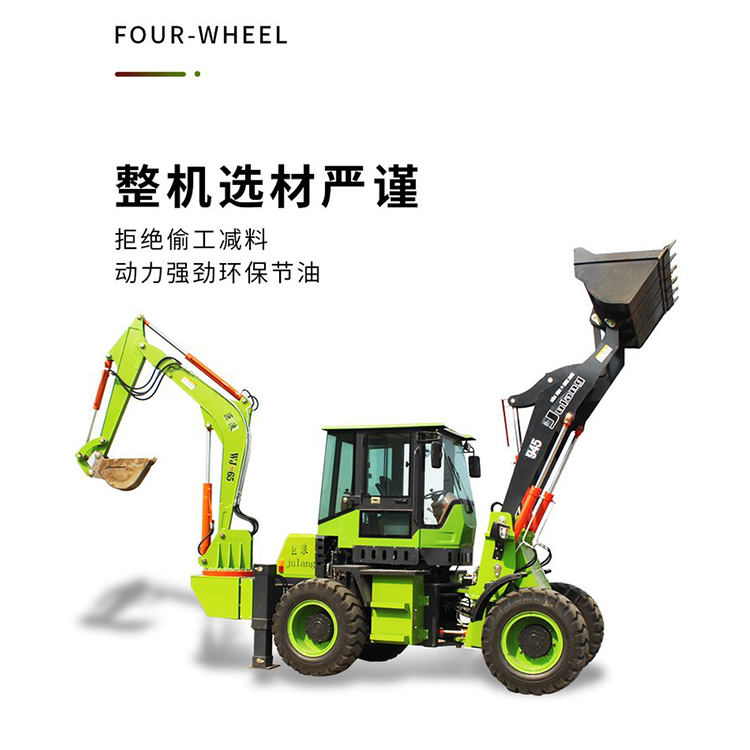
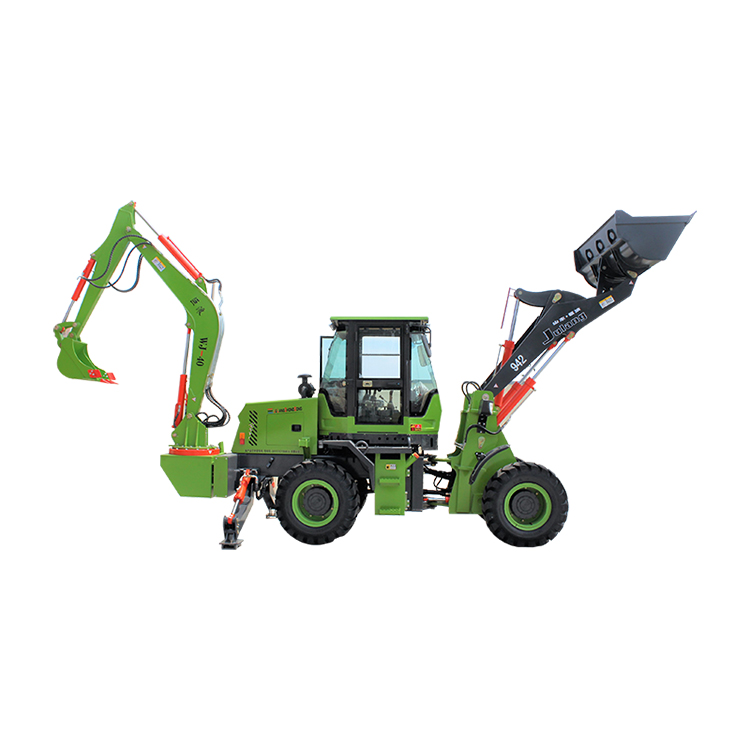
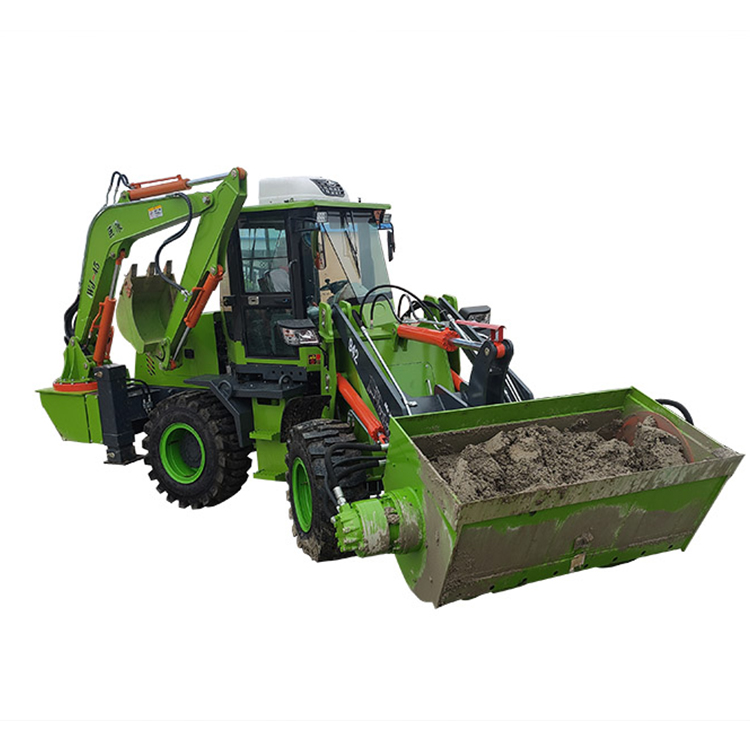
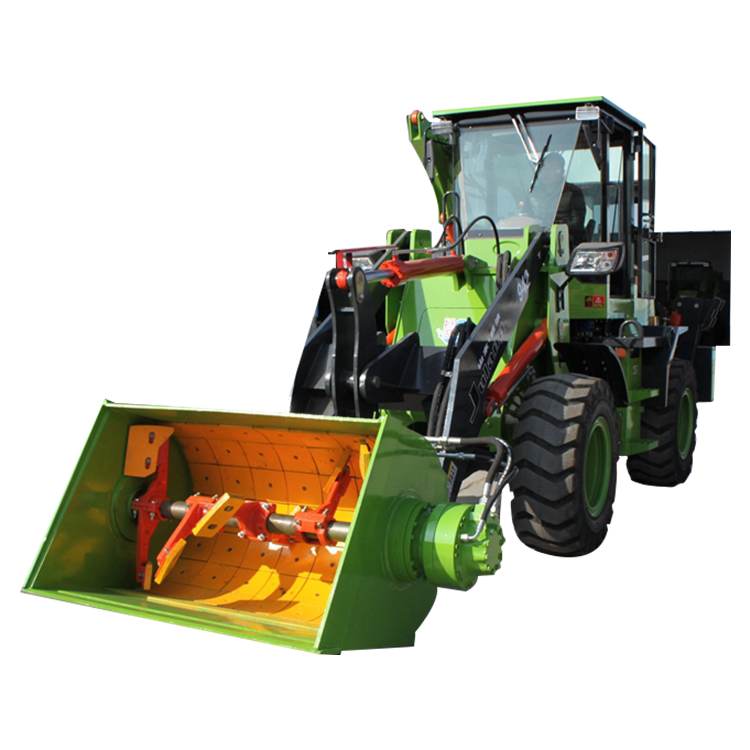
The loader assembly is mounted at the front of the equipment, with the excavator assembled at the rear. These two components offer entirely different functions. The loader can perform a variety of tasks. In many applications, it can be likened to a powerful, oversized shovel or coffee scoop. It is generally not used for挖掘 (excavating), but primarily for picking up and carrying large amounts of loose materials. Additionally, it can be used to push soil like a plow, or to level ground, as if spreading butter with a knife. Operators can drive the tractor while controlling the loader.
Excavators are the primary tool for digging and loading. They can be used to excavate dense, hard materials (often soil) or lift heavy objects (such as stormwater box culverts). Excavators can lift these materials and then stack them on the side of the excavation. In simple terms, an excavator is a very powerful, large arm or finger, consisting of three parts: the boom, the bucket arm, and the bucket.
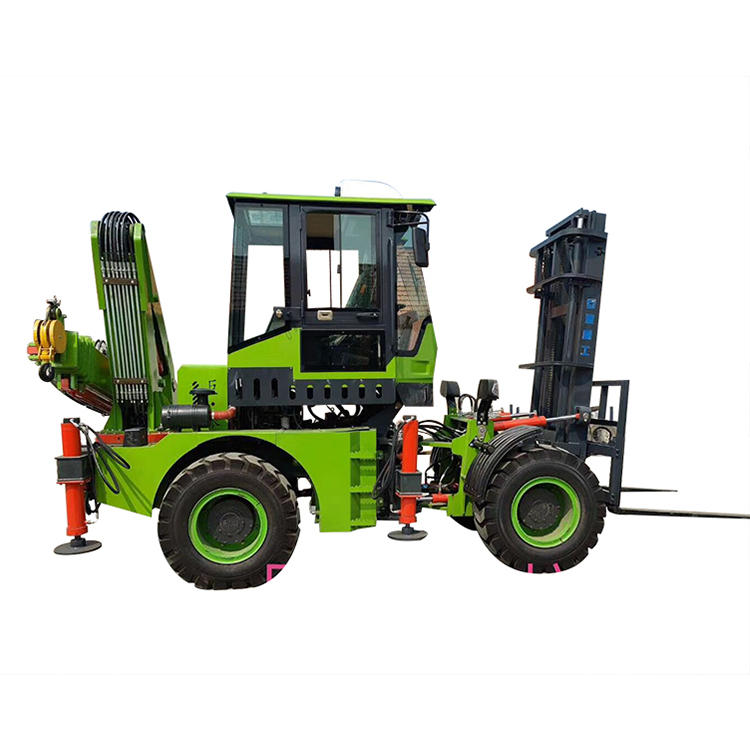
Additional components typically seen on an excavator loader include the two stabilizer legs at the rear of the rear wheels. These legs are crucial for the excavator's operation. When the excavator performs digging tasks, the legs absorb the impact of the weight. Without stabilizer legs, the weight of heavy loads or the downward force generated during digging can damage the hubs and tires, causing the entire tractor to continuously bounce. The stabilizer legs keep the tractor stable and minimize the shock forces generated during the excavator's digging. Additionally, the stabilizer legs can secure the tractor, preventing it from sliding into ditches or caves.