









Shanghai Mahogany Furniture Recycling | Methods of Mahogany Furniture Collection in Shanghai
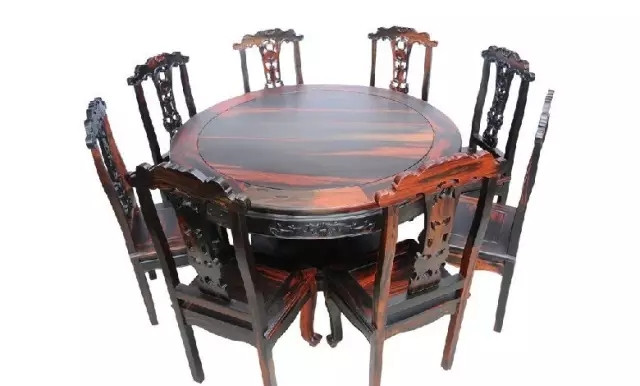
The term "mahogany" we refer to today is derived from "mahogany furniture." The author believes that the concept of "mahogany furniture" precedes the term "mahogany," not the other way around as many people assume. The furniture made from mahogany is simply referred to as "mahogany furniture." This understanding only emerged after the so-called "mahogany standards" were established. Therefore, "mahogany" and "mahogany furniture" should not be confused.
The term "Redwood Furniture" was clearly explained by the Ming and Qing Dynasty furniture expert Pu An Guo: Initially, "Redwood Furniture" was a common name for furniture made from rosewood in the areas of Jiangsu, Zhejiang, Shanghai, and Lingnan. The name comes from the dark red or deep red color of the wood when it is cut, and its scientific name is "Dalbergia tonkinensis," commonly known as "Laos Red Rosewood." The use of the name "Dalbergia rubra" was more prevalent, especially after the Republic of China era, as many Guangzhou-style furniture was made from this material. It seems that the trade started with the "Thirteen Hongs" during the late Qing Dynasty.
"Solid wood furniture," the concept of which emerged later, has been highly sought after over the past decade. In the past fifteen years, the prices of materials like Hainan Rosewood, Yuezhuang, and Zitan used in solid wood furniture have soared repeatedly, astonishing many. Due to the scarcity of raw materials for solid wood furniture, the upward trend in prices is expected to continue.
Not only that, solid wood furniture has become fashionable. The new era's solid wood furniture retains the essence of traditional craftsmanship and the practical needs of modern people, becoming a decoration choice for many. Moreover, the production enterprises of solid wood furniture have developed rapidly over the years. The areas that were once scattered with solid wood furniture production, such as Dayong in Zhongshan, Taishan in Jiangmen, and Changshu in Jiangsu, are now distributed in patches, with a burgeoning fire spreading rapidly.