












Product Introduction:
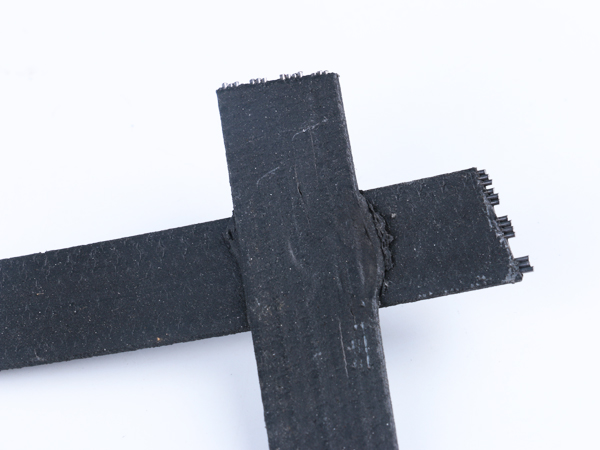
Steel-plastic composite geogrid is formed by high-tensile steel wires wrapped with high-density polyethylene to create high-strength strips, which are woven into a rectangular pattern and welded together using ultrasonic technology. It adjusts the tensile strength of the reinforcement strips by varying the mesh diameter and the number of steel wires according to engineering requirements. The steel-plastic reinforced geogrid is compounded through a novel process, with its surface pressed to form a regular coarse pattern. Laid in the replacement soil layer, it withstands tremendous tensile stresses and friction with the backfill soil, limiting the soil's shear, lateral extrusion, and bulging. Due to the high stiffness of the reinforced soil layer, it facilitates the distribution of upper foundation loads and transmits them more uniformly to the underlying soft soil layer, effectively enhancing the bearing capacity of the foundation. The reinforced soil layer increases the overall stiffness of the compressible layer, benefiting the adjustment of soil deformation. The reinforced soil composite layer formed by using steel-plastic reinforced geogrid is a flexible structure that can effectively absorb seismic energy, thus demonstrating excellent seismic performance.
Steel-plastic grid characteristics:
1. The tensile force of the steel-plastic composite grillage is carried by the high-tensile steel wires woven in a warp and weft pattern, which under low strain capacity generates a higher tensile modulus. The longitudinal and transverse ribs work together, fully utilizing the grillage's locking effect on the soil mass.
2. The longitudinal and transverse ribs of the steel-plastic composite mesh are woven with steel wire to form a mesh, with the outer wrap formed in one molding. The steel wire and the outer wrap work in harmony, resulting in a low tensile elongation (not exceeding 3%). The main load-bearing element of the steel-plastic composite geogrid is the steel wire, with low creepage.
3. By treating the plastic surface during the production process, we press rough patterns to enhance the roughness of the格栅 surface, thereby increasing the friction coefficient between the steel-plastic composite geogrid and the soil mass.
4. The width of the steel-plastic composite grating can reach 6 meters, achieving an economical reinforcing effect.
5. The high-density polyethylene used in the steel-plastic composite grid ensures: It is not eroded by acids, bases, salt solutions, or oils at room temperature; nor is it susceptible to water dissolution or microbial attack. Additionally, the high molecular properties of polyethylene are sufficient to resist aging caused by ultraviolet radiation. The grid's longitudinal and transverse ribs work together under stress, preventing joint cracking or damage. In actual engineering, after the filling material is compacted, it is not subject to erosion from ultraviolet light and oxygen, thus fully meeting the requirements of engineering construction.











