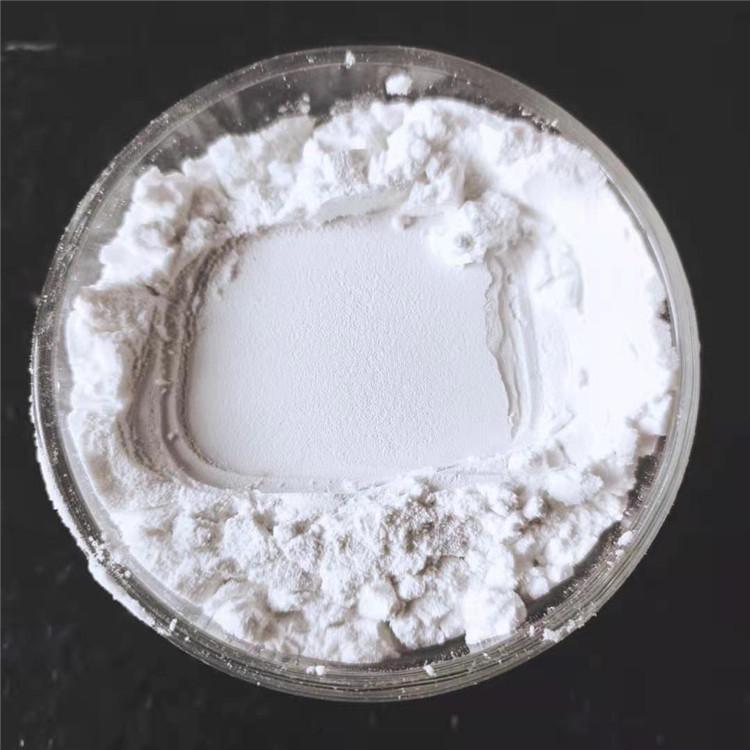
Diatomite is generally formed from the silicate remains of single-celled algae known as diatoms after they die, which are essentially hydrated amorphous SiO2. Diatoms can survive in both freshwater and saltwater, with a wide variety, usually divided into "Centrales" diatoms and "Pennatales" diatoms. Within each order, there are many "genera," making it quite complex.
The main component of natural diatomite is SiO2, with SiO2 content often exceeding 70%. Individual diatoms are colorless and transparent, and the color of diatomite depends on clay minerals and organic matter, etc. The composition of diatoms from different sources varies.
Diatomite, also known as diatoms, is a fossilized deposit of siliceous diatomaceous earth formed after a 10,000 to 20,000-year accumulation period following the death of single-celled plant organisms. Diatoms are one of the primitive organisms to appear on Earth, thriving in seawater or freshwater. It is these diatoms that, through photosynthesis, supply oxygen to the Earth, fostering the birth of humans and plants and animals.
This diatomite is formed from the sedimentary remains of single-celled aquatic plants called diatoms. The unique property of these diatoms is their ability to absorb free silicon from water to form their skeletons. After their life cycle ends, they settle and, under certain geological conditions, form diatomite deposits. It possesses several distinctive characteristics, such as porosity, low density, large specific surface area, relative incompressibility, and chemical stability. After undergoing processes like crushing, sorting, calcination, air classification, and decontamination to alter its particle size distribution and surface properties, it can be used in various industrial applications, including paint and lacquer additives.