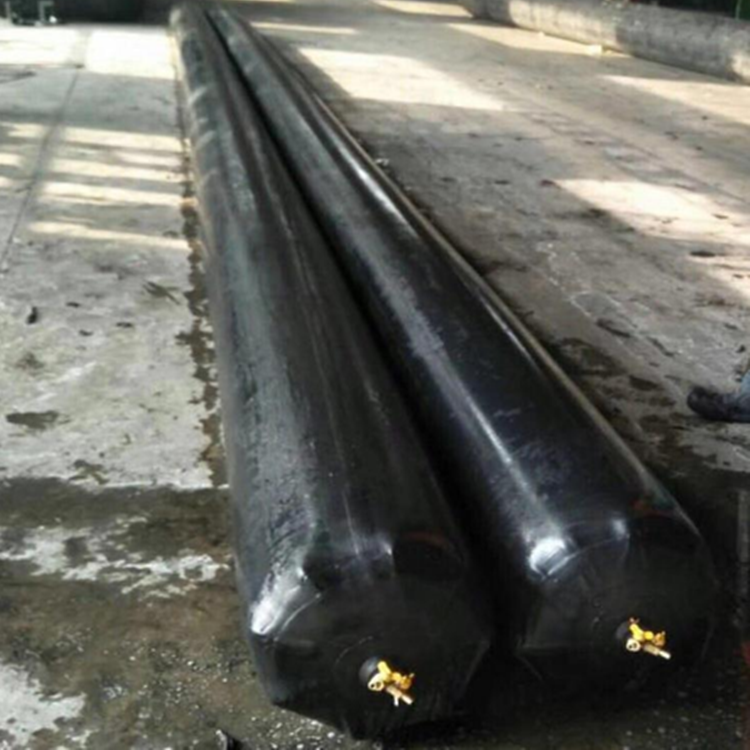










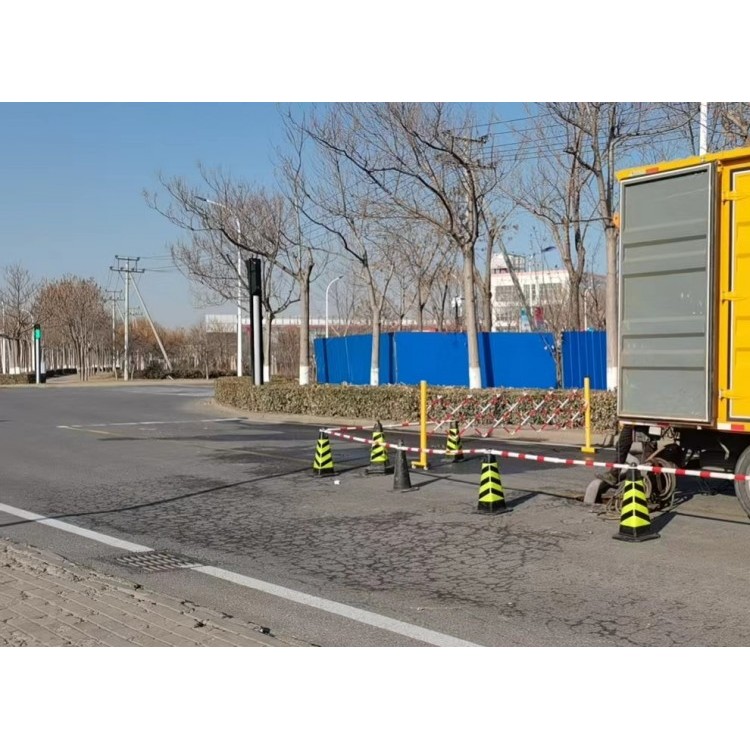
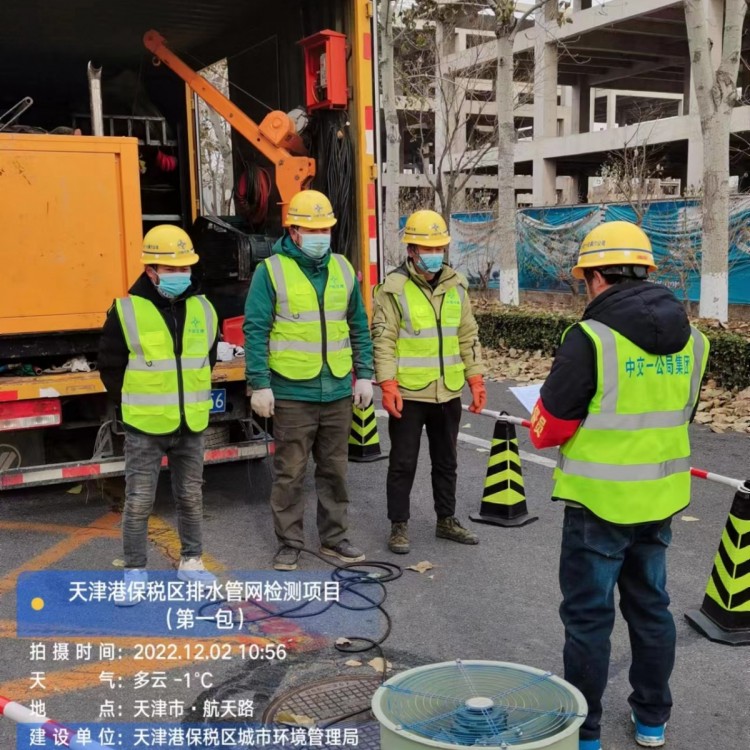
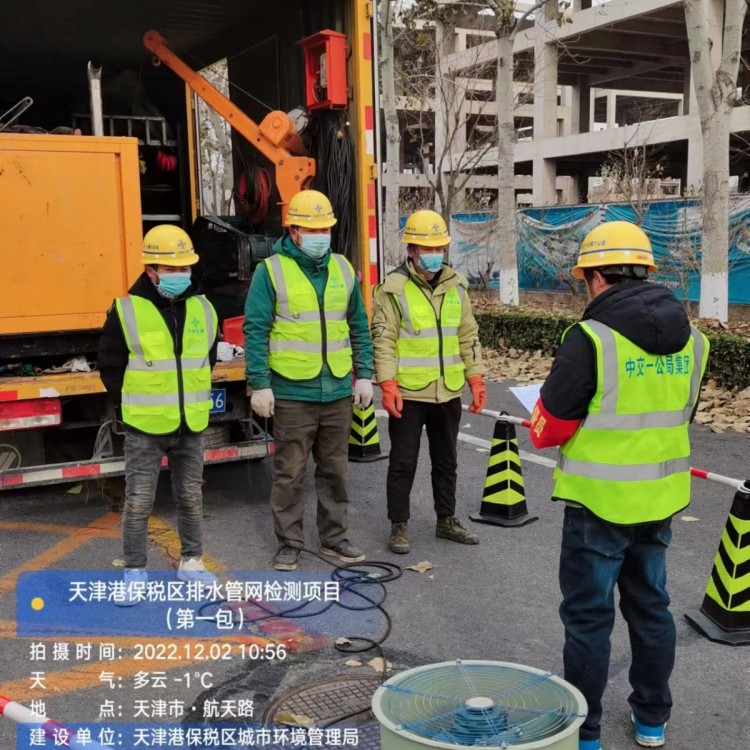
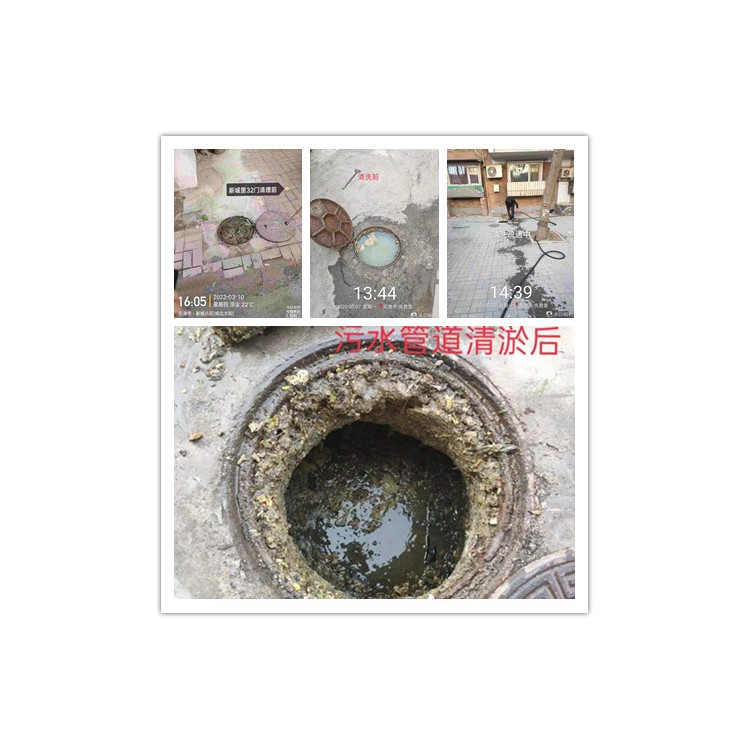
According to the recommendation of the Tianjin pipeline sealing engineer, prior to concealing the drainage pipeline installed underground, a water filling test must be conducted to prevent leakage at the joints, ensuring the pipeline installation is airtight.
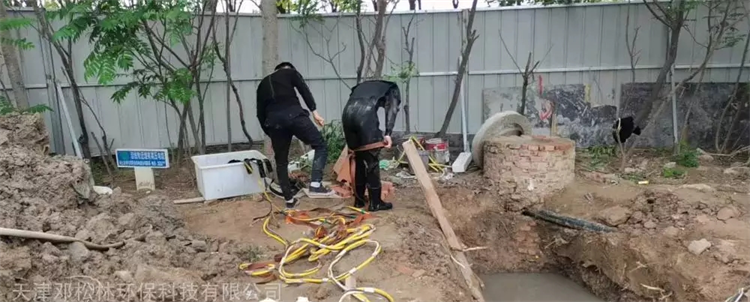


In the past, water-sealing tests often involved blocking drainage outlets using methods like mortar, bricks, or wooden plugs, which were labor-intensive, time-consuming, material-wasteful, and had poor sealing effectiveness, often leading to leaks due to unsealed areas. Nowadays, some also use methods such as steel plates with spacers or manually cutting pipes with a steel saw.
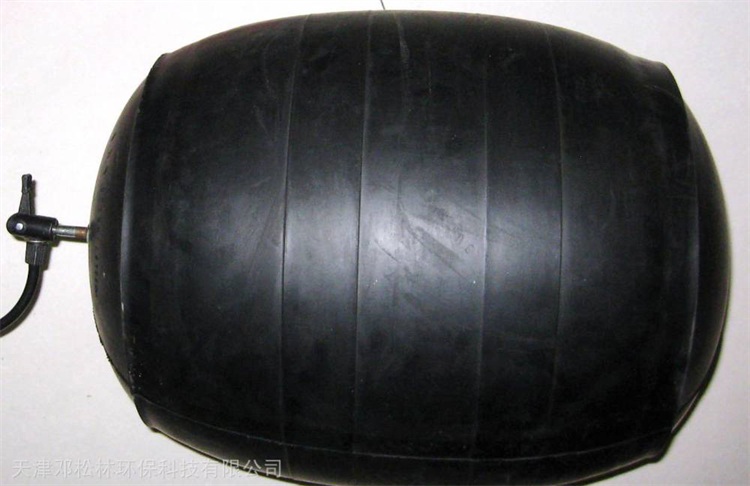
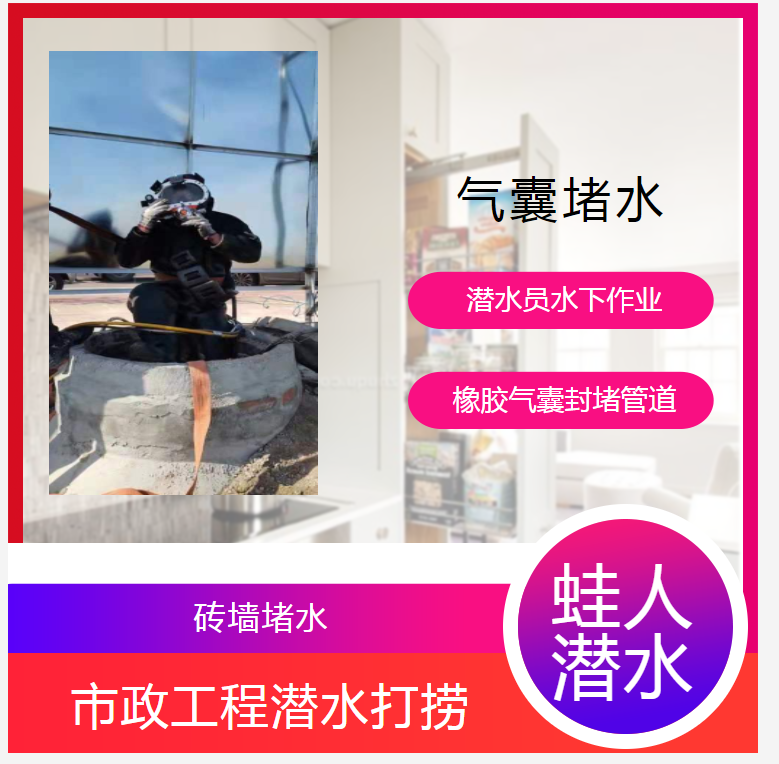
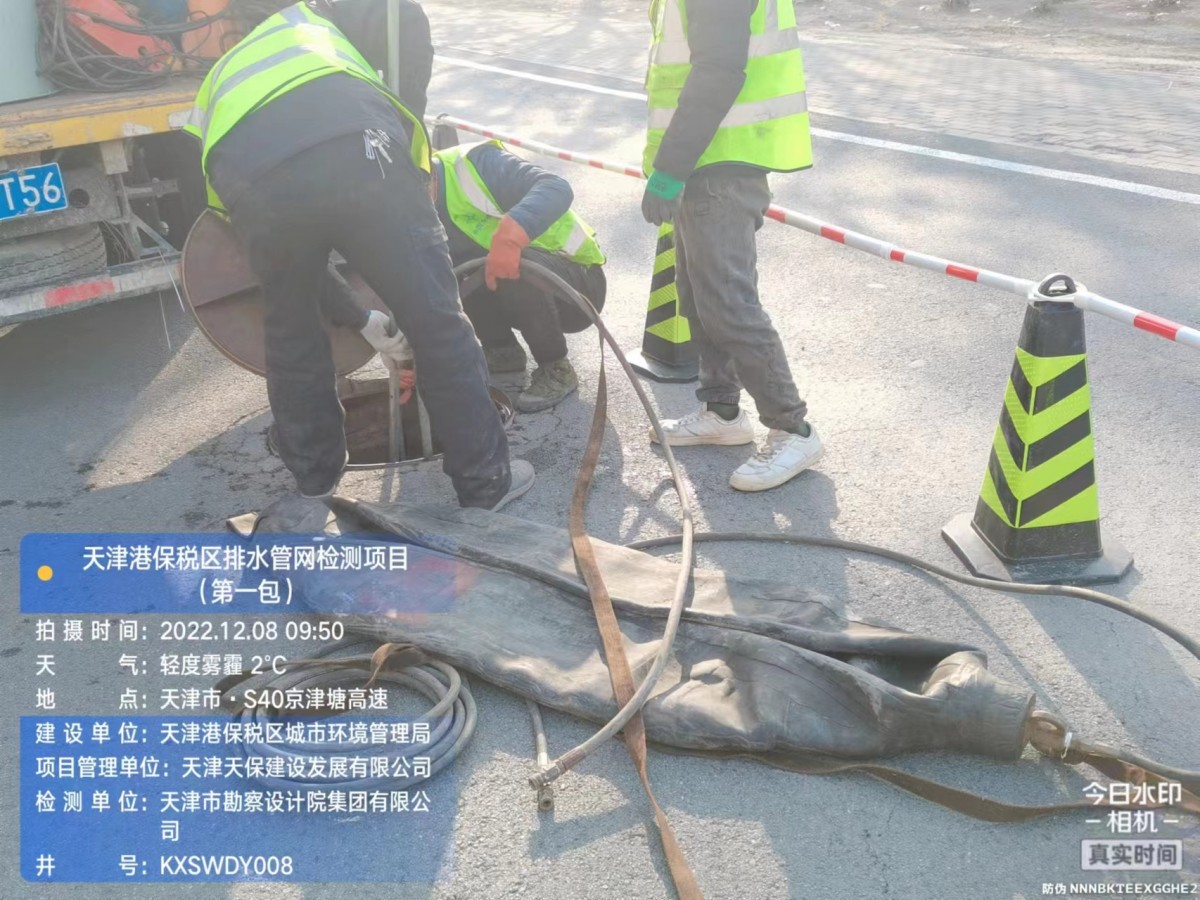
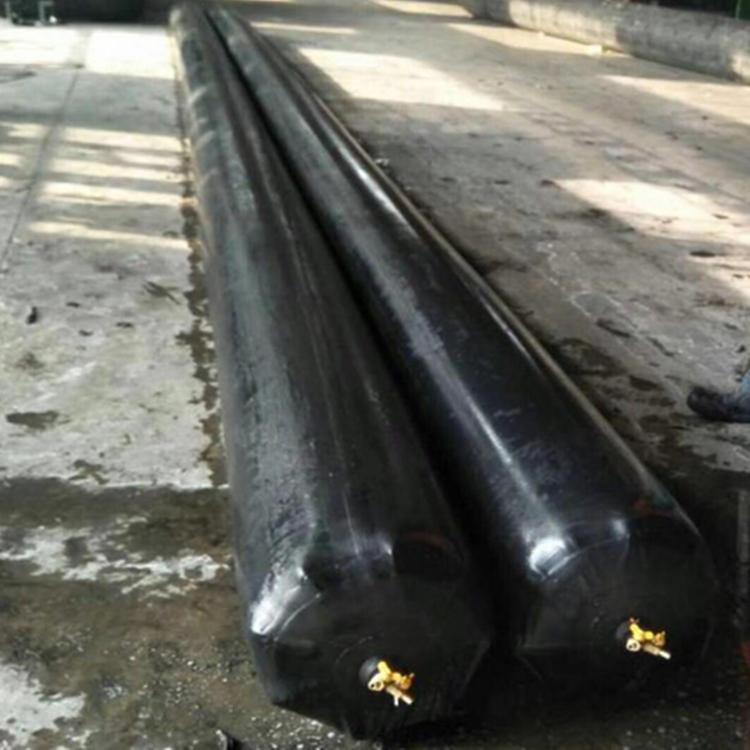
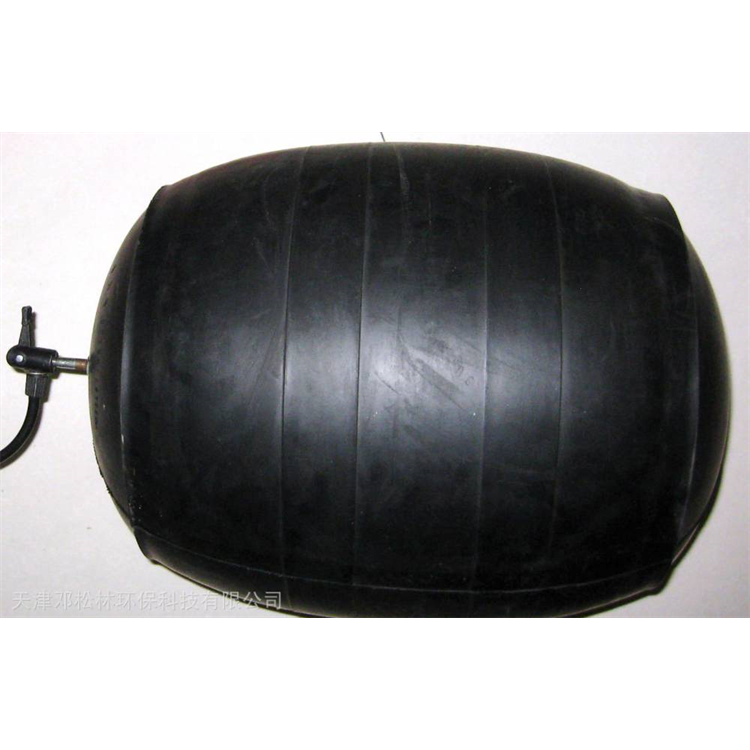
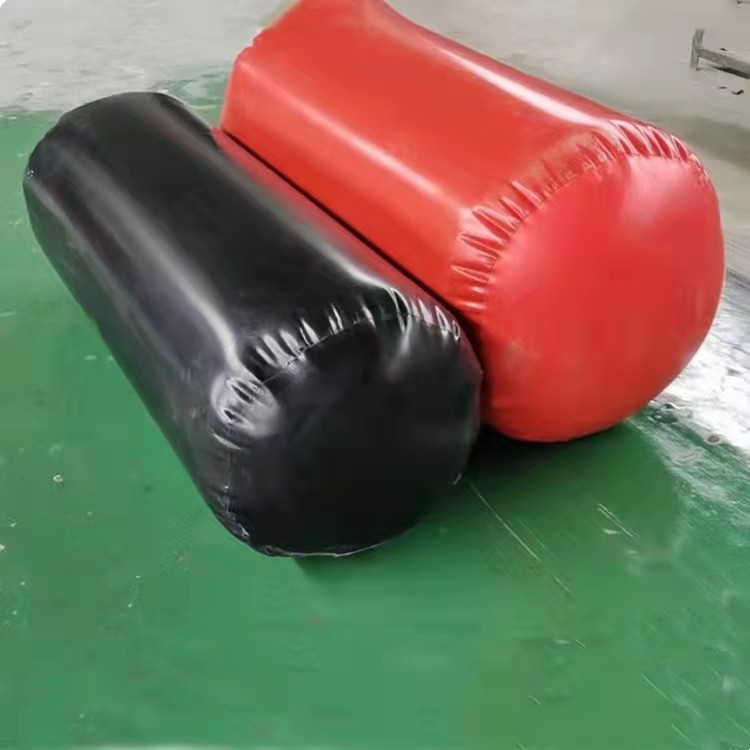
These aforementioned methods have not yielded satisfactory results. Now, I introduce a Tianjin pipeline plugging method, which involves using a rubber bladder to seal the pipeline opening. The specific operation is as follows.
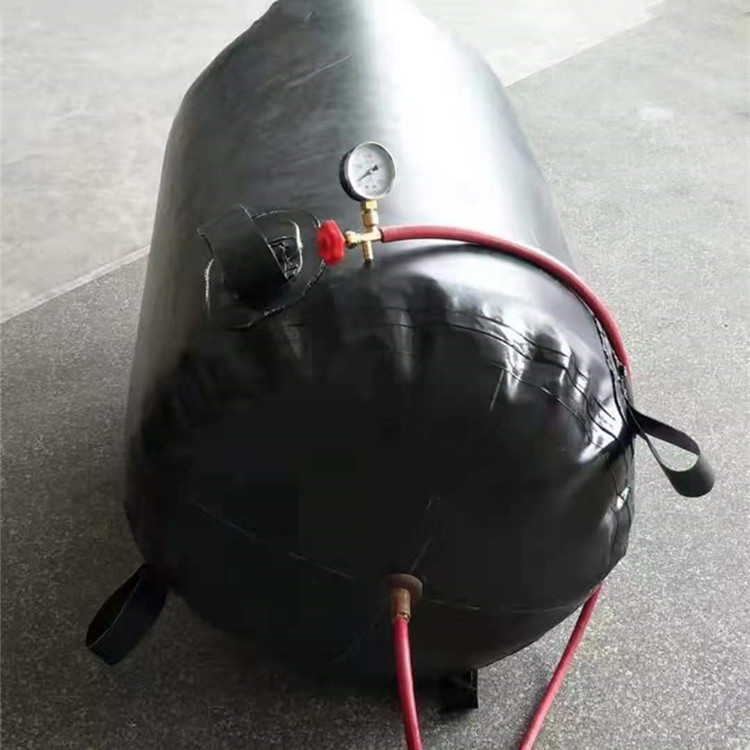
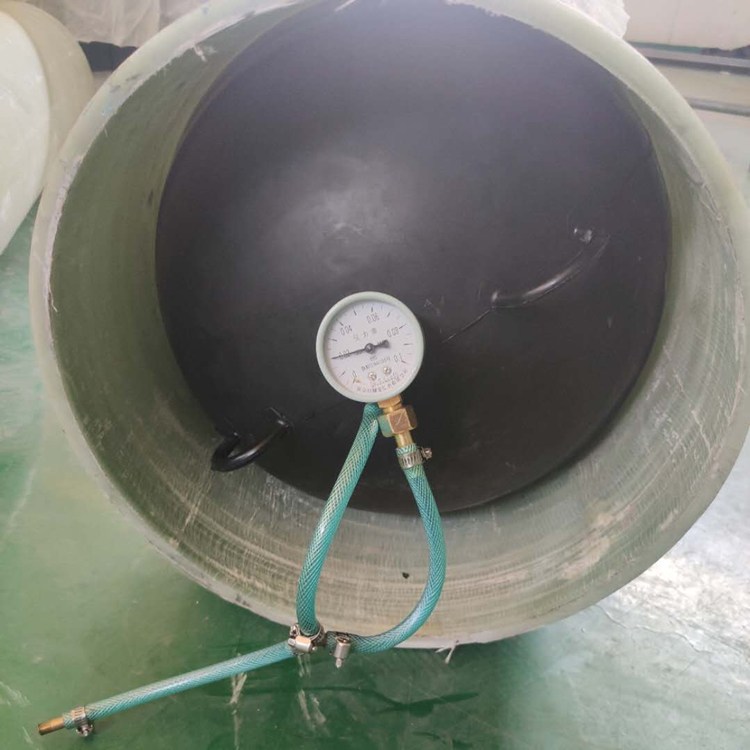
Select a rubber ball with a diameter 10-15mm larger than the inner diameter of the pipeline's outlet. Release some of the air inside the ball, then place the ball with the inflation valve facing outward into the pipe opening, ensuring it is inserted no more than 10mm from the pipe mouth. Insert an air needle into the ball and inflate it using an air tube.
Utilize air pressure to inflate the sphere against the tube wall. Once the sphere is inflated to a certain degree, it is fully compressed against the tube wall, sealing the tube opening. Then, remove the air needle and conduct the water filling test. After the test, release the air inside the sphere, remove the sphere, and the accumulated water in the pipeline can be drained, ending the water filling test. This method of sealing the opening for water storage tests is both secure and labor-saving, time-saving, and material-saving.
The drainage pipeline filling test involves sealing both ends of the pipe according to different diameters, then filling it with water and allowing it to soak statically for 72 hours before conducting the test. Specific procedures can be referred to in GB50268/2008.
The testing method is that drainage pipes, either concealed or buried, must undergo a water filling test before being concealed. The water level should not be less than the top edge of the lowest sanitary fixture or the height of the ground floor.