







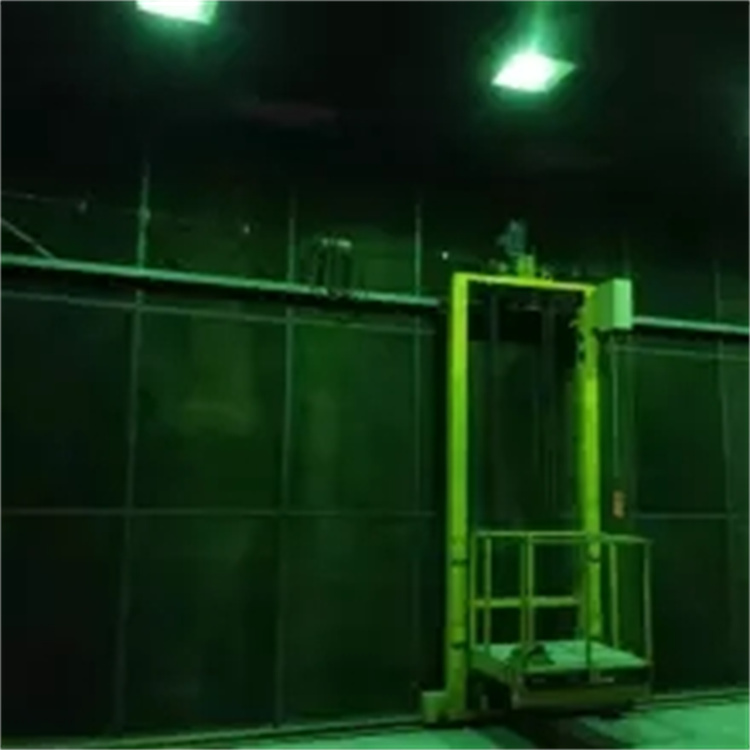
Mechanical conveyor-type sandblasting room
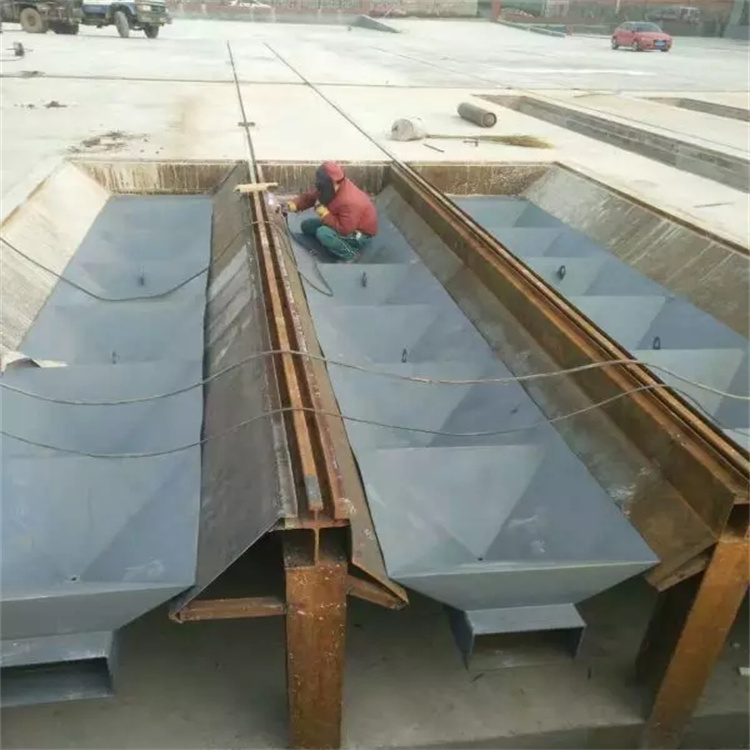
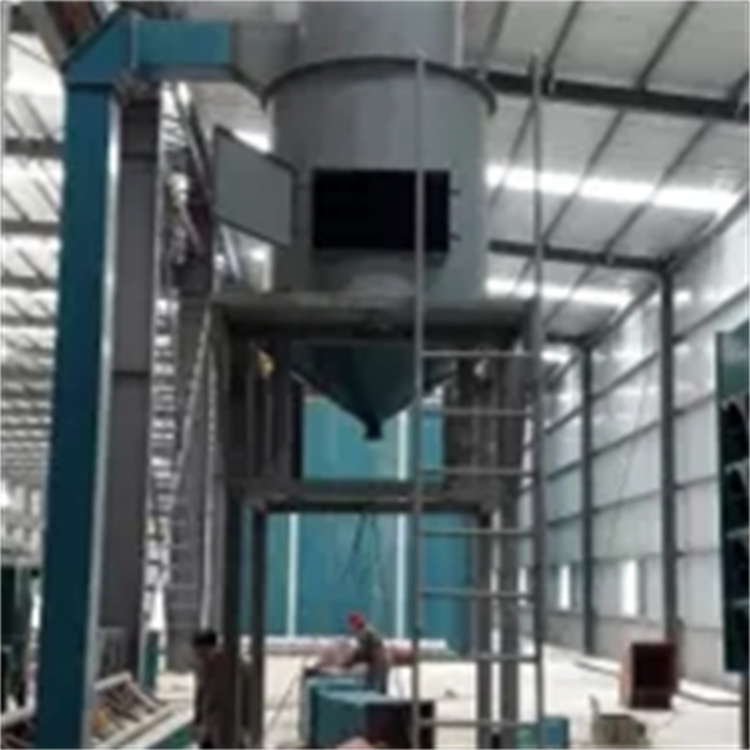
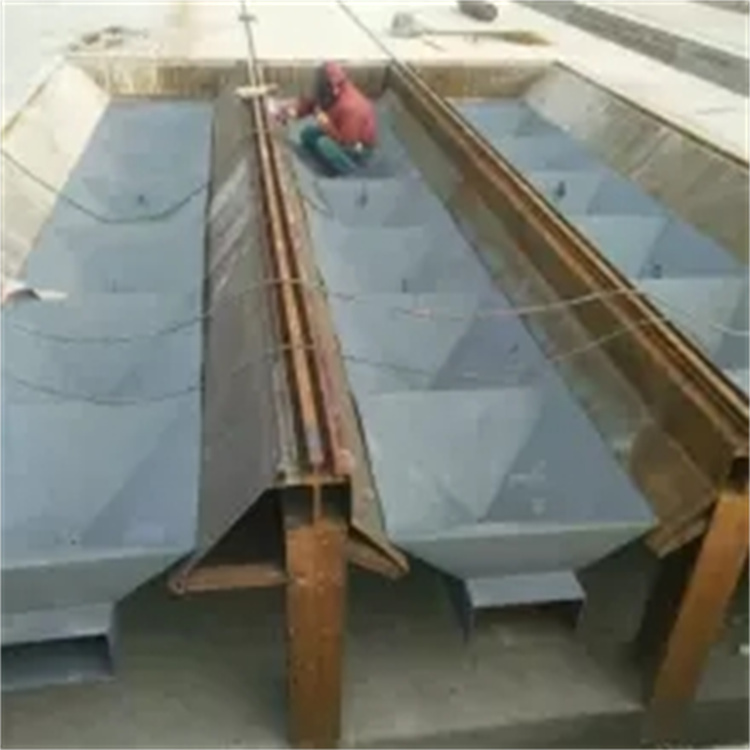
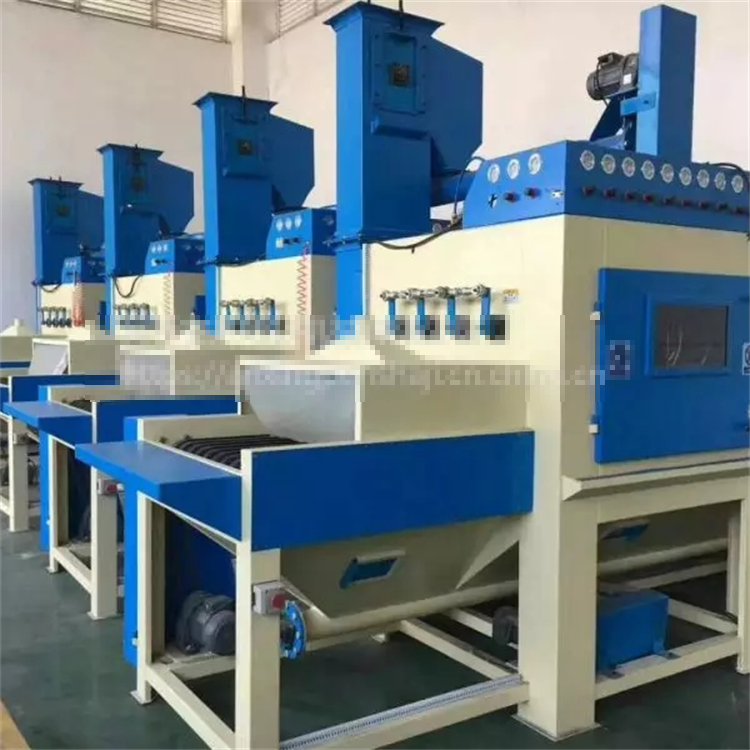
Mechanical conveyor type shot blasting room is a reciprocating flat car shot blasting machine, consisting of parts such as the blasting chamber, blasting gun, spiral conveyor, hoist, separator, shot control system, lighting system, dust removal system, conveying flat car, and electrical control system.
1Sandblasting cabinet body
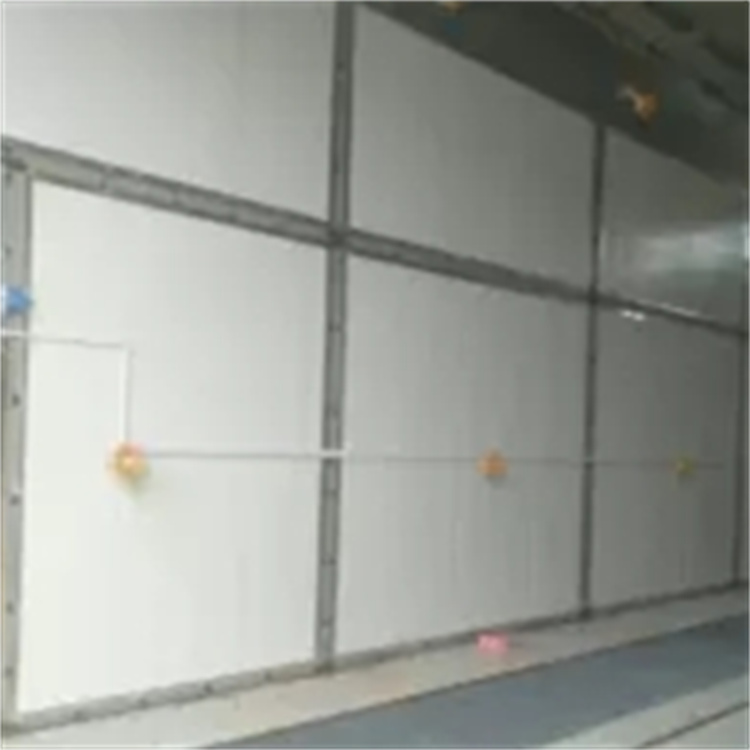
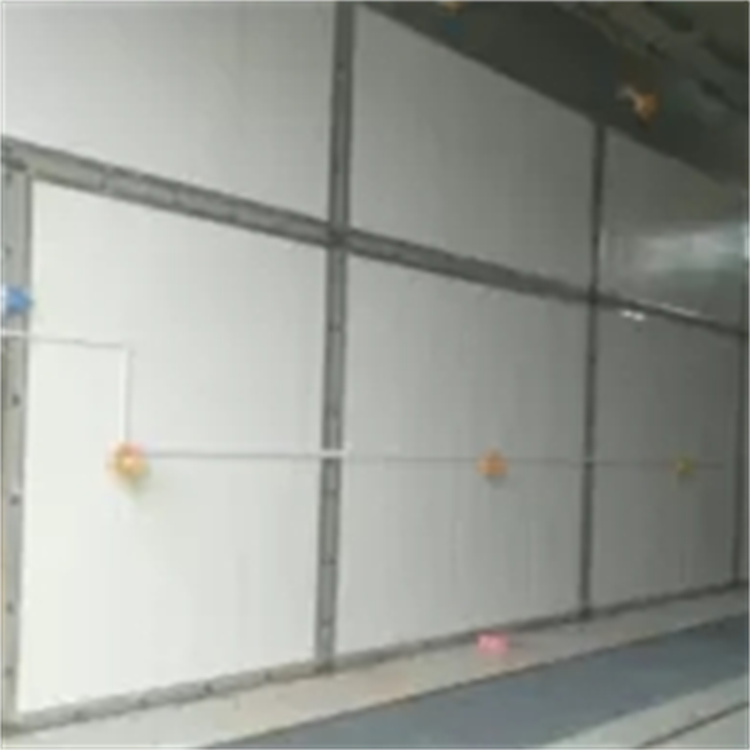
This cabin is constructed of lightweight steel structure and sandwiched color steel plates, ensuring a robust structure; it is lined with rubber protective panels on the interior walls and equipped with safety doors on both sides. Lighting fixtures are installed around the cabin to maintain sufficient brightness inside.
2Sandblasting equipment and protective masks
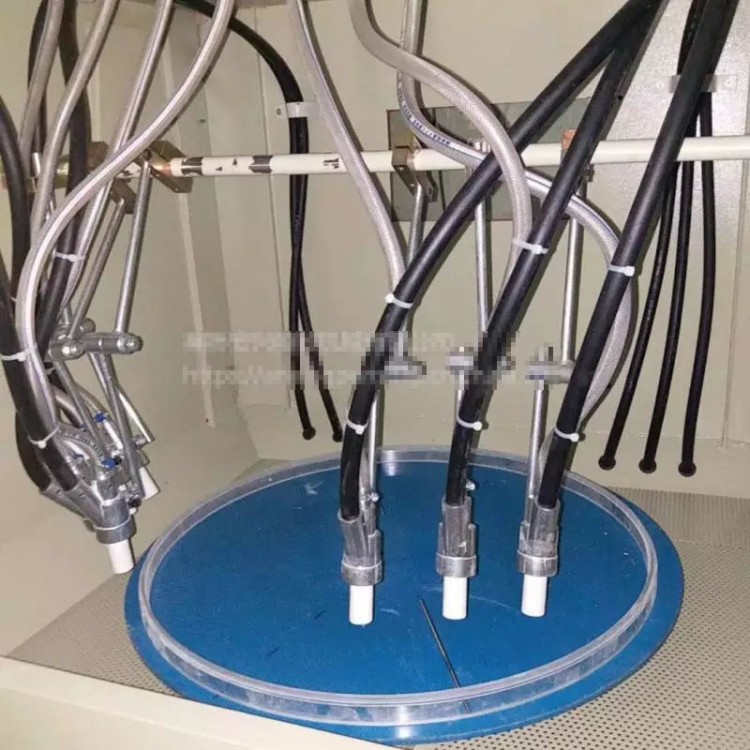
This shot blasting machine is equipped with 1 shot blaster. The machine is manufactured using CLEMCO American technology and features the following:
1. Equipped with an operation switch installed on the spray gun, it offers automatic control and the ability to control either the jet peening or jetting nozzle. This feature allows for the use of air to blow off surface dust after cleaning is complete.
2. High and stable jet force.
Suitable for long-term, high-pressure operations; provides even and high-quality cleaning. Excellent sealing performance, with no leakage during operation.
3. The unit is equipped with a CP-2 type temperature-regulating protective mask. The CP-2 type temperature-regulating protective mask consists of an air filter, a temperature regulator, a double-layer helmet, and a protective suit. Compressed air, free of moisture, oil, rust, other dust particles, and unpleasant odors (with an air filtration accuracy of 0.5um), is filtered through an air filter and then gently enters the double-layer helmet via a temperature regulator (with a temperature range of 10-45℃), providing the operator with a moderate temperature and comfortable fresh air. Coupled with the mask's wide field of view, this significantly improves the working environment for workers during abrasive blasting, protecting their health. The克林蒙克 abrasive valve used is safe and has a long service life.
3Spiral Conveyer
The screw conveyor is composed of a reducer, screw shaft, conveying hood, mounted bearing, etc. This component has been series-produced in our company, featuring high versatility, interchangeability, and reliability. The entire screw shaft is processed as a whole after welding to ensure concentricity at both ends. The screw conveyor transports the pellets collected from the bottom hopper to the bucket elevator. This component is a crucial part of the equipment's pellet circulation system. The screw blades are made of 6mm thick 16Mn material, with both the inner and outer circles processed and stretched using special technology, ensuring precise pitch and outer diameter dimensions. This improves the screw's lifespan and reduces operating noise.
4Bucket Elevator
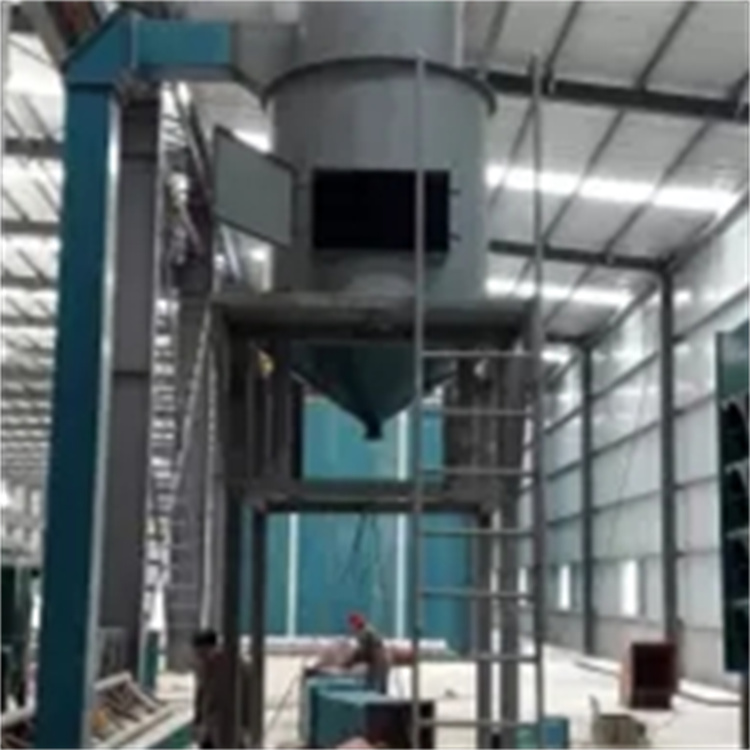
The screw conveyor is composed of a cycloidal pinwheel reducer, upper and lower drums, conveyor belt, buckets, enclosed hopper, and tensioning device, etc. The entire structure is a box-type sealed structure, preventing pellets and dust from escaping. The conveyor housing is made of bent forming and welding structure. There is a maintenance door on the housing for repairing and replacing the conveying buckets. By opening the door cover on the lower housing, you can repair the lower transmission and clear any pellet blockage at the bottom.
The machine utilizes a flat belt drive. During operation, the hopper fixed on the conveyor belt scoops up pellets from the bottom of the elevator, then, under the power of the elevator motor, transports the pellets to the top of the elevator. The pellets are discharged by centrifugal gravity into the pellet-separator. The elevator is equipped with a tensioning device. When the belt becomes loose, the tension can be adjusted by turning the adjustment bolts on the upper sides of the elevator. The bucket elevator features a simple-to-install seat-type bearing structure and incorporates a sealed and isolated design for the pellets to enter the bearing. Additionally, all bearings are designed with a 2-3mm isolation plate at the bottom, which prevents even a few pellets from leaking into the bearing, thus extending the bearing's lifespan. To prevent the conveyor belt from slipping during operation, the drum is made in a cage-type design, which enhances the friction between the elevator belt and the pulley, avoids the slipping issue of the old-style smooth belt pulley, and reduces the pretension of the elevator belt, extending its service life. The pellet bucket elevator is equipped with a reverse locking device to prevent damage in case of sudden power outages or other unexpected situations.
5Ball and sand separator
This separator has been developed by our company through the comprehensive integration of technology from the Swiss GEORGE FISCHER DISA (GIFA) company. It is currently our company's ***-style separator. One of the key components of this equipment, the design dimensions of its sorting area directly affect the separator's separation performance. Poor separation can accelerate the wear of the shot blast machine blades, reduce their service life, and increase maintenance requirements.
Separator Working Principle: The ball sand mixture flowing from the bucket elevator is conveyed to the upper part of the separator by the feeding screw, and evenly distributed along the entire length of the separator by the cloth feeding screw, forming a ball sand curtain resembling a waterfall. At the same time, the dedusting fan draws air through the separator's air outlet, utilizing gravity air separation to effectively separate bullets, metal oxide scale fragments, broken bullets, and dust from the curtain. The material is circulated in the storage bin. Adjusting the gap between the vertical and horizontal regulating plates of the separator can improve the height and trajectory of the distribution layer, and by coordinating the adjustment of the regulating plates in the separation area, a good separation effect can be achieved, with a separation efficiency as high as 99.5%.
The air classification system is composed of a primary撇滤板, a secondary撇滤 board, an intake, a housing, a sieve, an abrasion-resistant plate, a ball storage bin, and a flow control valve. It ensures a uniform curtain of projectiles by a dense arrangement of variable pitch screws and sand holes. The system includes a gravity-type sand separator, a guide plate, a primary撇滤 board, a secondary撇滤 board, an intake, a housing, a sieve, an abrasion-resistant plate, a ball storage bin, and a flow control valve. It separates the uniform curtain, which is then cleaned through the air flow, sieve, and破碎弹丸 screening mechanism formed by the primary撇滤 board, secondary撇滤 board, intake, housing, and sieve in the sorting area. The dust from the projectiles and the broken projectiles are removed through a filtration velocity of 4-5 meters.
6Bullet Distribution System
The air-controlled ball valve is used to adjust the bolts on the ball controller to achieve the desired shot blasting quantity. It is recommended to use Φ0.8~Φ1.2 cast steel balls with hardness HRC40~45. The economic indicators such as ball lifespan and consumption costs are listed in the table below along with a simple analysis.
7Conveyor Trolley
Composed of a steel frame structure and walking structure, the flatbed surface is protected by ZGMn13 and 65Mn protective plates, and features a ball return structure to minimize the accumulation of projectiles on the surface.
8Lighting System
The lighting system utilizes multiple metal halide lamps evenly distributed around the room perimeter. Each lighting fixture is controlled by a button to adjust brightness, achieving up to 1-2 times the standard luminosity. Protection is provided for the lighting fixtures, ensuring indoor illumination exceeds 75 LUX.
9. Dust removal system
****** Dust Removal Structure:
We utilize a three-stage dust removal system for efficiency.
First-stage dust removal is achieved through a bullet sedimentation chamber designed at the top of the equipment. This sedimentation chamber is an inertial sedimentation chamber that adheres to aerodynamic principles, effectively sedimenting bullets without causing pressure loss. Additionally, we have designed a one-way valve at the bottom of the sedimentation chamber to prevent the formation of gas conveyance, ensuring efficient bullet sedimentation. The purpose of this stage of dust removal is to address the issue of sand accumulation in pipelines. The second-stage dust removal is an inertial dust removal. The objective of this stage is to sediment larger particles and extend the lifespan of the filter material (since high-speed-running dust particles are the primary factor affecting the lifespan of dust removal filter materials).
Level 3 dust removal is a time-tested and cost-effective filter cylinder dust collector or bag dust collector. The filter cylinder dust collector features a Venturi principle-based nozzle pulse cleaning system, offering advantages such as low filtration air speed, high filtration accuracy, and excellent cleaning effect. Bag dust collectors can be cleaned in various forms, including mechanical impact, compressed air reverse jet, or high-pressure fan reverse jet.
Dust Collector Selection:
Dust removal system
A. Briefly describe
The HR series sedimentary filter cartridge dust collector is a dust collector designed and manufactured by our company with the absorption of foreign technology, featuring the following advantages:
Space utilization
Filter elements: Donaldson filter cartridges are arranged in a folded form to lay out the filter media, with a filter area to volume ratio 30-40 times that of traditional filter bags, reaching 300 m²/m³. Using filter cartridges allows for a more compact dust collector structure, significantly reducing the land area and space required for the dust collector.
Good energy-saving performance, long service life of filter material
Baghouse dust collectors can achieve a large filtration area in a small volume due to their dense filter material arrangement, thereby reducing filtration speed, minimizing system resistance, lowering operating costs, and conserving energy. The lower filtration speed also reduces the destructive impact of the air flow on the filter material, extending the lifespan of the bags.
Convenient to use, with minimal maintenance effort
Integrally mounted filter cartridges offer superior fixation compared to traditional soft filter bags, making them easier to transport, install, and maintain. They can be conveniently assembled and disassembled by a single person, reducing maintenance workload.
Good filter element regeneration performance
Pulse, vibration, or countercurrent air cleaning can easily regenerate the filter bags, with excellent dust removal efficiency. The filter bag dust removal technology is a replacement for traditional bag dust removal and represents the filter technology of the 21st century.
The dust emission concentration in the on-site working environment meets national environmental protection standards.
B. Working Principle
Standard Operation
Under normal operation, the dusty air enters the HSQ dust collector through the top inlet, then flows downward and is dispersed through the guide plate before passing through the filter core. The dust is trapped on the outer surface of the filter core. The filtered clean air enters the clean air chamber through the center of the filter core and is discharged through the outlet pipe.
Filter element cleaning
The filter cores can be automatically and intermittently cleaned by dusting, with the method being that only one set (2 cores) is offline cleaned at any given time. During the cleaning process, the pulse controller energizes one electromagnetic pulse valve, causing the corresponding diaphragm valve to emit a pulse of high-pressure air. The high-pressure air then passes through the filter cores from the inside out, removing the dust particles adhering to the outer surface of the cores, which then fall into the dust pan and are subsequently transferred to the ash collection bin.
The compressed air pressure is adjusted to 6 kg/cm², with a standard setting range of 6-7 kg/cm² to meet the dust removal function requirements. The lower the set pressure of the compressed air, the less air consumption by the pulse valve. The pulse jet controller is typically adjustable to clean a column of filter cores every two minutes, i.e., activating one pulse valve every two minutes. To increase the dust removal energy, the pressure of the compressed air can be raised, but it should not exceed 7 kg/cm².
C. Structural Overview
The 1 QDS36LT66*2 filter cartridge dust collector configured for this machine is responsible for large part shot blasting dust removal, equipped with HSQ18LT66*2 for small part shot peening cleaning and dust removal. The air intake can be set on the side as shown, or on the top, and the exhaust outlet can be set at the bottom of the clean air chamber as shown, or on the side or top of the clean air chamber.
Our equipment is typically designed to handle air volume of 700 cubic meters per hour per Donaldson filter element. However, for processing ultra-fine dust or when the dust inlet concentration is high, it is advisable to increase the number of filter elements. In necessary cases, a secondary dust removal system should be set up to allow for the preliminary sedimentation of larger dust particles. The filter material has a rigid structure, water-repellent properties, and each element has a filtering area of 23.5 square meters.
Our company uses imported Donaldson air filters, which feature small pore size, high air volume, smooth surface, excellent waterproof and oil-resistant properties, low resistance, and large filtering area. These filters are produced using an international advanced folding and curing process. The end caps and protective grids are made of thick electroplate with excellent rust and corrosion resistance, and the sealing rings are made of low hardness material.
10.Electrical Control
This system achieves centralized control of the QDS2610 shot blasting cleaning chamber. At its core is a programmable logic controller (PLC), utilizing electrical components that offer reliable operation, high level of automation, and numerous protection features.