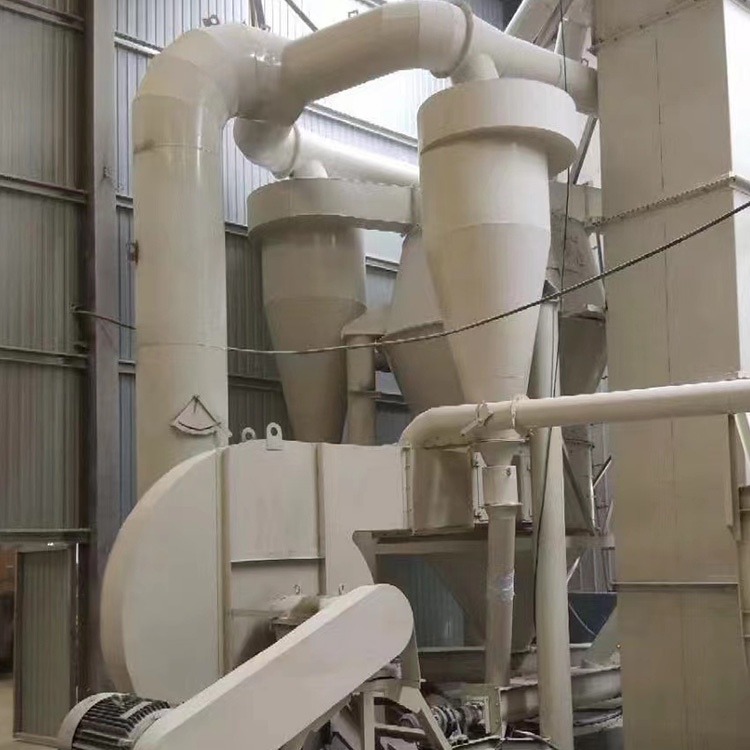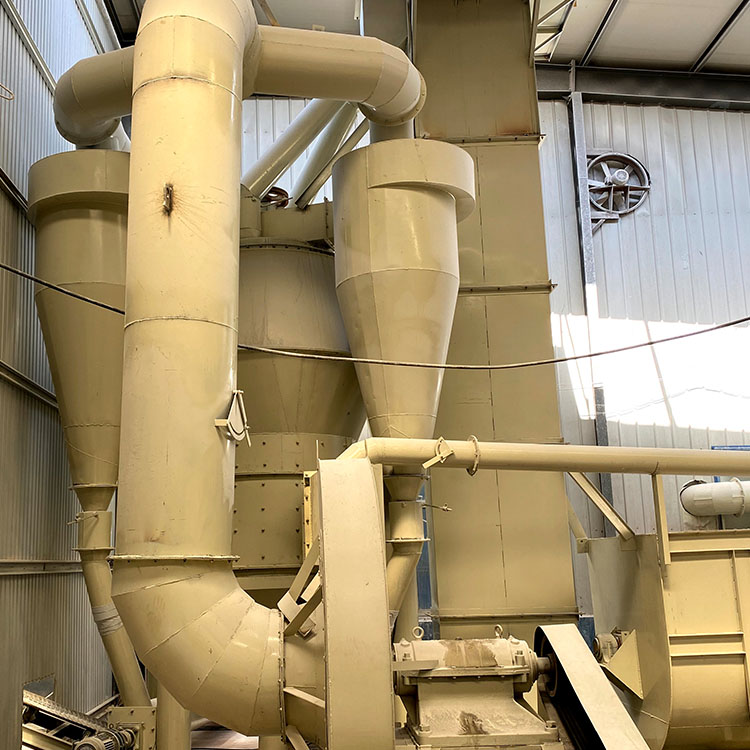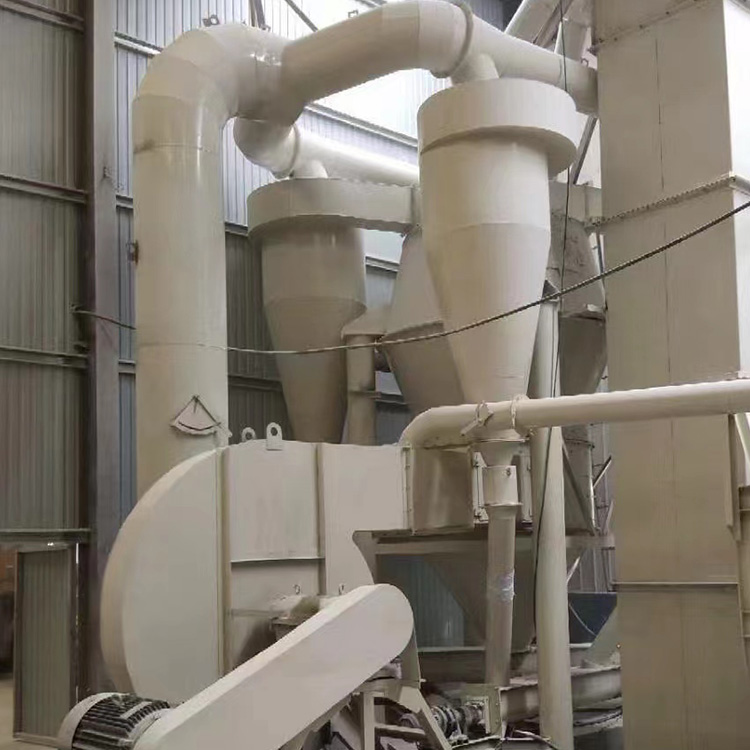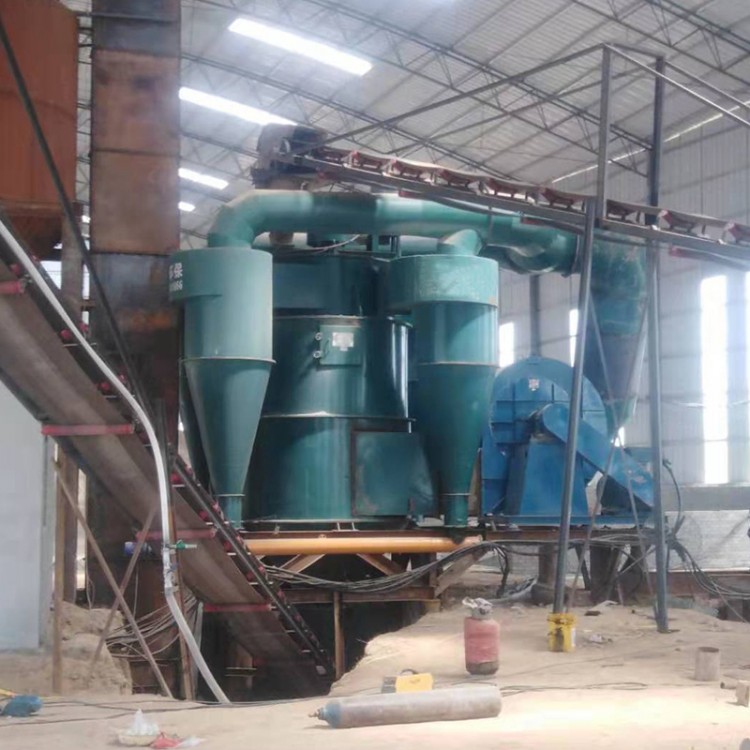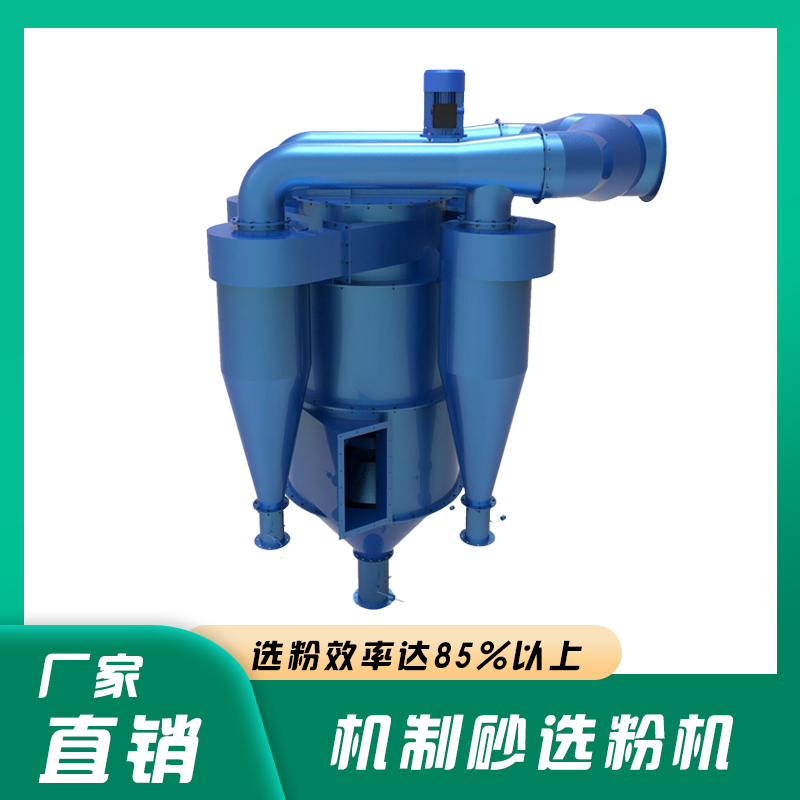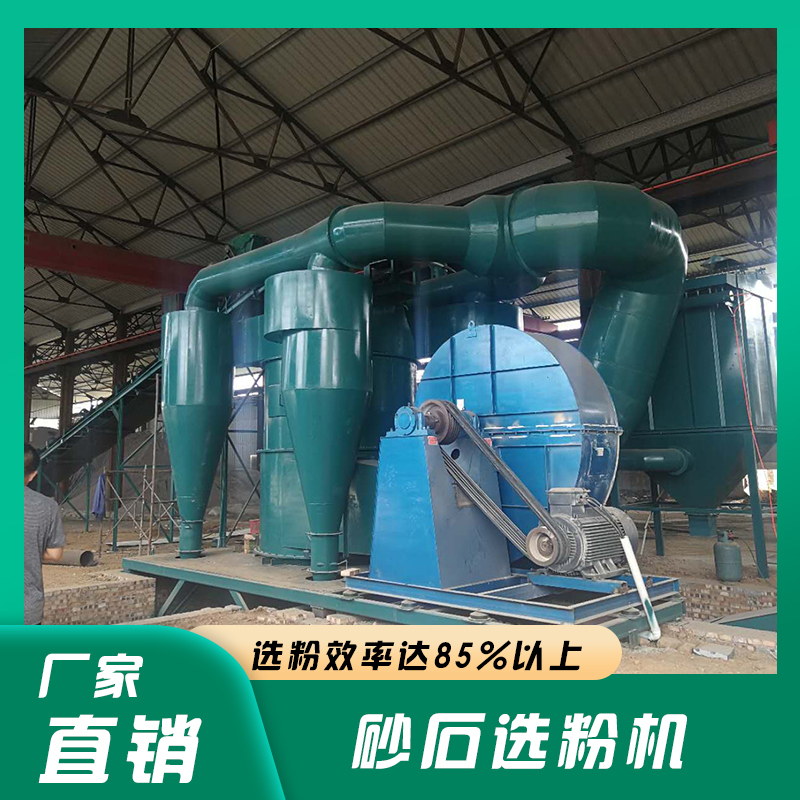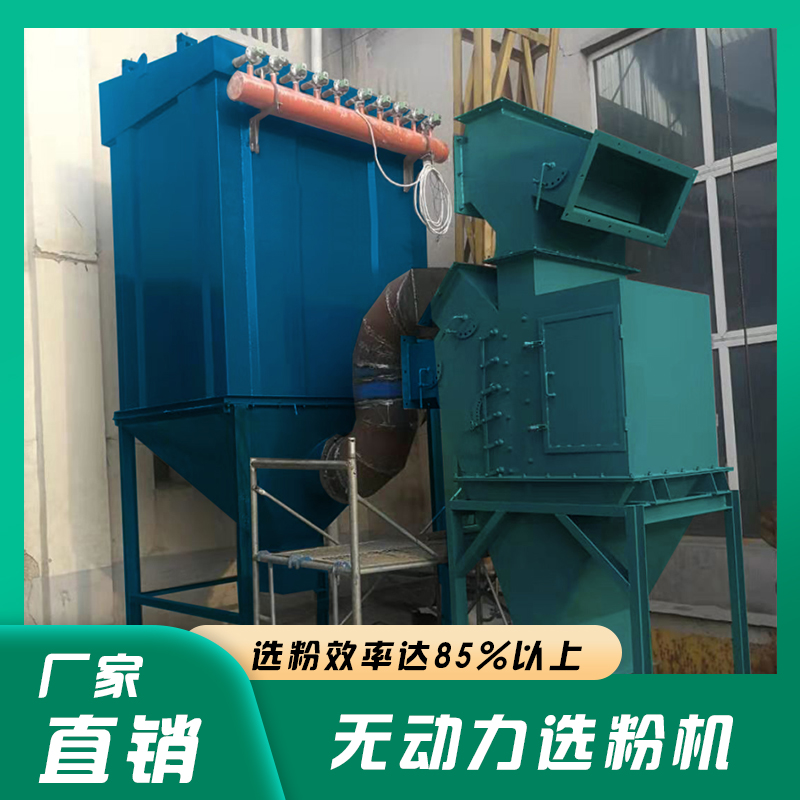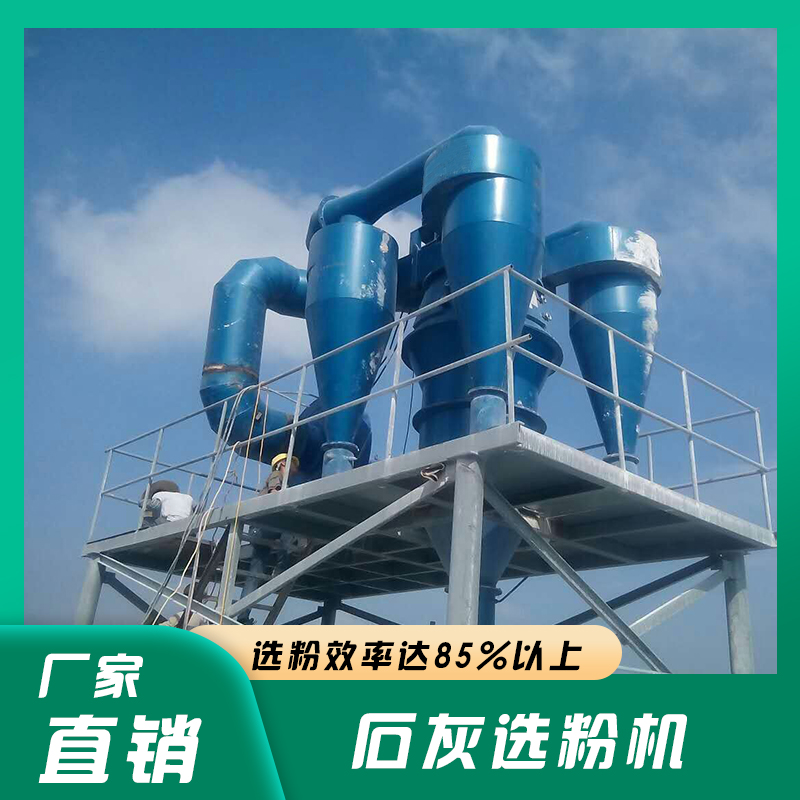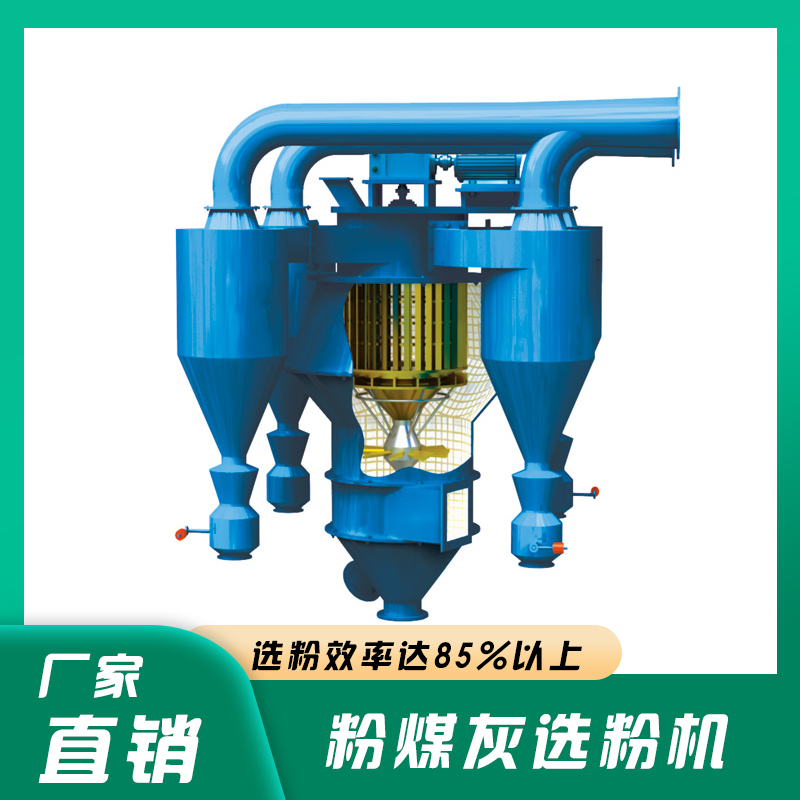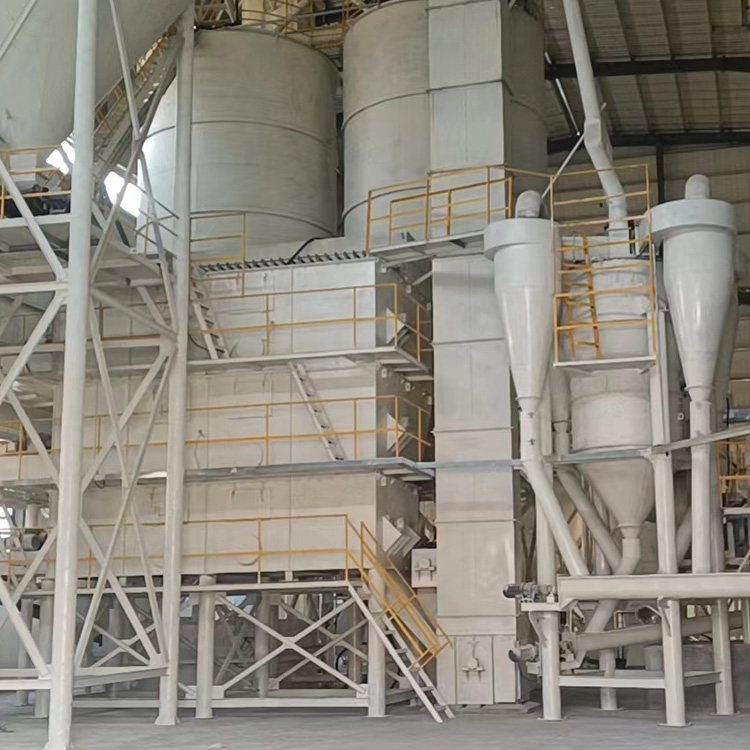

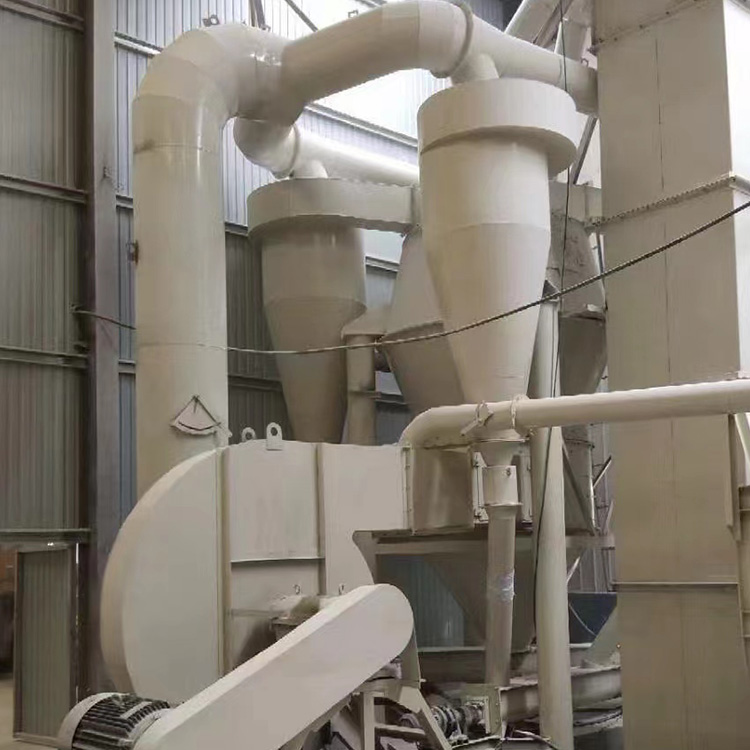

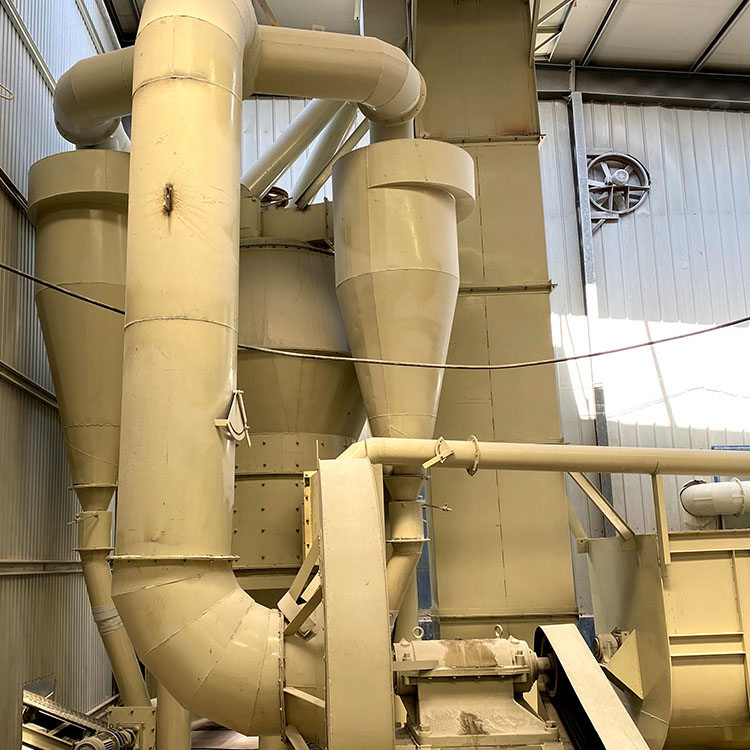


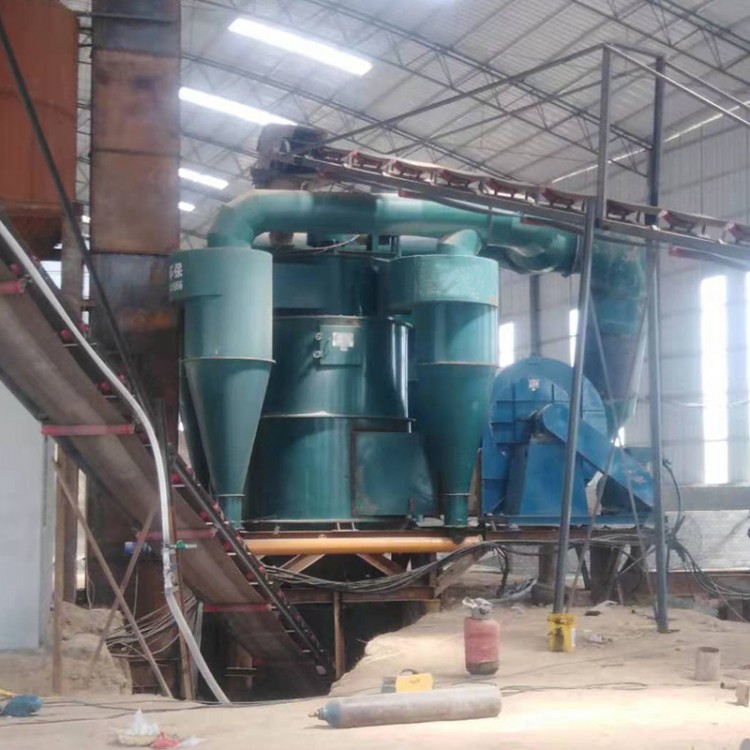
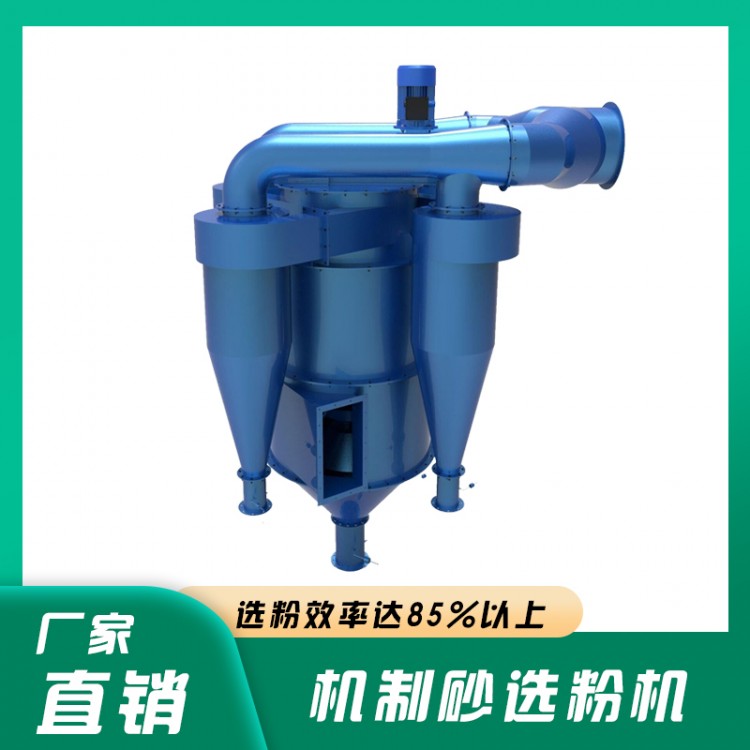
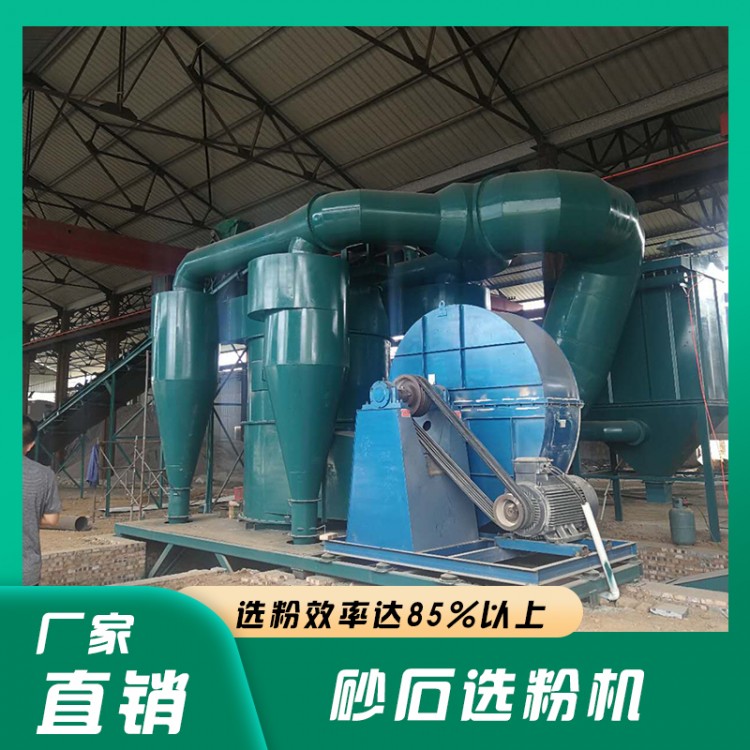
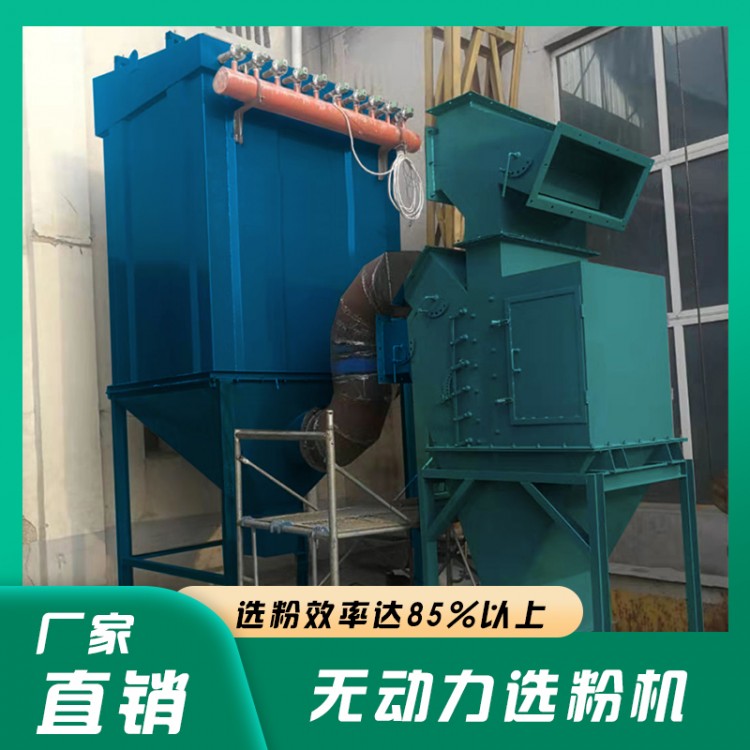





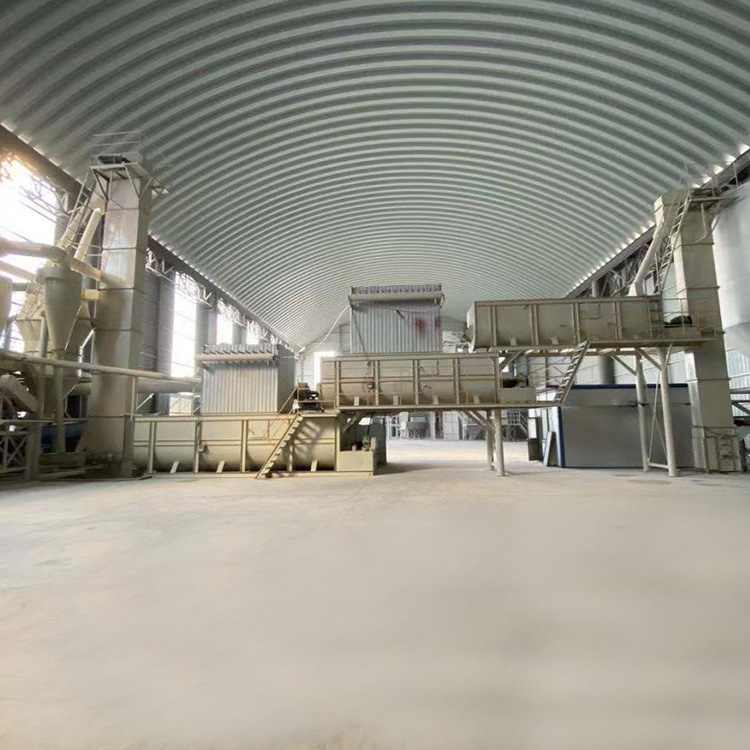
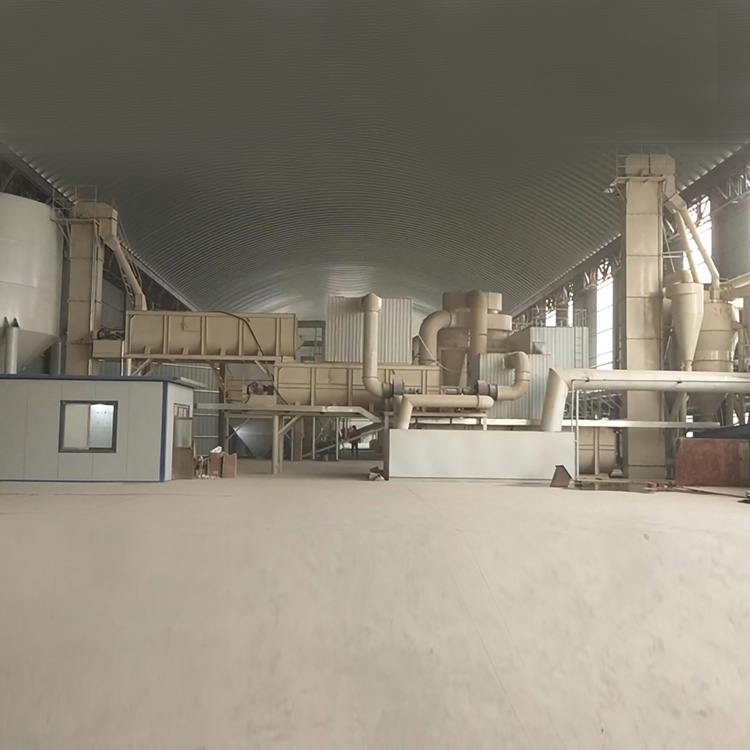
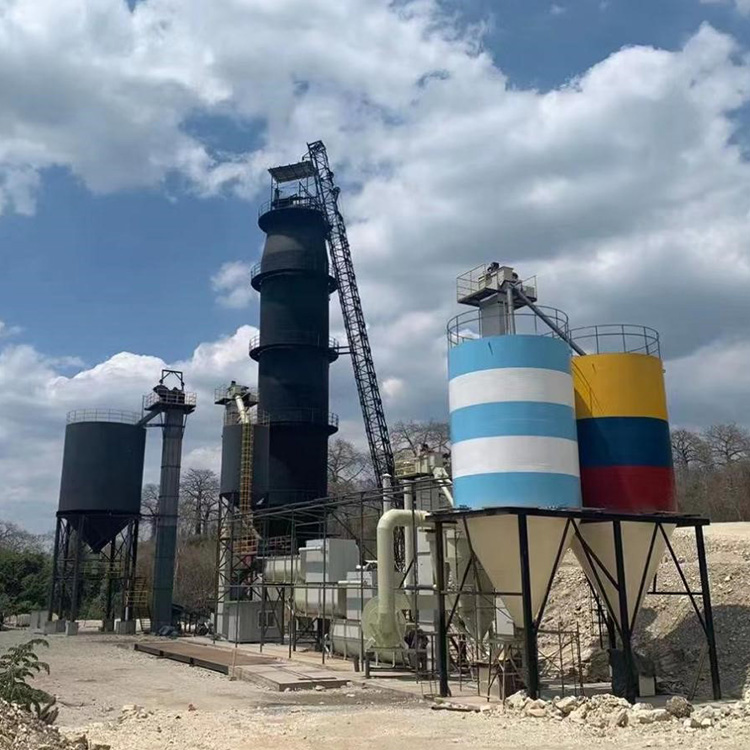

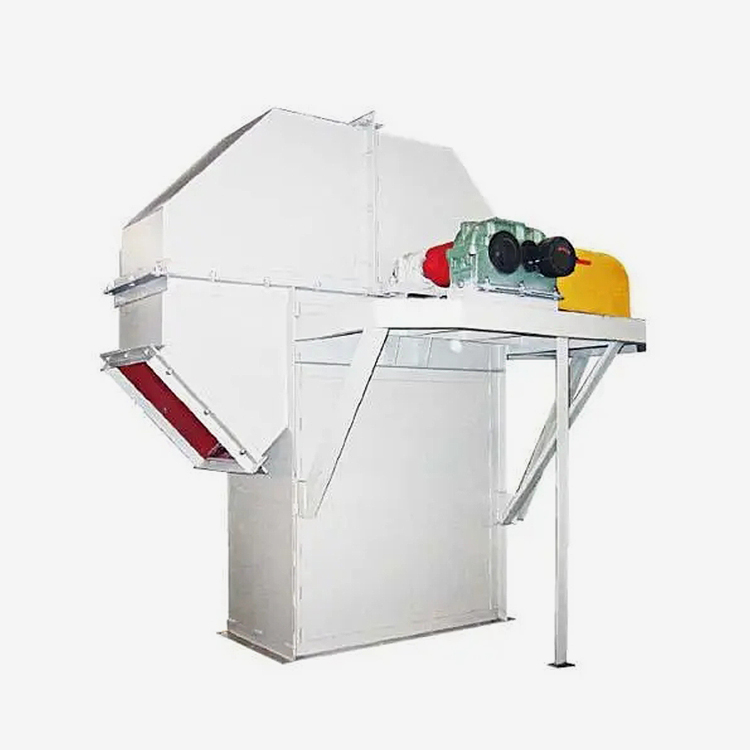

The sifter is independently developed by our company based on the characteristics of calcium hydroxide. After years of continuous updates and generations, it has now reached the advanced level domestically. The four-phenol ion sifter developed by our company features high yield, low energy consumption, excellent product quality, and clean slag discharge.
Principle of Operation: This classifier has the capability to perform _ times of classifying. In operation, the motor uses a variable frequency drive to power the vertical drive shaft through a transmission device. Material enters the classifier chamber via the feed opening at the top of the classifier. It is then evenly scattered outward under the force of inertia centrifugal force by the spreading disk mounted on top of the classifier, passing through a vacuum to enter a low-resistance cyclone separator for the first stage of classification. The finely classified calcium hydroxide meets the required fineness is directed into a spiral sedimentation bin to complete the first classification. Clean calcium hydroxide is then evenly distributed through the lower spreading disk at the middle and lower section of the classifier. Under the influence of the high-speed air flow from an external fan entering the classifier through the inlet, coarse and heavy particles in the material are thrown to the inner wall of the classifier due to inertia. After collision, they lose kinetic energy and slide down the wall to fall into the coarse powder collection cone. The heavier particles are carried upwards by the swirling air flow and, upon collision with the large blades, some of the coarse powder particles are thrown to the inner wall of the classifier, lose kinetic energy, slide down the wall, and fall into the coarse powder collection cone. The fine powder that meets the requirements passes through the regulating guide vanes and enters the internal cyclone separator for the second stage of classification. The calcium hydroxide that has been fully classified is subjected to a second classification within the classifier to achieve a cleaner discharge. High-wear-resistant manganese steel lining plates are installed in the air duct and the lower spreading chamber to alter the air flow direction, prevent short-circuiting, improve classification efficiency, and significantly extend the service life of the classifier. The fineness of the classification can be adjusted between 200 and 400 mesh to meet customer satisfaction.