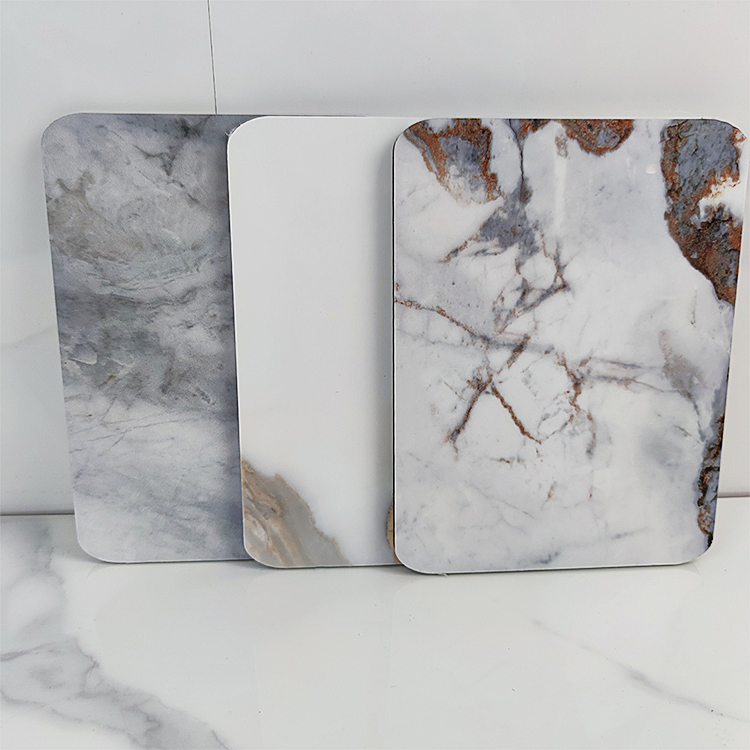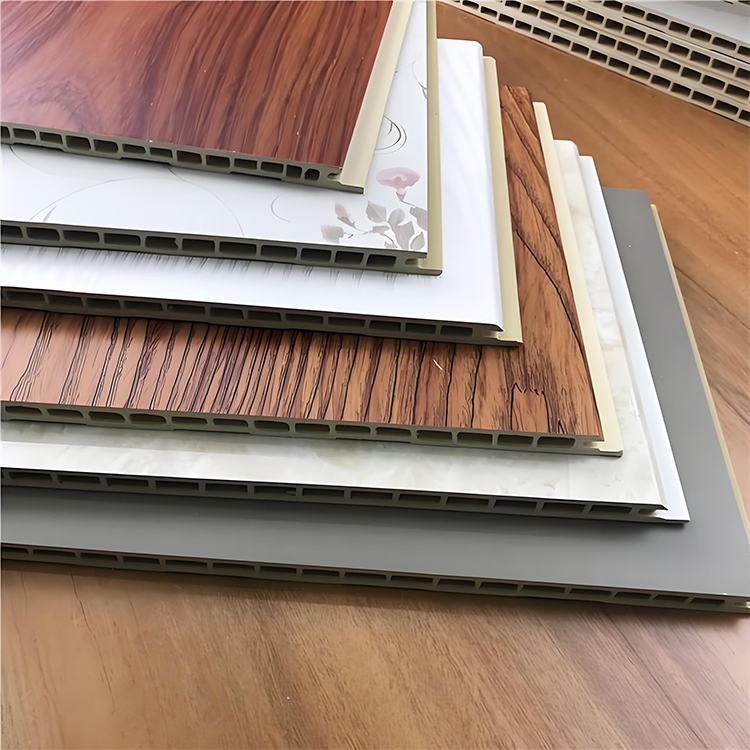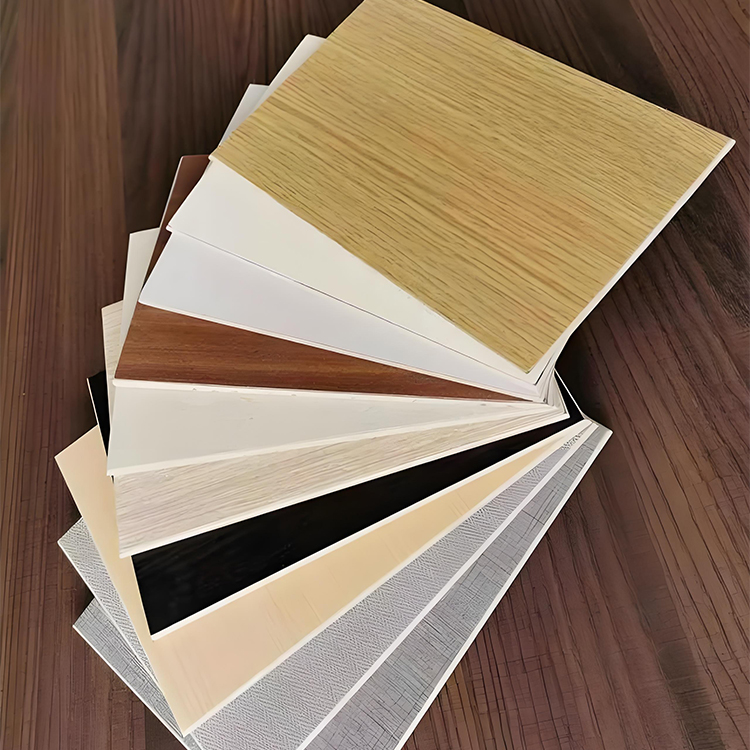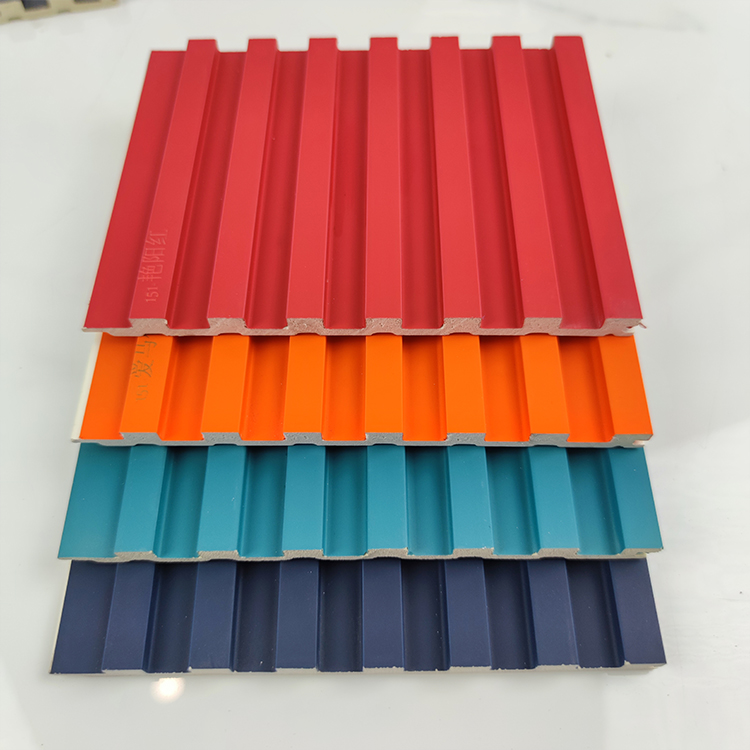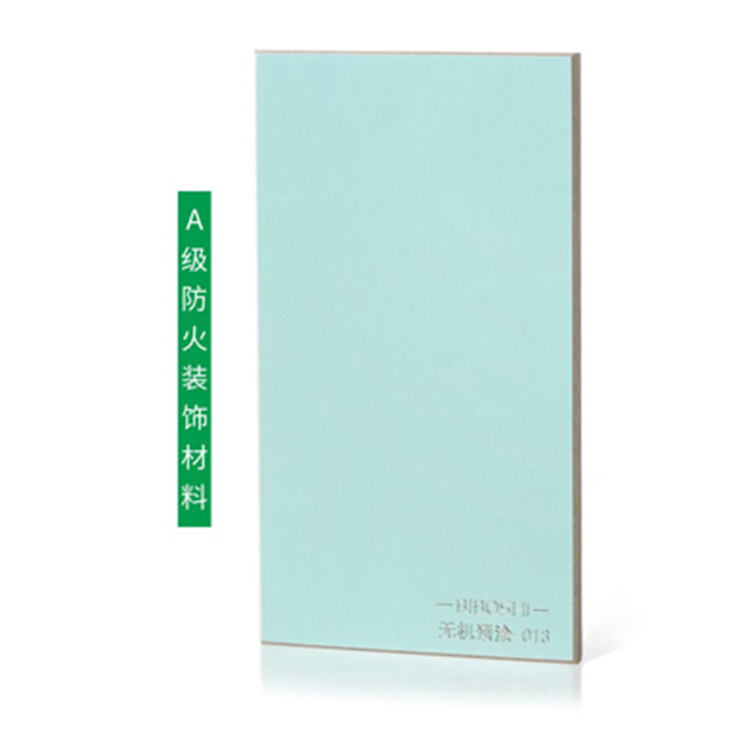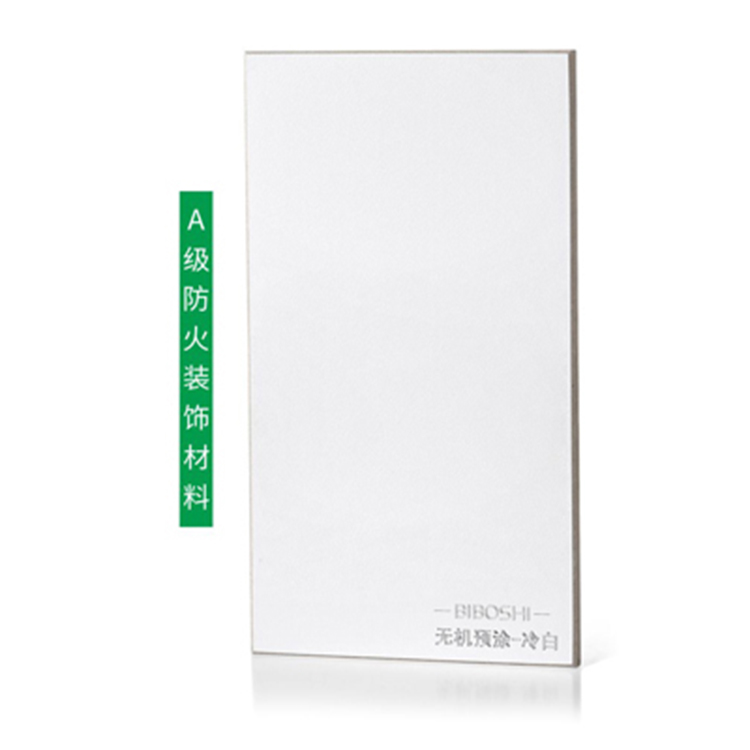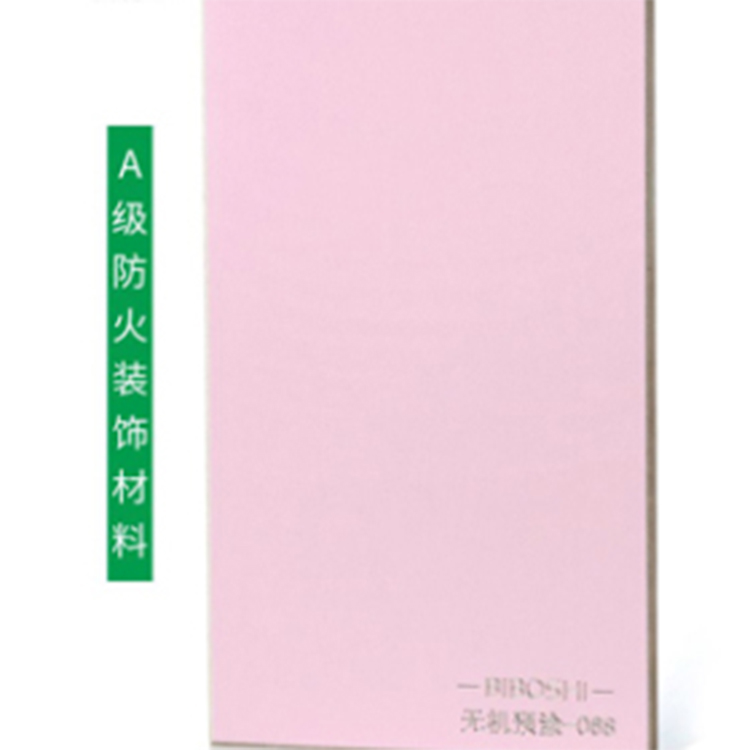


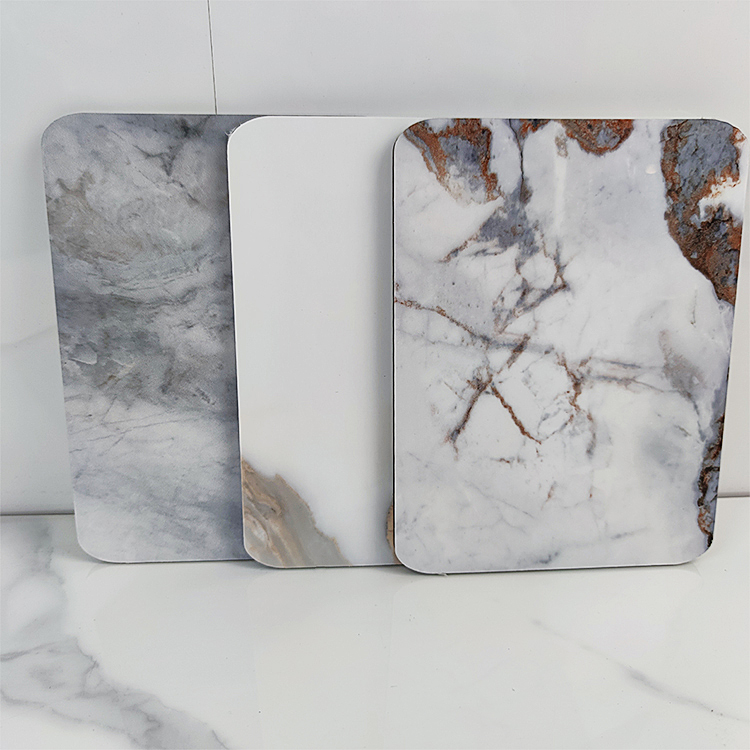
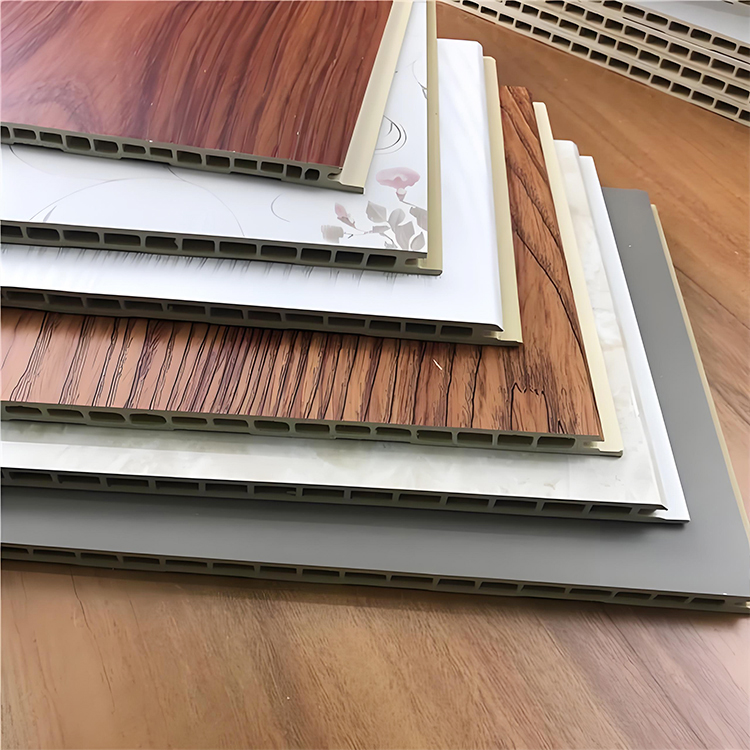
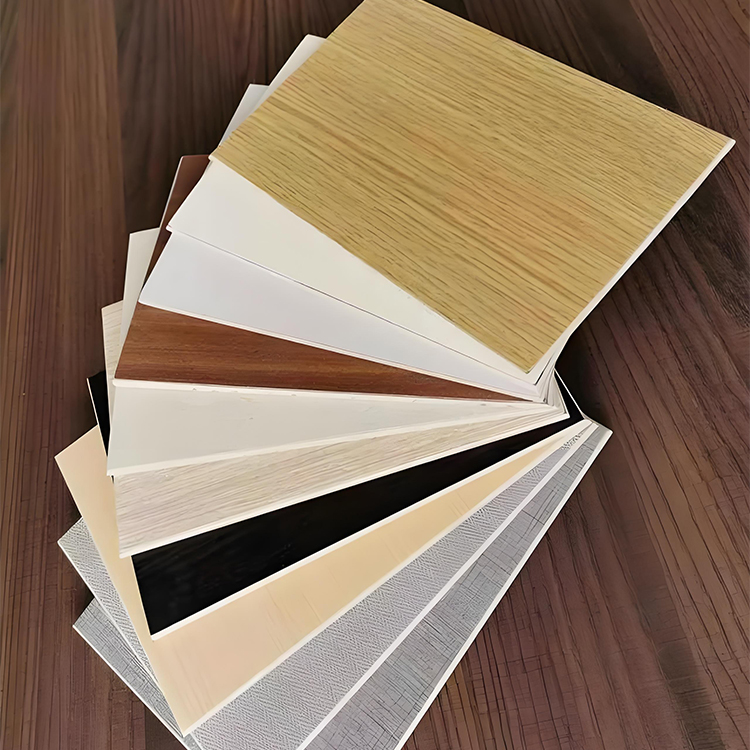
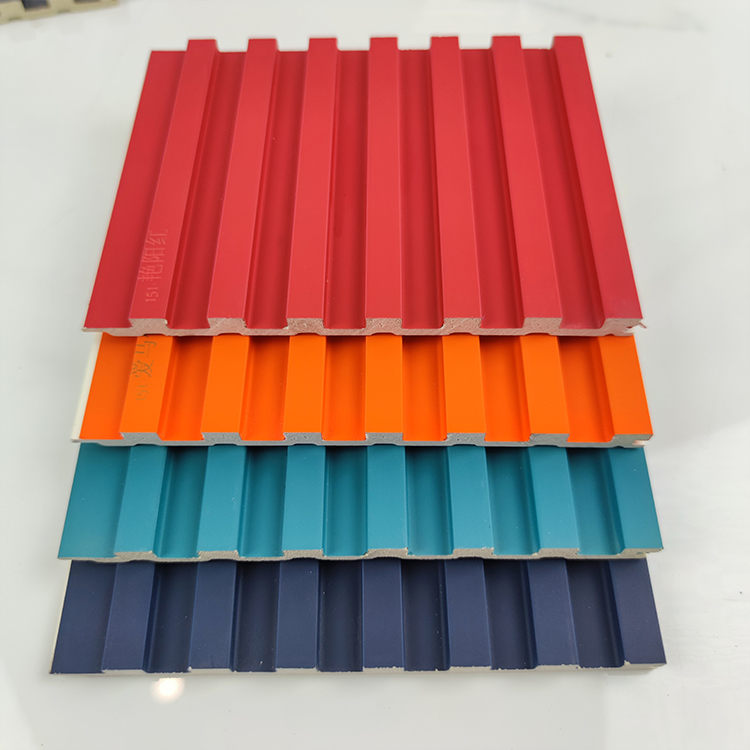





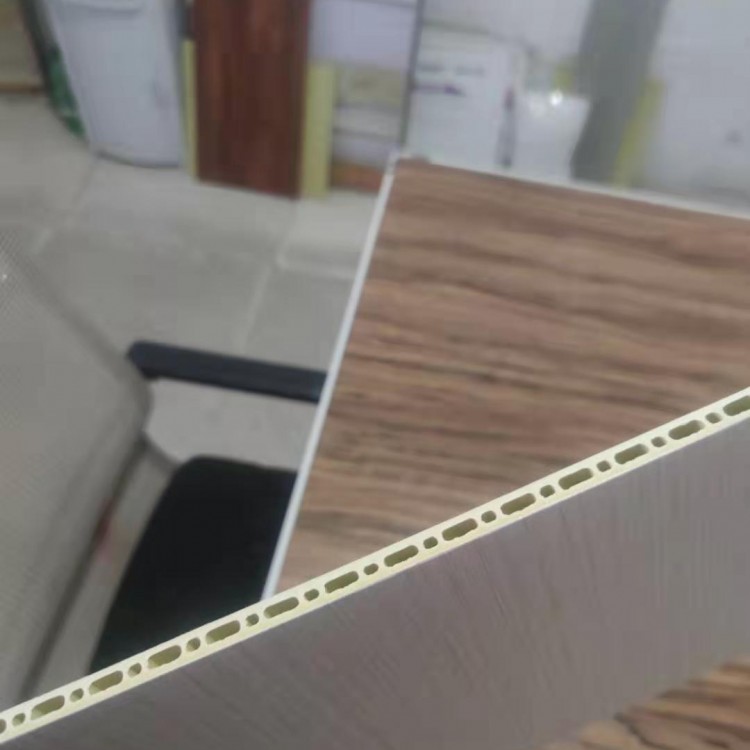
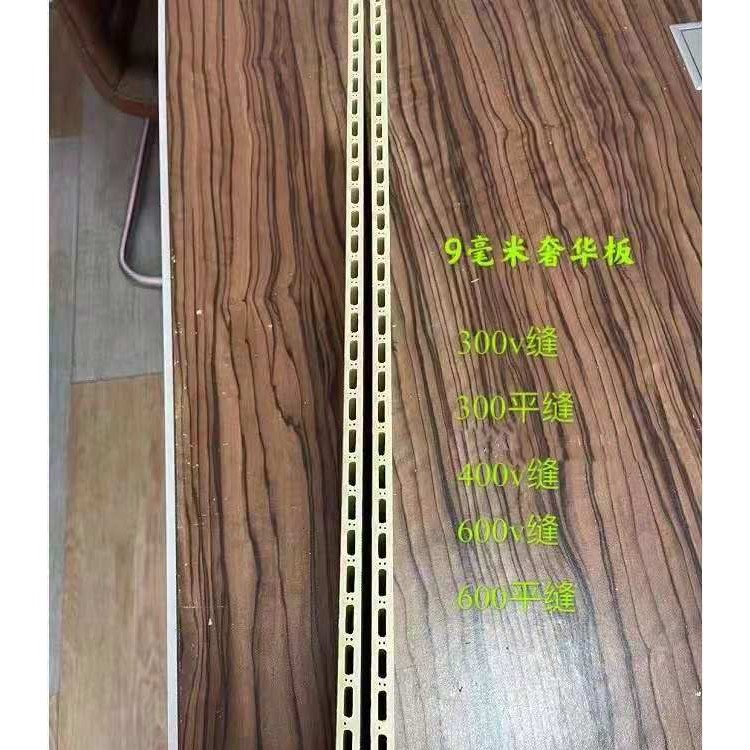
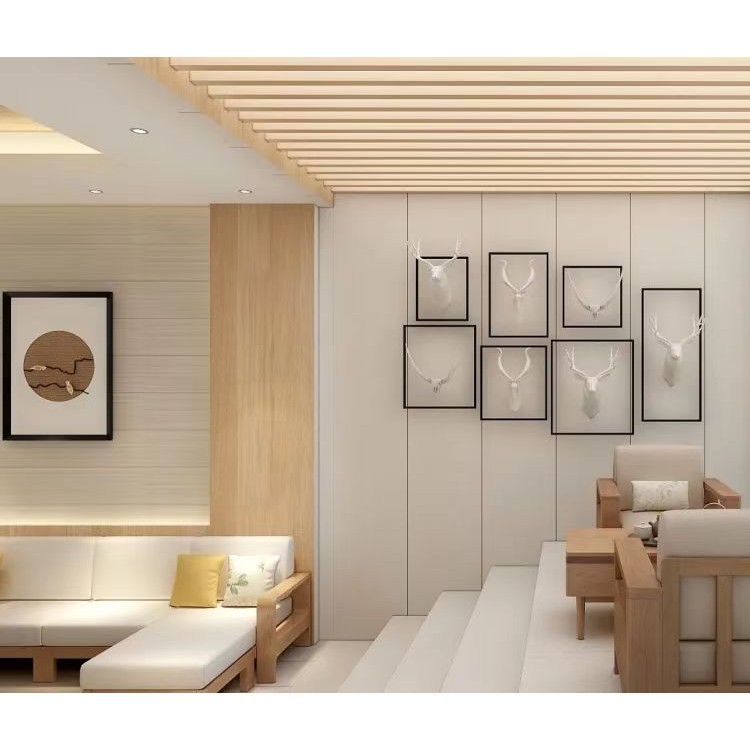
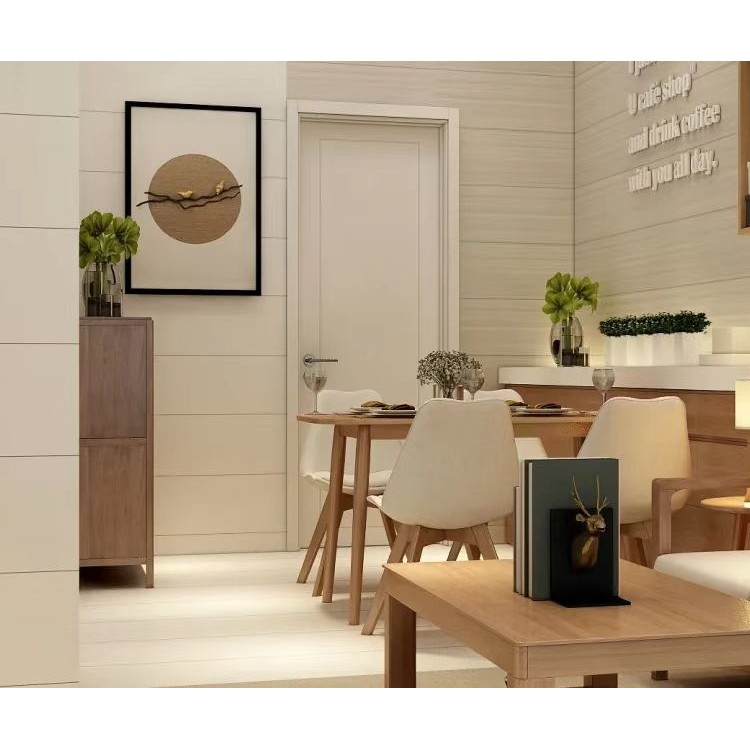
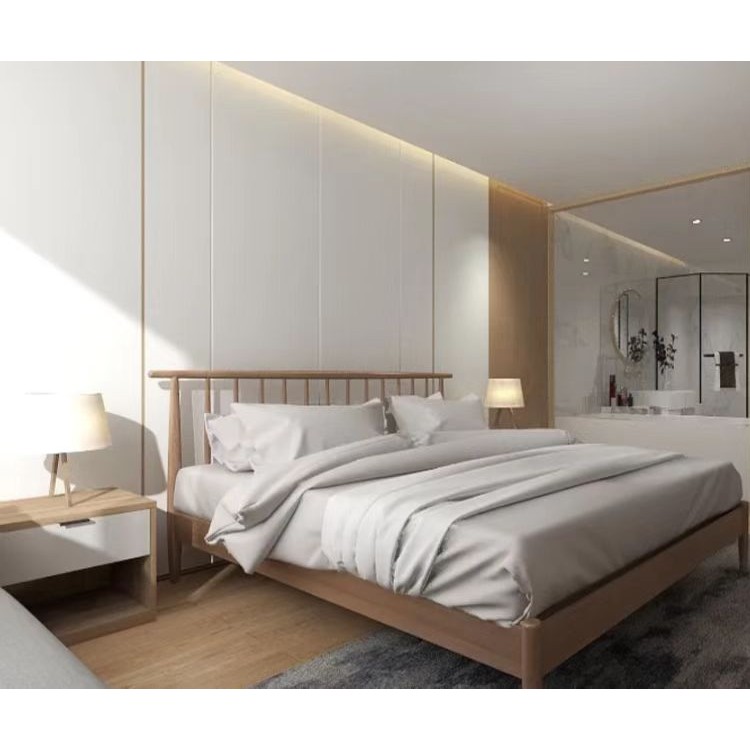
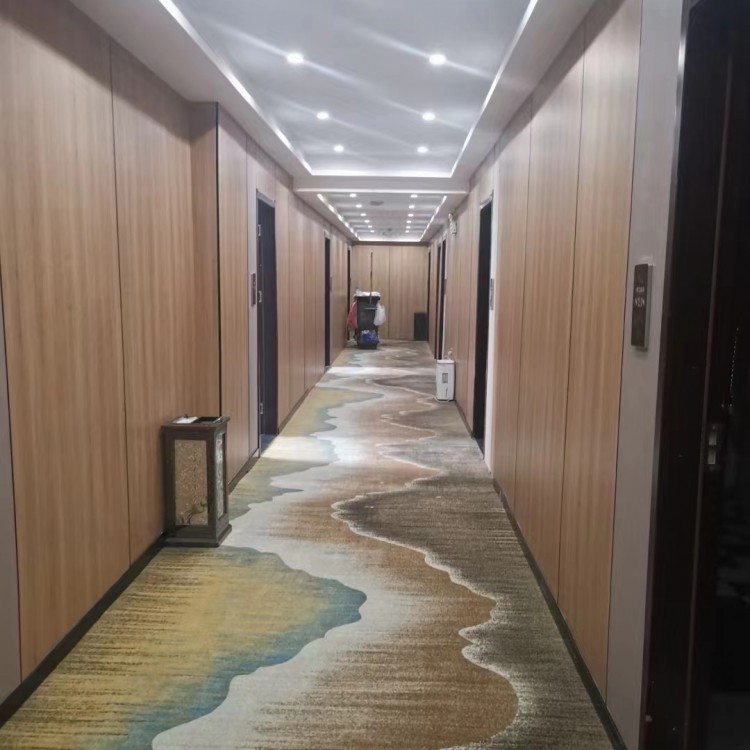
Molding boards offer numerous advantages, including lightweight, fire-resistant, termite-proof, easy installation, cost-effective, and a distinct decorative effect, as well as easy maintenance, making them a viable alternative to wooden baseboards, wallpaper, and tiles for interior decoration.


Wood veneers and wall panels offer time and labor-saving installation, convenience, quick assembly, good interchangeability, can be disassembled and reassembled multiple times, are lightweight, termite-proof, fire-resistant, have a long service life, and are easy to use and maintain.
Summary: Wall wooden panels have become a popular choice for decoration. The base material of wall wooden paneling is wood, which has been processed and coated with a layer of solid wood veneer, creating an aesthetically pleasing textured effect. The wooden paneling can be shaped into various designs, including concave-convex, carved patterns, archways, and Roman columns, giving the wall a more three-dimensional appearance.
It reduces noise and improves quality. It effectively cushions the impact of deep bass and absorbs the sharp waves of poor sound quality from the material itself, thereby creating a three-level noise reduction function in the space.

Wood can regulate moisture in the air. When the vapor pressure of water vapor in the air is greater than that of the wood, the wood absorbs moisture from the air, which is known as hygroscopic. Conversely, it is desorption. Wood adjusts the air moisture through its own respiration. It effectively relieves physical fatigue.
Wood veneers are widely used in many homes today, featuring their natural and delicate wood grain texture. By cleverly utilizing wood veneer materials, every inch of space is maximized, resulting in a highly unified interior decor style and exuding an aura of elegance. Sichuan Ya'an Bamboo and Wood Fiber Integrated Wall Panels.