







Deyang Integrated Wall Panel: Appearance and Performance
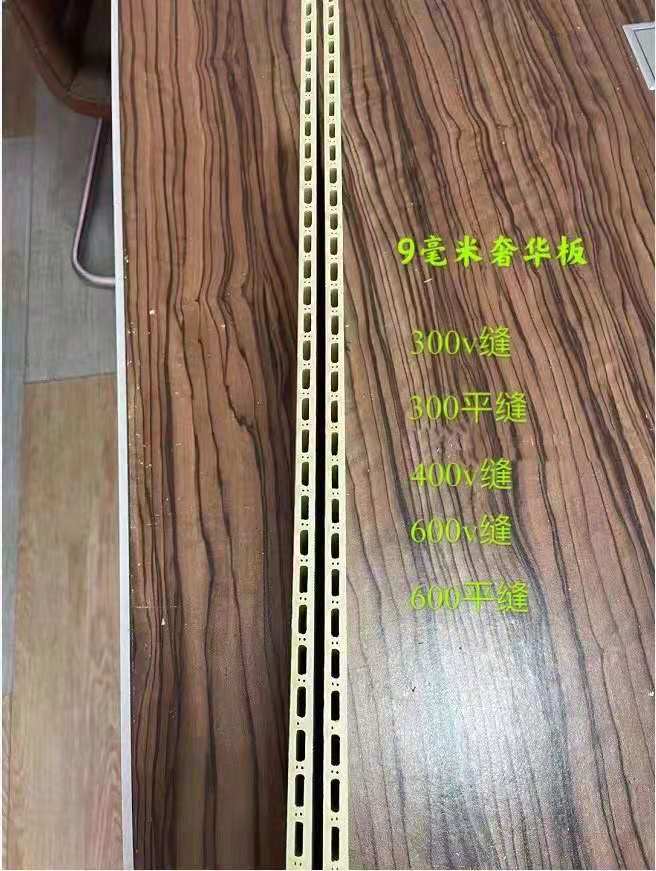
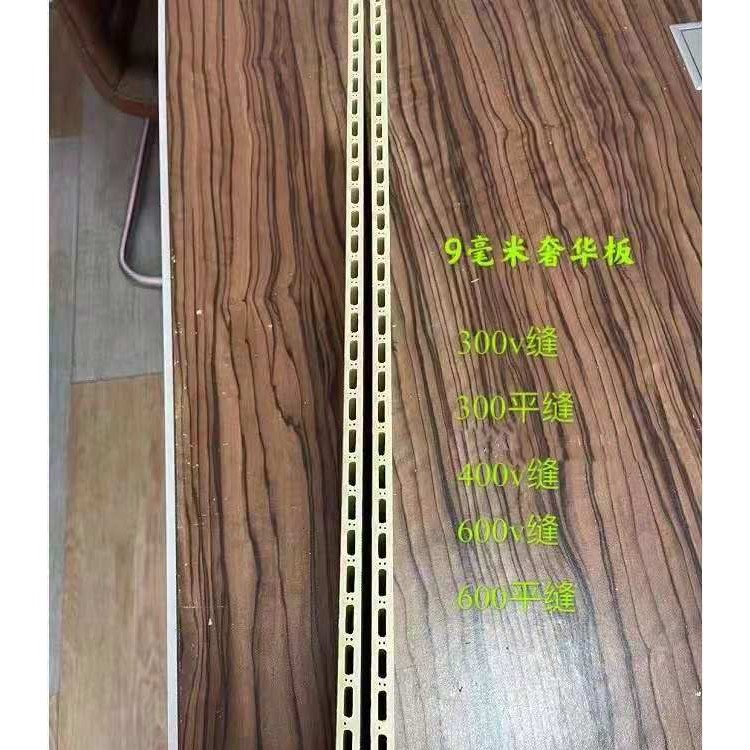
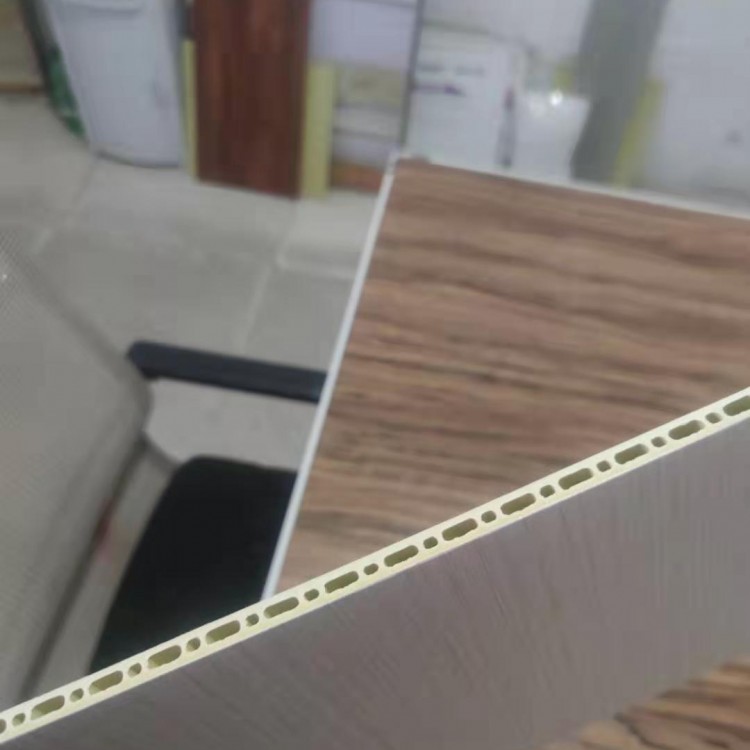
1. Color Distinction: Free from impurities, the solid board features a light yellow hue, free from spots of red, black, blue, and other mixed colors. The surface is smooth with a distinct shine. Poor-quality versions, however, appear grayish-black, with some having alternating black, red, and white, and the boards are rough.
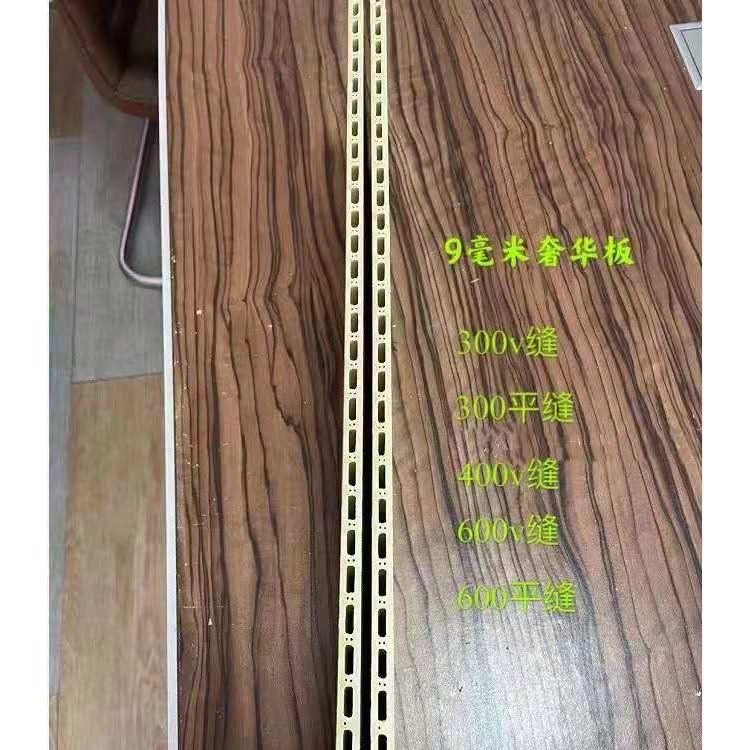
2. High-quality bamboo and wood fiber integrated wall panels can be fixed with clips or directly nailed, with tight seams and deeper grooves; whereas, low-quality ones cannot be nailed and have shallow clips.
3. Flexibility: Genuine bamboo wood fiber composite wall panels offer both strength and flexibility, making them durable over time. In contrast, inferior products, which emphasize strength over flexibility, often contain limestone instead of bamboo and wood powder. Flexibility is primarily evident in the fibers from bamboo and wood powder, as the addition of limestone may enhance strength but makes the product more brittle.
In terms of color, new material: the entire board surface is milky white with a certain luster, typically lasting over 10 years; mixed with recycled material: the color ranges from milky white to coffee brown depending on the proportion of recycled material, with more addition resulting in a deeper color. In some cases, to conceal the use of recycled material, dye is added, which also results in a coffee brown color, and usually has a lifespan of less than 5 years. All recycled material: usually deep coffee brown or green, quality issues may arise within 3 months. Many people believe bamboo fiber should naturally be wood or bamboo colored, but that's simply not true. If new material is used, there's no need to add dye, making it difficult for consumers to discern product quality. Such products and practices are merely a subterfuge for inferior goods.