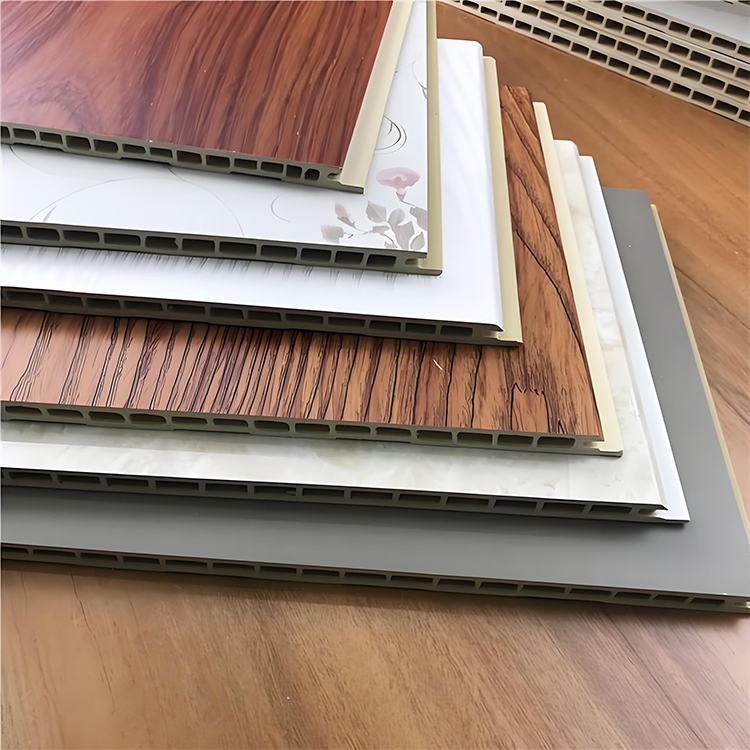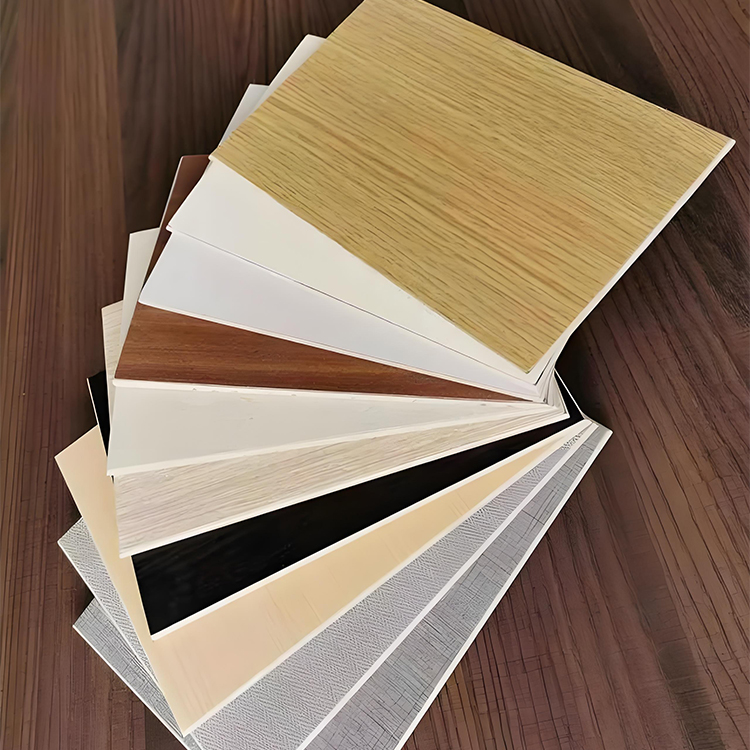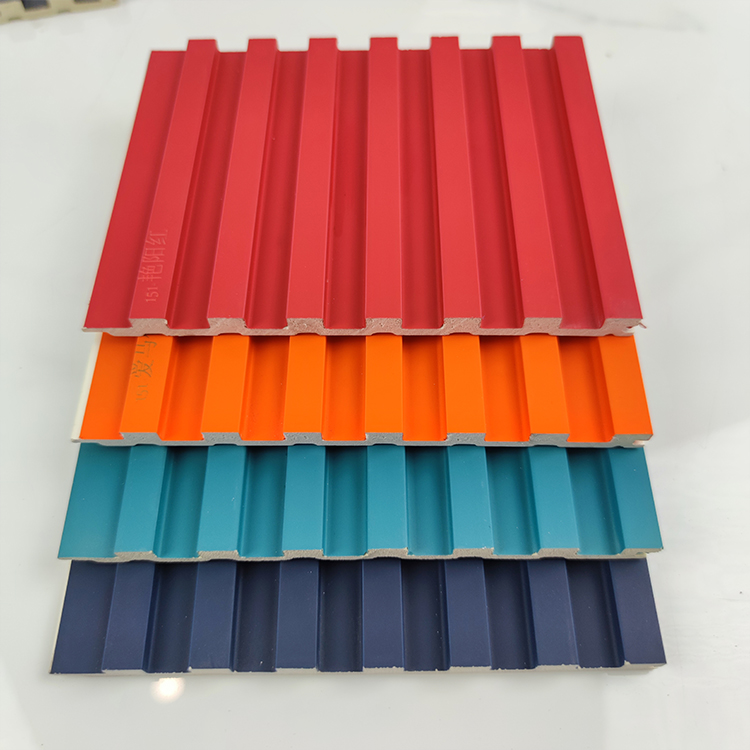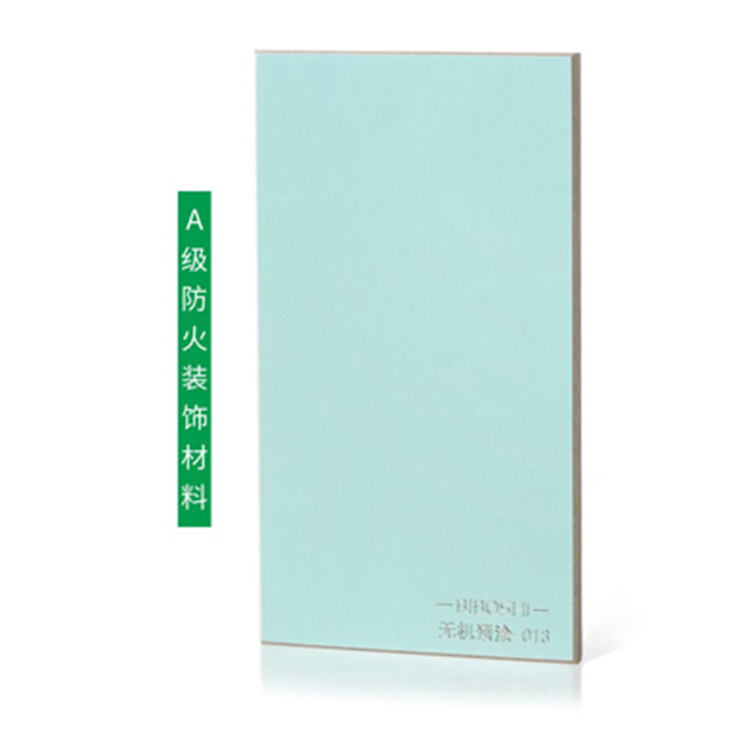



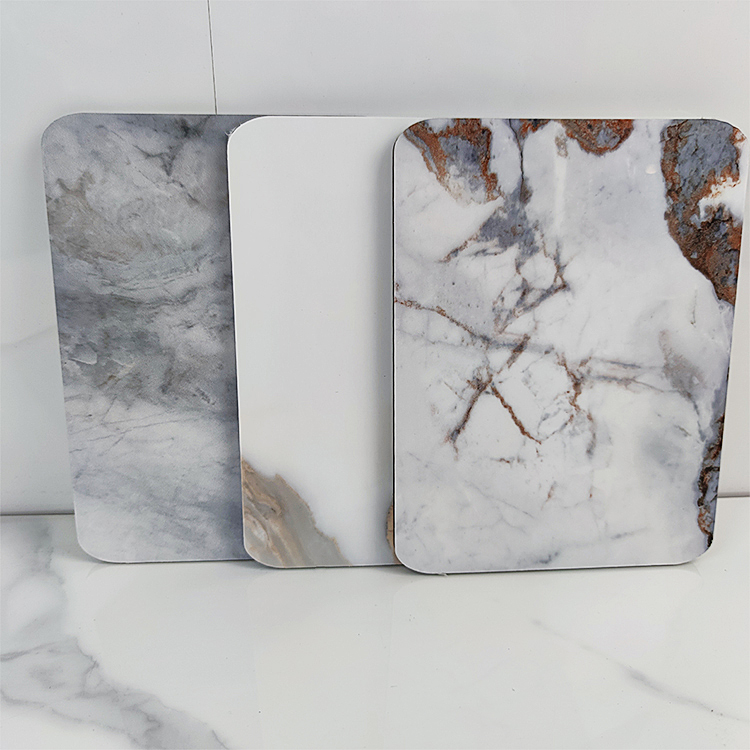
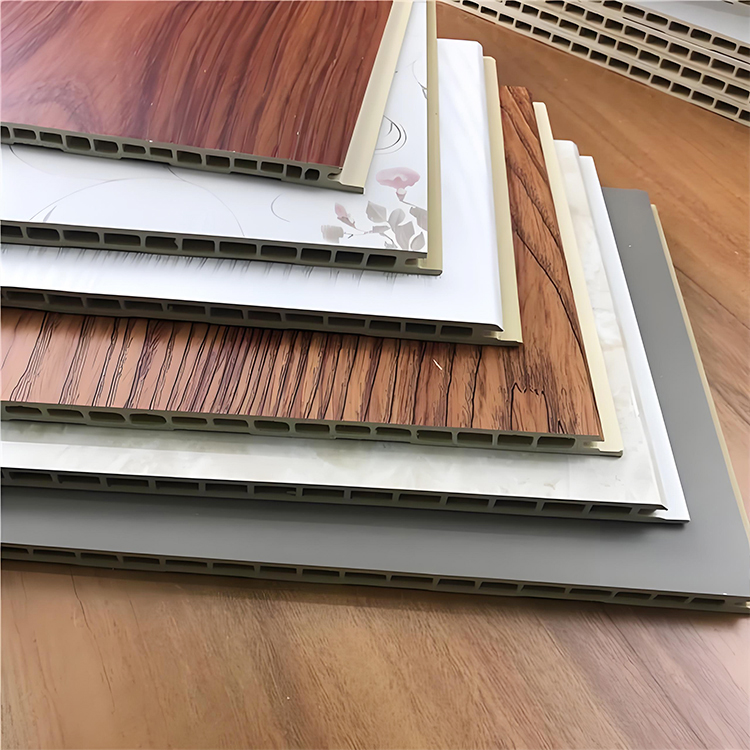
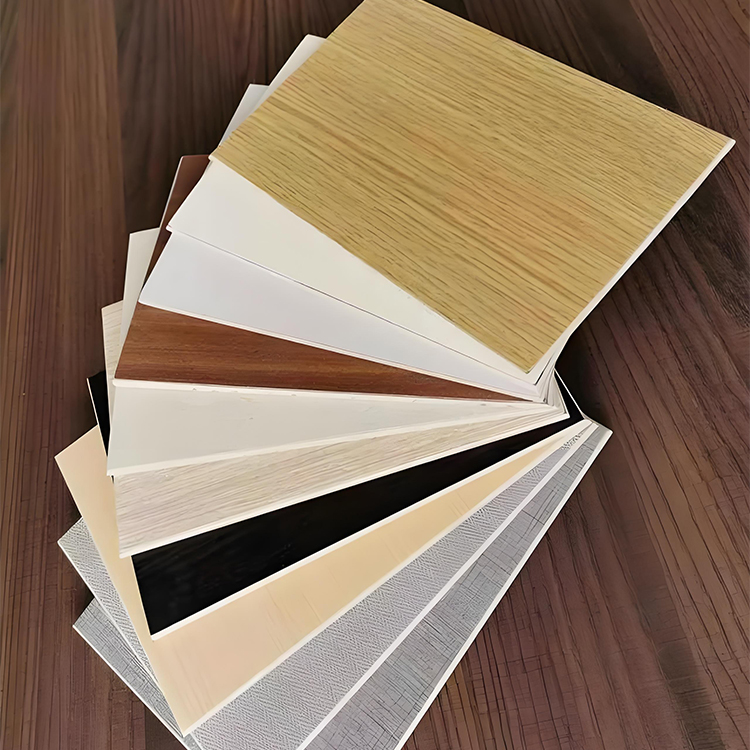
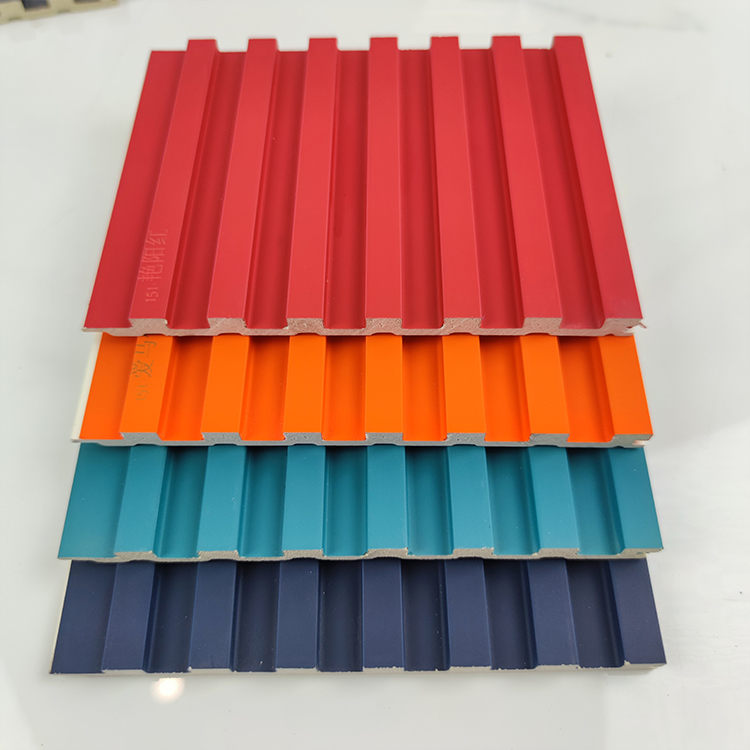





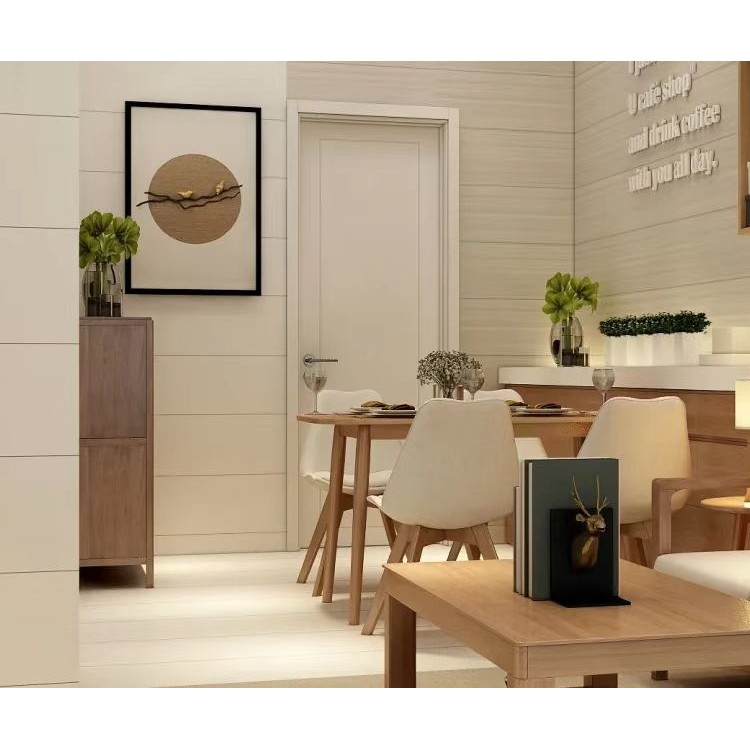
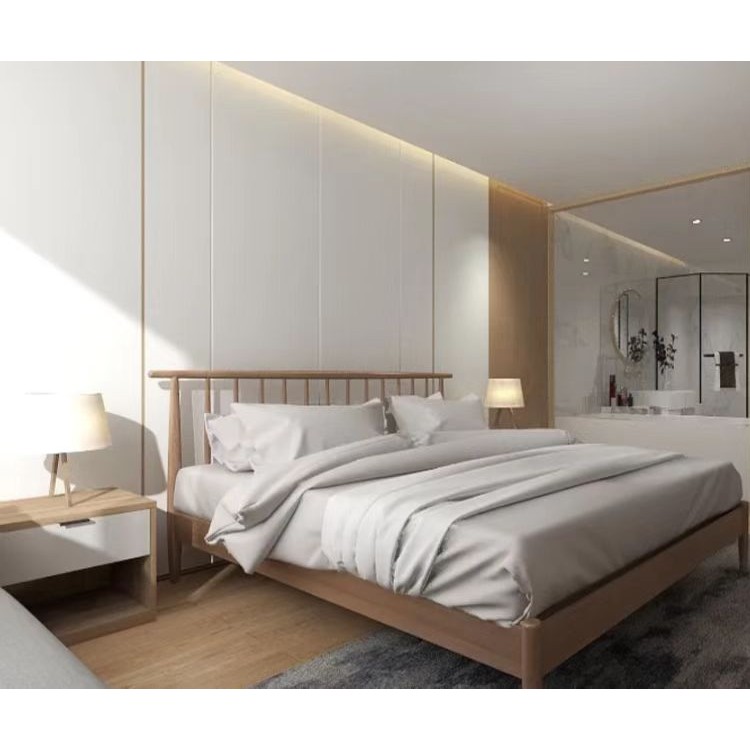
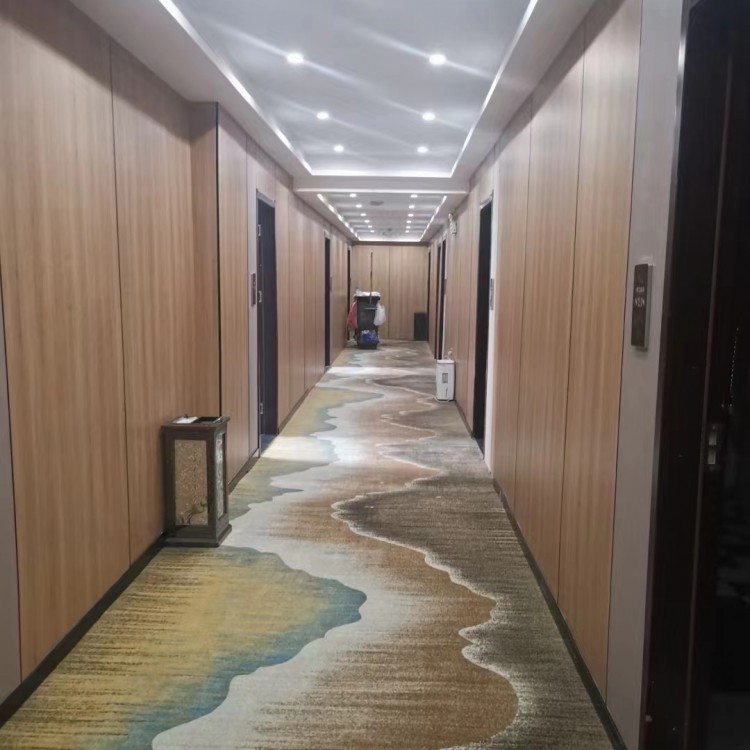
Home decoration offers a wide range of materials to choose from, such as wallpaper, wall fabric, latex paint, wainscoting, and wood veneer. To achieve a good decorative effect, there are two popular options on the market: wainscoting and wood veneer. Most people hesitate between these two materials. Next, the editor will introduce the main differences between wood veneer and wainscoting.
Define Variations
Paneling: Offers excellent temperature regulation, noise reduction, and superior decorative features. It also effectively protects building facades, masking uneven stone walls on the backside, beautifully blending Eastern and Western styles.
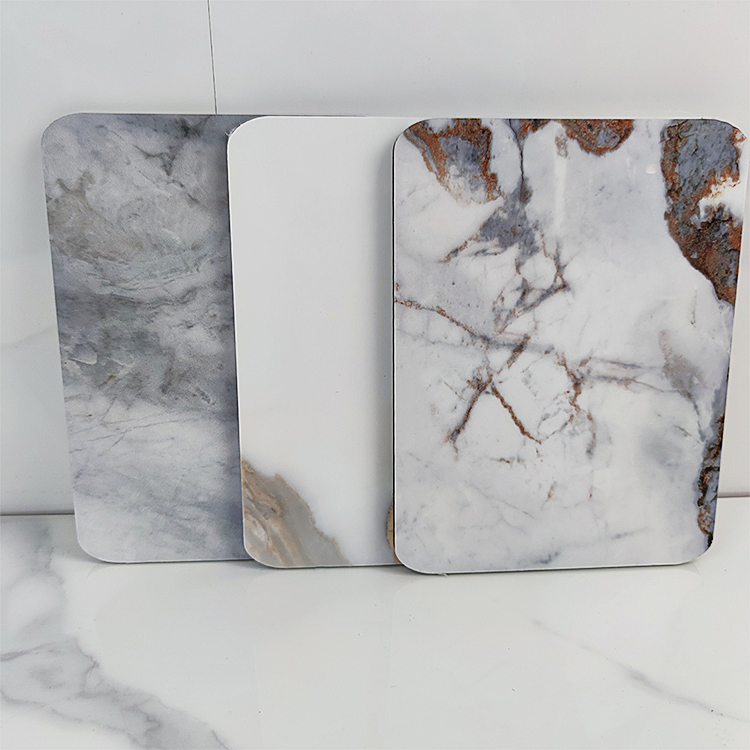
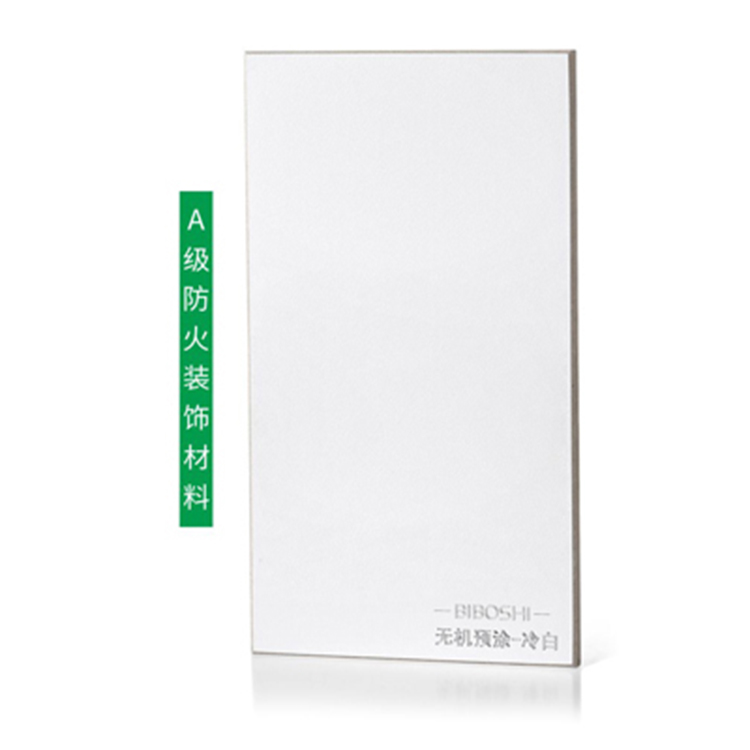
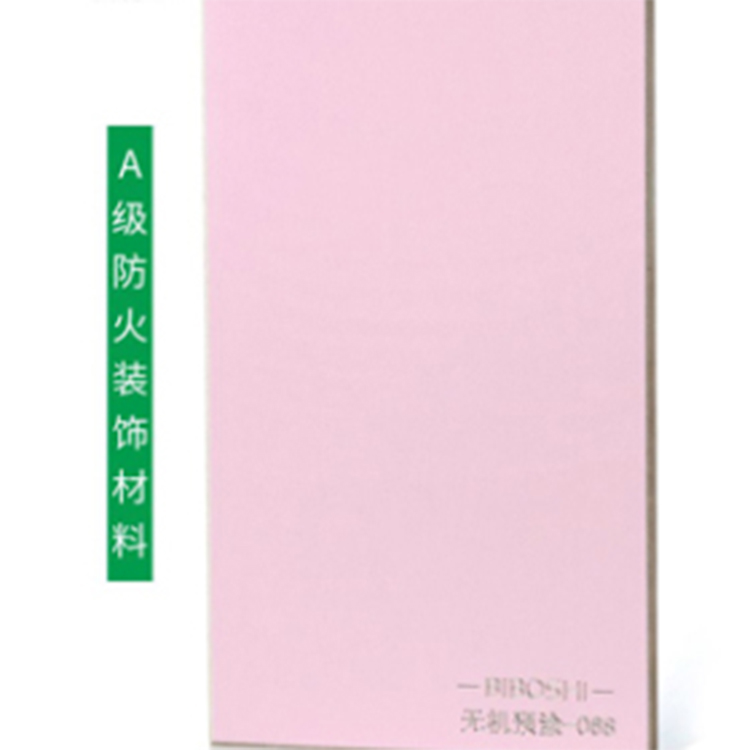
Wood veneer panels: Also known as Decorative Plywood, these are thin slices of wood or engineered wood that are adhered to plywood surfaces and then heat-pressed to create surface materials for interior decoration or home furnishings.
Prices vary

Paneling: Higher priced, made from thicker and harder material; takes up space but protects the walls.
Wood veneer panels: Lower in price, yet achieve the same effect as solid wood wainscoting.
Versatile in style
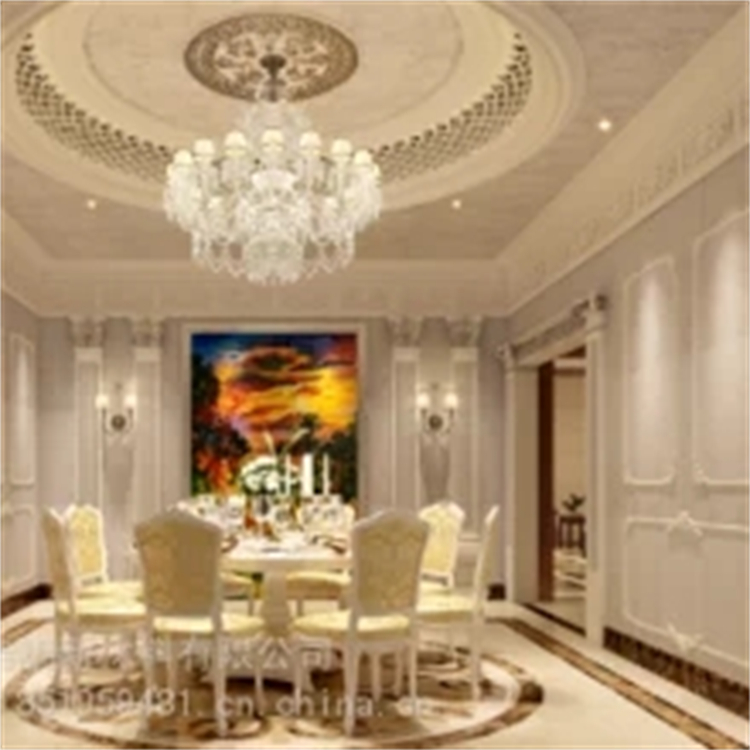
Molding: Matching profiles, suitable for a luxurious style.
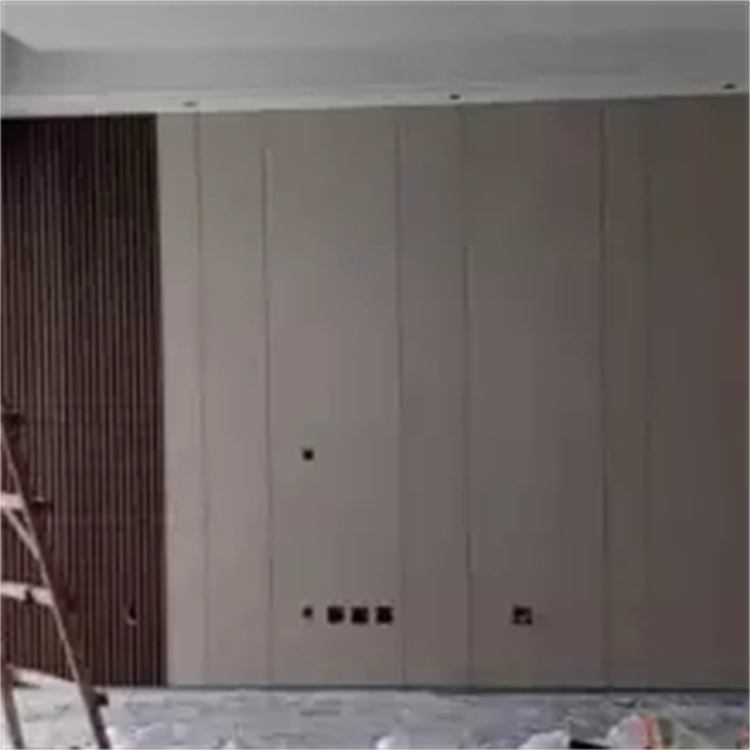
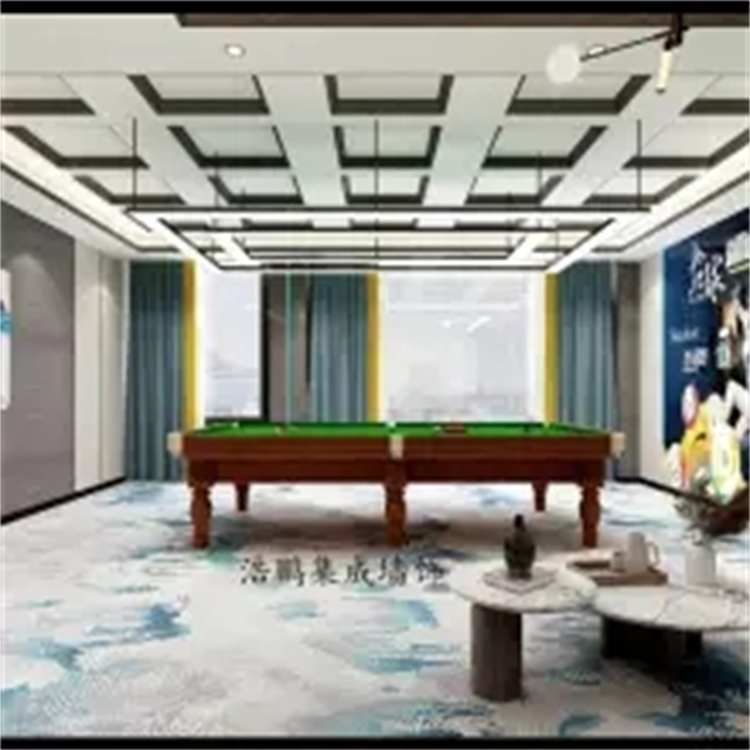
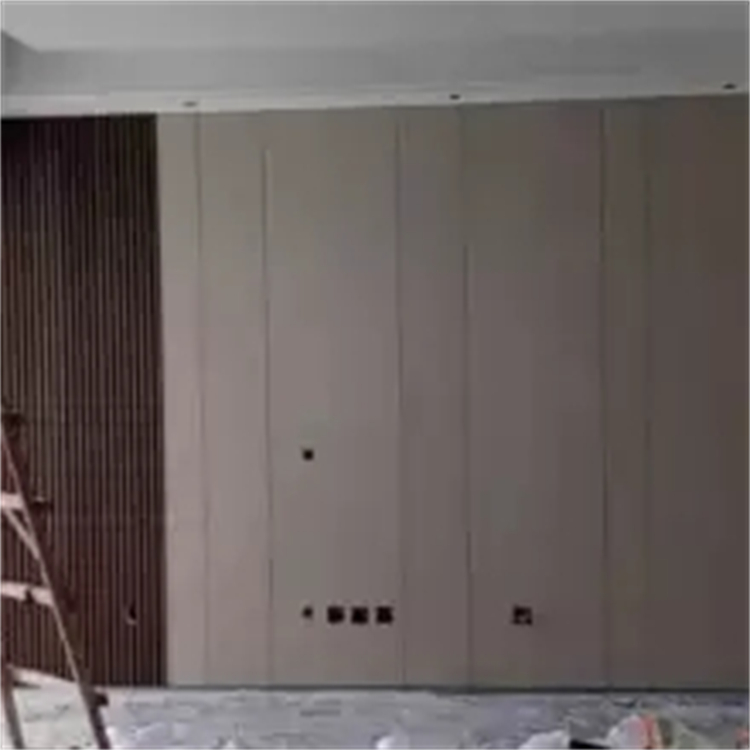
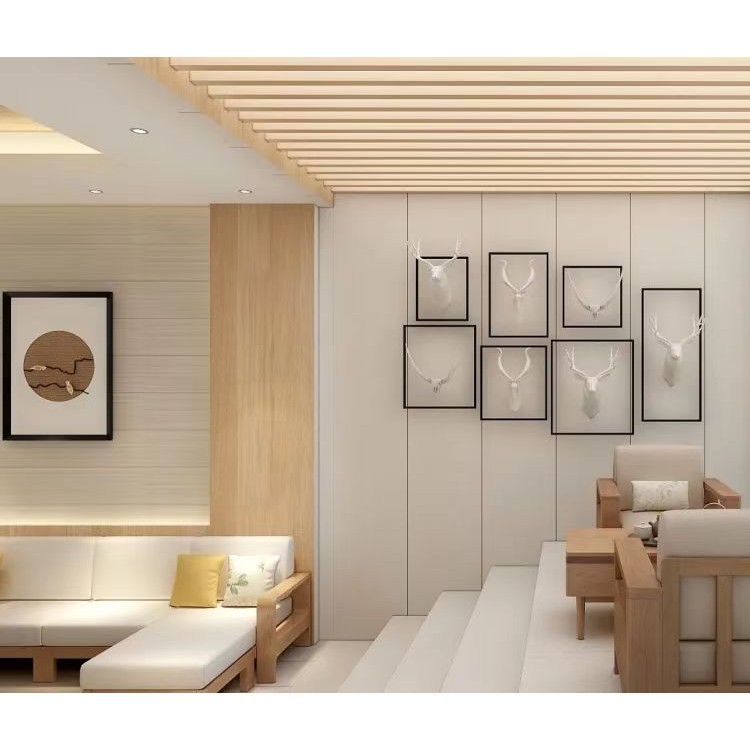
Wooden veneer panels: No need for waistline or ceiling line installation, ideal for modern minimalist style.
Performance varies
(1) Wall panels offer numerous advantages such as lightweight, fire-resistant, termite-proof, easy installation, cost-effective, and a striking decorative effect, as well as convenient maintenance. They can be used as alternatives to wooden baseboards, wallpaper, and tiles for interior decoration.
(2) Wood veneers and wainscoting offer the benefits of quick and easy installation, convenience, interchangeability, and can be disassembled and reassembled multiple times. They are lightweight, termite-resistant, fire-retardant, long-lasting, and easy to use and maintain.
Summary: Wall wood veneers have become a popular choice during home renovations. The base material of wall wood veneer panels is wood, which has been processed and topped with a layer of solid wood veneer, creating an attractive textured effect. The wood veneer wall panels can be customized in various designs, such as concave-convex, carved patterns, arches, and Roman columns, giving the wall a more three-dimensional look.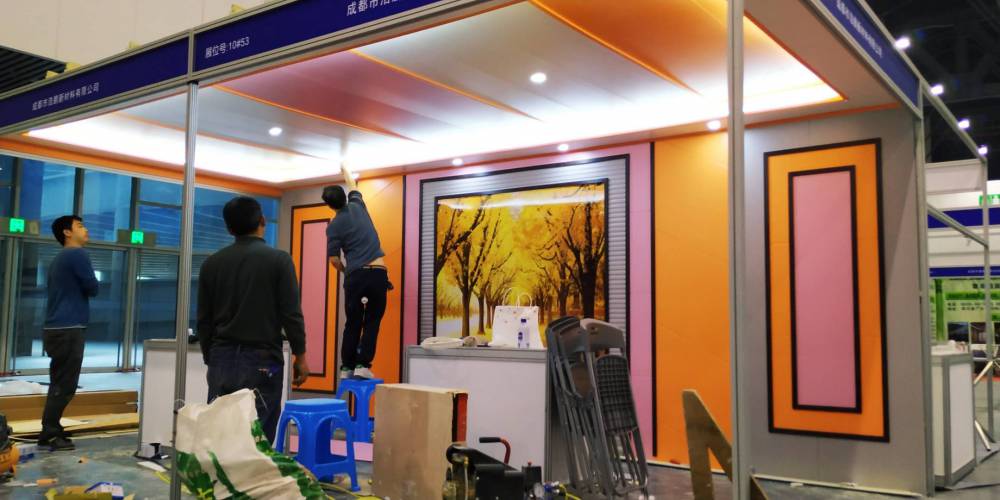
It reduces noise and enhances quality. It effectively cushions the impact of deep bass and absorbs unwanted sharp waves from the material itself, creating a three-level noise reduction function in the space.
Wood can regulate moisture in the air. When the vapor pressure of water vapor in the air is greater than that in the wood, the wood absorbs moisture from the air, which is known as adsorption. Conversely, it is desorption. Wood adjusts the air's moisture through its own respiration. It effectively relieves physical fatigue.

Wood veneers are widely used in many homes today, featuring a natural and delicate wood grain texture. By cleverly utilizing the material of wood veneers, every inch of space is maximized, resulting in a highly unified interior decor style and exuding an aura of elegance. Nanchong Bamboo and Wood Fiber Wood Veneer Panel