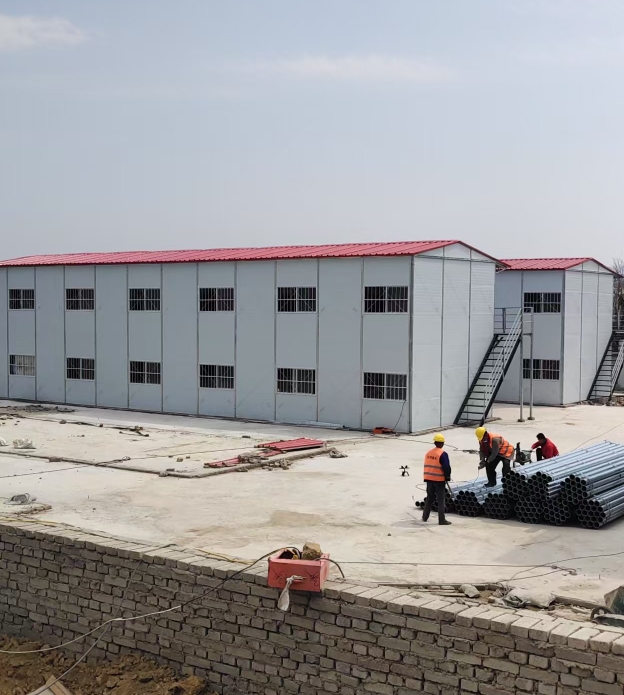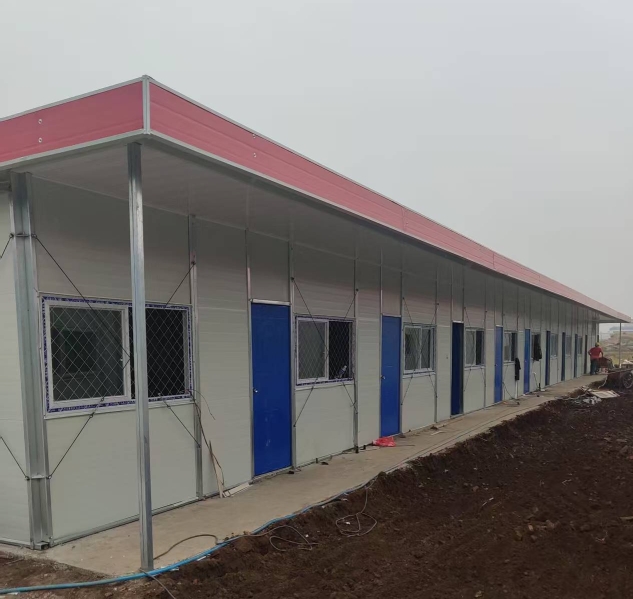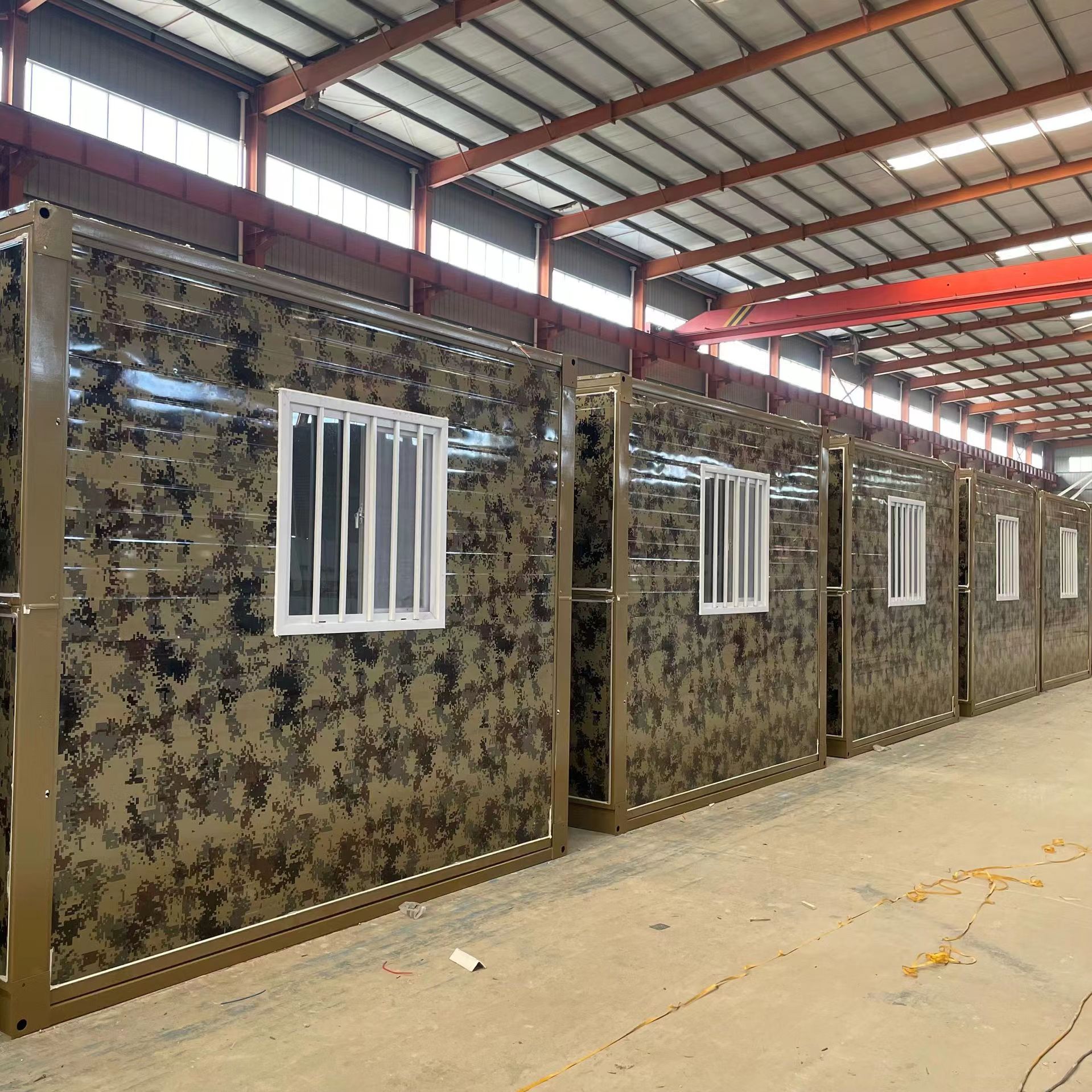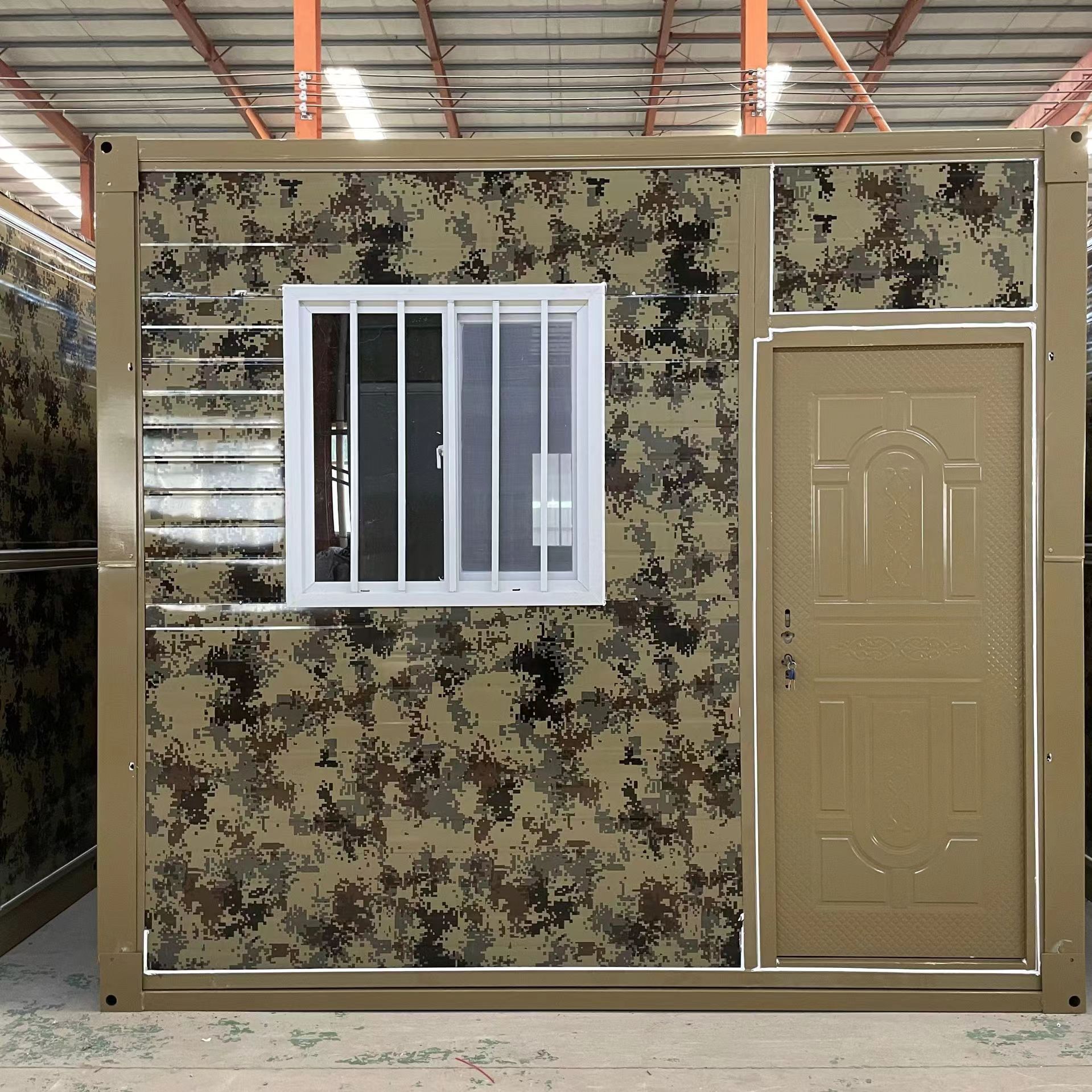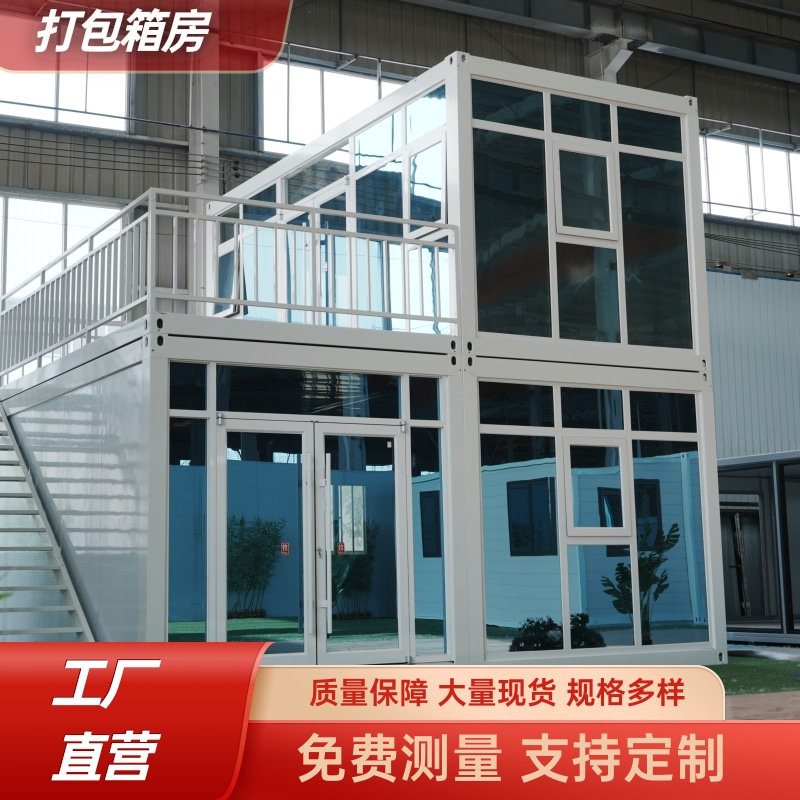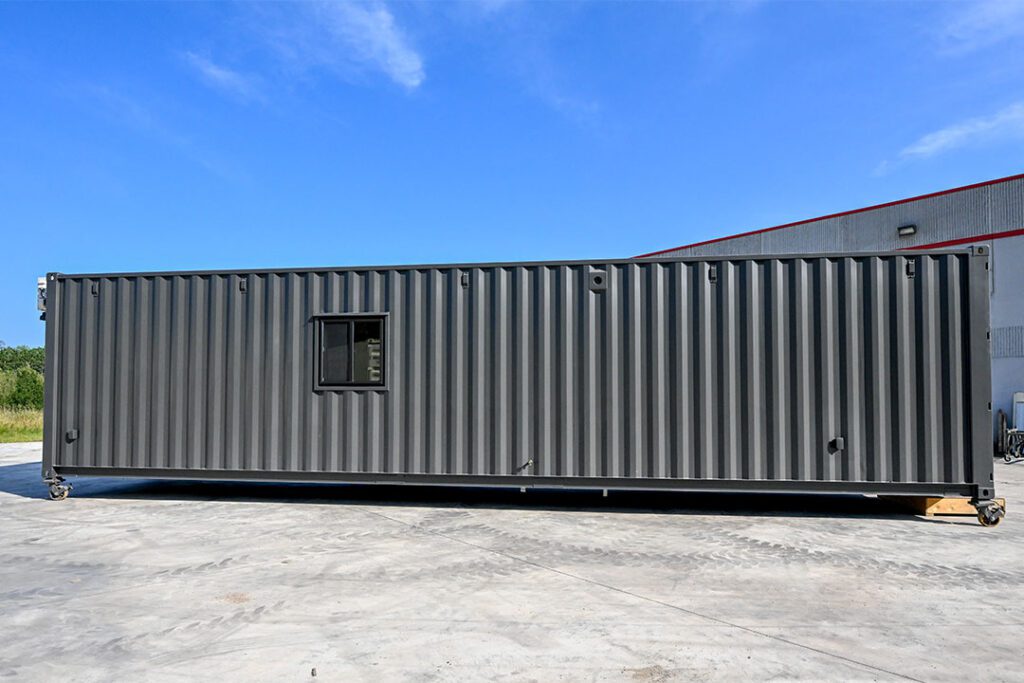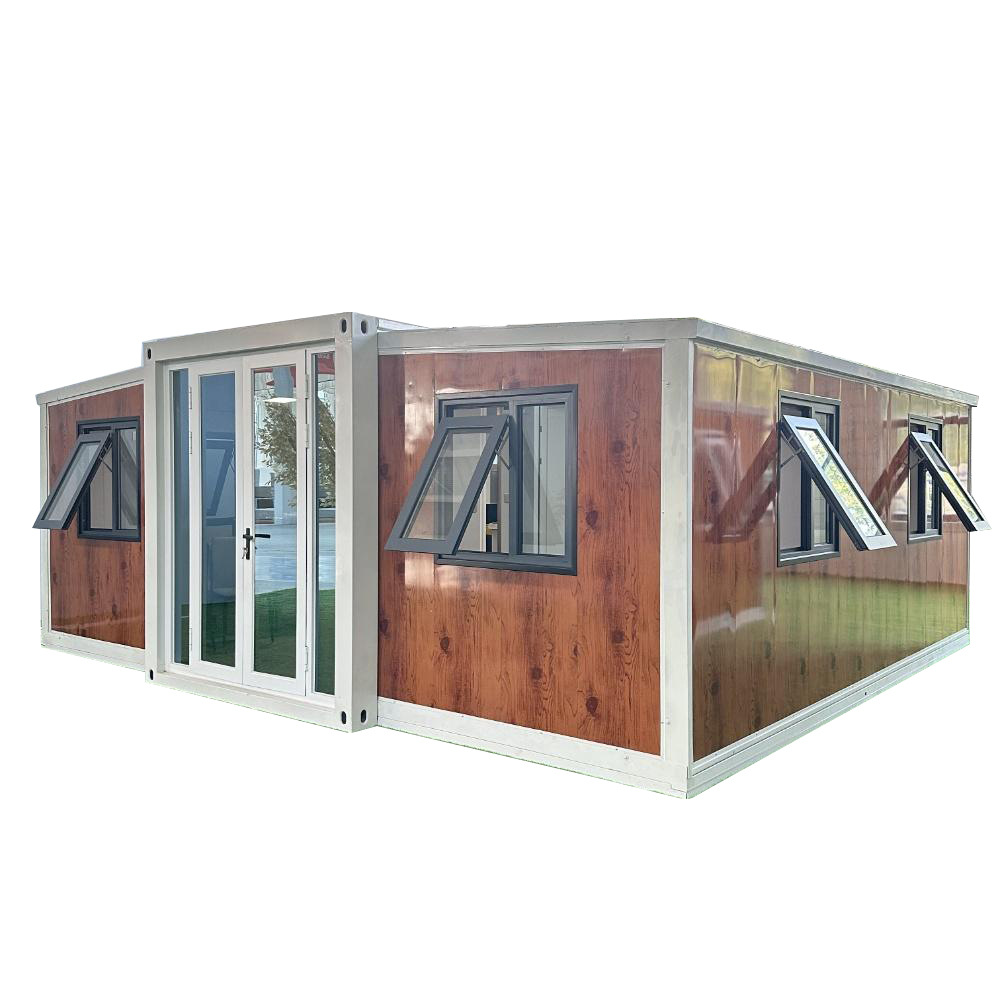









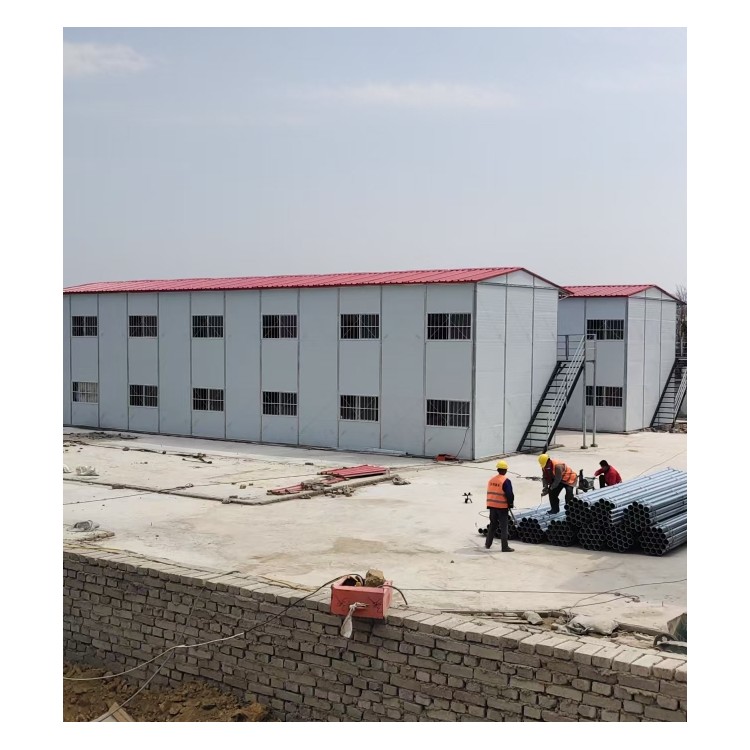
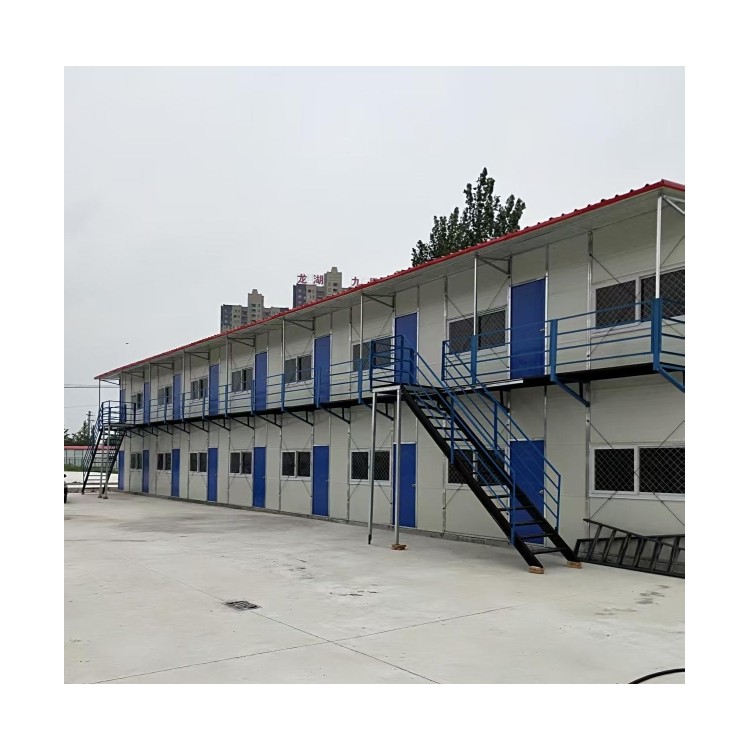
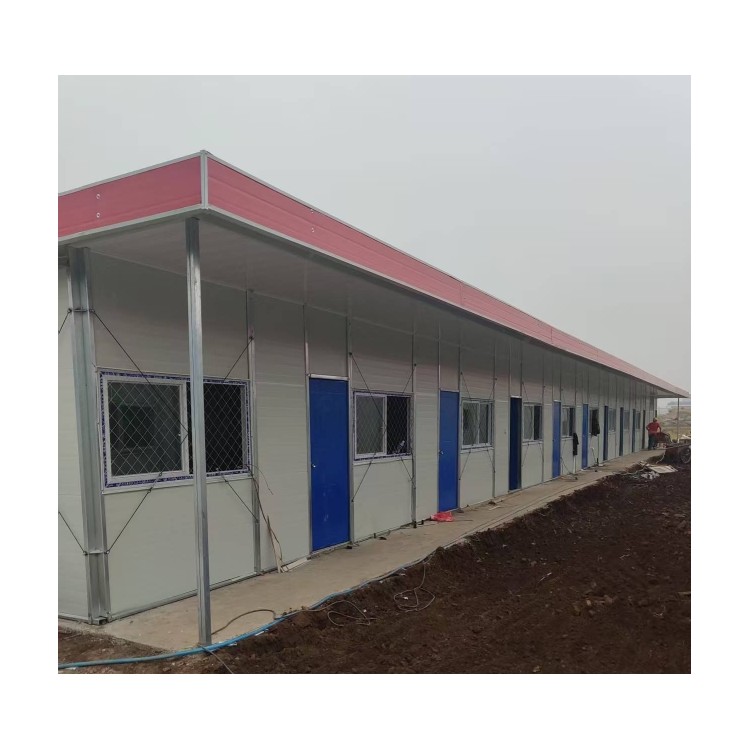
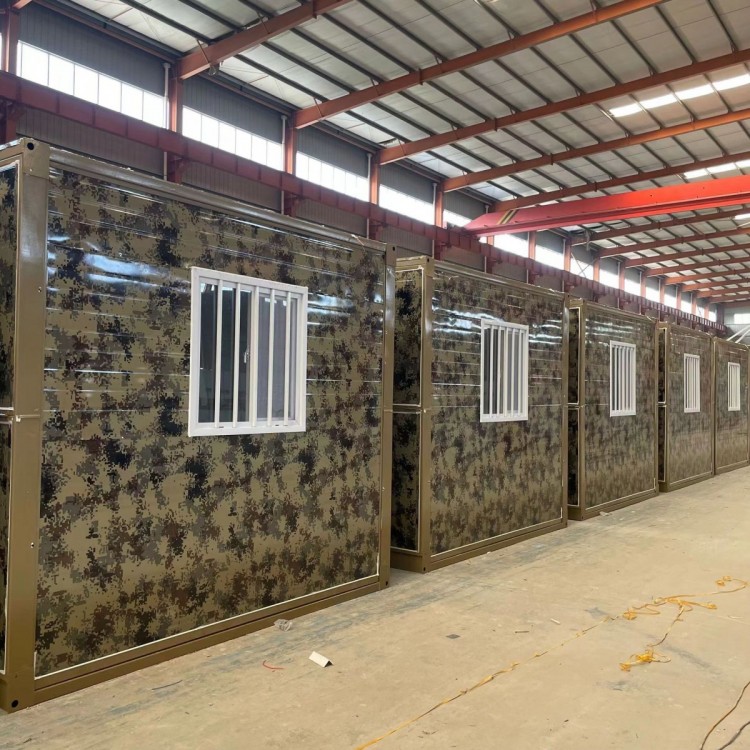












In addition to these two common guard booths, there are also silent contributors like security guard booths and others with various uses. Each booth tirelessly contributes to humanity and cities. Correspondingly, we hope everyone can show more care and respect for these booths. 3. Sales booths primarily focus on selling snacks, drinks, specialty cooked foods, and various daily necessities. With a wide variety of styles and designs, they can be said to have everything. Sales booths not only benefit the public but also contribute to the city's appearance. With the introduction of mobile sales booths, the sight of haphazard street vendors has become less common, significantly beautifying the city's overall appearance. Today, I want to share with you why security guard booths are increasingly popular. With the development of society and science, both large and small companies now have guard rooms at their entrances. According to surveys, the duty booths thirty years ago were all small houses. However, with the advancement of technology, the guard rooms of companies have gradually evolved into various types of booths.

Hence, it has been renamed to the Corporate Security Booth. The corporate entrance security booth should not only be equipped with office facilities for security staff but also be in harmony with the company's aesthetics. Being stylish and elegant is a must. Typically, security booths at corporate entrances are made of stainless steel or glass, with bent glass being the preferred choice for the latter. Glass is durable, easy to maintain, and reasonably priced, making it a popular material for booth construction. The first step is to bend and shape the glass using a specific process. During this process, the glass is bent to a certain degree of curvature or shape. It is worth noting that if cost is not a concern, it's advisable to use grade 301 stainless steel, as it is less prone to breaking. After the shaping process, the next step is to stretch the glass into the desired shape, usually achieved through molds and high-force stamping. Utilizing the material's flow and stretch characteristics, the next stage involves molding the material through intense pressure, which reduces the thickness.