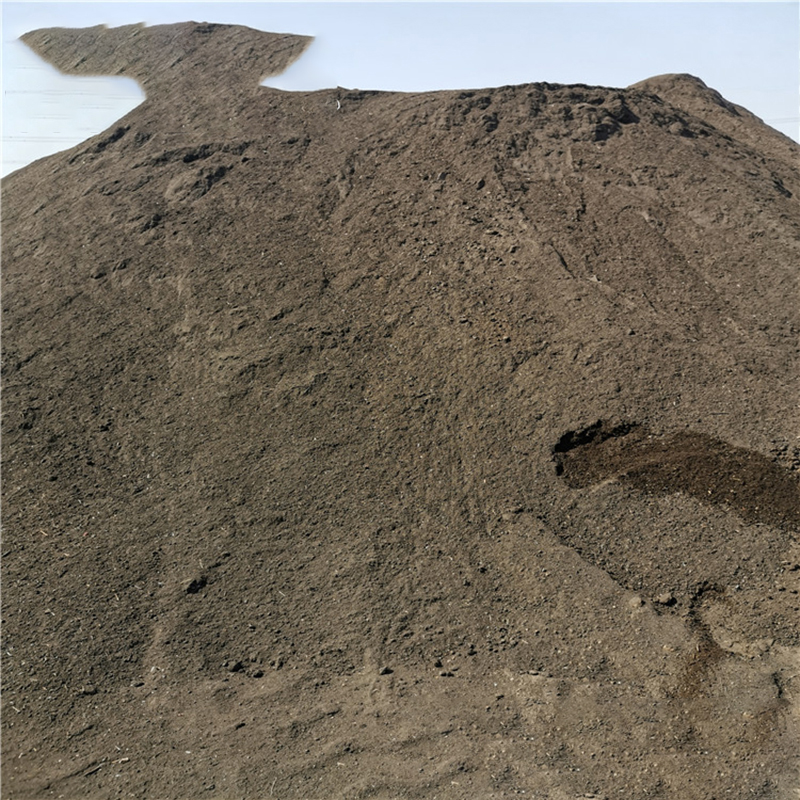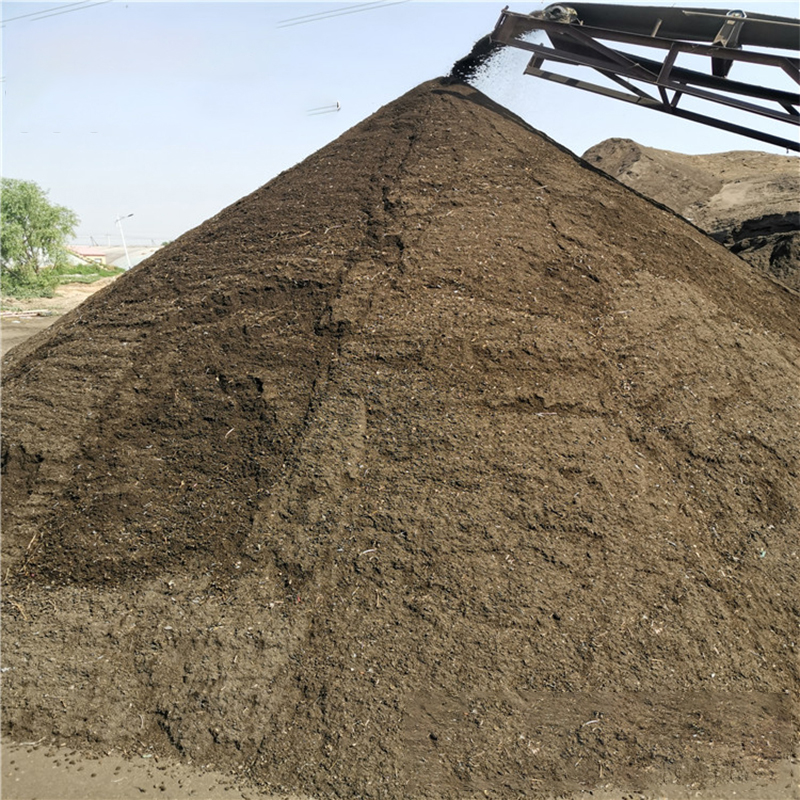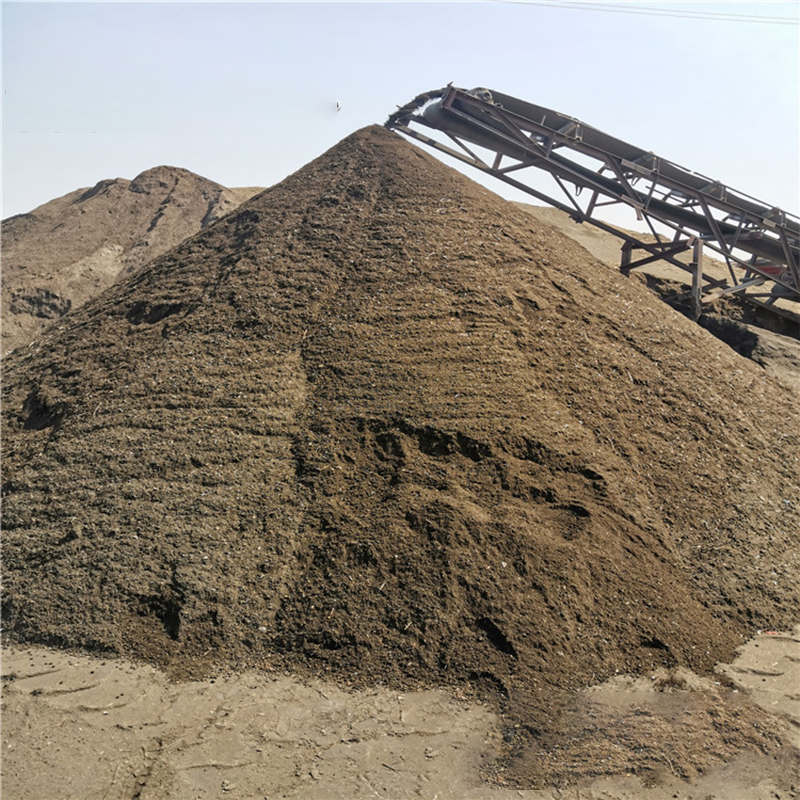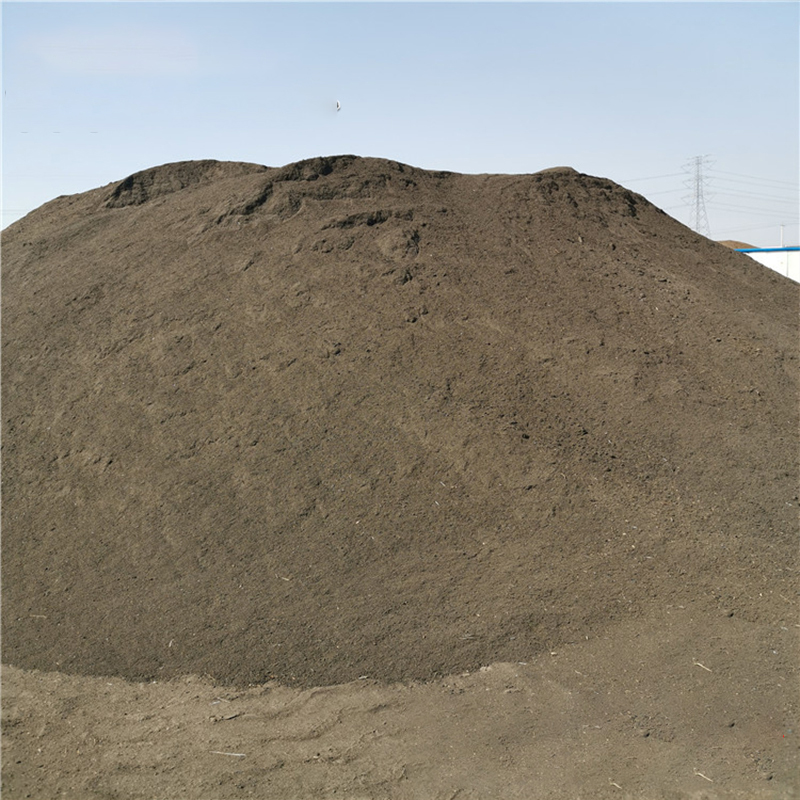

Soil serves as the foundation for crop growth, and highly fertile soil must possess good aggregate structure to regulate the appropriate water, nutrients, air, and heat for crops, enabling the transformation, preservation, and continuous supply of essential nutrients. This primarily relies on the actions of billions of microorganisms living in the soil, which are sustained mainly by organic matter. In the natural ecosystem, plants are producers, animals are consumers, and microorganisms are decomposers. The limited nutrients on the Earth's surface depend on these decomposers, the microorganisms, to cycle and reuse them.
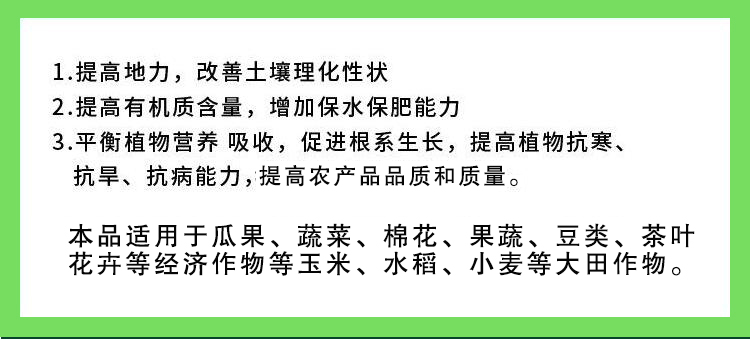
This decomposition primarily occurs in soil and water bodies. Therefore, the rational measure is to incorporate as much animal and plant waste (such as dried cow dung organic fertilizer produced from it) into the soil as possible to promote the proliferation of microorganisms. These microorganisms decompose organic matter, releasing nutrients for plant use, creating high fertility. At the same time, they synthesize their own cells, preserving nutrients within them without loss. After the microorganisms die, the nutrients are mineralized for plant use again. On the other hand, microorganisms continuously convert organic matter into humus. Together with the large molecular substances secreted by microorganisms, humus helps soil mineral particles to coalesce into granular structures, creating an environment suitable for plant water retention, nutrient retention, temperature regulation, and aeration. Hence, the content of soil humus is often used as an indicator of soil fertility.
Fermented cow dung organic fertilizer provides a variety of nutrients for crops, whereas chemical fertilizers contain only one or a few nutrients. Prolonged use of chemical fertilizers can lead to excessive extraction of certain nutrients in paddy fields without timely replenishment, resulting in severe nutrient deficiencies in rice plants, manifested as nutrient deficiency symptoms and various diseases. In contrast, organic fertilizers offer a complete nutrient profile with stable and long-lasting effects. Applying them to paddy fields can prevent nutrient deficiencies, early aging, and nutrient leaching.
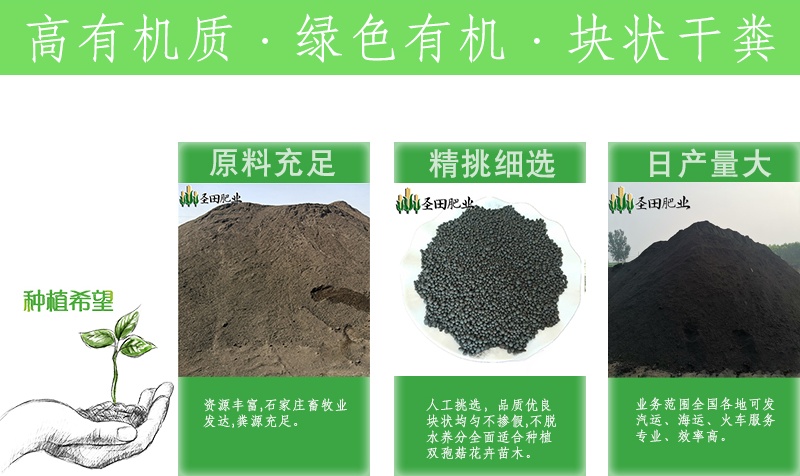
Producing organic fertilizer from cow dung as raw material offers low costs and relatively stable quality, with significant market sales potential. However, the traditional composting method is not only slow in fermentation but also fails to fully decompose the cow dung, leading to "secondary fermentation" when applied to farmland, which can cause root and seedling burns. Therefore, the cow dung can be thoroughly deodorized, fermented, and disinfected during the fermentation process. The resulting organic fertilizer is effective, safe, and convenient to use, preventing root and seedling burns, and also improves soil fertility and enhances the utilization of chemical fertilizers.