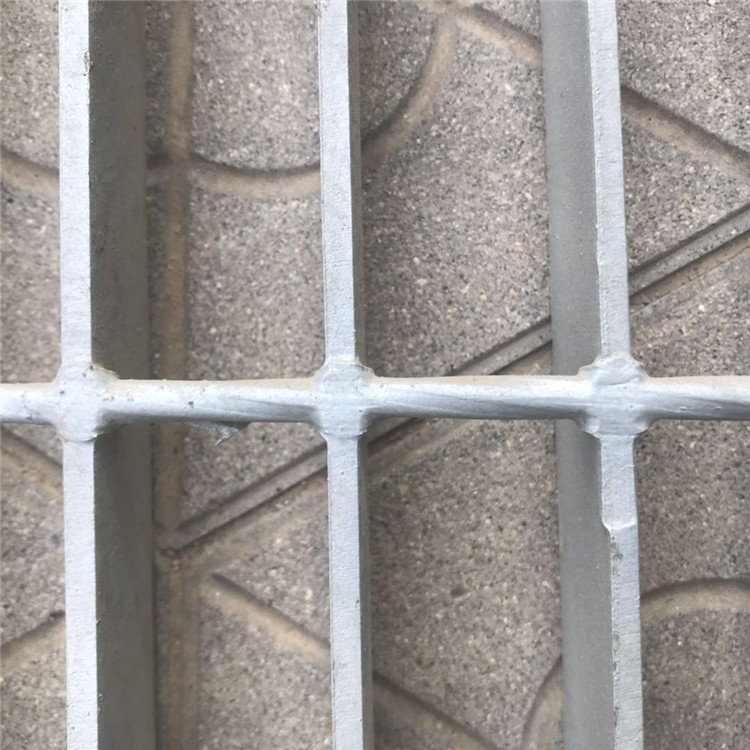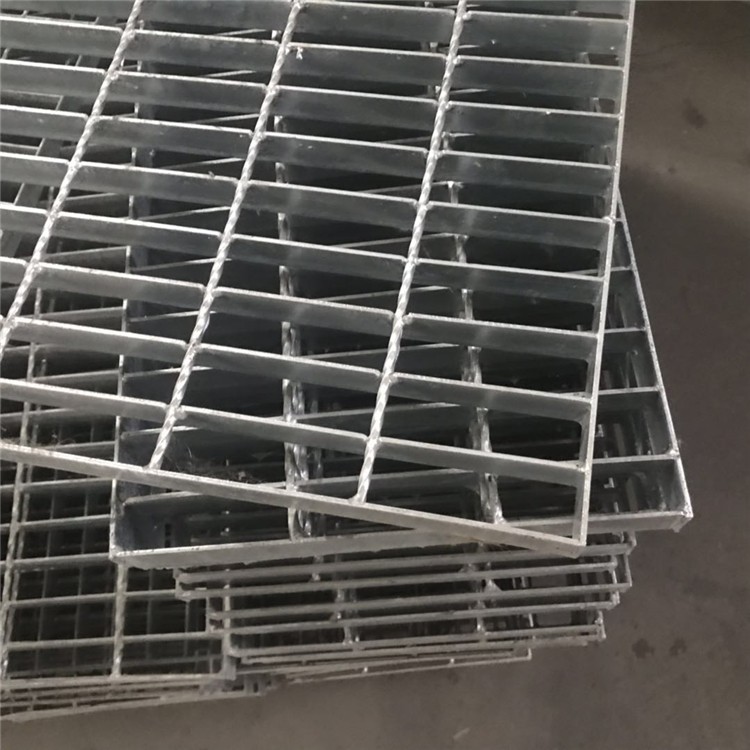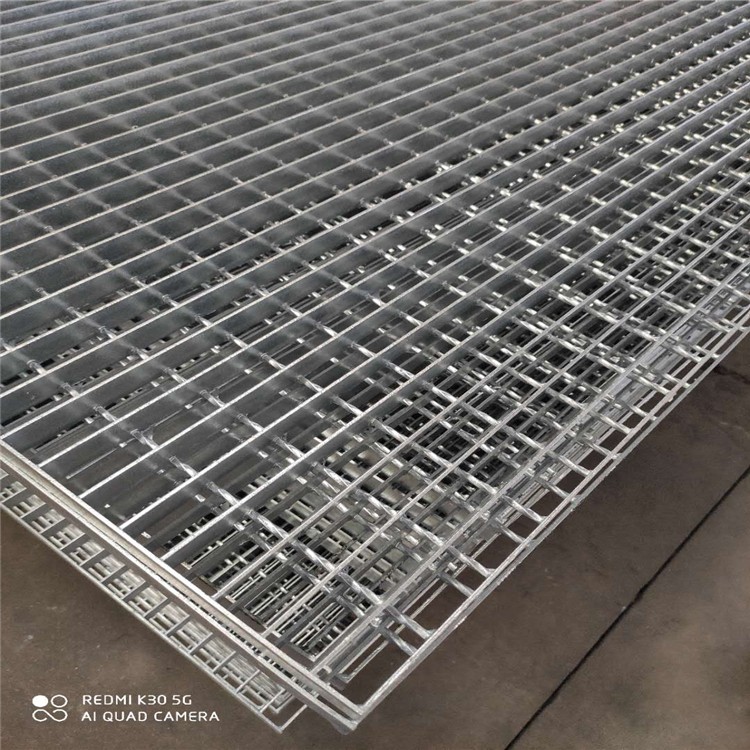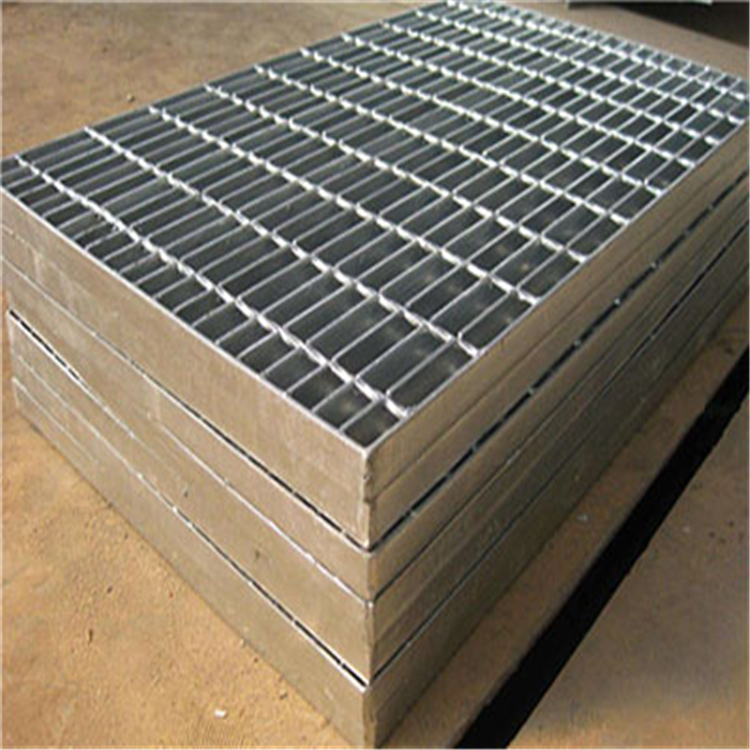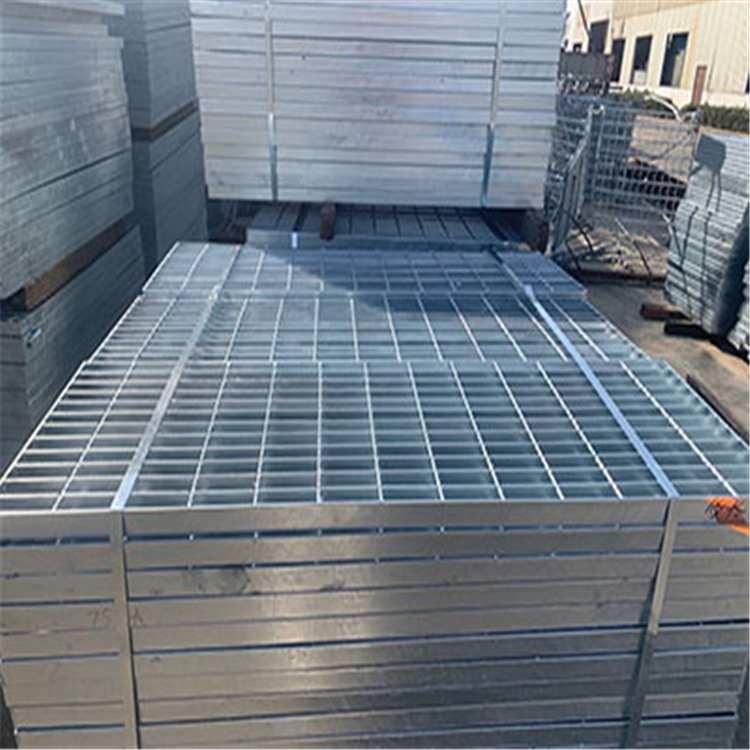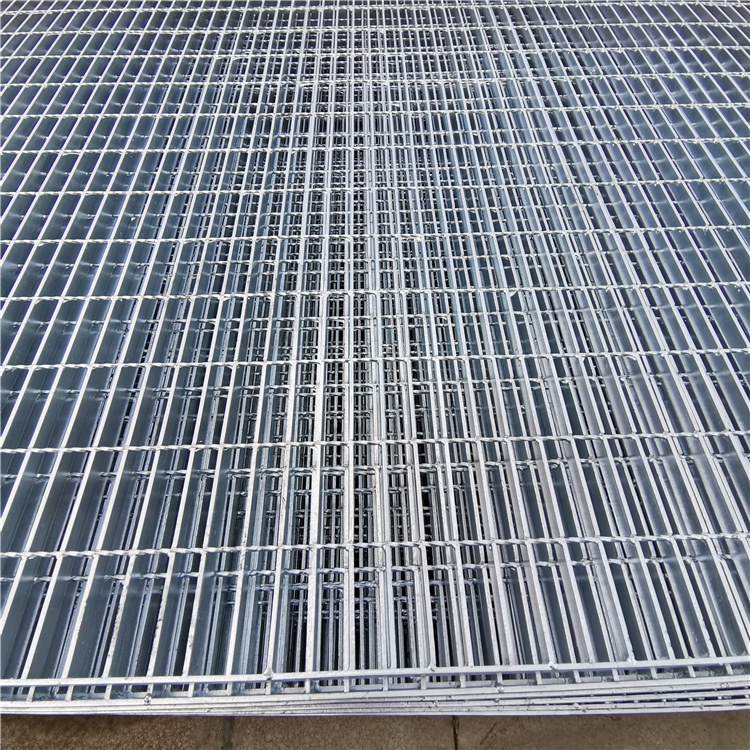


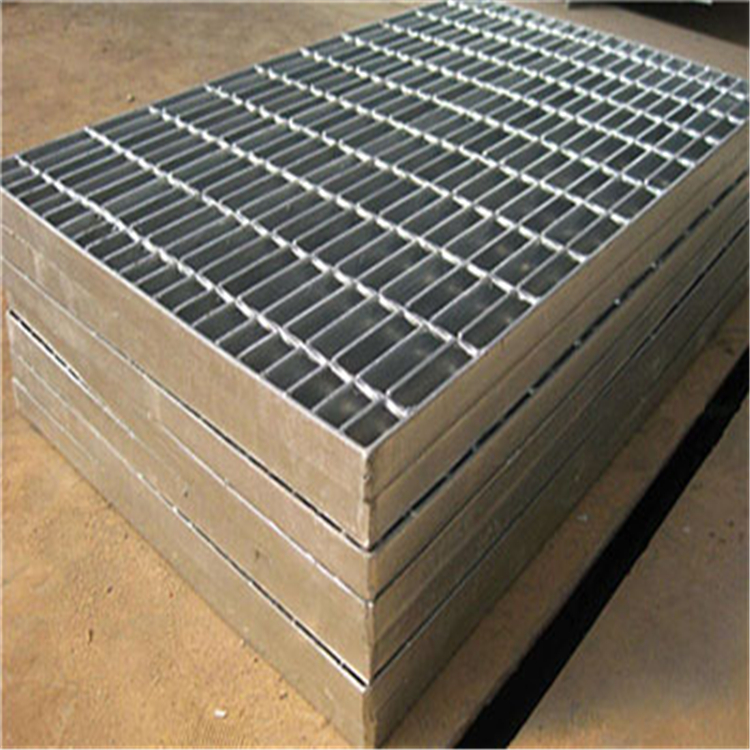
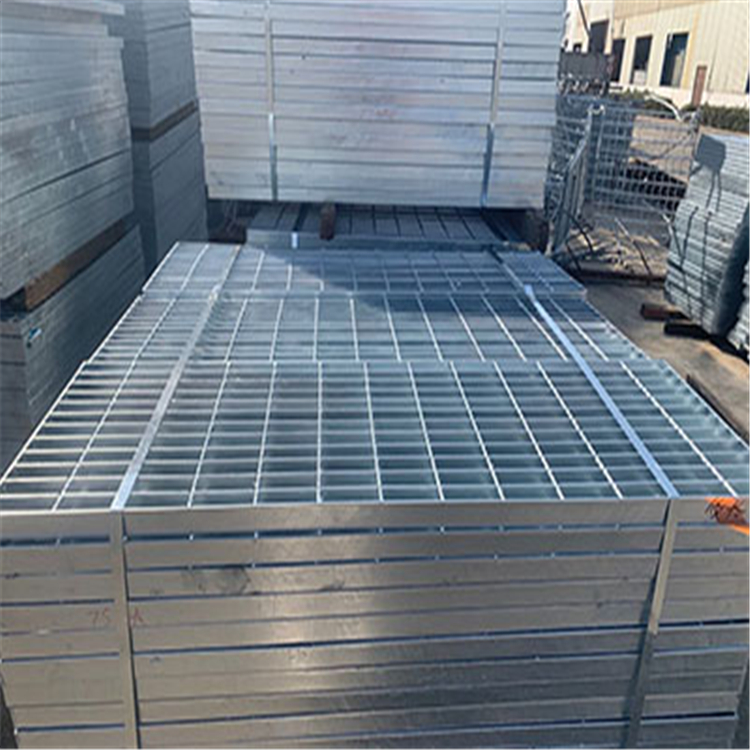
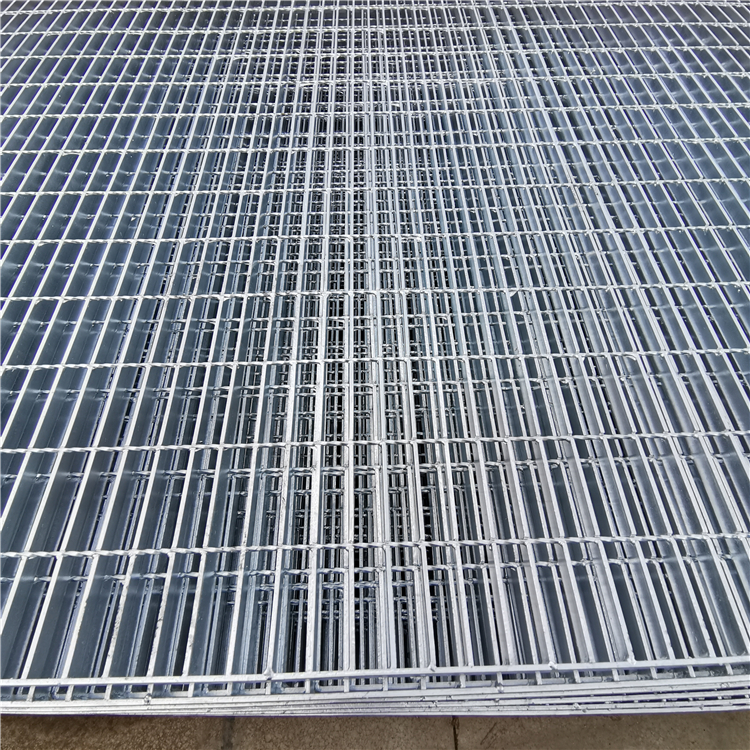












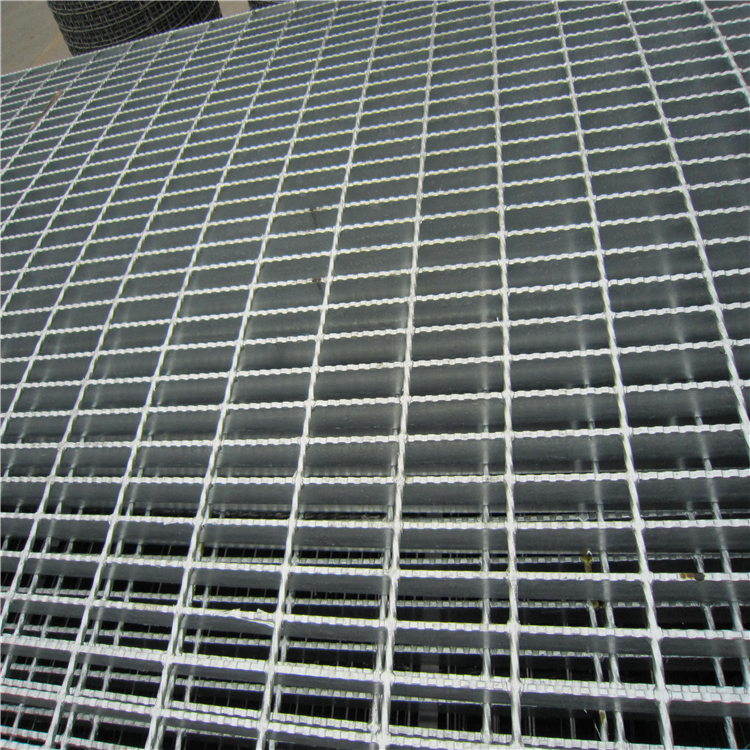

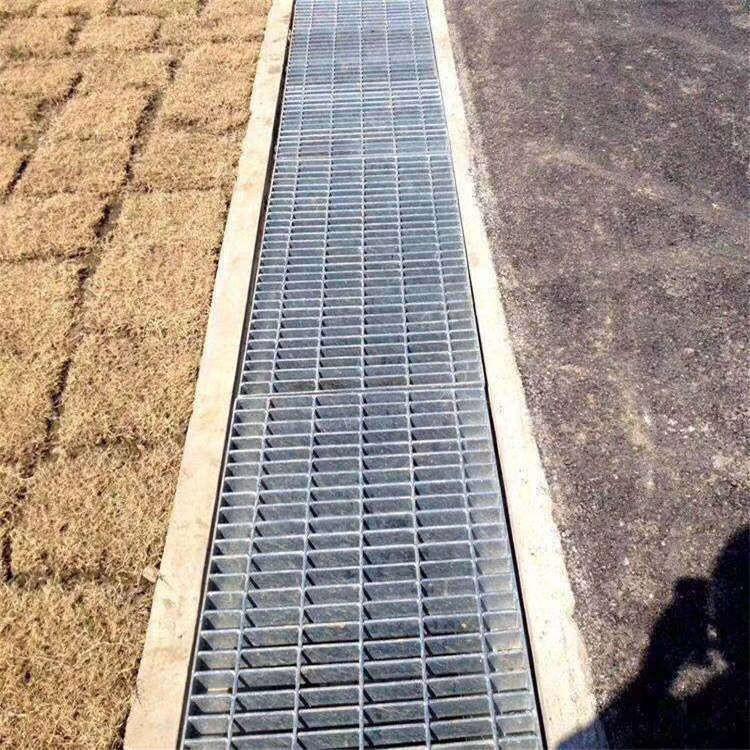
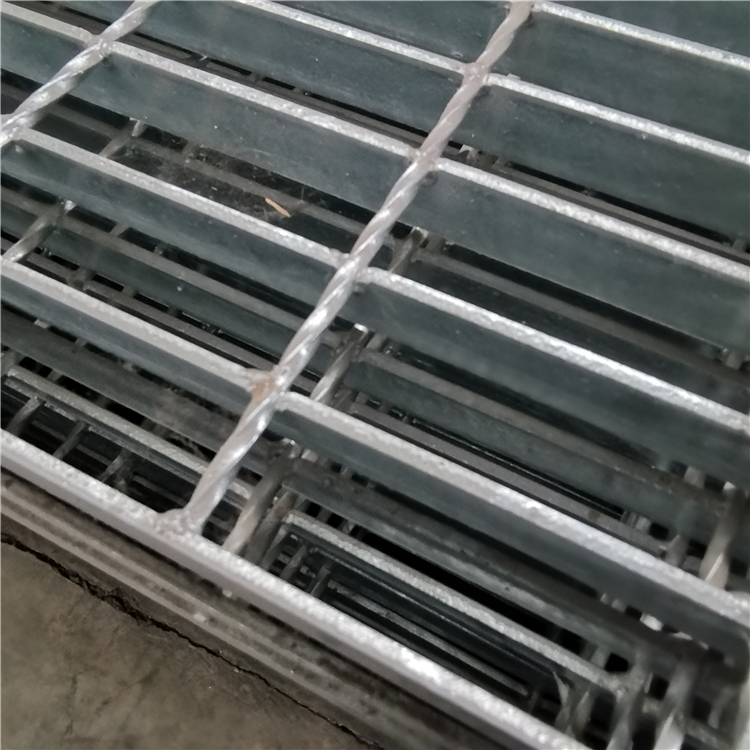
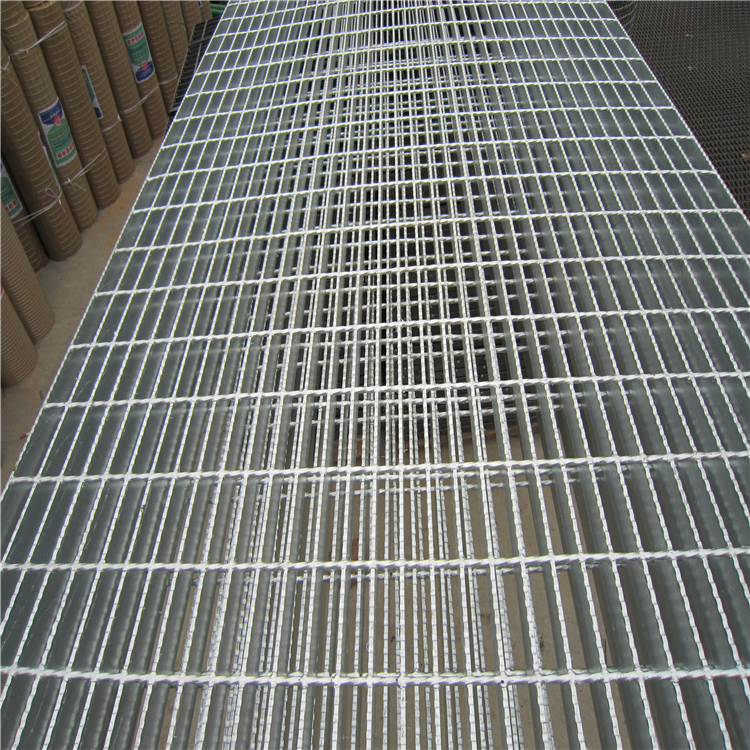
Galvanized Grating Panels from Mines are grating panels that undergo anti-corrosion treatment after production. There are two types: hot-dip galvanized and electro-galvanized. The hot-dip galvanizing standard is GB/T 13912-2002 "Technical Requirements and Test Methods for Hot-Dip Galvanizing of Iron and Steel Products." As a new material and product, grating panels are gaining increasingly widespread applications. Their numerous superior properties and favorable performance-to-cost ratio indicate their promising future. The article discusses the properties of grating panels, their economic selection, and a comprehensive technical and economic analysis. In metallurgy, mining, oil, electricity, industrial sectors, and some civilian fields, grating panels are being increasingly utilized as a new type of building material. So-called new materials have a history of over several decades abroad, but their widespread application in China is a relatively recent phenomenon within the last 10 years. However, just like aluminum alloy windows, people are accustomed to calling them new materials when compared to traditional materials.
Hot-Dip Galvanized - Also known as hot galvanizing, it involves melting zinc ingots at high temperatures, adding some auxiliary materials, and then dipping the metal components into a galvanizing tank to coat them with a zinc layer. The advantages of hot-dip galvanizing are its strong corrosion resistance and good adhesion and hardness of the zinc coating. After galvanizing, the product's weight increases, and what we commonly refer to as "zinc coating" primarily refers to hot-dip galvanizing.
"Electroplating" -- a process where zinc salt solutions are electrolyzed, causing iron and zinc ions to undergo displacement reactions; no heating is required, resulting in a minimal zinc coating that is prone to rusting in humid environments.