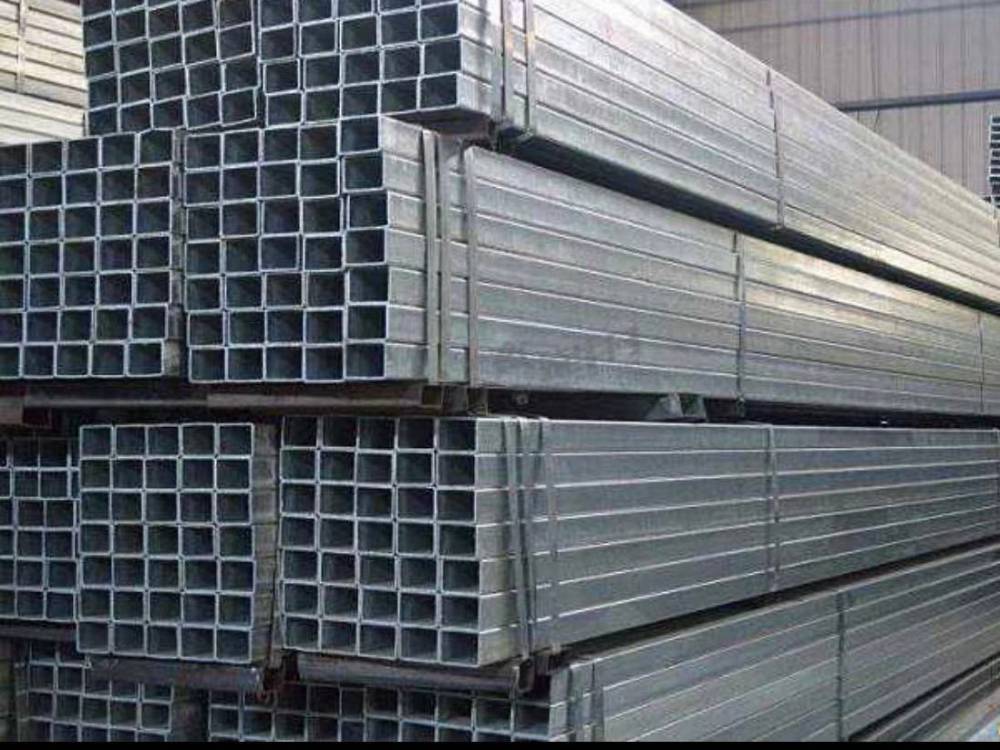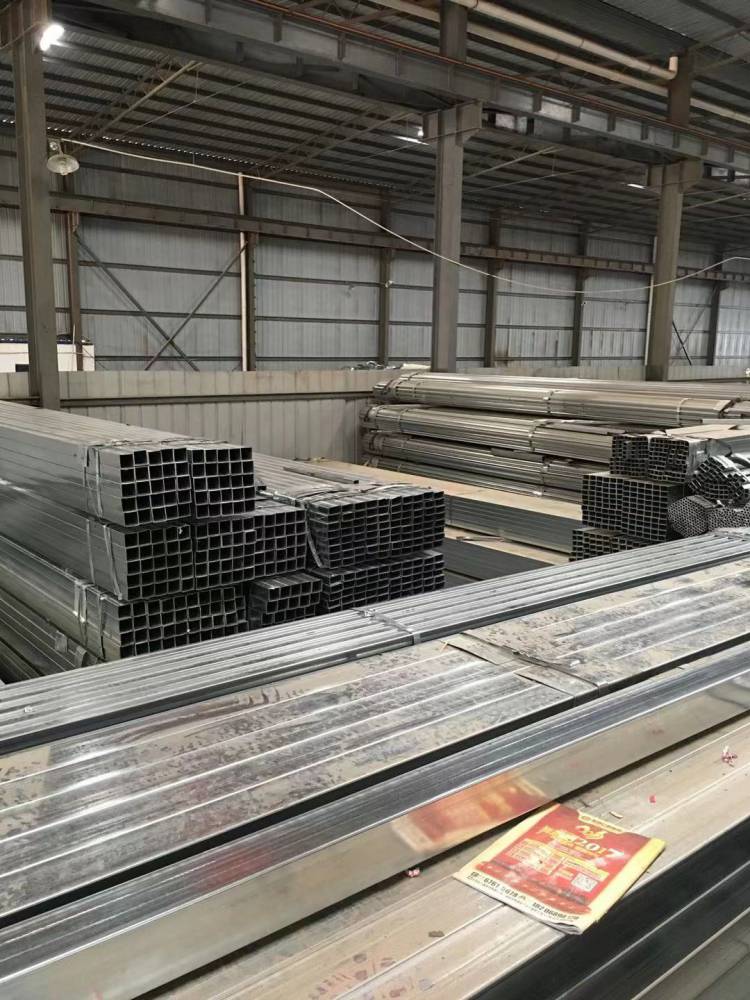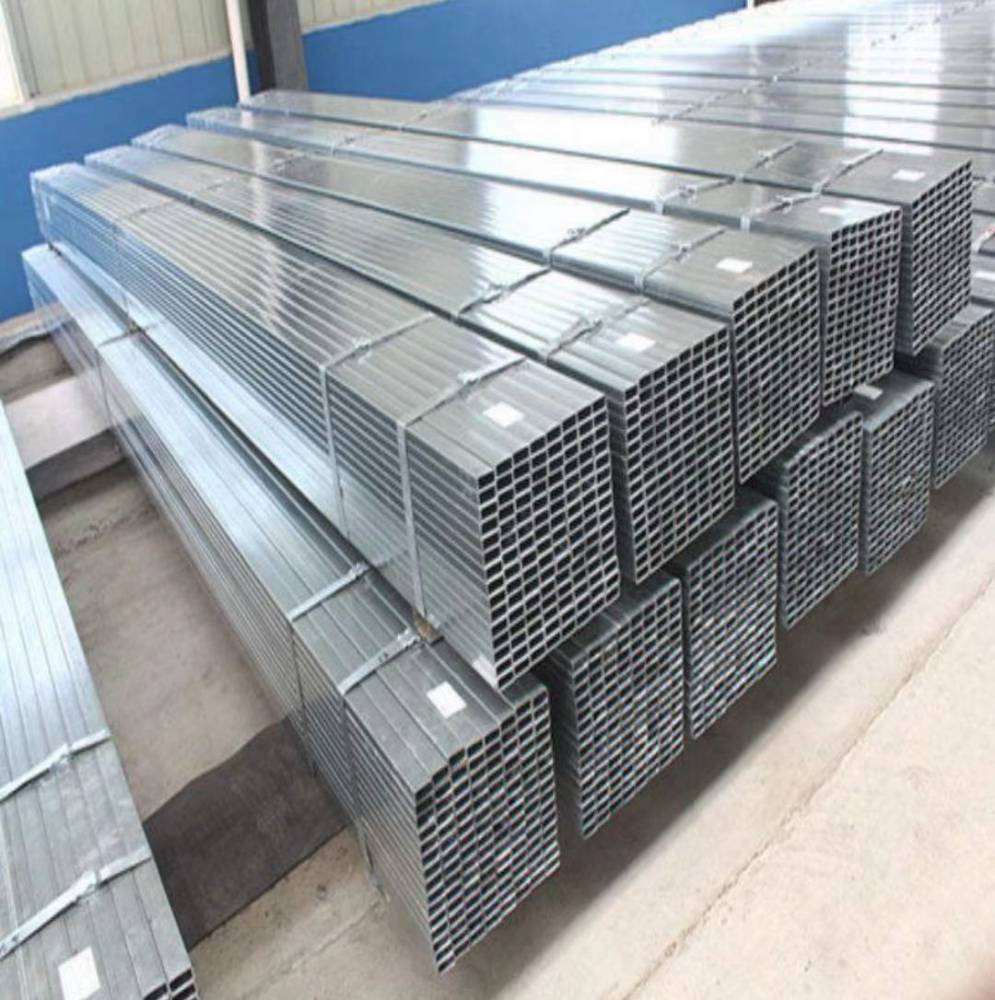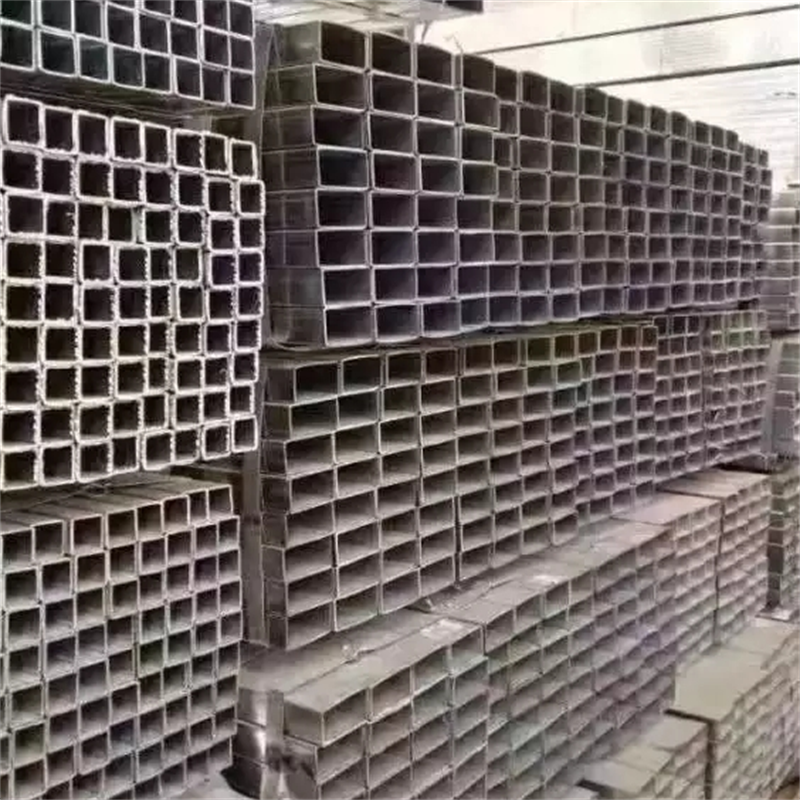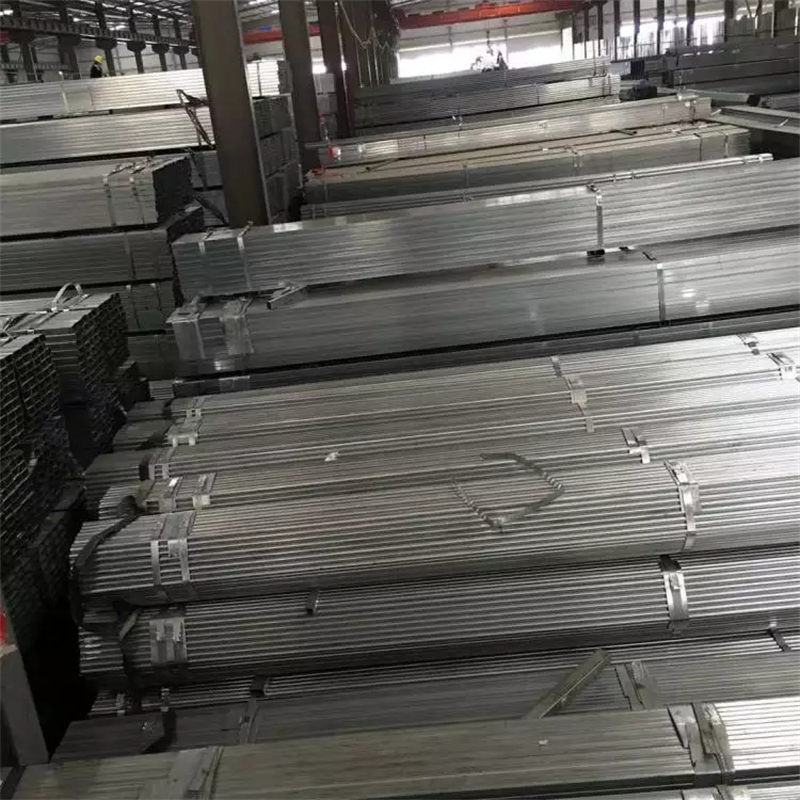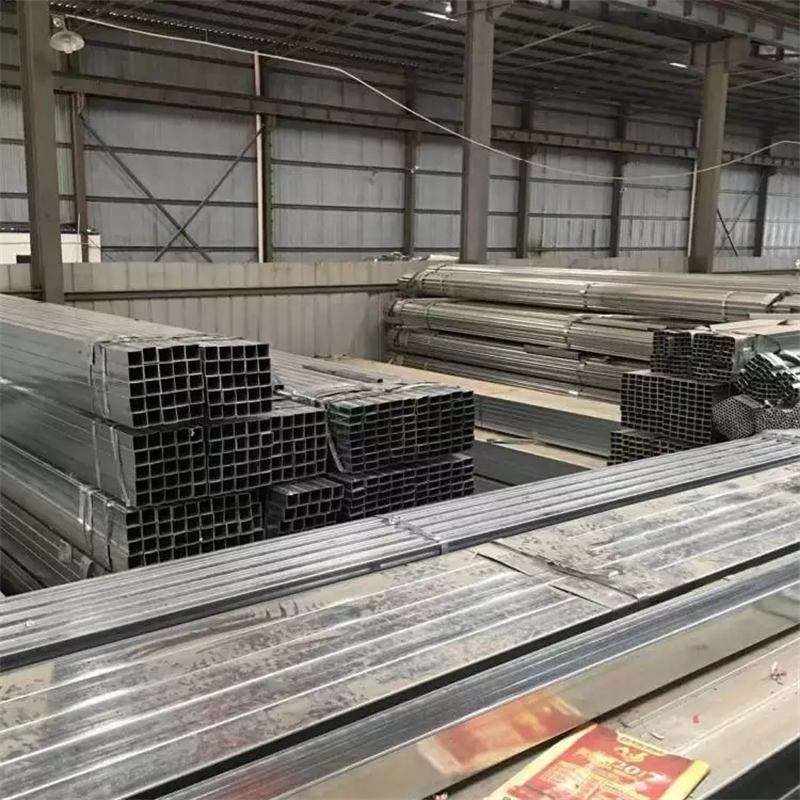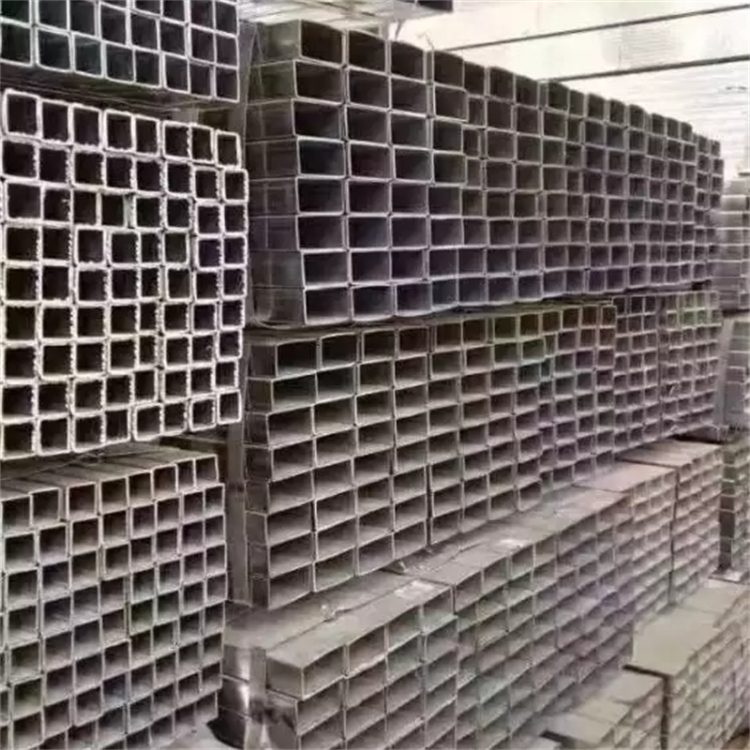

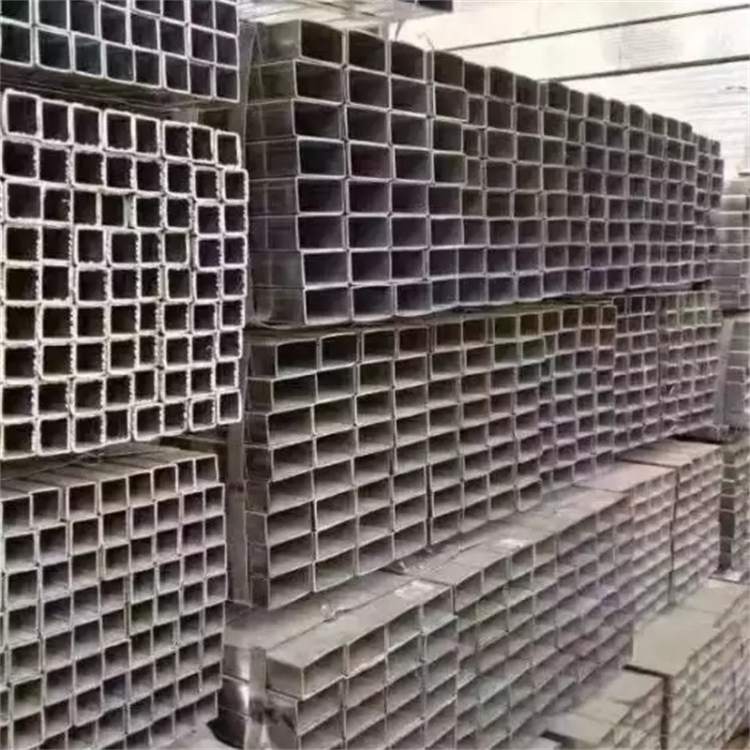
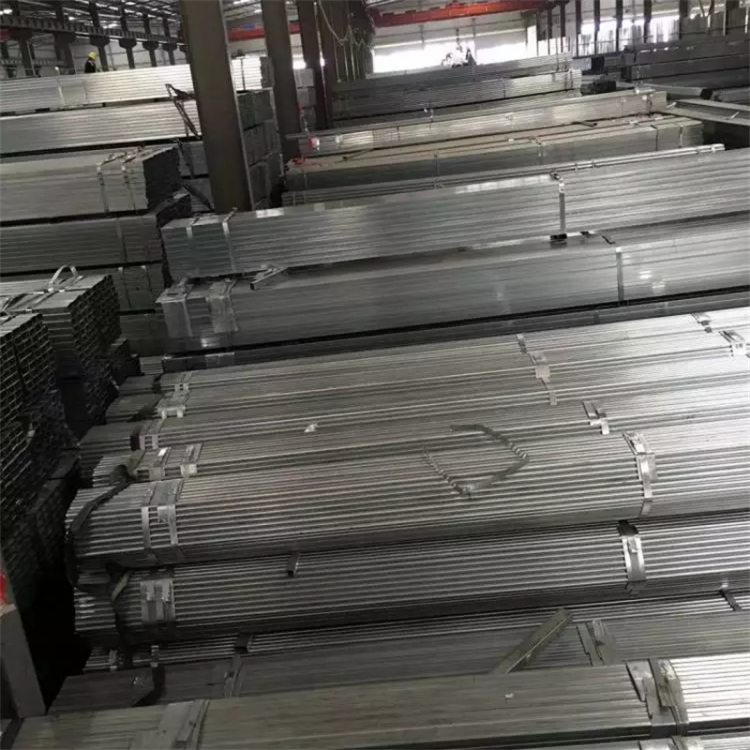
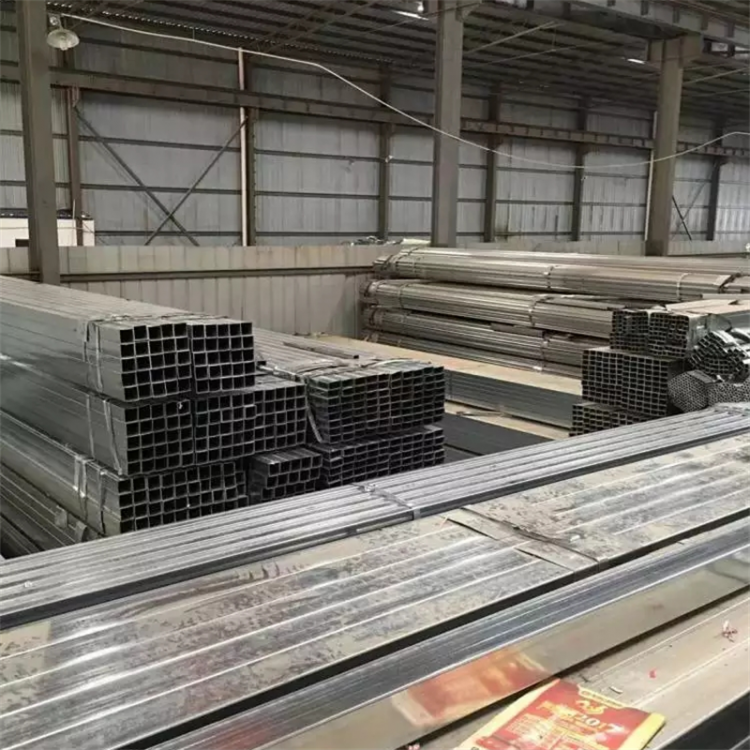












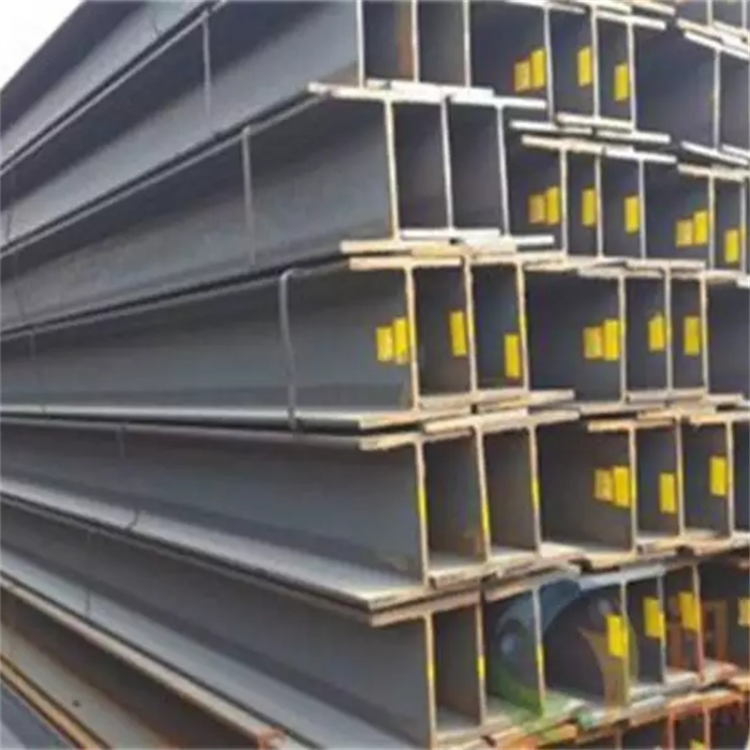
Galvanized square tubes are hollow square steel pipes with square cross-section shapes and sizes, manufactured by cold bending and high-frequency welding steel strips or coils of galvanized steel, which are hot-rolled or cold-rolled, or by hot-dip galvanizing processed on pre-bent hollow square steel tubes.
Galvanized square tubes are categorized into hot-dip galvanized and cold-dip galvanized based on their production processes. It is precisely due to the different processing methods of these two types of galvanized square tubes that they possess many distinct physical and chemical properties. In summary, they differ significantly in terms of strength, toughness, and mechanical properties.
Galvanized Square Pipe
Hot-Dip Galvanized Square Pipe: It is a square pipe made by welding steel plates or steel strip after rolling and forming, and then placing the square pipe into a hot-dip galvanizing bath where it undergoes a series of chemical reactions to form a new type of square pipe. The production process for hot-dip galvanized square pipe is relatively simple, with high production efficiency, a wide variety of specifications, and requires minimal equipment and capital, making it suitable for small-scale galvanized square pipe manufacturers. However, in terms of strength, this type of steel pipe is significantly lower than seamless square pipes.
Cold galvanized rectangular tube
Cold galvanized square tubes are treated with cold galvanizing to provide corrosion resistance. Unlike hot galvanizing, cold galvanizing coatings rely on electrochemical principles for corrosion protection, necessitating thorough contact between the zinc powder and steel, creating an electrode potential difference. Therefore, surface treatment of the steel is crucial.
Difference between Hot-Dip Galvanized and Cold-Dip Galvanized
Galvanized square tubes are divided into two main categories: hot-dip galvanized and electro-galvanized. Hot-dip galvanized methods include wet process, dry process, lead-zinc process, and redox method. The main difference among different hot-dip galvanizing methods lies in the use of a method to activate the tube surface after the acid pickling process to improve galvanizing quality. Currently, the dry process and redox method are mainly used, with their characteristics listed in the table. Electro-galvanized zinc coating is extremely smooth, dense, and uniformly structured; it has good mechanical properties and corrosion resistance; zinc consumption is 60% to 75% lower than hot-dip galvanizing. Electro-galvanizing is technically complex, but it is necessary for single-sided coating, double-sided coating with different thicknesses on the inner and outer surfaces, and galvanizing of thin-walled tubes.
Usage
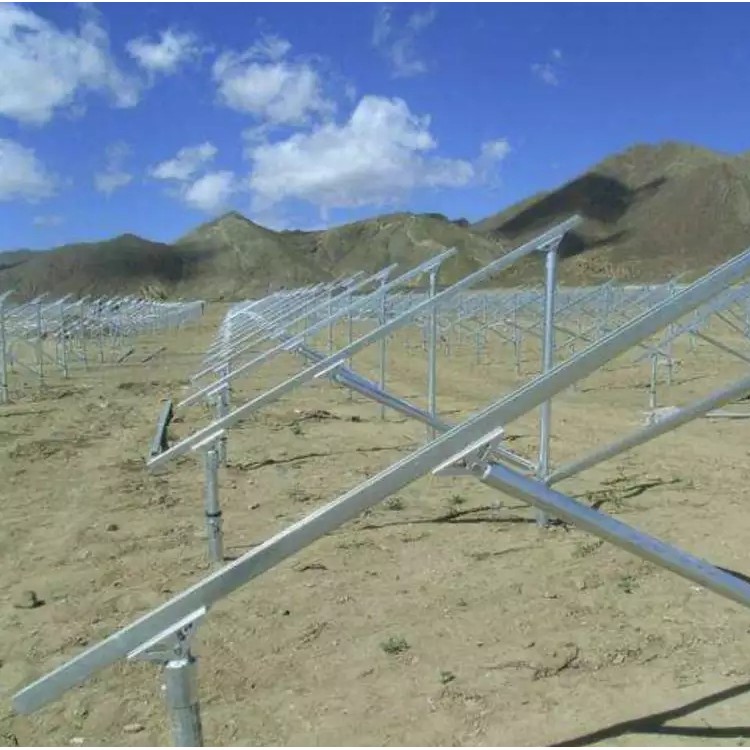
Due to the galvanized treatment applied to the square tubes, the application range of galvanized square tubes has been greatly expanded compared to plain square tubes. They are primarily used in curtain walls, construction, machinery manufacturing, steel construction projects, shipbuilding, solar panel supports, steel structure projects, power engineering, power plants, agricultural and chemical machinery, glass curtain walls, automotive undercarriages, airports, and more.
Features
Galvanized coatings offer enhanced protective properties and corrosion resistance. The entire structure is composed of zinc, forming a dense quaternary crystalline layer. This crystalline layer acts as a barrier on the steel plate, thereby preventing corrosive elements from penetrating. The protective function of the zinc barrier layer is strong. When zinc serves as a sacrificial protector at the cut edges, scratches, and coating abrasions, it forms an insoluble oxide layer, which then functions as a barrier protection.