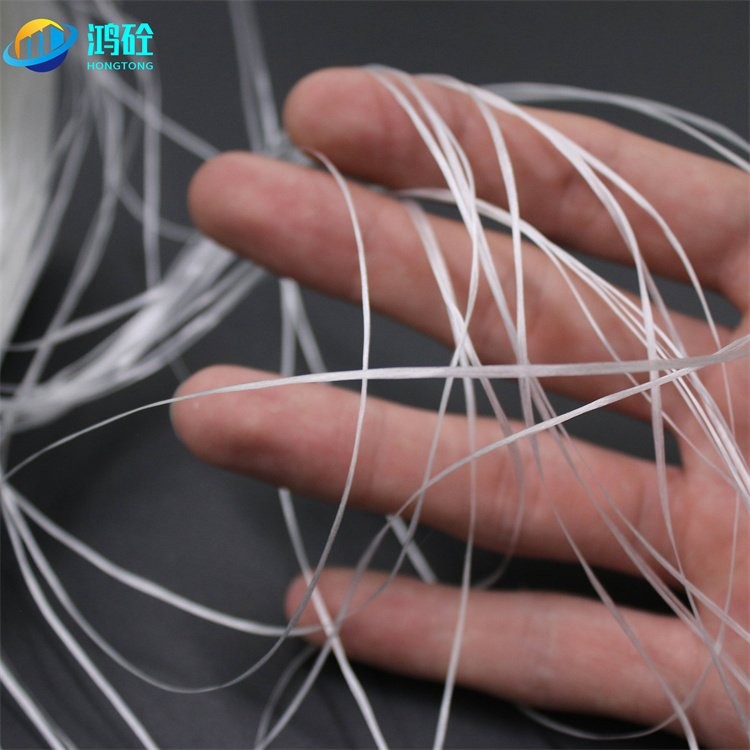







Glass fiber winding yarn is primarily used as electrical insulation material, industrial filtration material, anti-corrosion, moisture-proof, heat-insulating, sound-insulating, and vibration-damping materials. It can also serve as reinforcing material for manufacturing reinforced plastics, reinforced rubbers, reinforced plaster, and reinforced cement products.
Glass fiber is primarily used as electrical insulation material, industrial filtration material, and as anti-corrosion, moisture-proof, heat-insulating, sound-insulating, and shock-absorbing materials. It can also serve as a reinforcing material for manufacturing reinforced plastics, reinforced rubbers, reinforced plaster, and reinforced cement products. Coating glass fiber with organic materials enhances its flexibility, making it suitable for packaging fabrics, window screens, wall coverings, coverings, protective clothing, and electrical and sound-insulating materials. As a reinforcing material, glass fiber possesses the following characteristics, which make its application far more widespread and rapidly developed than other types of fibers: (1) High tensile strength with minimal elongation (3%). (2) High elastic modulus and good rigidity. (3) Large elongation within the elastic limit and high tensile strength, allowing for significant shock absorption. (4) Inorganic fiber with non-flammability and excellent chemical resistance. (5) Low water absorption. (6) Good dimensional stability and heat resistance. (7) Excellent processability, available in forms such as strands, ropes, felts, and woven fabrics. (8) Transparent and allows light transmission. (9) Surface treatment agents for good adhesion to resins have been developed. (10) Affordable pricing. (11) Non-flammable and can melt into glass-like beads at high temperatures.