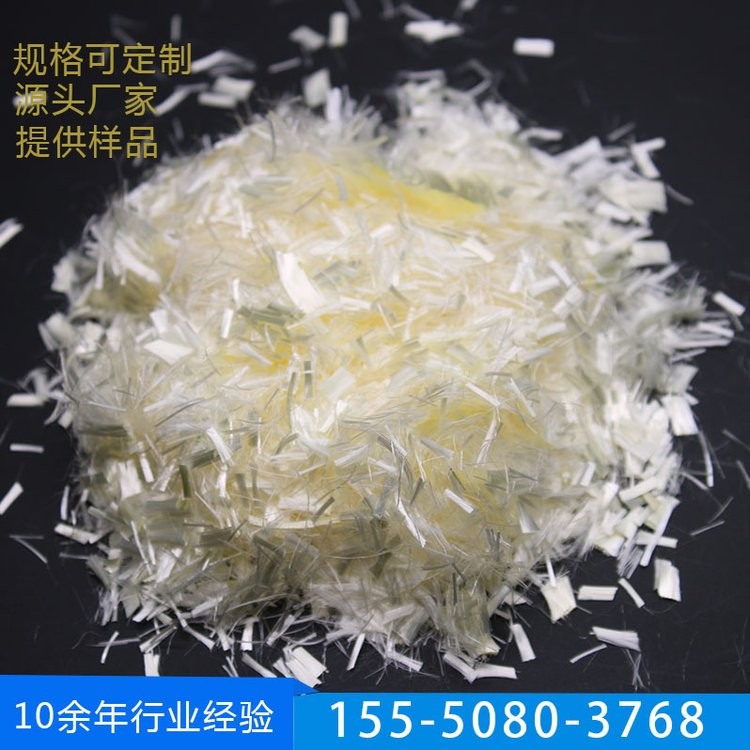







Synthetic fibers made from acrylonitrile copolymers with acrylonitrile or acrylonitrile content greater than 85% (by weight). Common monomers include non-ionic monomers such as methyl acrylate, methyl methacrylate, etc., with the third monomer being an ionic monomer like sodium acrylate.
Over a century ago, polyacrylonitrile was synthesized, but due to the lack of a suitable solvent, it couldn't be spun into fiber. In 1942, German H. Rein and American G.H. Linstead discovered dimethylformamide solvent almost simultaneously and successfully produced polyacrylonitrile fiber. In 1950, DuPont in the U.S. began industrial production. Since then, various solvents have been found, leading to multiple production processes. In 1954, the German company Hoechst AG used a copolymer of methyl methacrylate and acrylonitrile to produce fiber, improving its properties and practicality, thus promoting the development of polyacrylonitrile fibers. In 1984, the global production of polyacrylonitrile fiber reached 2.4 million tons.