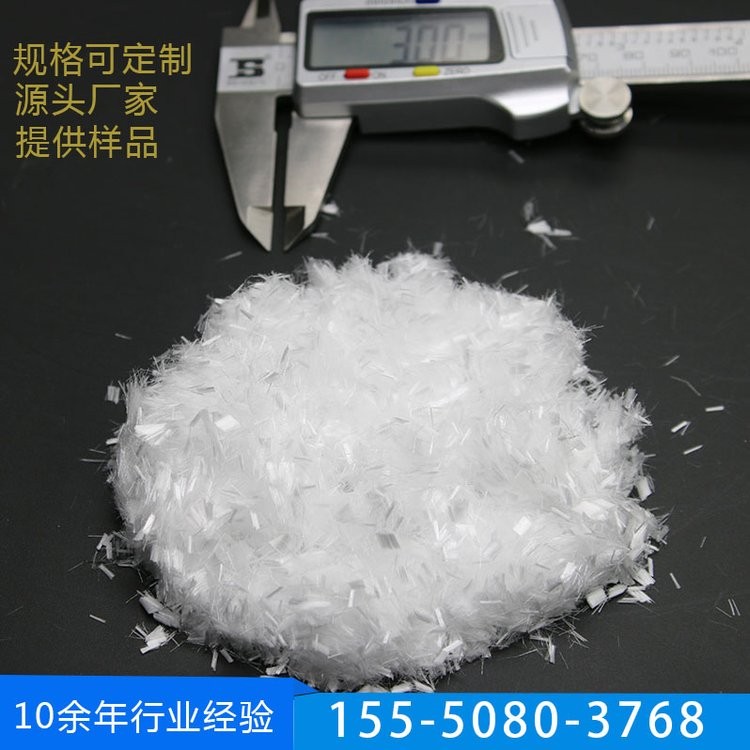







Polyvinyl alcohol (PVA) fiber, also known as PVA fiber, is a synthetic fiber processed from high-polymerized polyvinyl alcohol (PVA) using specific advanced technology.
Vinyl Alcohol Fibers are characterized by high strength and modulus, low elongation, excellent wear resistance, and good acid-base resistance and weather resistance. They have good affinity and bonding with substrates like cement and gypsum, and are non-toxic, pollution-free, and do not harm human skin. They are harmless to the human body and are among the new generation of green building materials with high technology. The raw material for producing vinyl alcohol fibers is polyvinyl alcohol, a water-soluble high polymer with properties between plastics and rubbers, and has a wide range of applications.
Synthetic fiber produced by spinning with polyvinyl alcohol as the raw material. The fiber obtained by treating this type with formaldehyde is known as vinylon in China and polyvinyl alcohol formaldehyde resin fiber internationally. Fibers made from lower molecular weight polyvinyl alcohol through spinning are water-soluble, referred to as water-soluble polyvinyl alcohol fibers. General polyvinyl alcohol fibers do not possess the necessary hot water resistance and have little practical application value. Polyvinyl alcohol formaldehyde resin fibers have properties such as softness and warmth, especially with a high moisture absorption rate (up to 5%), which is relatively high among synthetic fibers, hence the nickname "synthetic cotton." However, they have poor heat resistance, with a softening point of only 120°C.