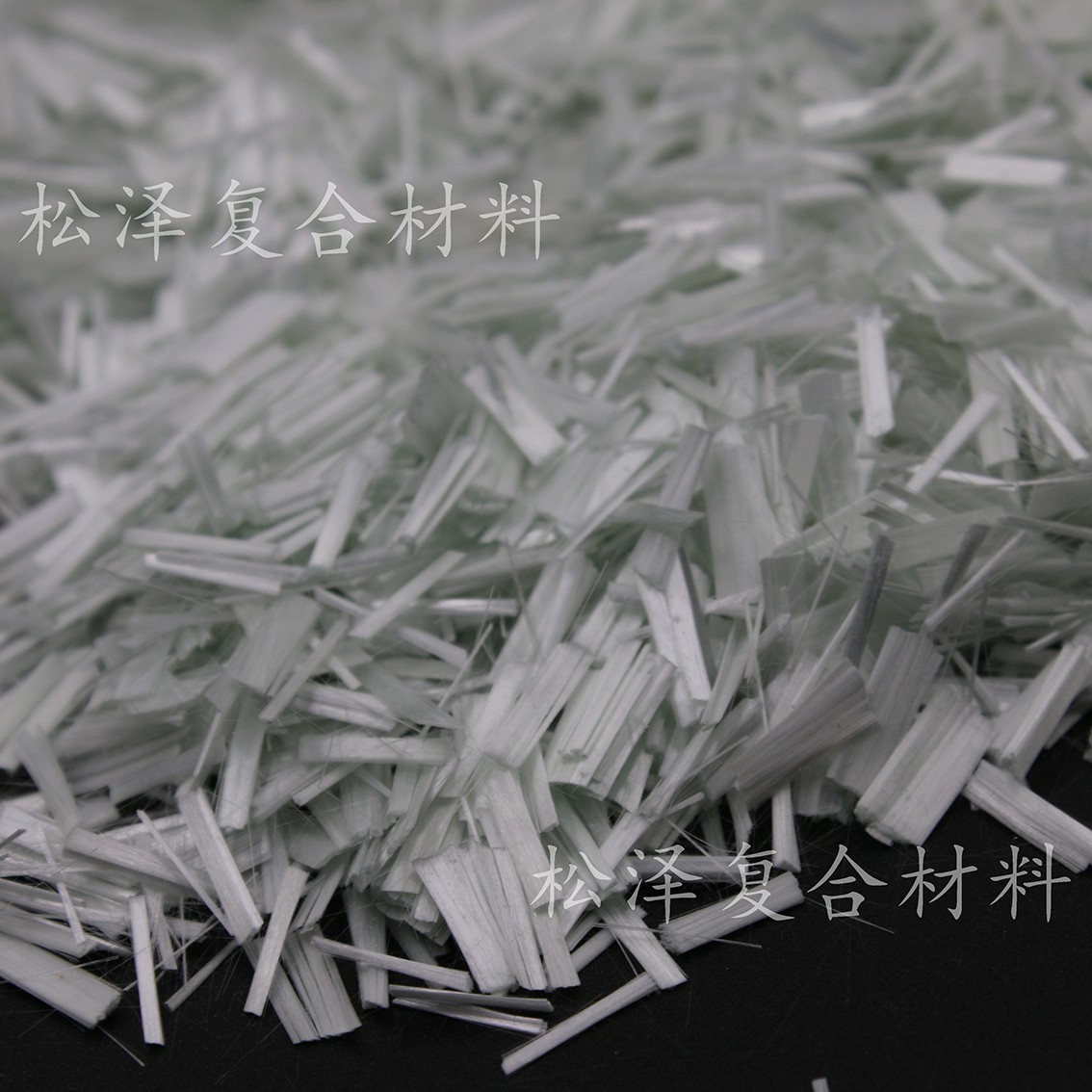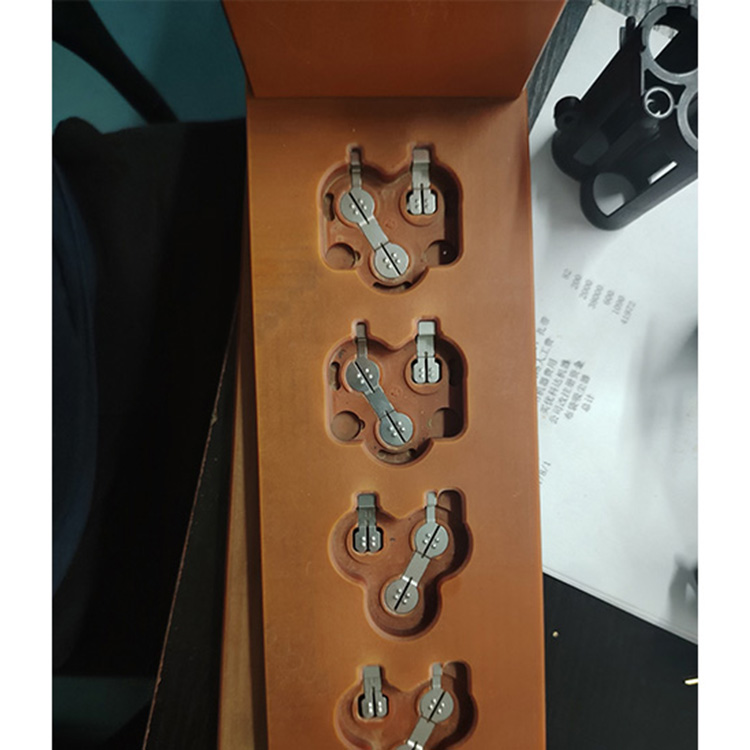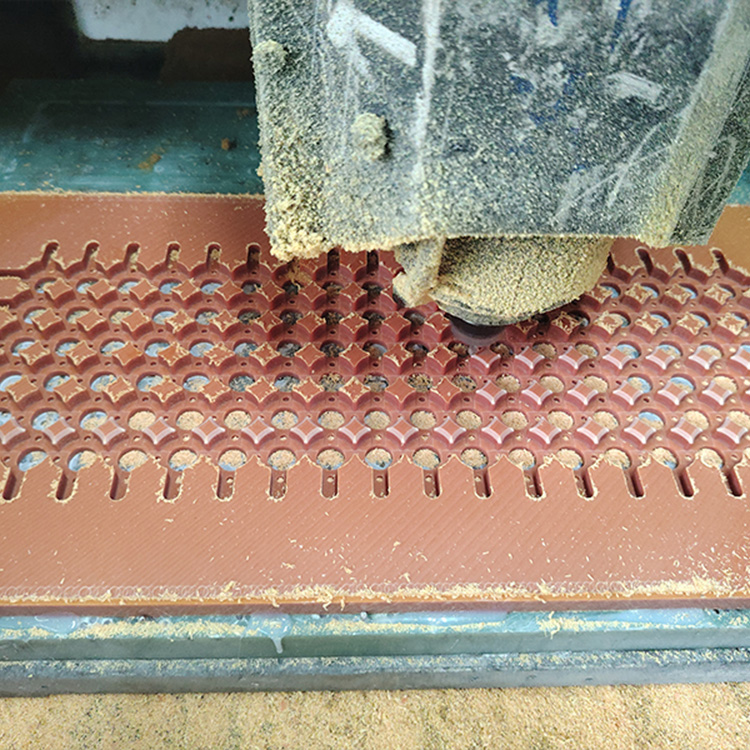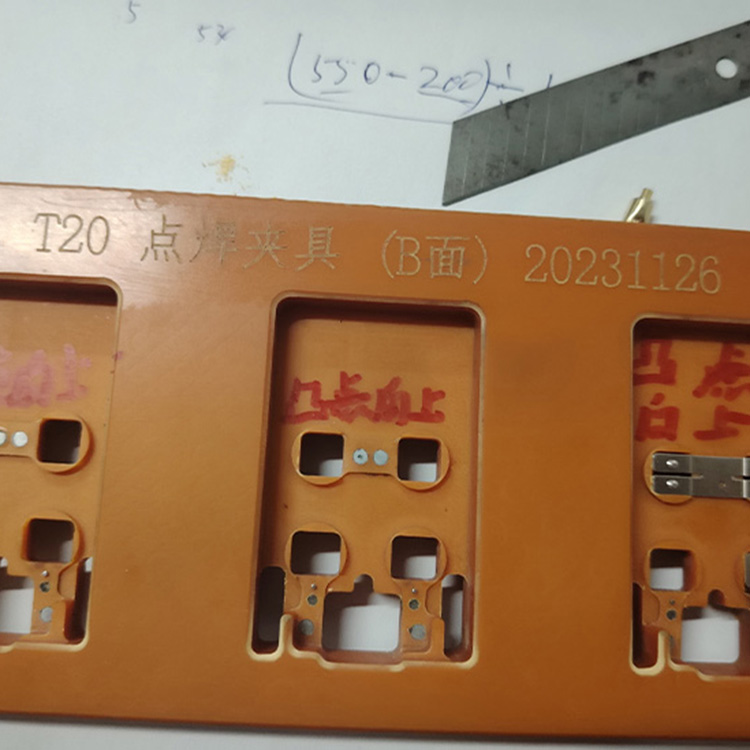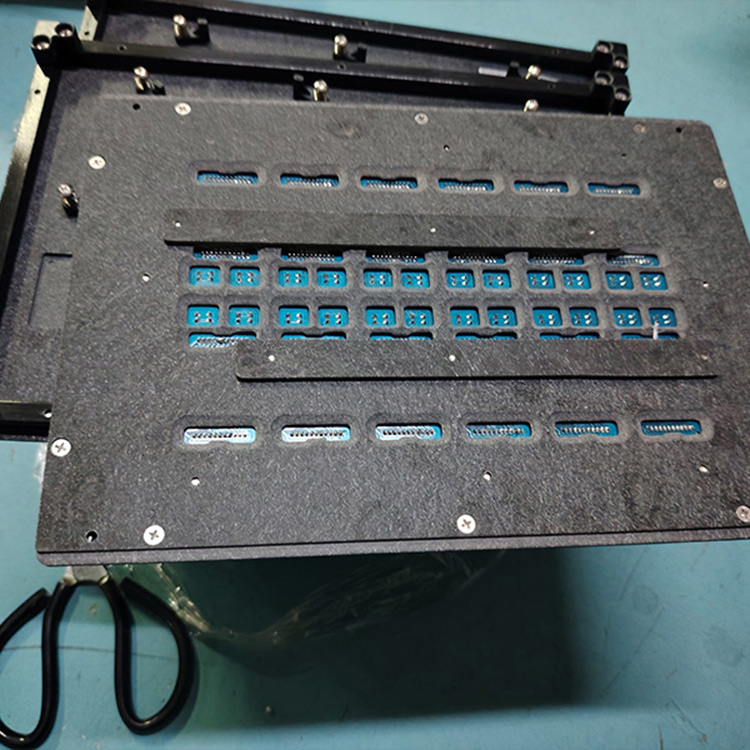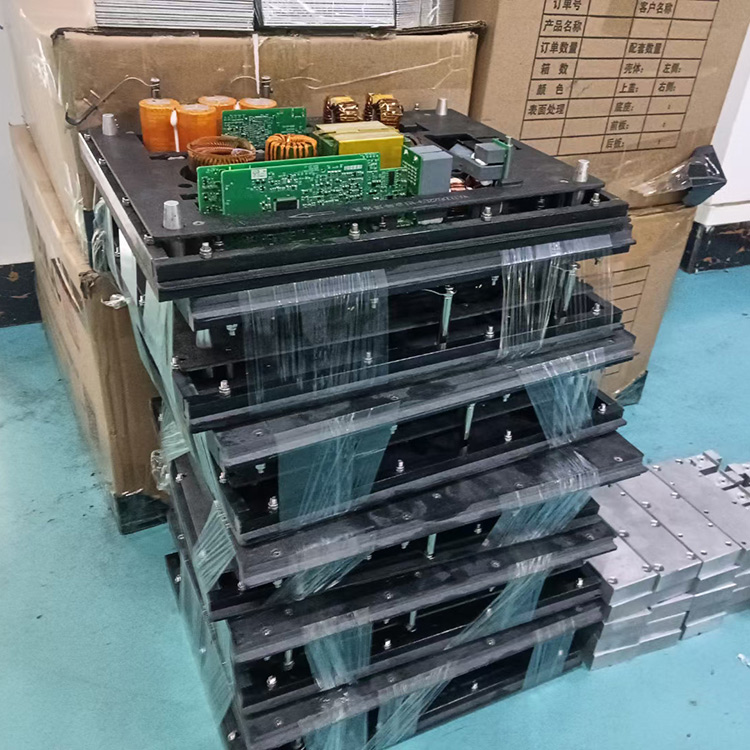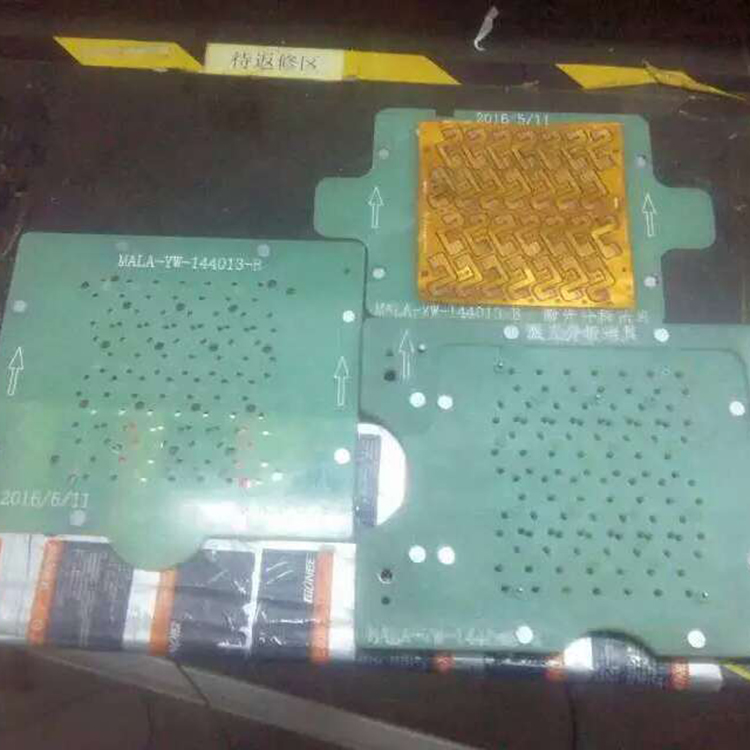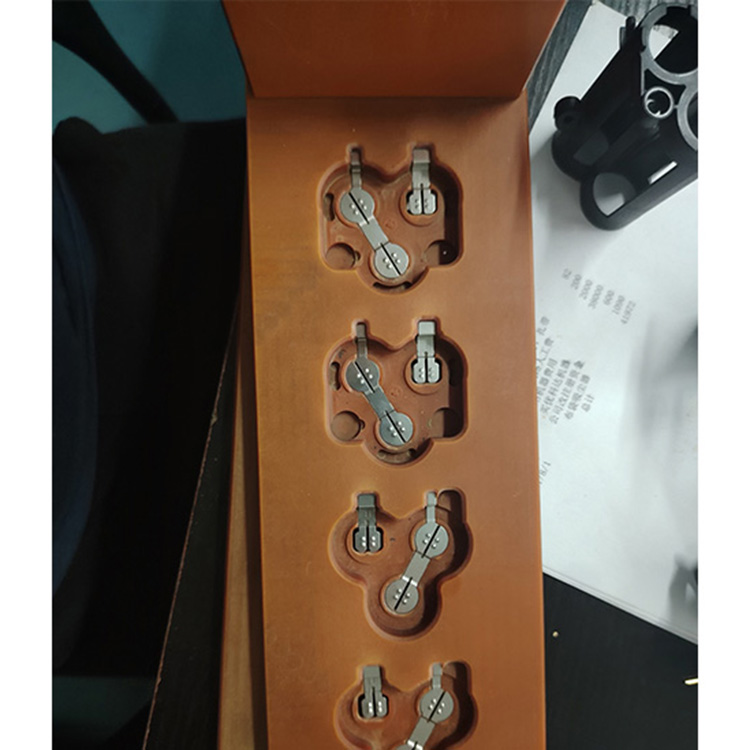







Fiberglass, a superior inorganic non-metallic material, boasts a wide variety of types. Its advantages include excellent insulation, strong heat resistance, good corrosion resistance, and high mechanical strength. However, it is brittle and has poor wear resistance. It is produced from six types of ores, including talc, quartz sand, limestone, dolomite, borate of calcium, and magnesite, through high-temperature melting, drawing, spinning, and weaving processes. The diameter of its single fiber ranges from a few micrometers to twenty or more, equivalent to 1/20 to 1/5 of a human hair. Each bundle of fiber yarn is composed of hundreds, even thousands, of single fibers. Fiberglass is commonly used as reinforcing material in composite materials, electrical insulation materials, thermal insulation materials, circuit boards, and various fields of the national economy.
Glass fiber products are widely used in various fields of the national economy, with electronics, transportation, and construction being the primary three application areas. These also represent the future development trend of the global glass fiber industry in the coming years.