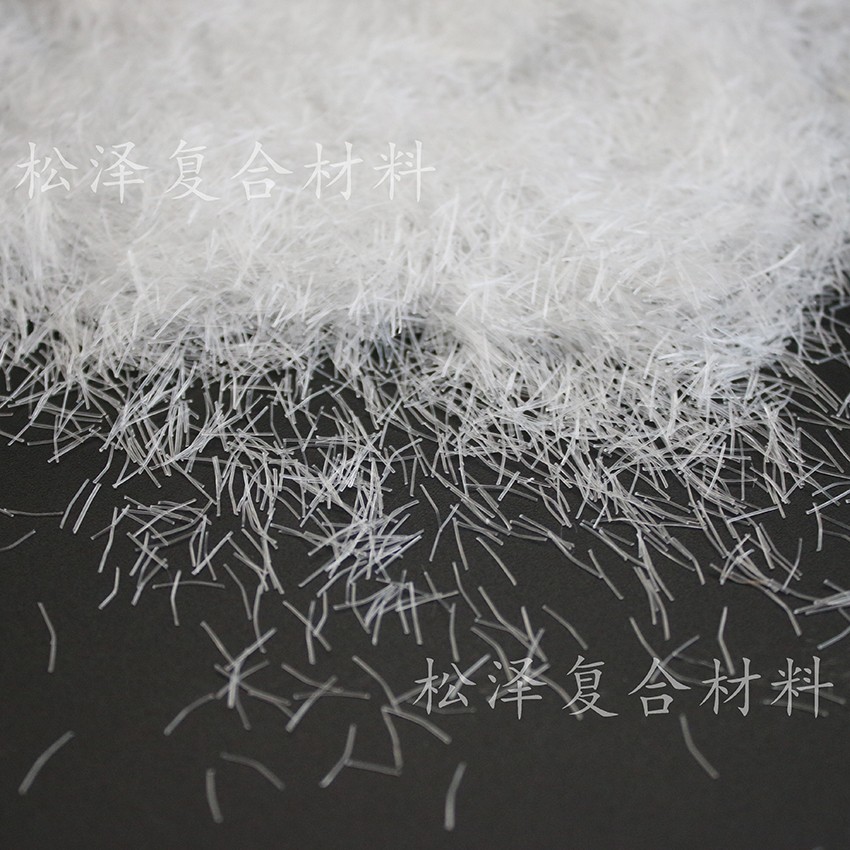







Polyethylene fibers (polypropylene) are fiber materials obtained by spinning polyethylene through melt spinning, including short fibers and filaments. The mechanical strength of this fiber can be adjusted by spinning process parameters, and it maintains the same wet-state strength and elongation as the dry state. Polyethylene fibers offer high strength, low density, and excellent insulation properties, but their low thermal load-bearing capacity and cold creep limit their applications. They are primarily used in the production of various industrial textiles, particularly filter materials, tents, and conveyor belts, among other products.
polyethylene fiber
Polyethylene (PE) is a widely-used plastic polymer globally, with an annual consumption rate exceeding 50 billion pounds. Over 70% of Porex products are made with polyethylene.
PE, with its repetitive linear molecular structure –CH2-CH2-, is a semi-crystalline polymer that enhances its toughness before breaking under tension. Generally, PE is a robust, lightweight thermoplastic material with excellent chemical resistance. Products produced using standard polyethylene grades typically have pore diameters ranging from 7 to 150 micrometers, but these nominal values can be increased to 300 micrometers through special blends.