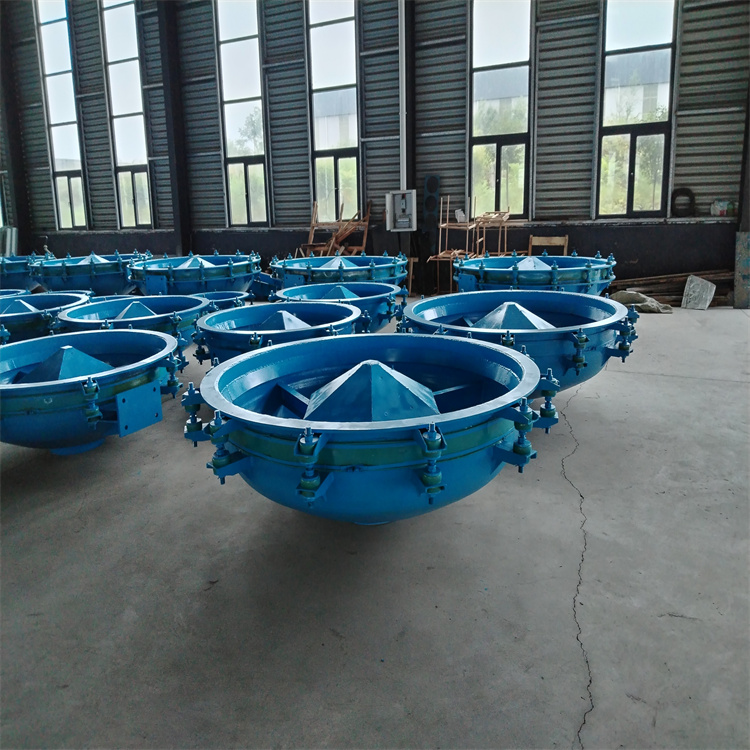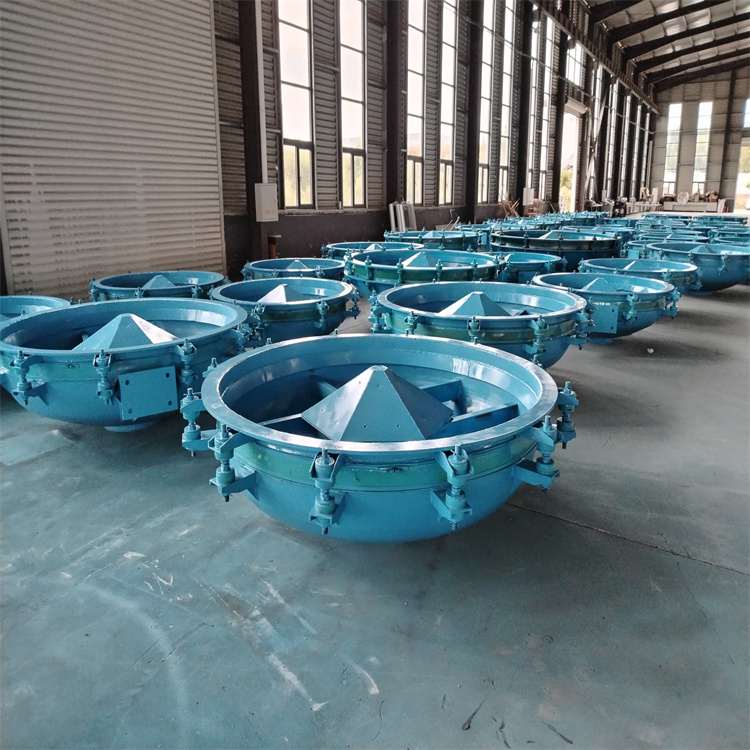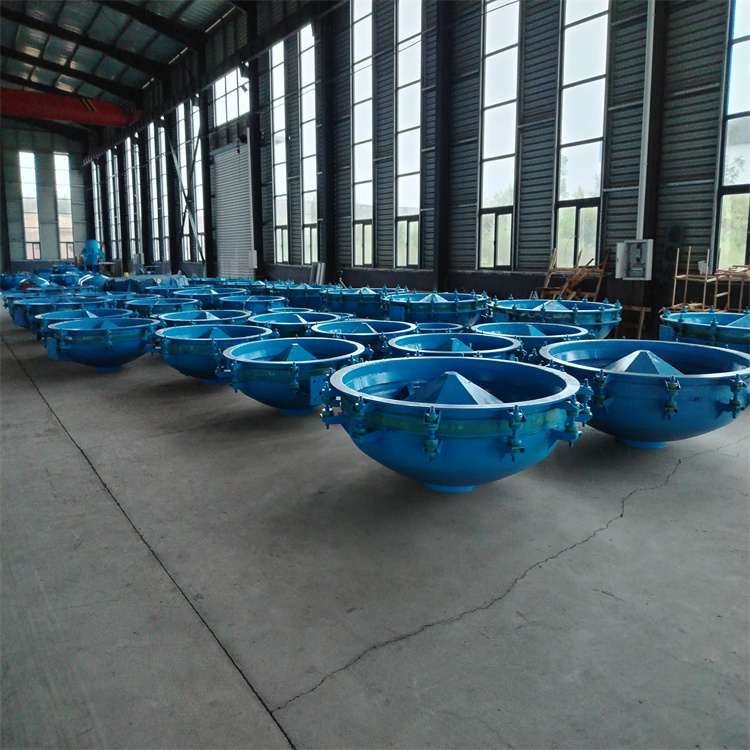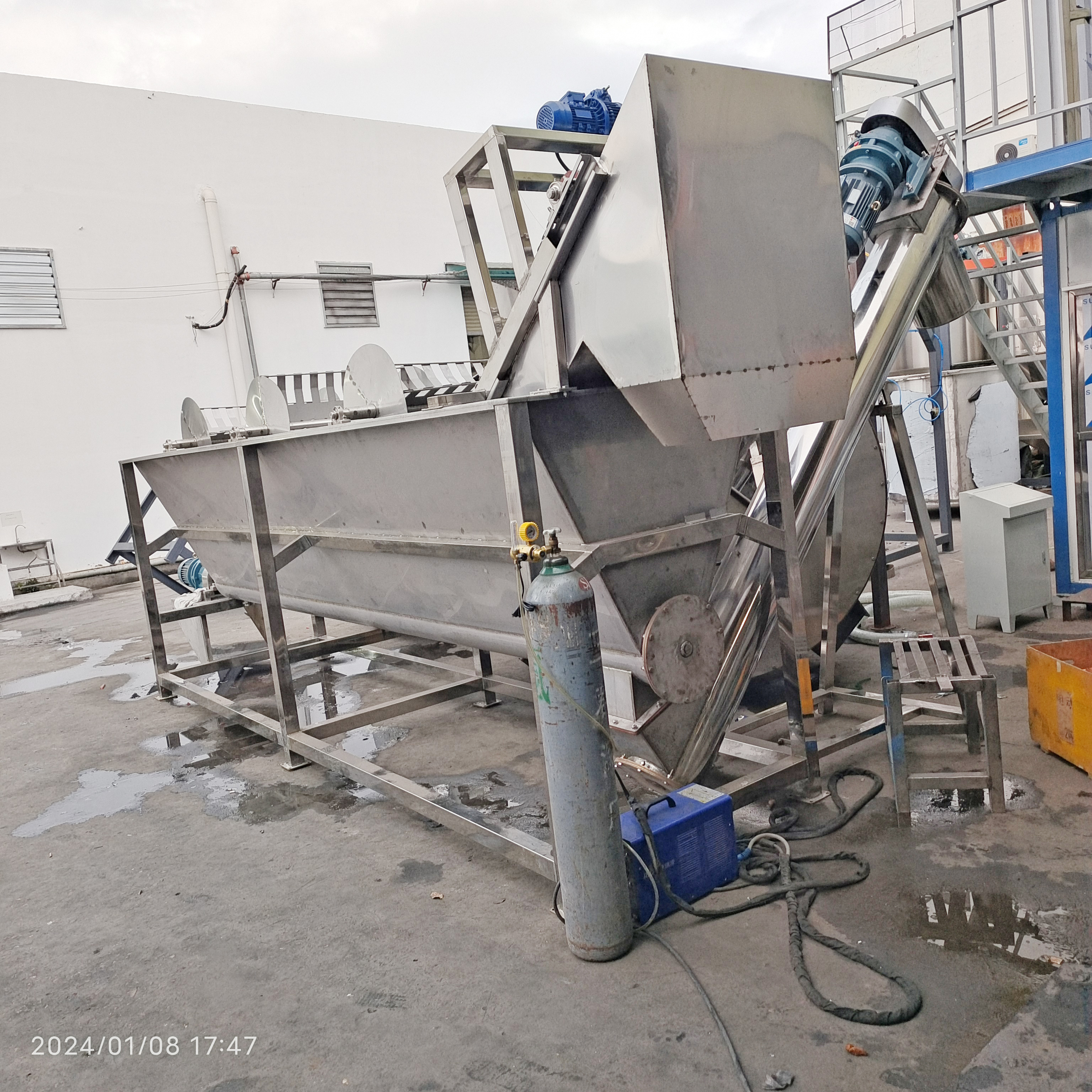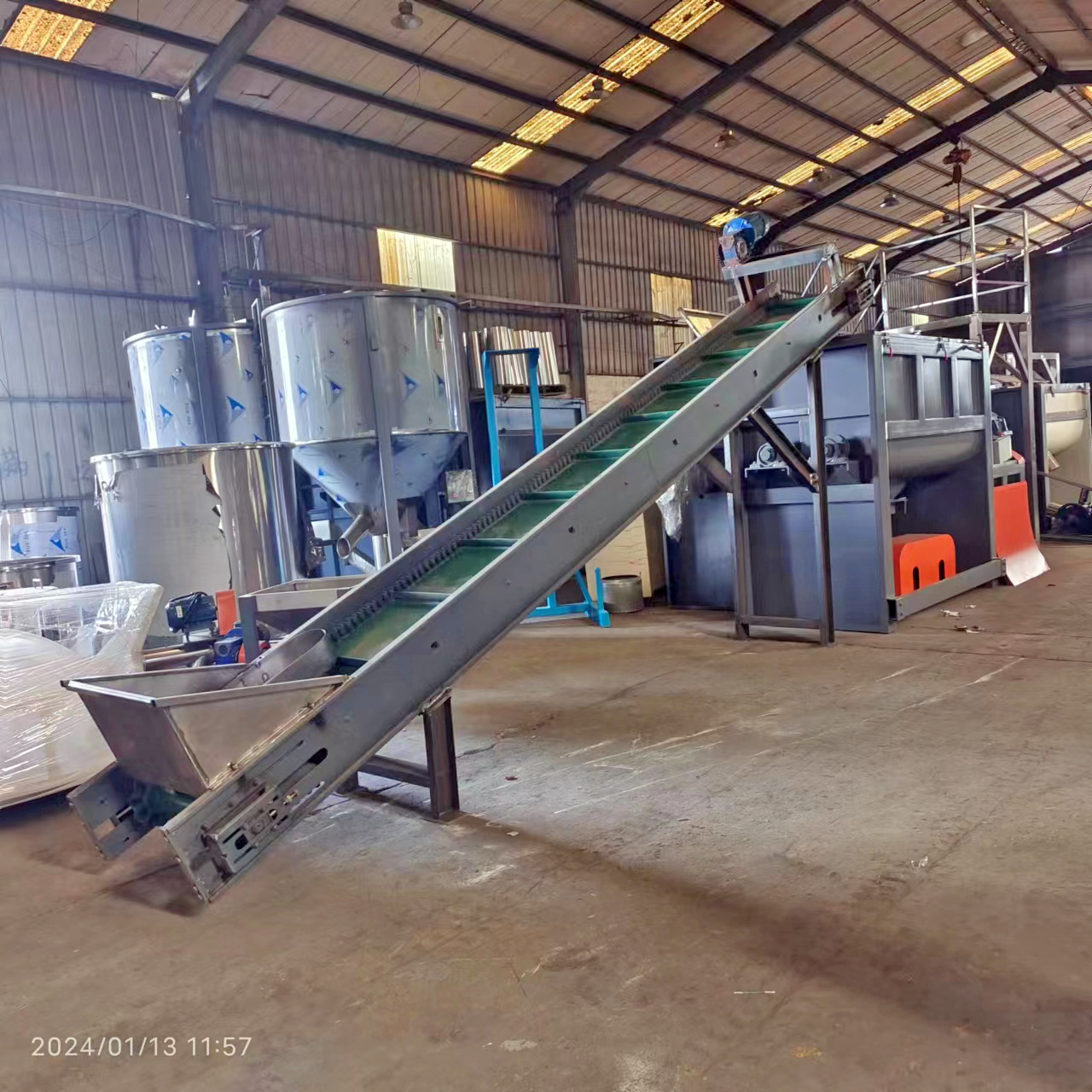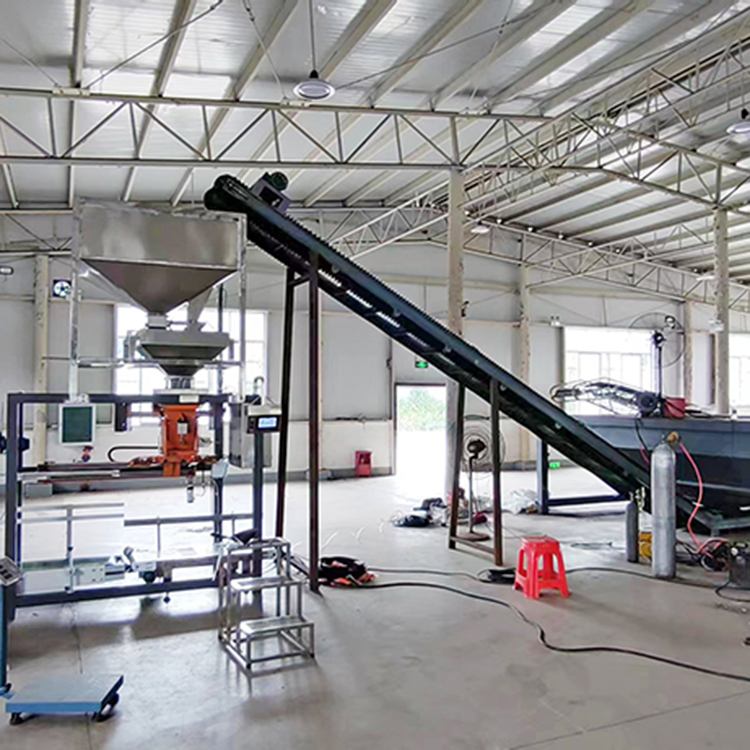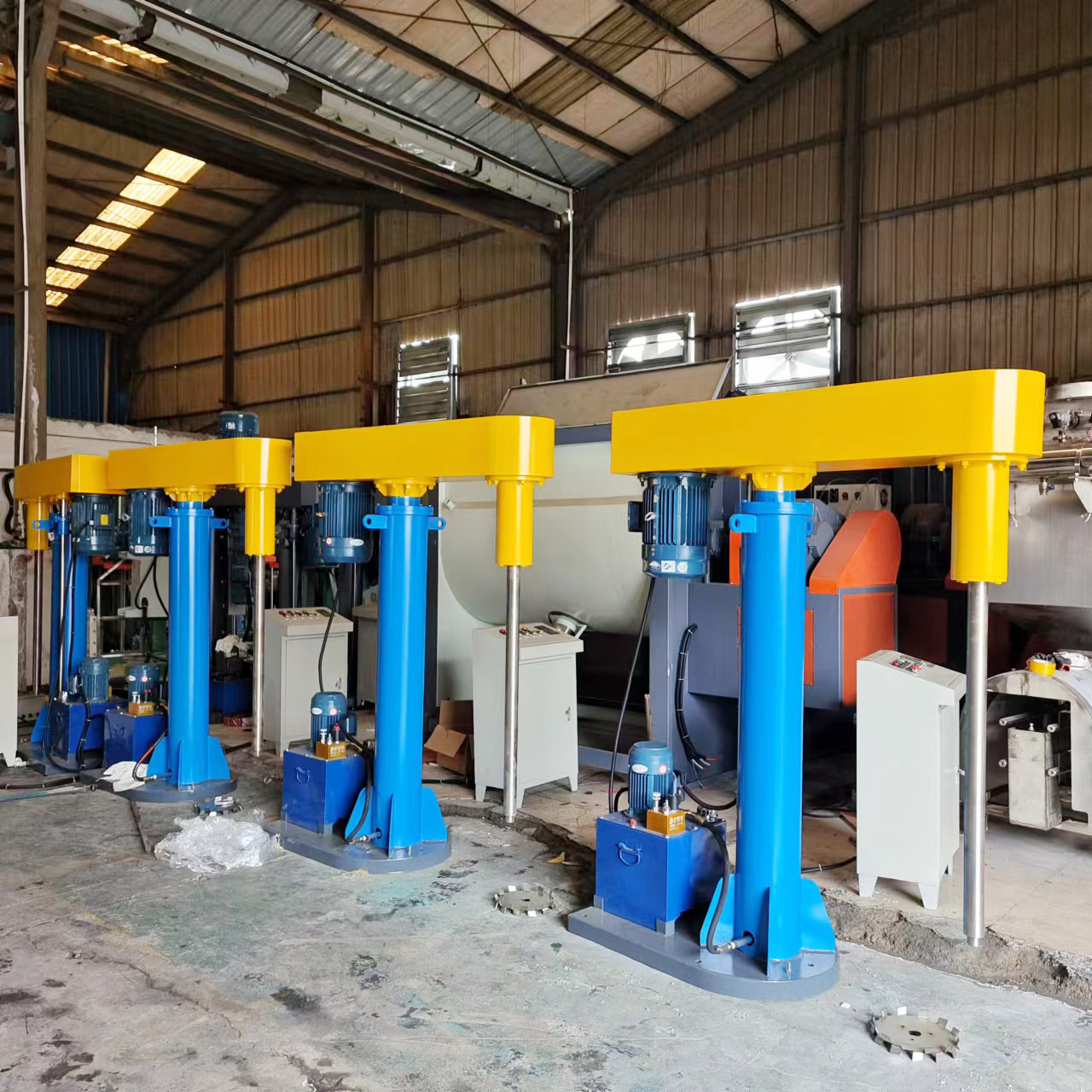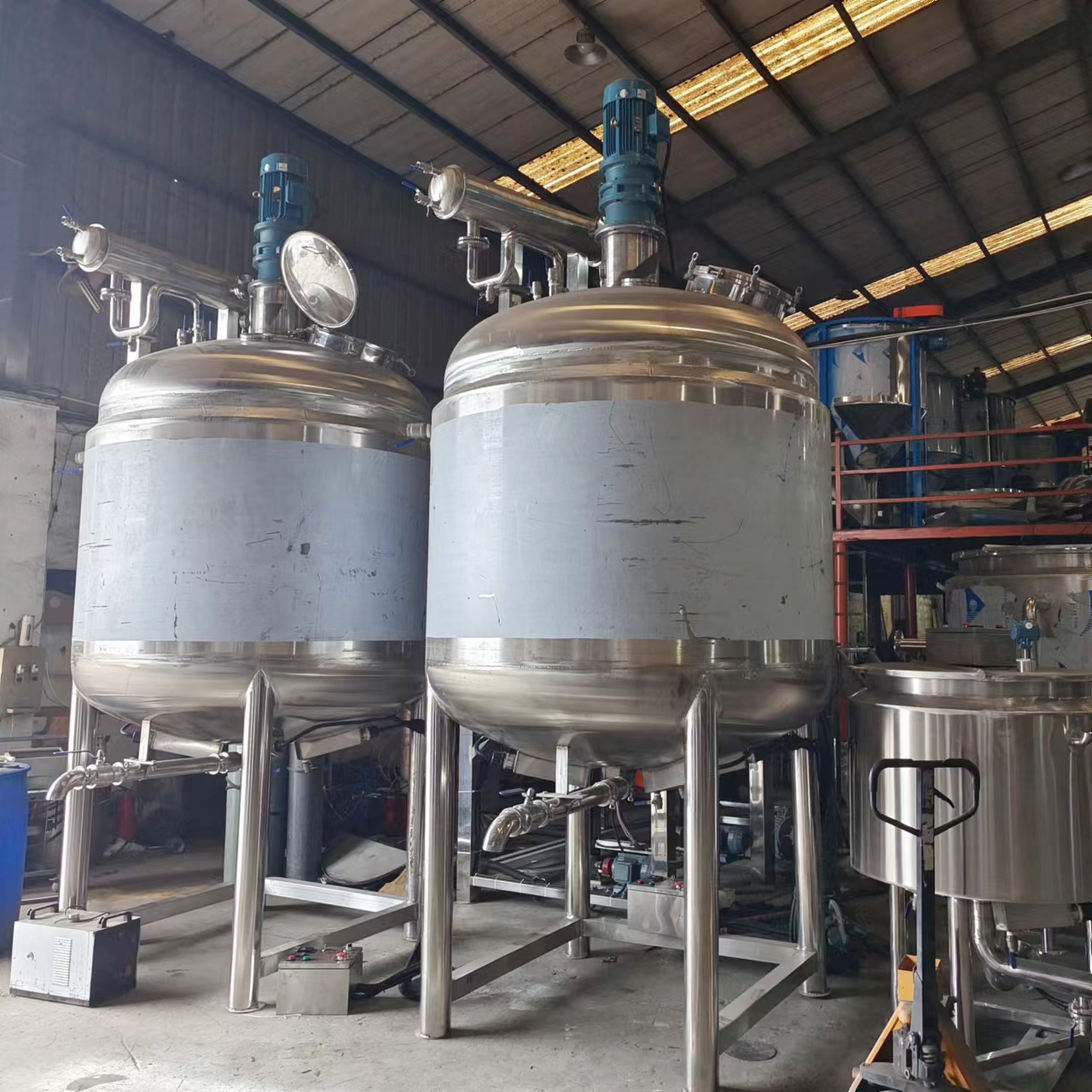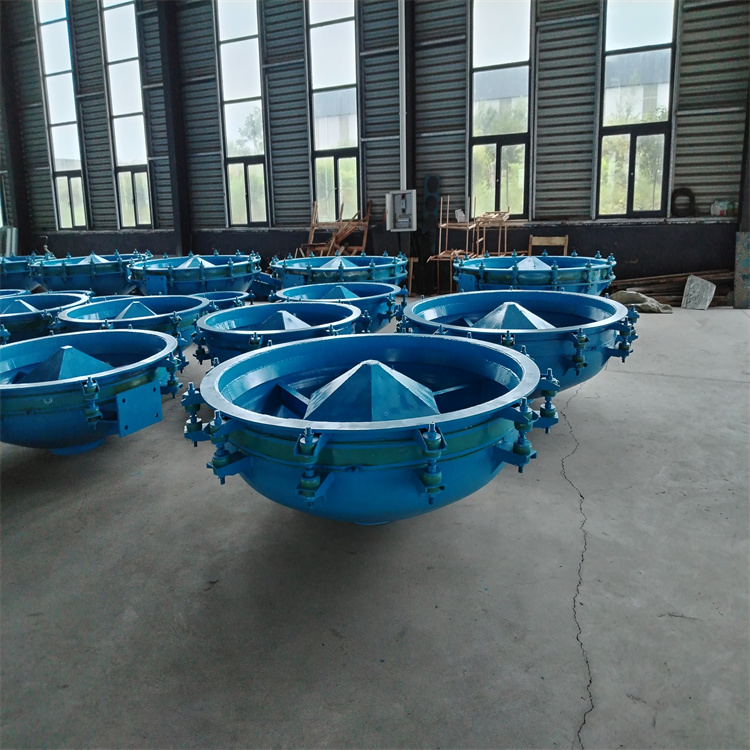

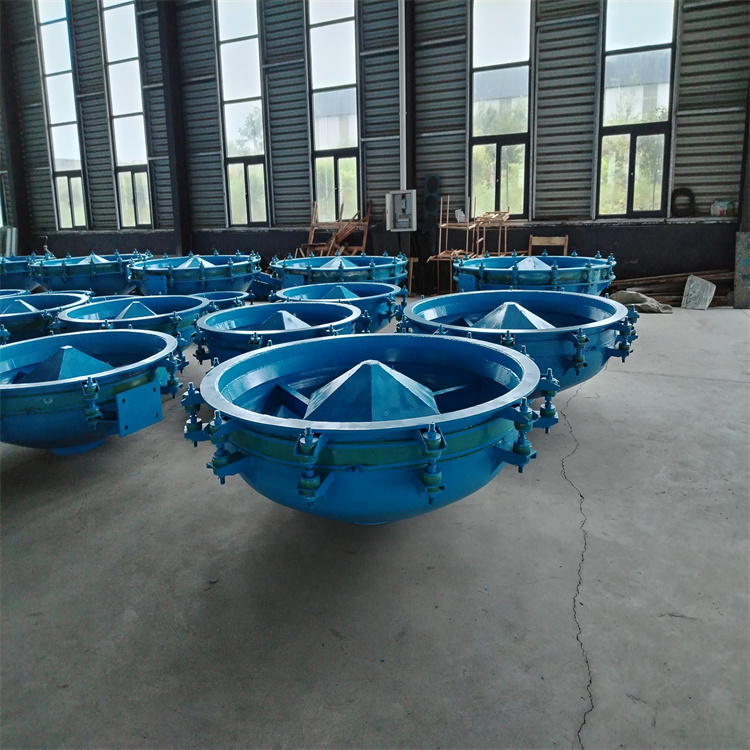
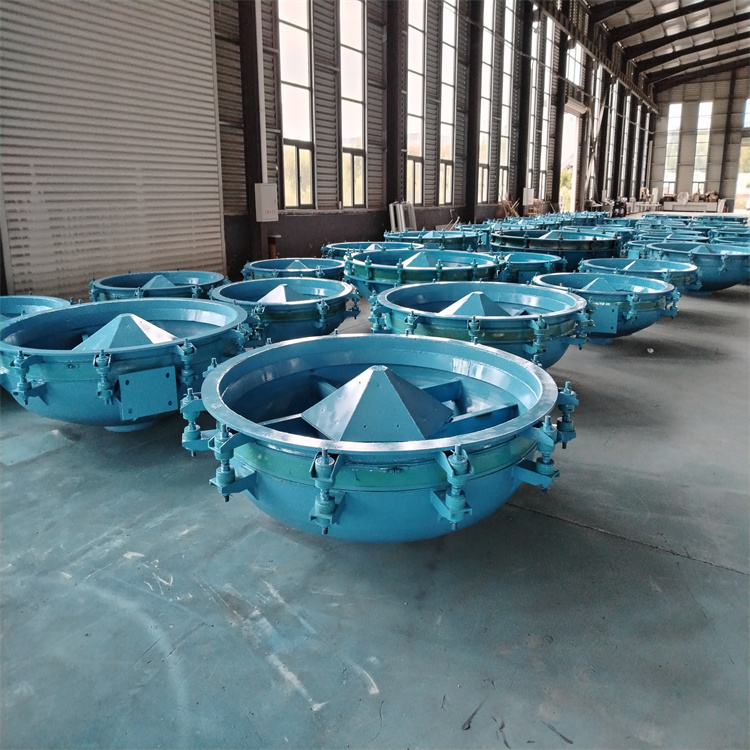
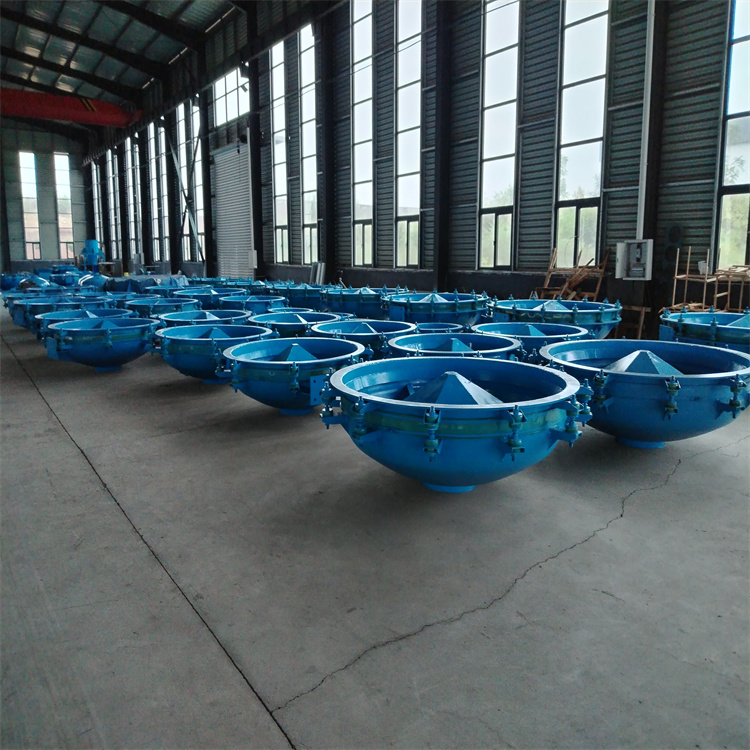


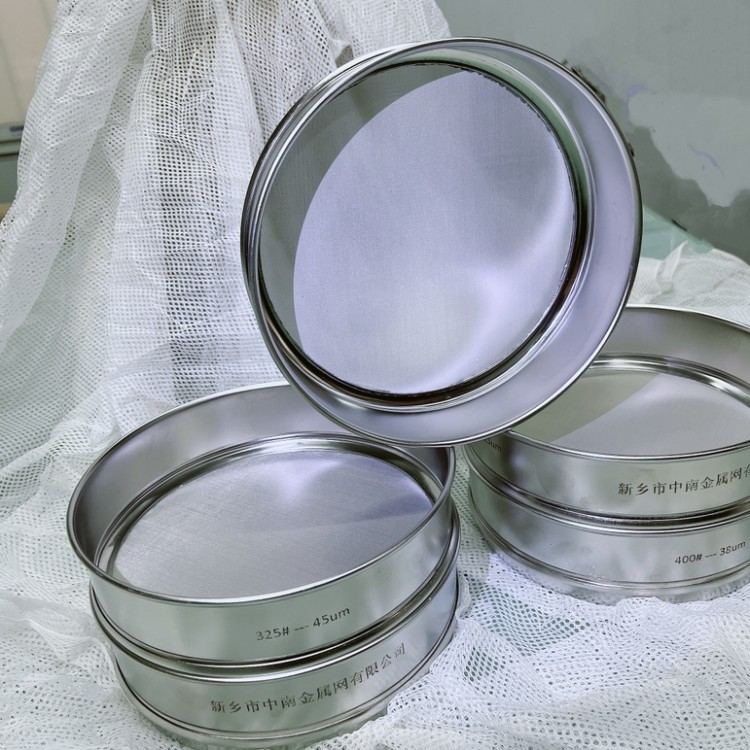
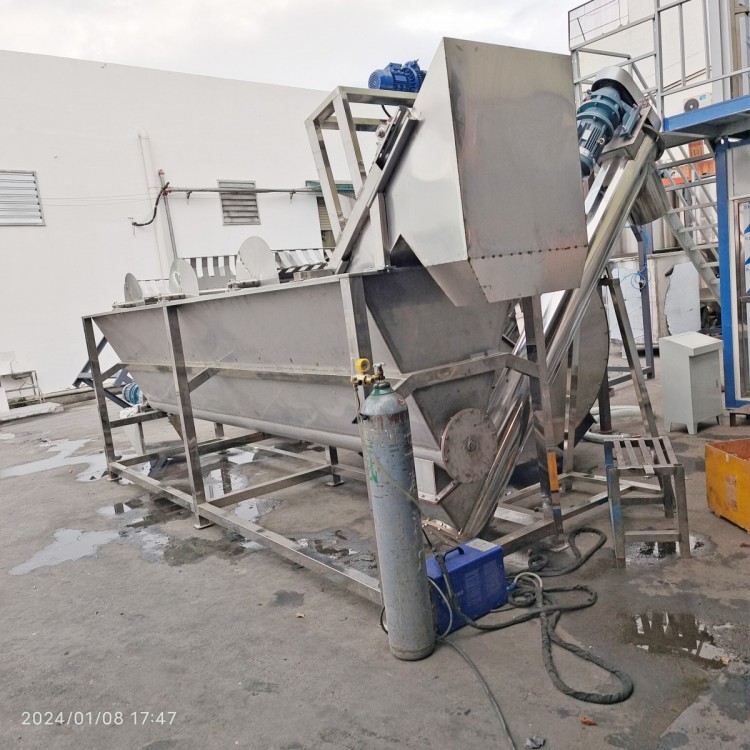
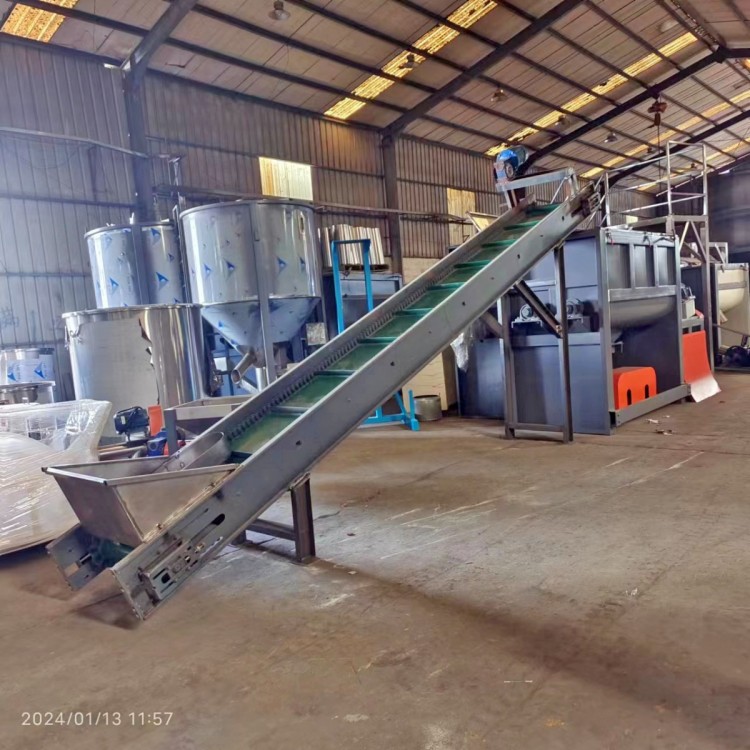
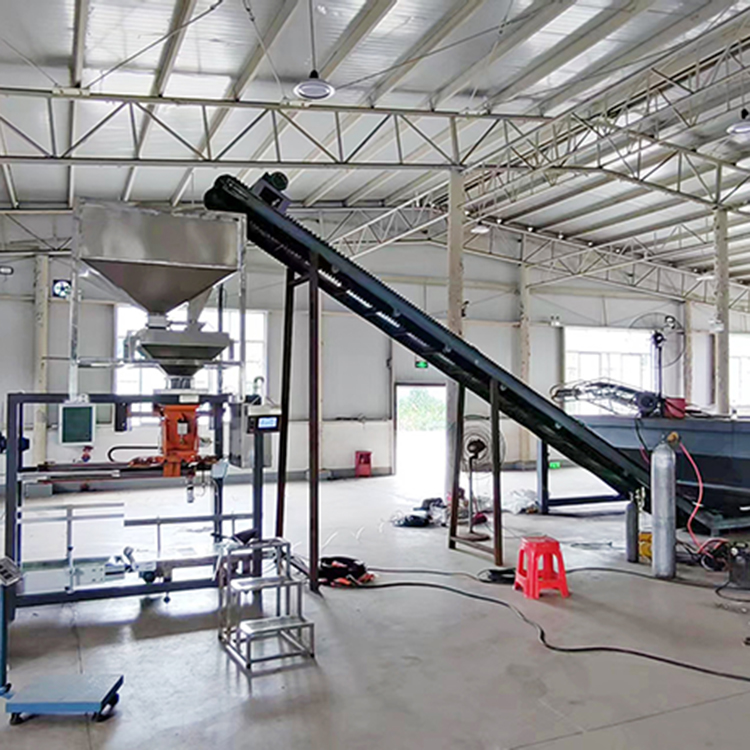
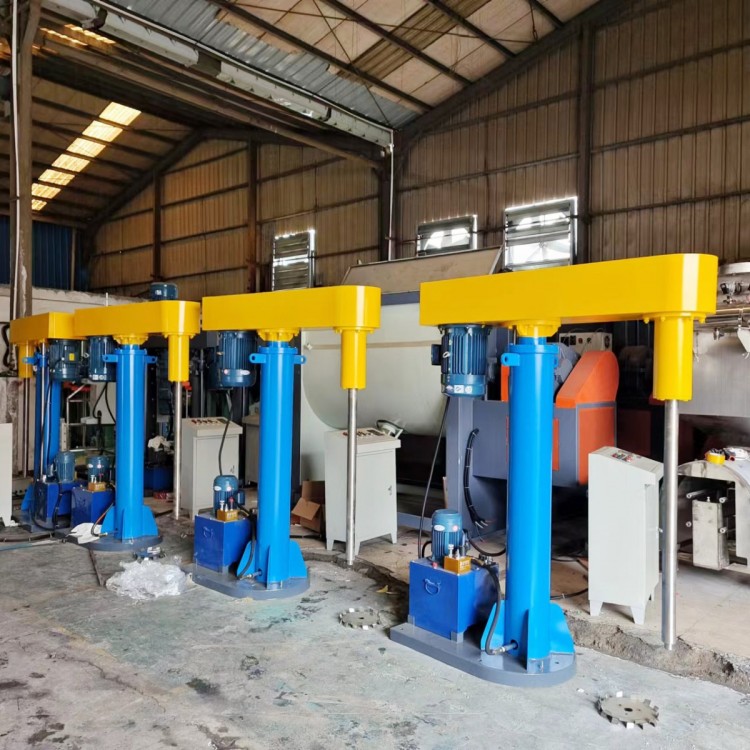





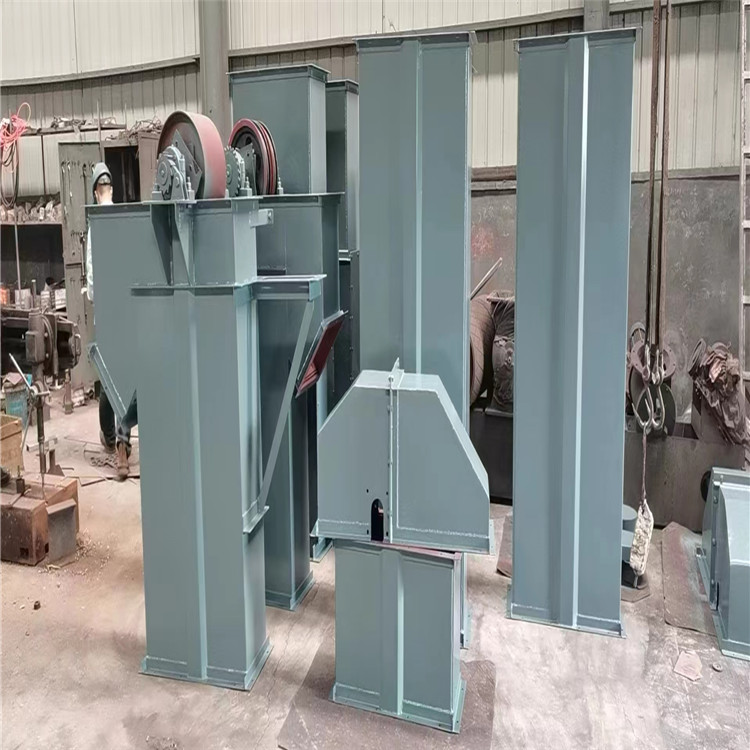
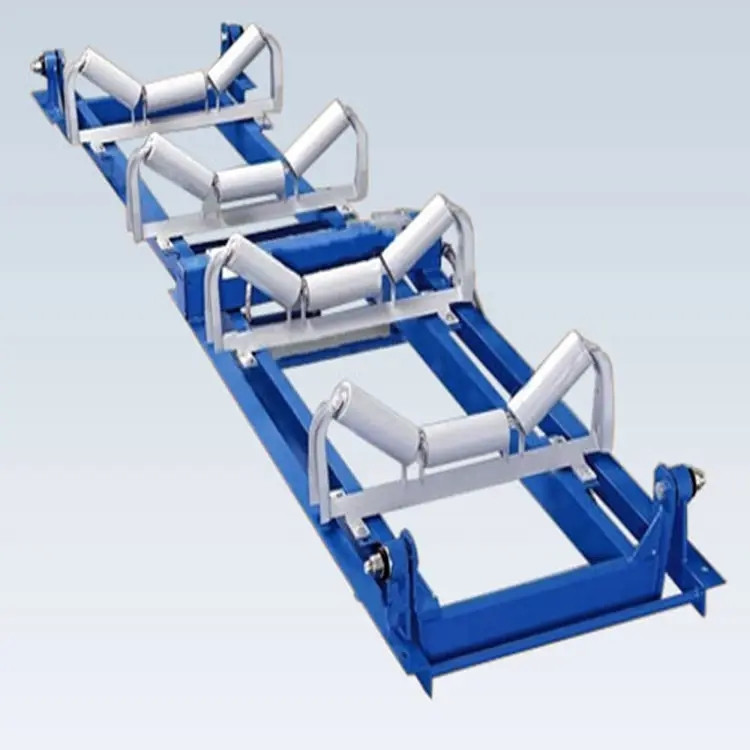
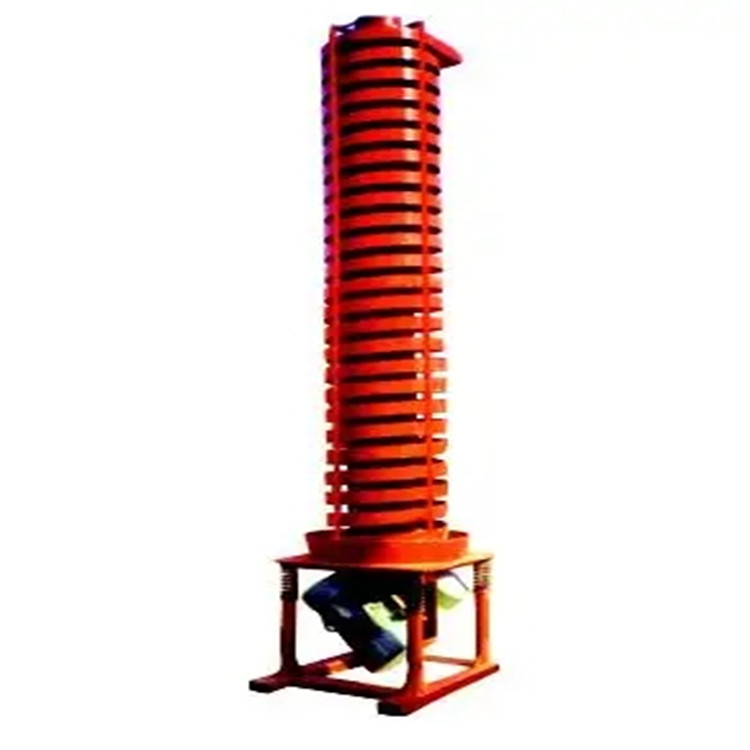
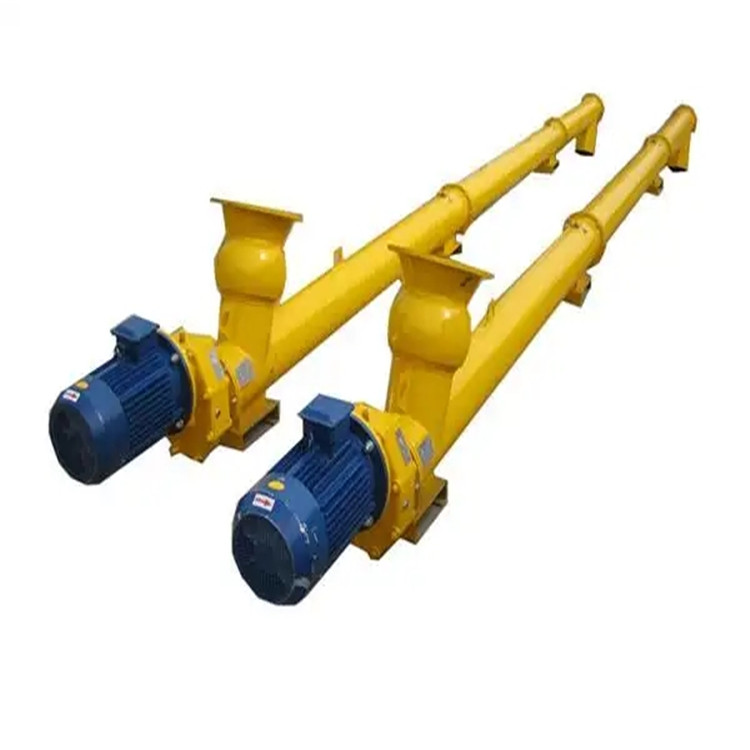
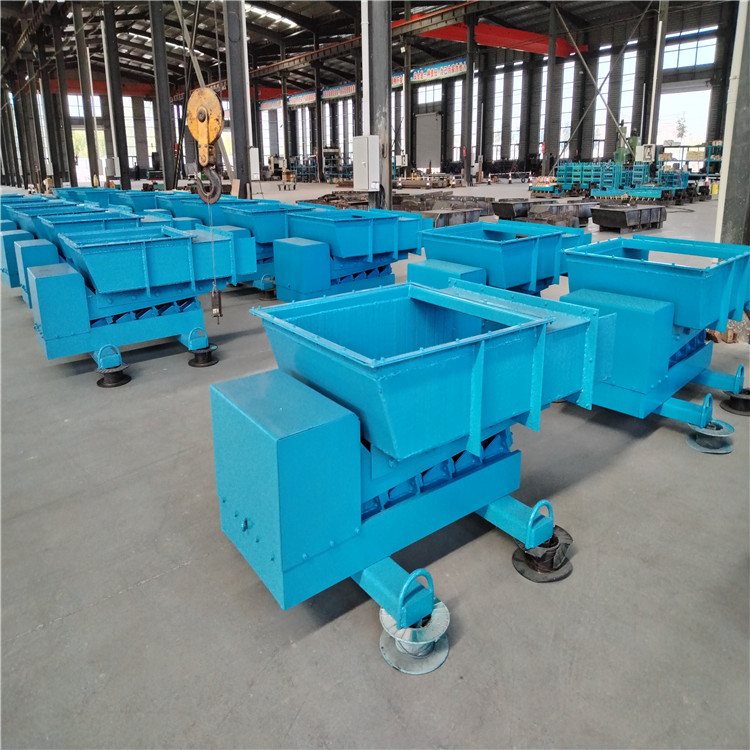
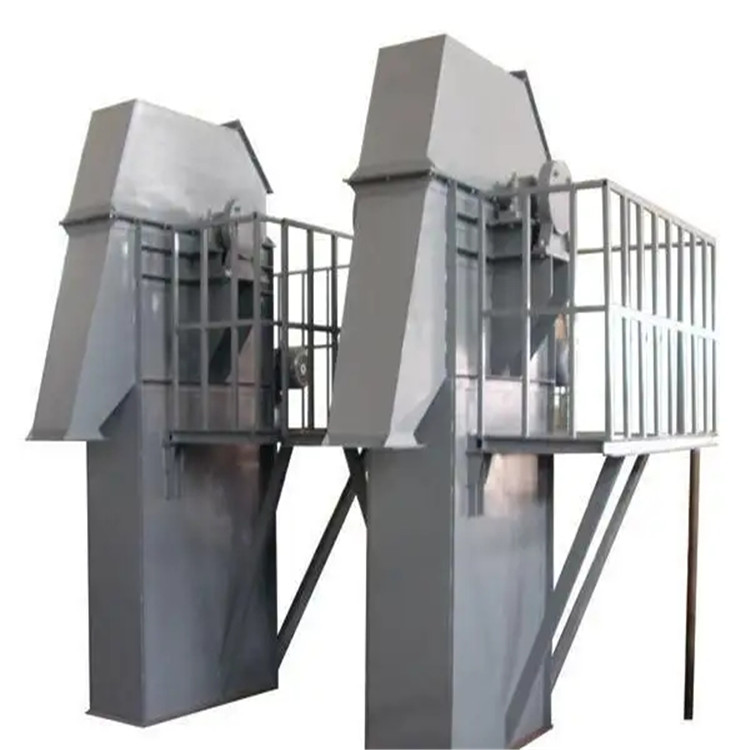
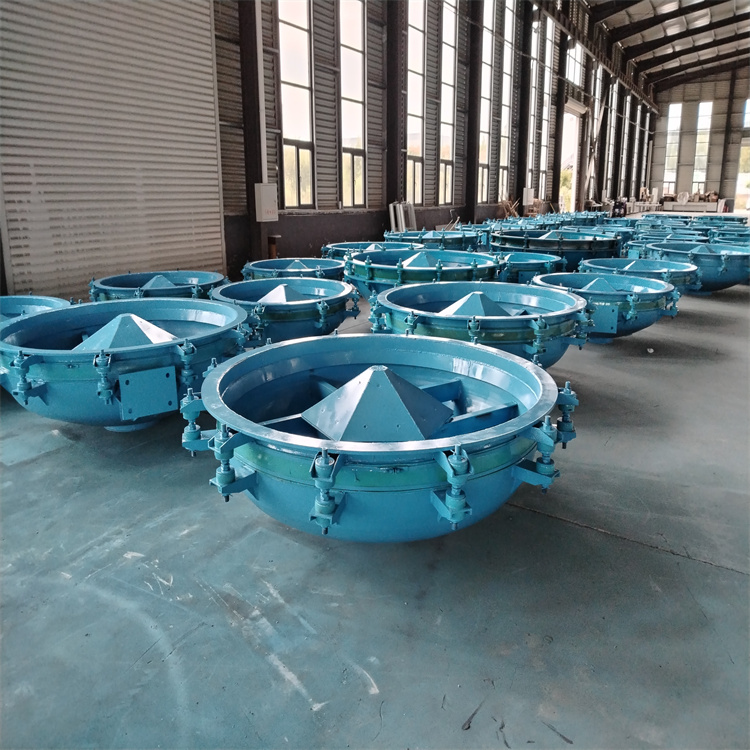
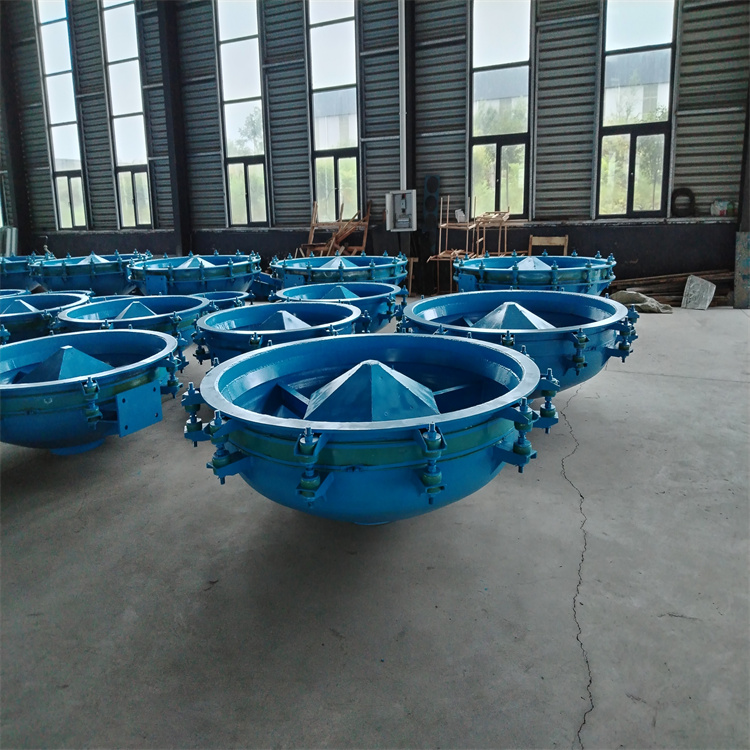
A vibration hopper is a new type of feeding device.EquipmentInstalled at the bottom of various storage bins, it activates the material through vibration, effectively eliminating material bridging.ClogAnd solves the problem of difficult discharge from the material storage bin.
Application:Vibration Hopper is widely used in the chemical and construction materials industries.MetallurgyMachinery manufacturing, grain and food processing,Feed Processing、Eco-friendly、CeramicsVarious industries.
.jpg)
Principle
A vibratory directional device automatically orients the feeding hopper. Vibratory hoppers are commonly used in machine tool loading and unloading devices and are widely applied in industries such as instruments, meters, and electronic components. The vibratory hopper operates smoothly, suitable for various small workpieces that have undergone some precision processing. The vibratory hopper has certain versatility; when used for different workpieces with similar dimensions and weights, only the directional mechanism needs to be replaced.
The vibratory hopper consists of the hopper, directional mechanism, support springs, electromagnet, and base. Most hoppers are disk-shaped (with some straight groove models), featuring spiral ascending inclined feed channels on the inside. The directional mechanism is positioned near the outlet of the feed channel, guiding the workpiece to move in a directional manner along the inclined feed channels as it exits. The support springs are typically 3 or 4 flat springs, installed at an angle. The electromagnet serves as the vibration source, connected to an AC power supply or a pulsating direct current via a half-wave rectifier. The armature is mounted at the bottom of the hopper, with the air gap adjustable. Once powered, the electromagnet attracts and releases the armature at a certain frequency, causing the hopper to reciprocate and vibrate up and down, supported by the tilted support springs. Some vibratory hoppers do not use an electromagnet for excitation but instead employ mechanisms like cams, cranks, connecting rods, or eccentric blocks to generate the vibration.