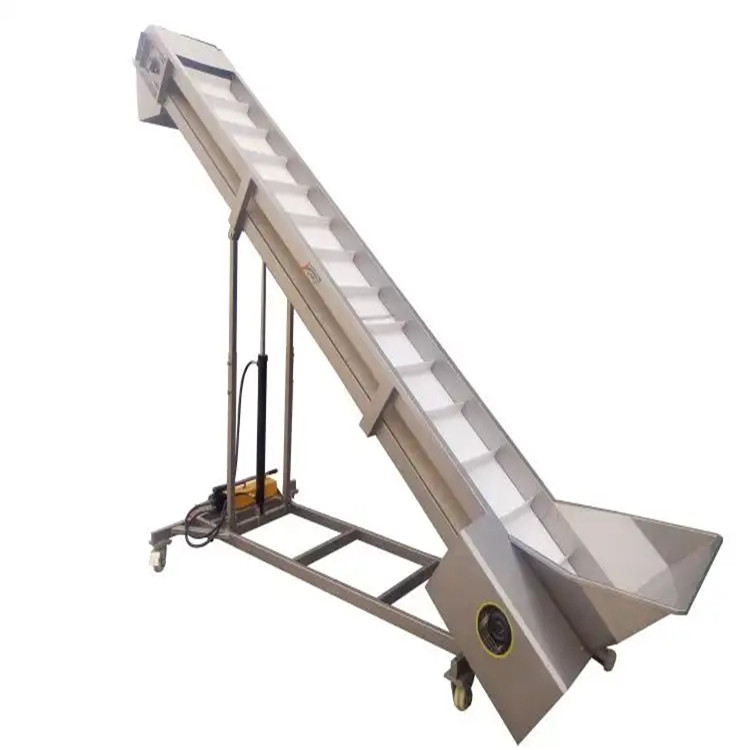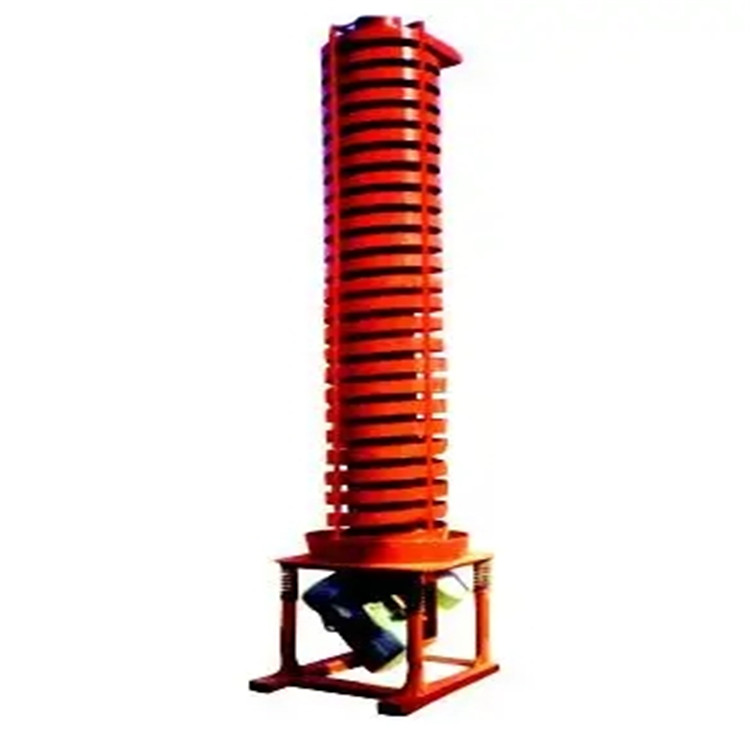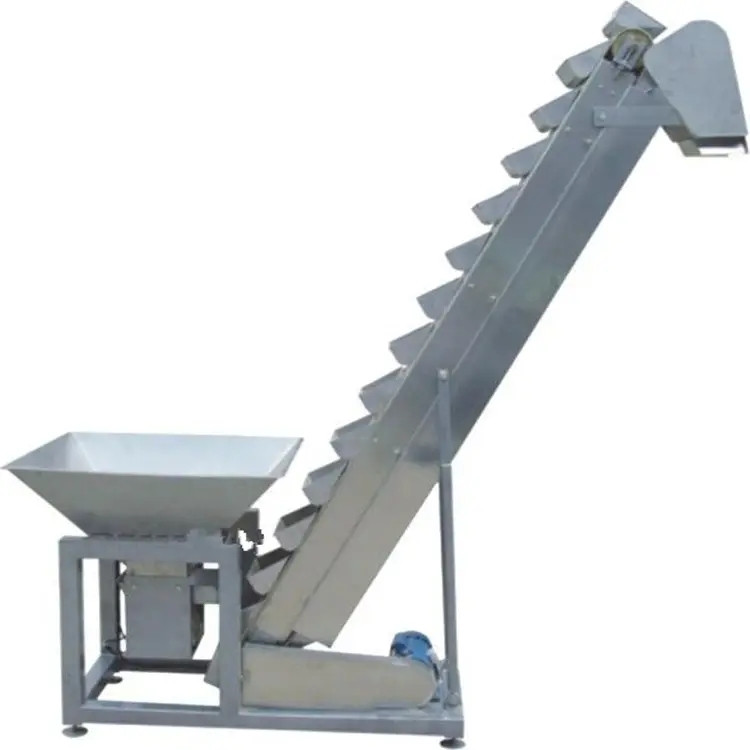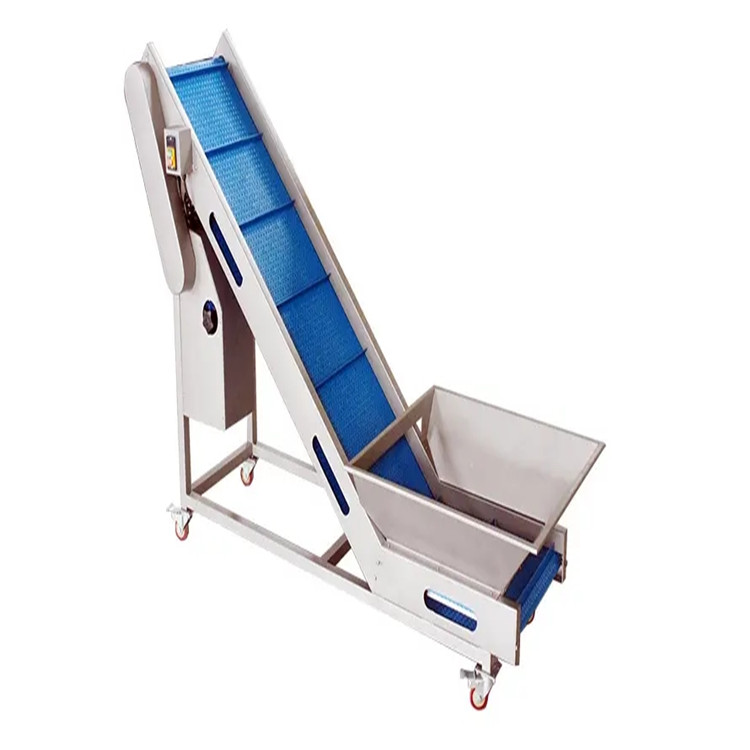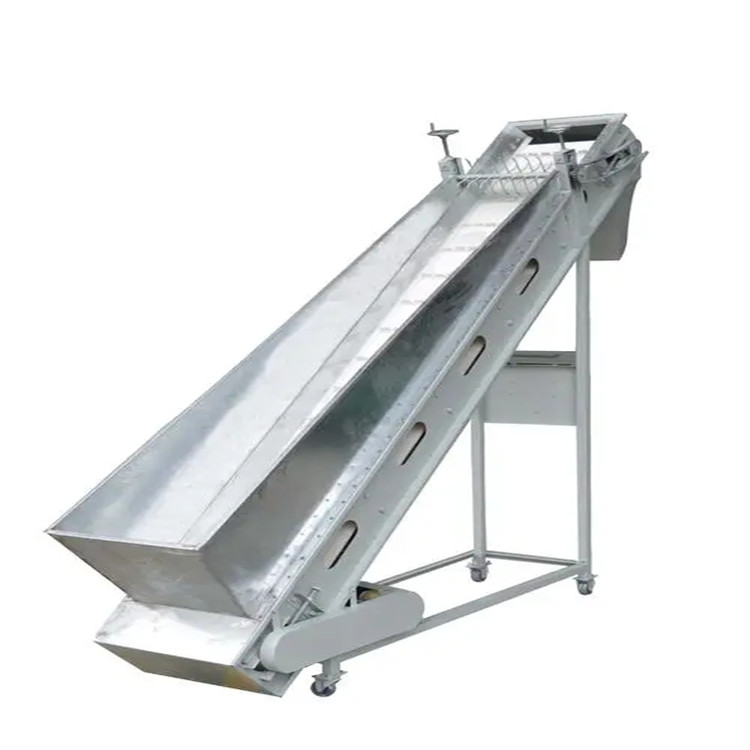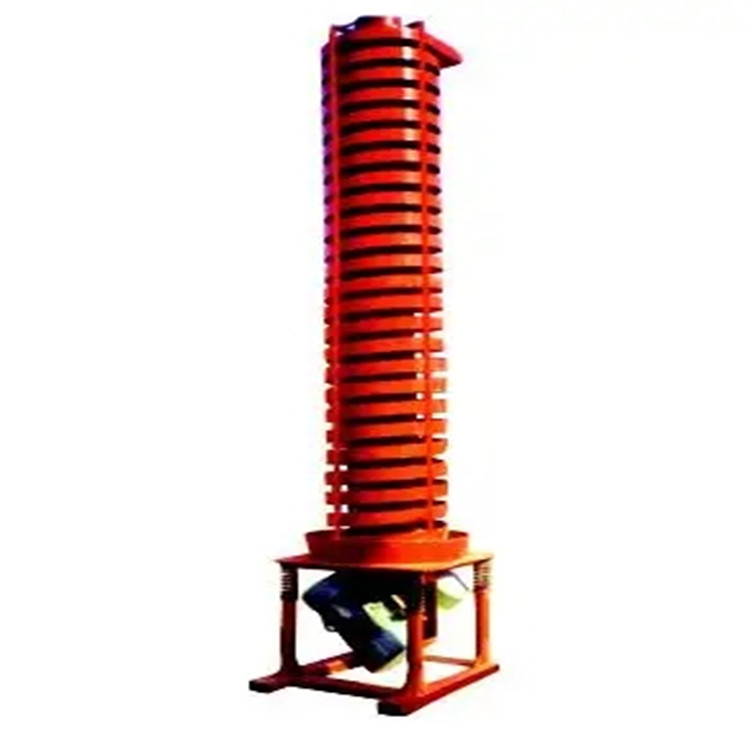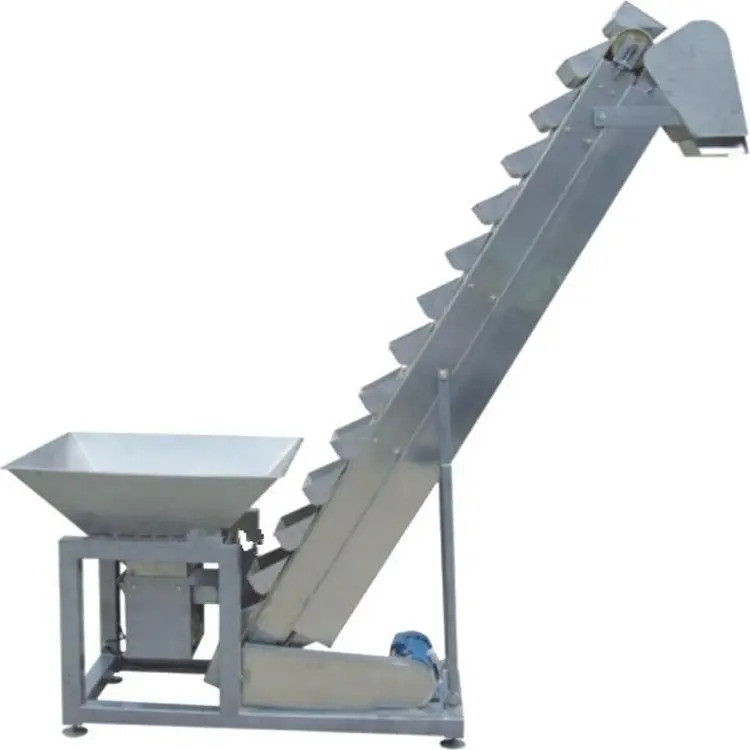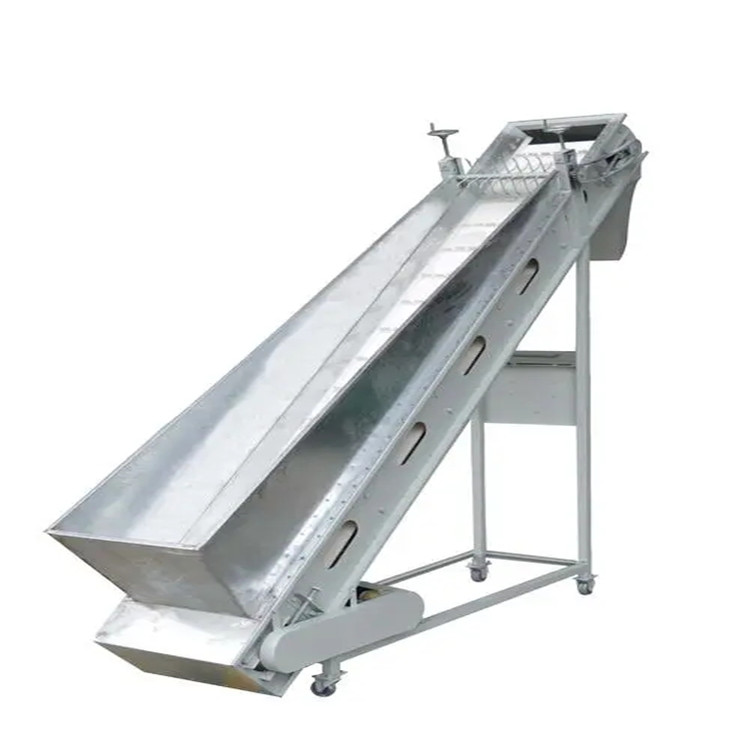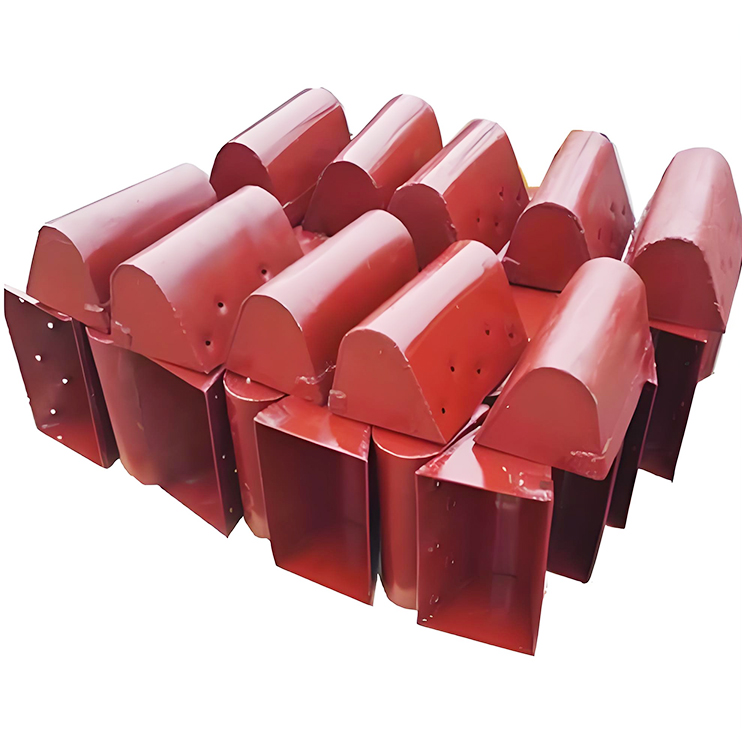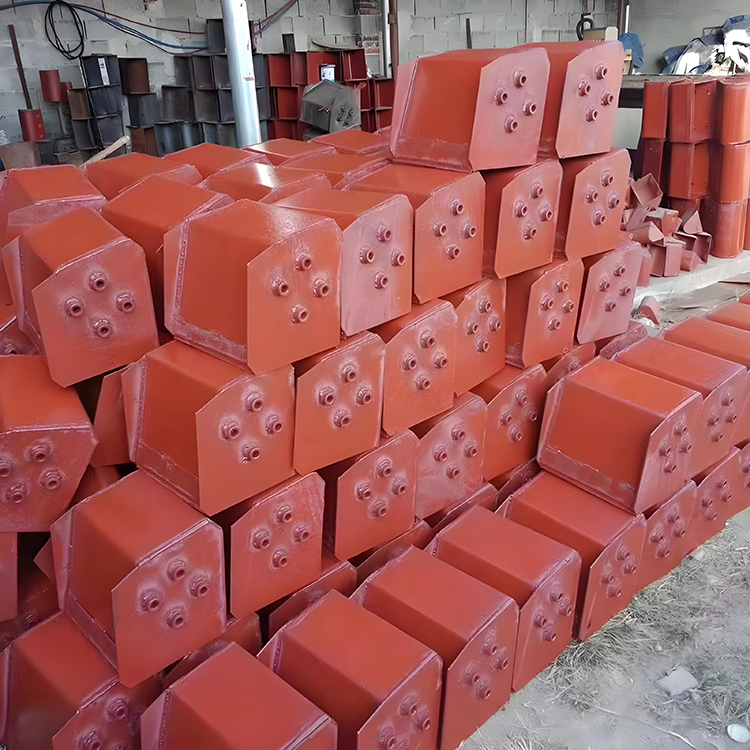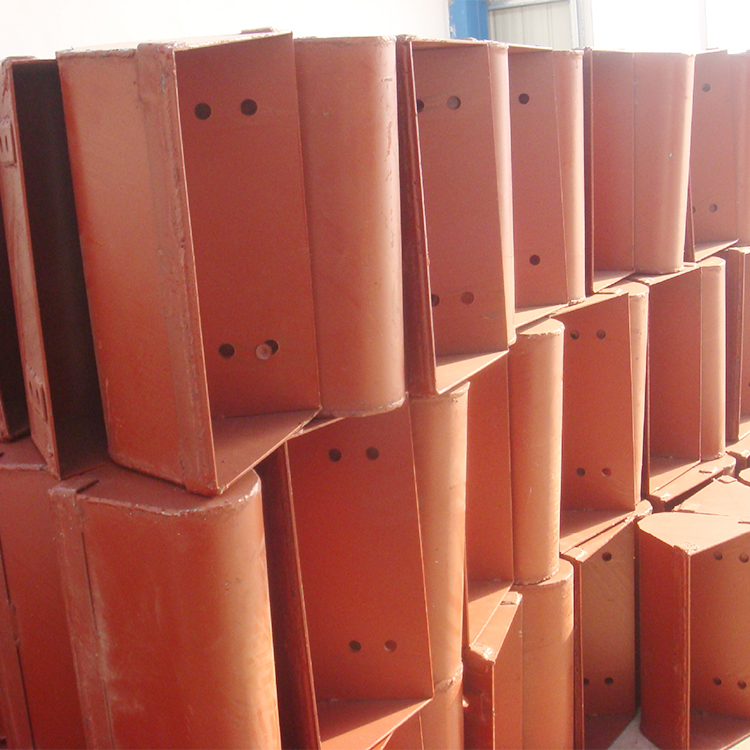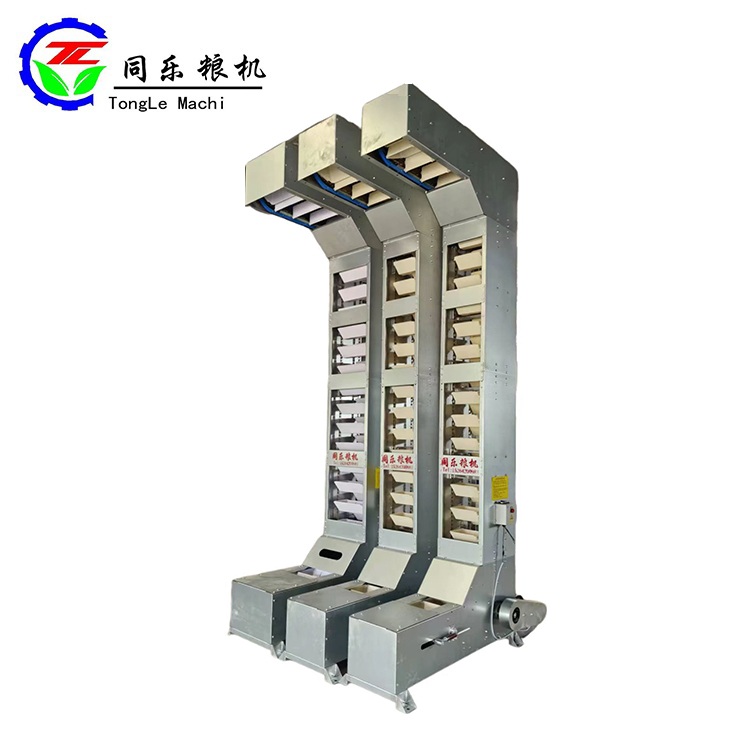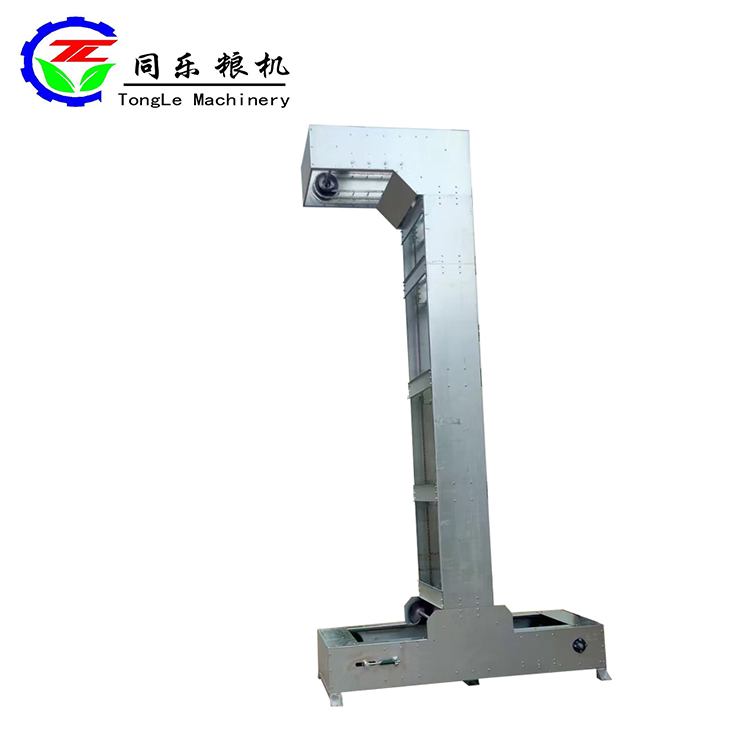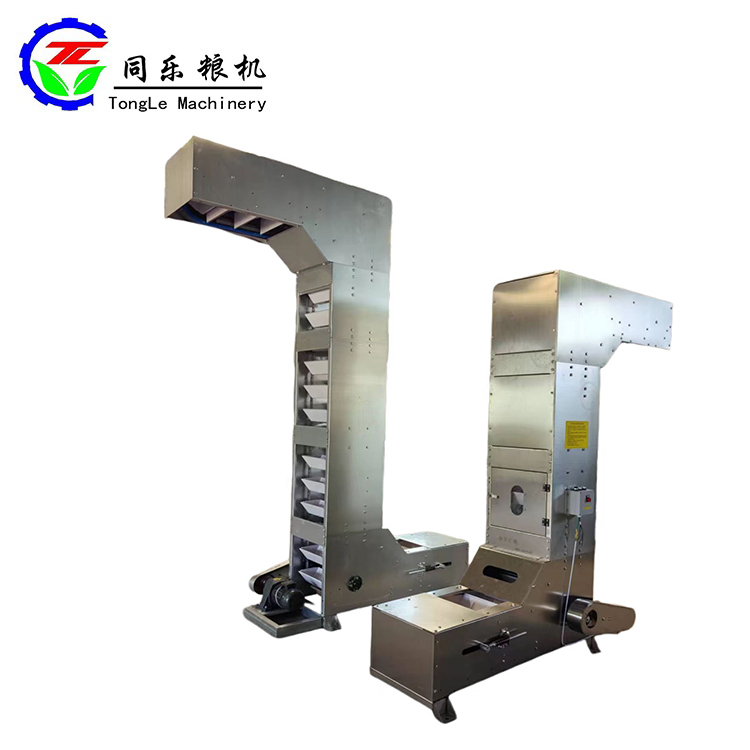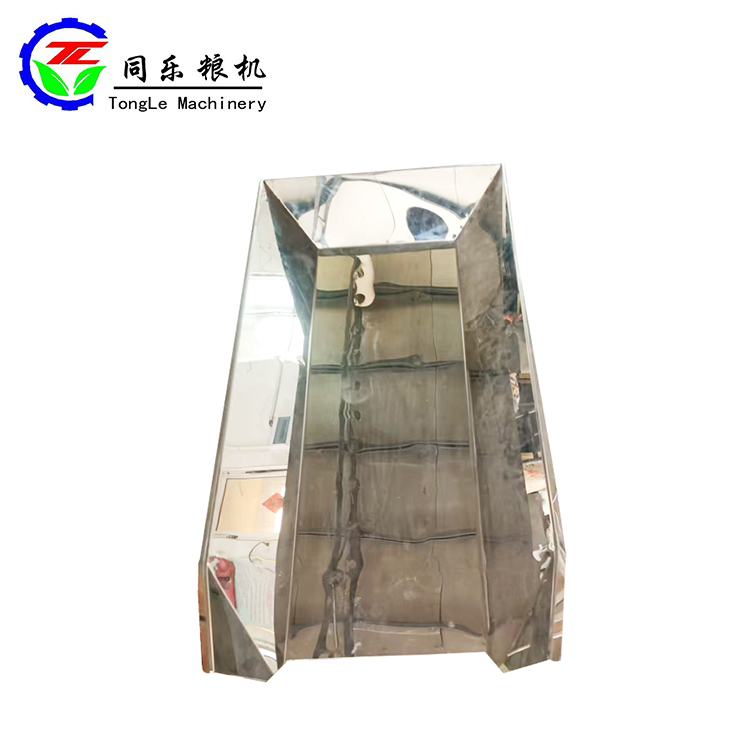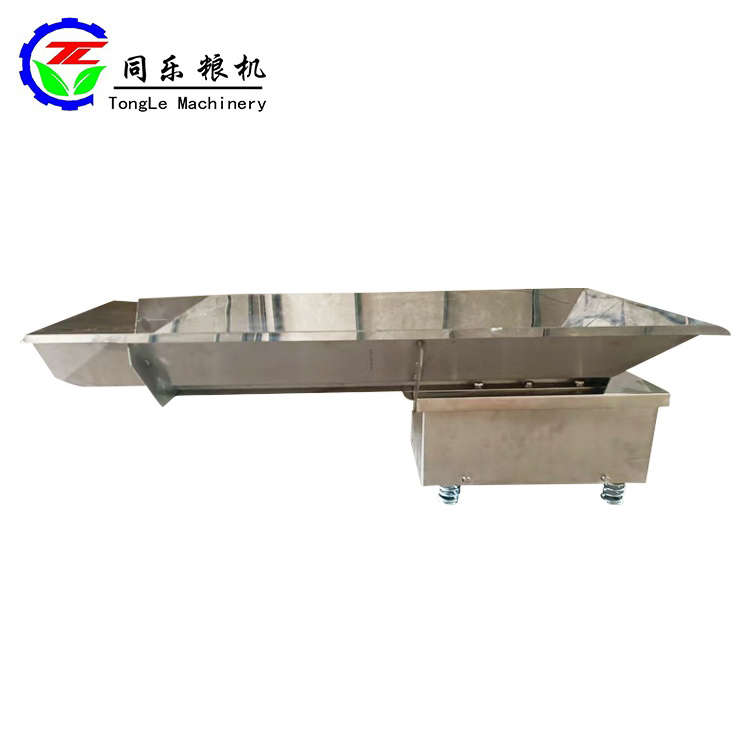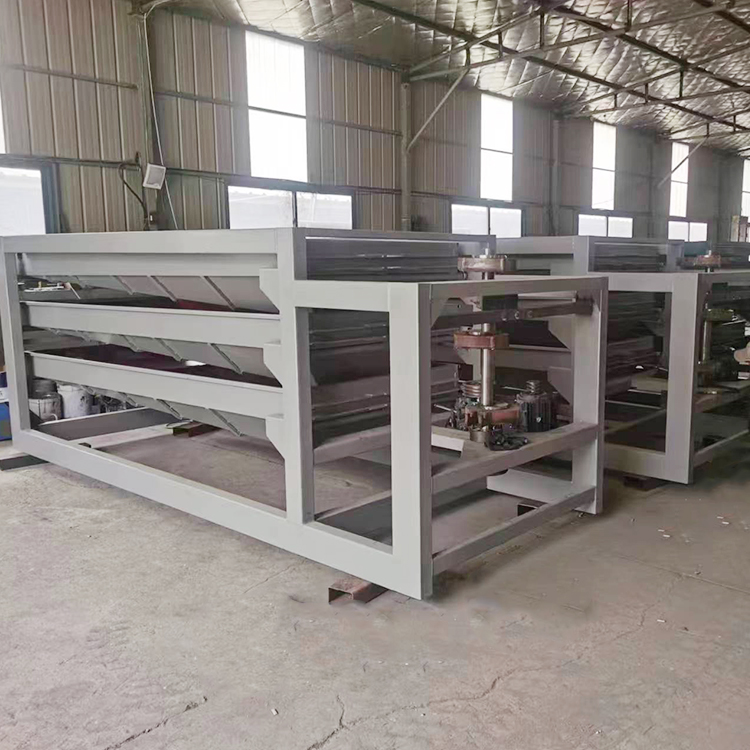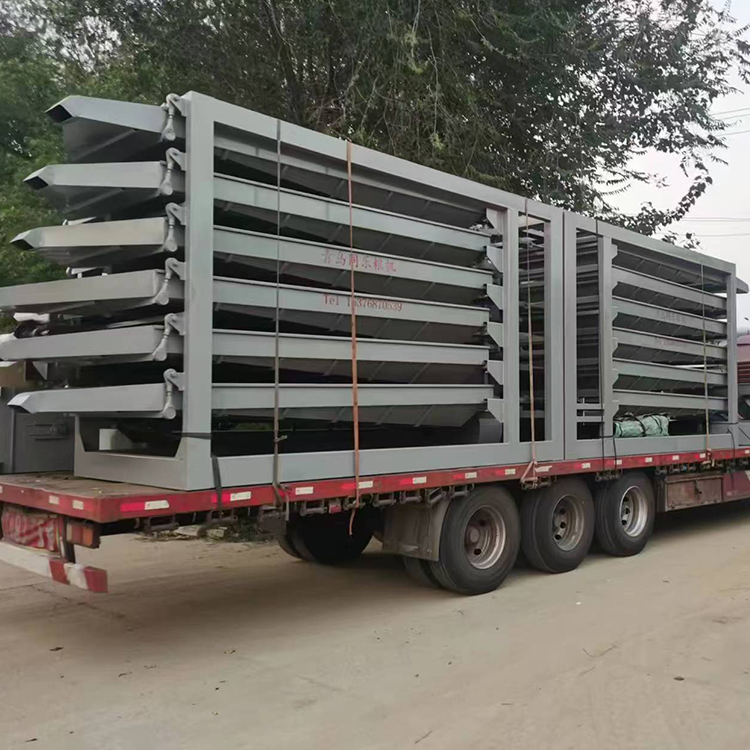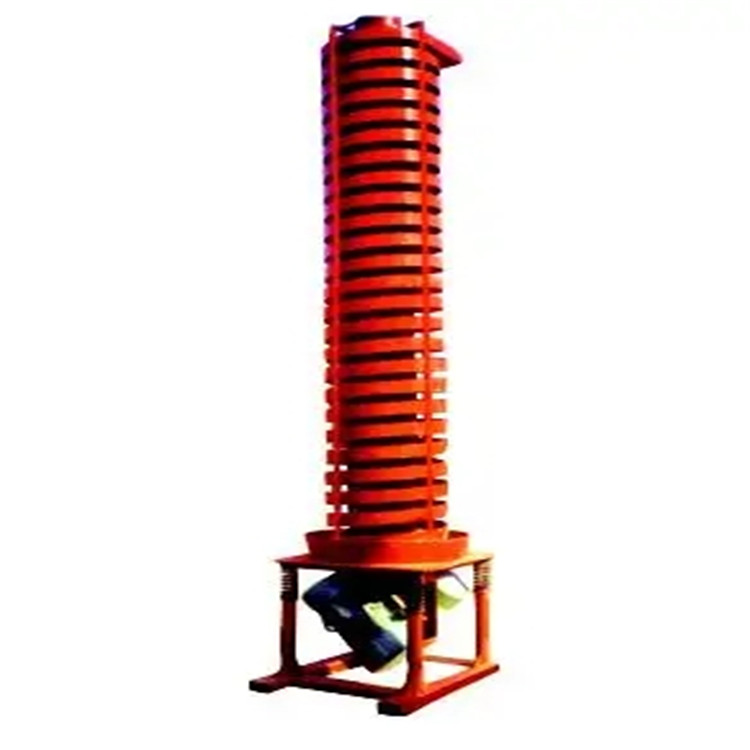

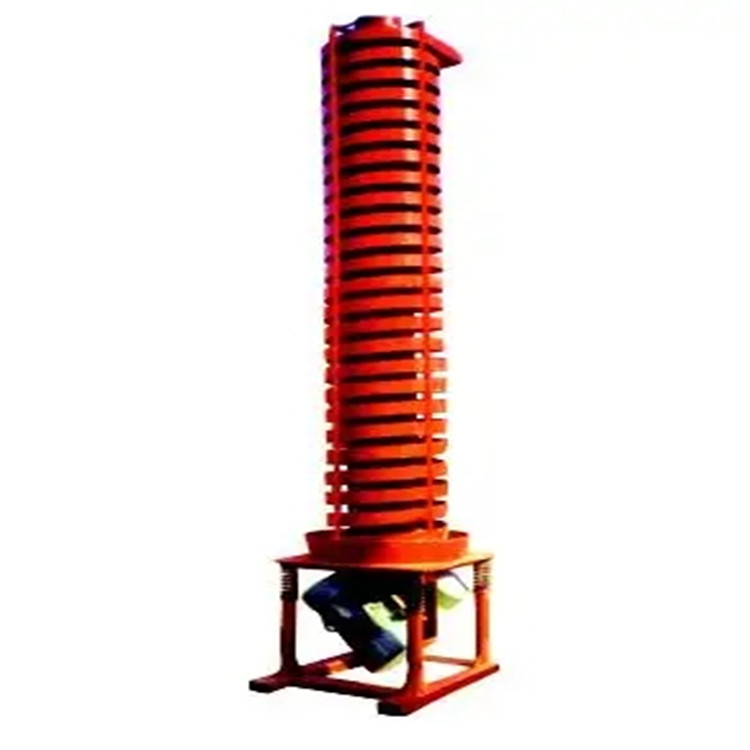
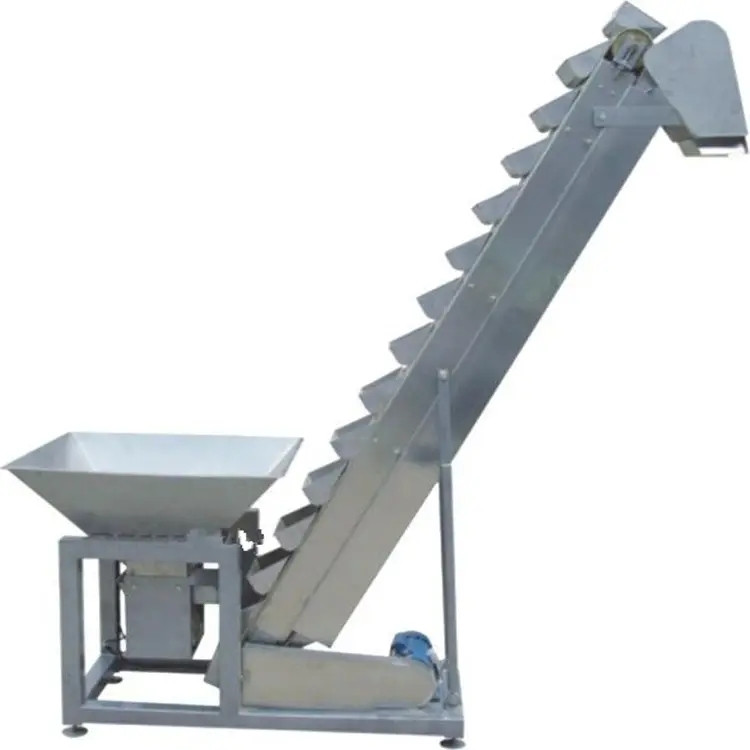
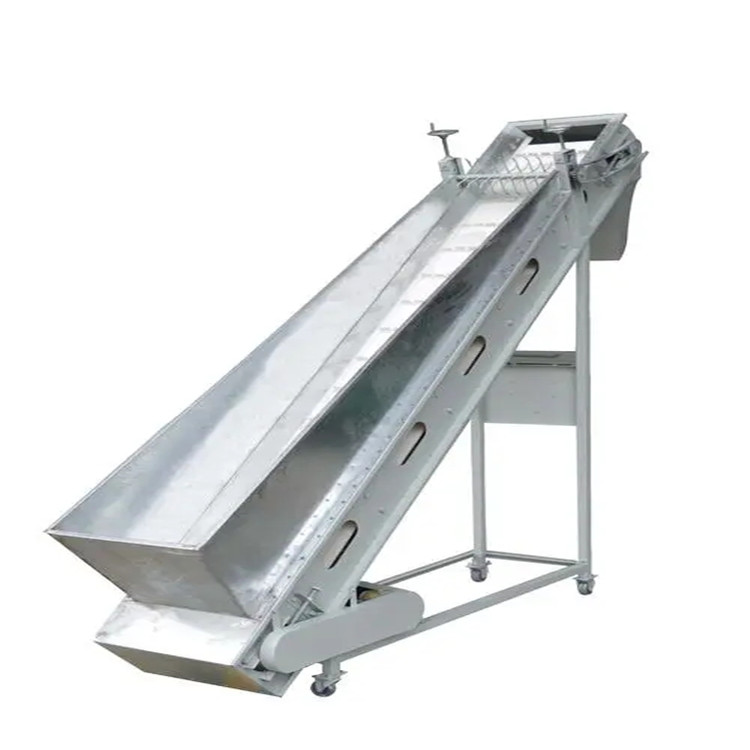


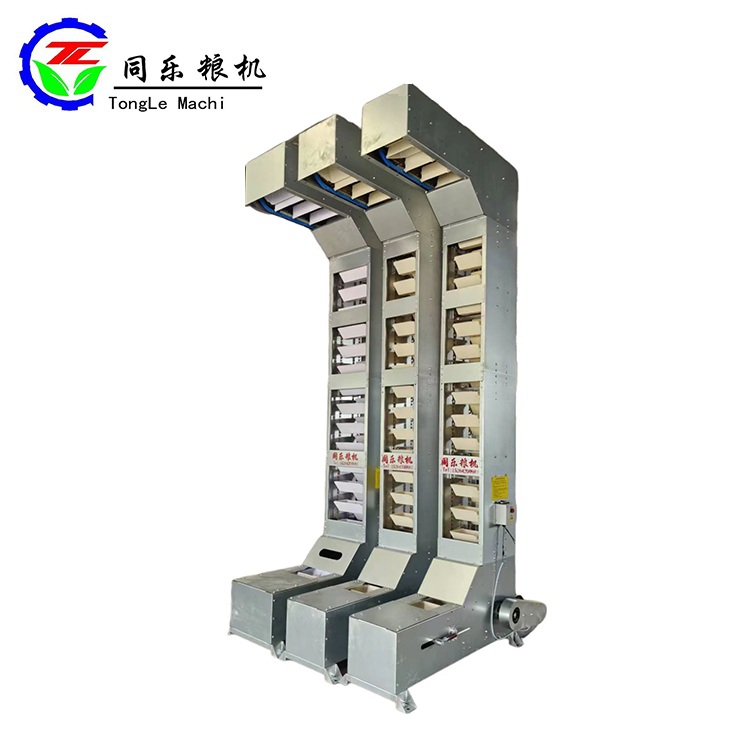
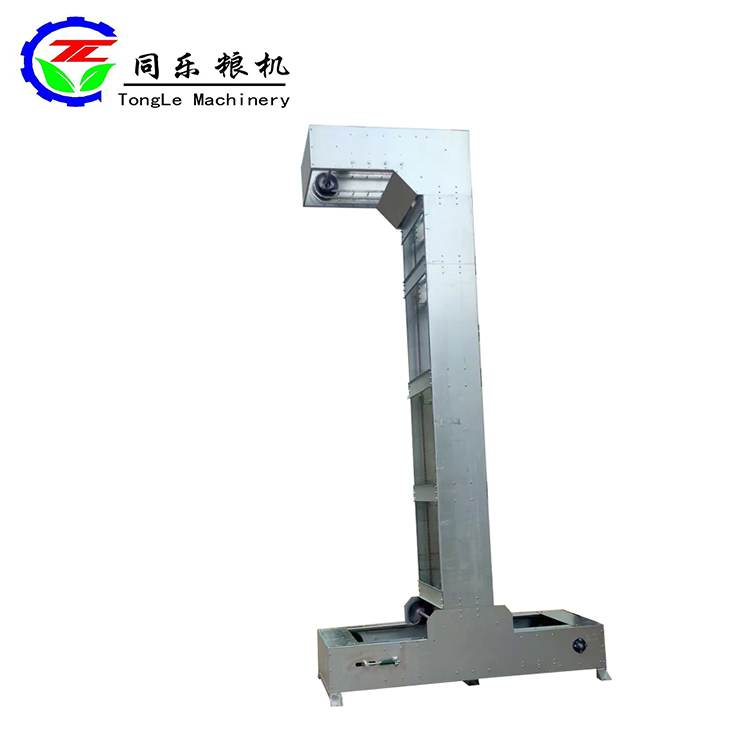





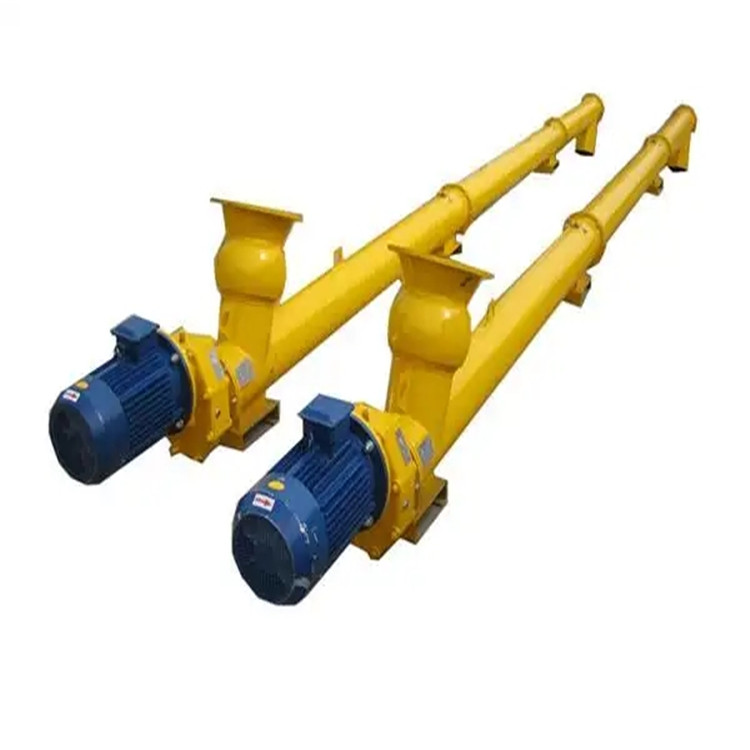
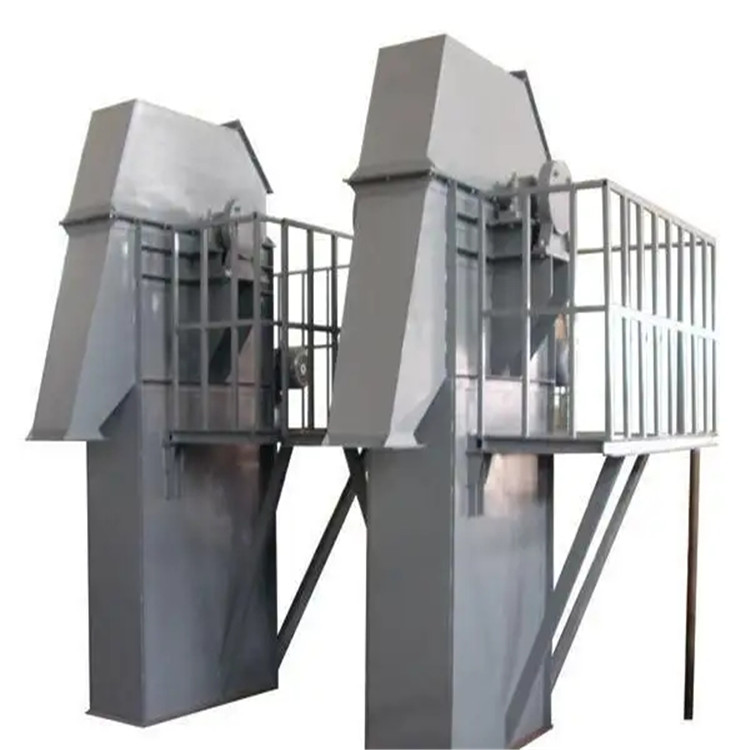
Screw Conveyors are fixed mechanical conveying equipment, primarily used for the continuous vertical lifting of powdered, granular, and small-sized materials. They are widely applicable in various scales of feed mills, flour mills, rice mills, oil mills, starch factories, as well as grain storage facilities and port terminals for the lifting of bulk materials.
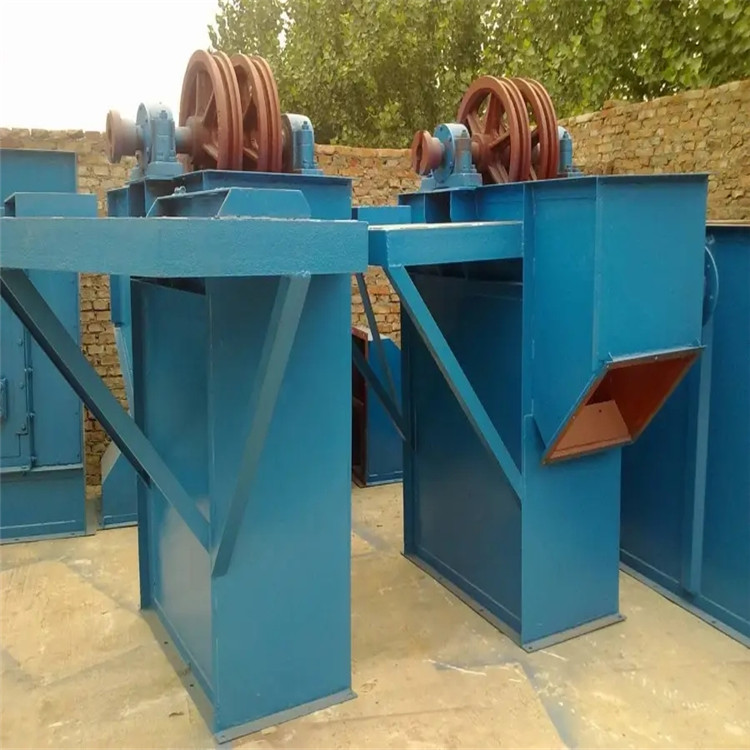
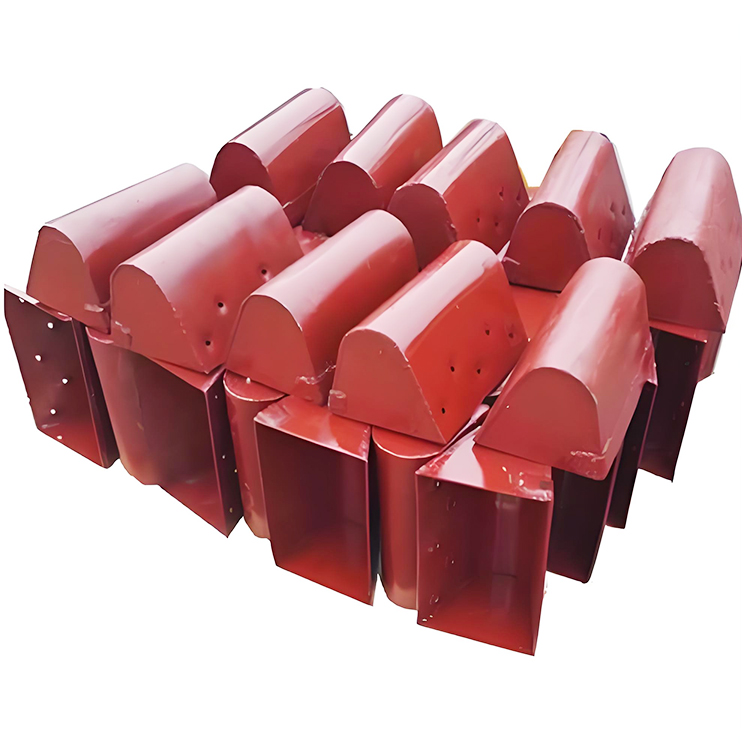
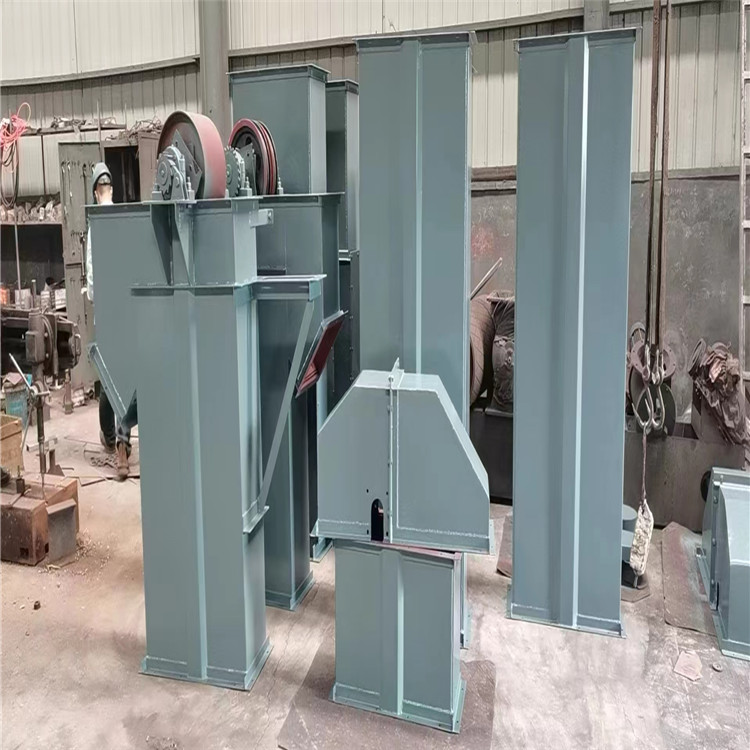
Bucket elevators are used for vertically lifting granular materials such as limestone, coal, gypsum, clinker, dry clay, etc., as well as powdered materials like raw materials and coal powder. Depending on the speed of the bucket movement, bucket elevators can be categorized into three types: centrifugal unloading, gravity unloading, and mixed unloading. Centrifugal unloading has a faster bucket speed and is suitable for transporting materials with low abrasiveness, such as powdery, granular, and small pieces. Gravity unloading has a slower bucket speed and is appropriate for transporting larger, denser, and more abrasive materials like limestone and clinker. The traction components of bucket elevators include ring chains, flat chains, and belts. Ring chains have a simple structure and are securely connected to the buckets, resulting in less wear on the chain when transporting abrasive materials, although they are heavier. Flat chains are more robust and lighter, suitable for elevators with high lifting capacity, but the hinge joints are prone to wear. Belts have a simple structure but are not suitable for transporting abrasive materials; standard belts can handle material temperatures up to 60°C, steel rope belts up to 80°C, and heat-resistant belts up to 120°C, while ring chains and flat chains can transport materials at temperatures up to 250°C.