







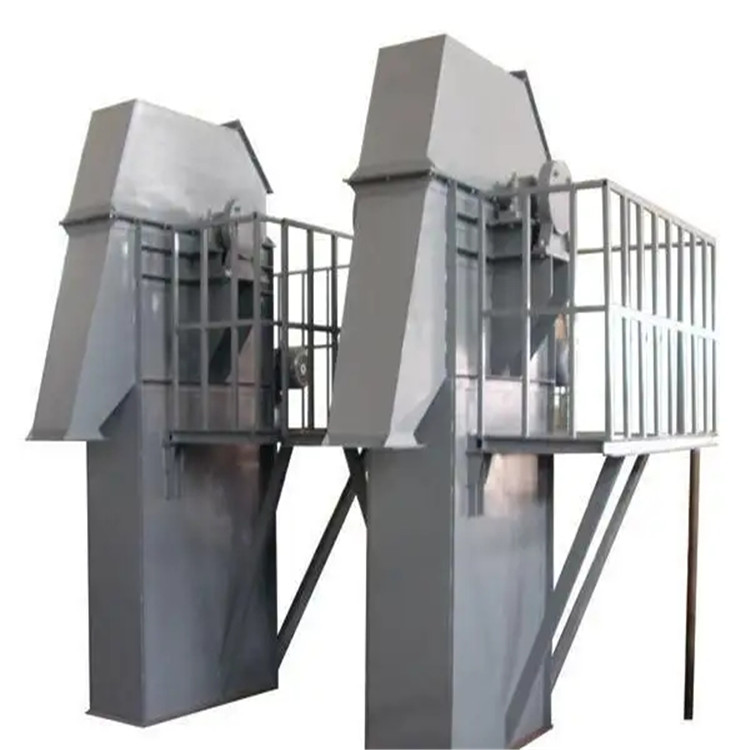
Principle of Material Supply
Editor Broadcast
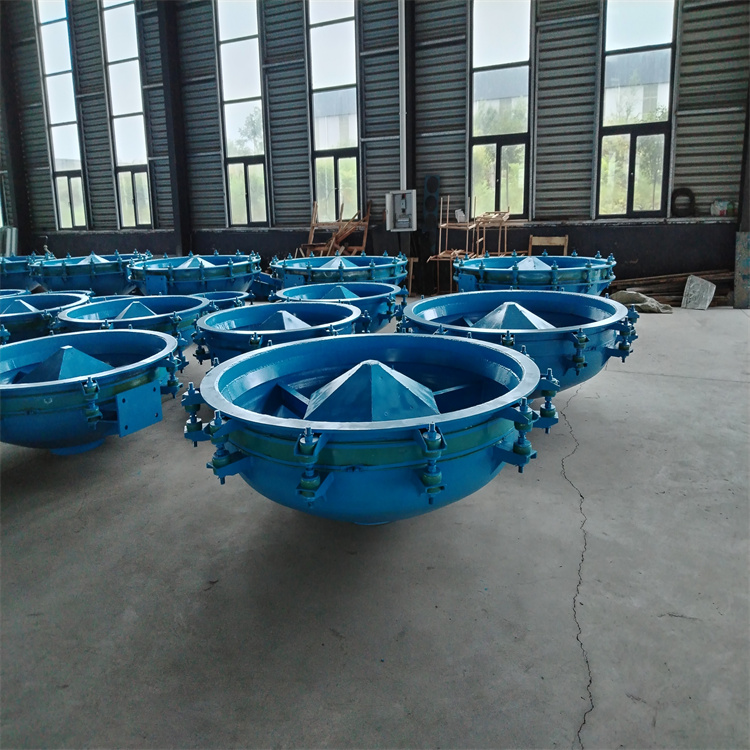
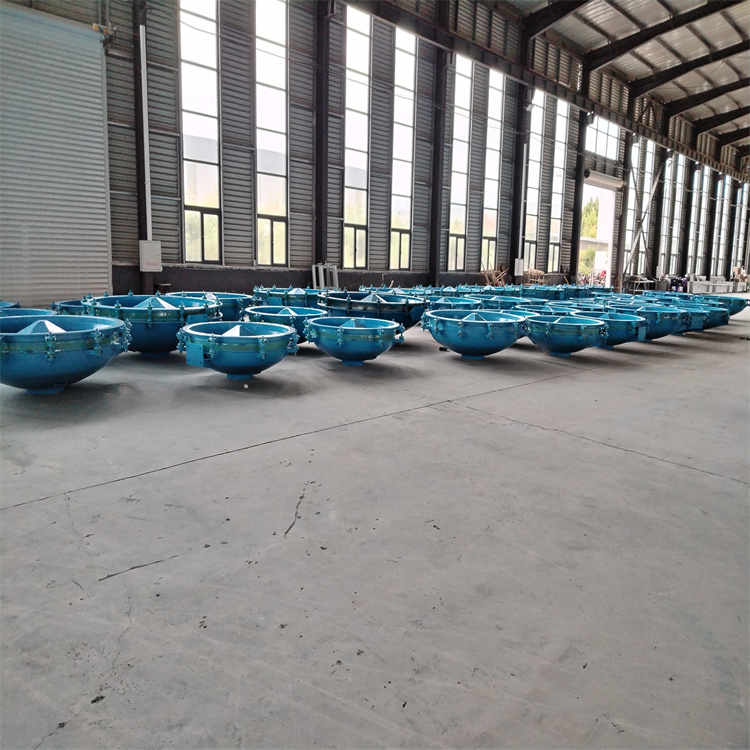
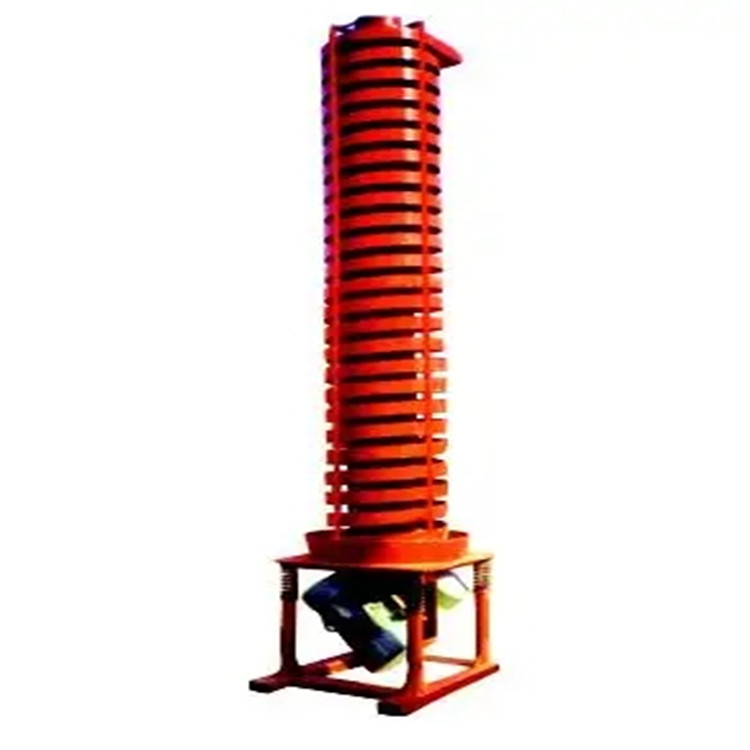
A vibratory hopper is a widely used continuous feeding device, as shown in Figure 2. It is composed of basic components such as a hopper with a spiral feeding groove, support springs, an electromagnetic vibrator, a base, and vibration-dampening feet. Upon introducing alternating current to the electromagnet coil, the hopper is driven to undergo small amplitude, high-frequency up-and-down reciprocating vibrations, and simultaneously produces small amplitude back-and-forth torsional vibrations through the tilted installation of the support springs. Under the combined action of inertial force, gravity, and friction, workpieces move upwards along the spiral groove of the hopper's inner wall. During this upward movement, they are automatically oriented by a directional mechanism and then enter the feeding trough at the upper outlet of the hopper, heading to the processing position. By adjusting the input voltage to the electromagnet coil, the amplitude of the hopper's vibration can be changed, thereby adjusting the feeding rate of the hopper.
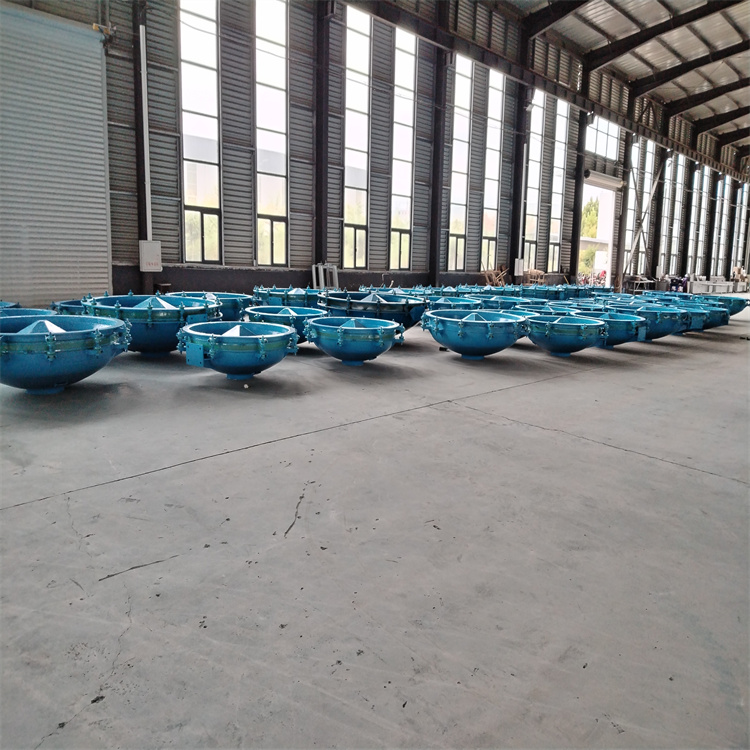
Frequently Asked Questions
Editor Broadcast
1. Abnormal operating noise from the vibrating hopper Inspect and tighten the vibration motor mounting bolts and other fastening bolts; adjust the installation of the vibration hopper to ensure that there is no contact or collision with surrounding equipment, maintaining a gap of at least 50mm between the hopper body and the surrounding equipment and objects.
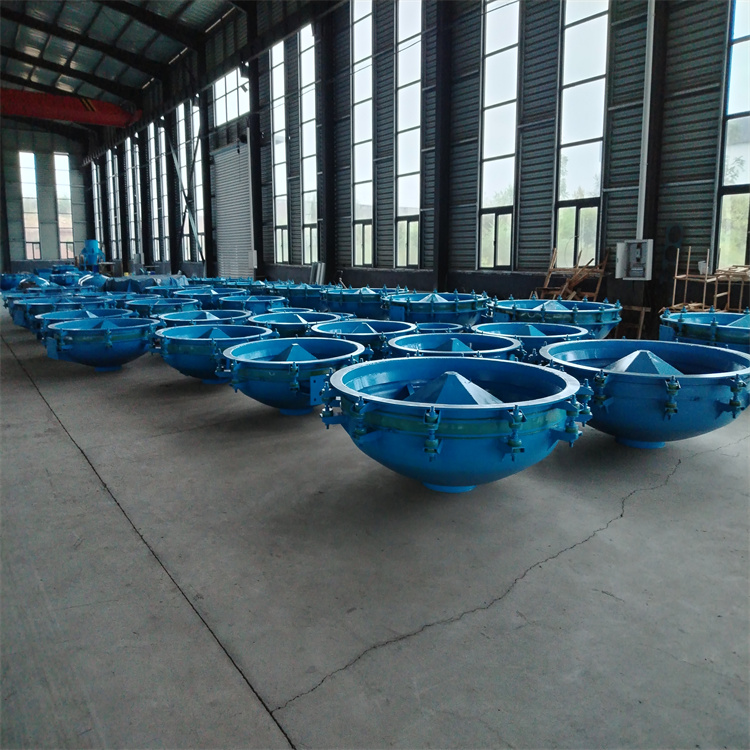
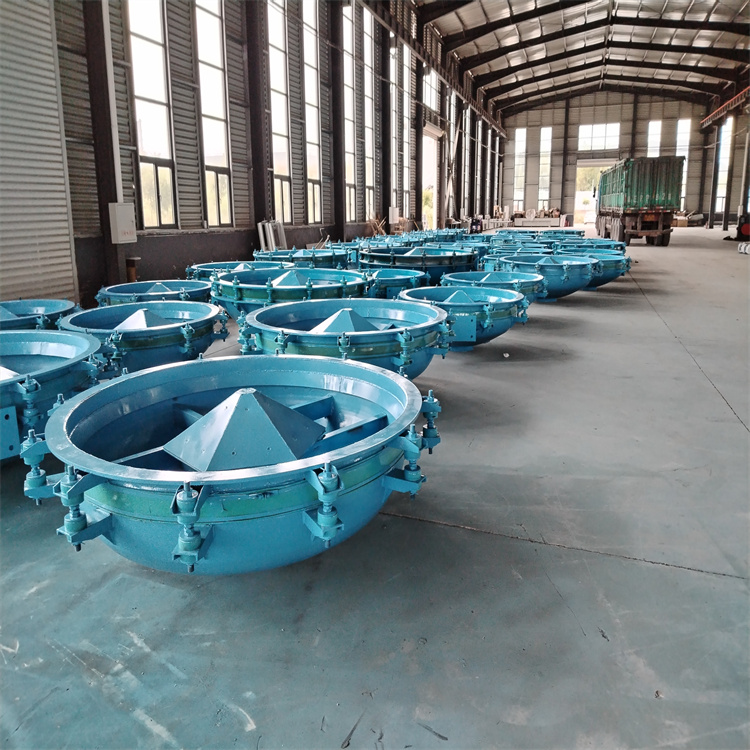
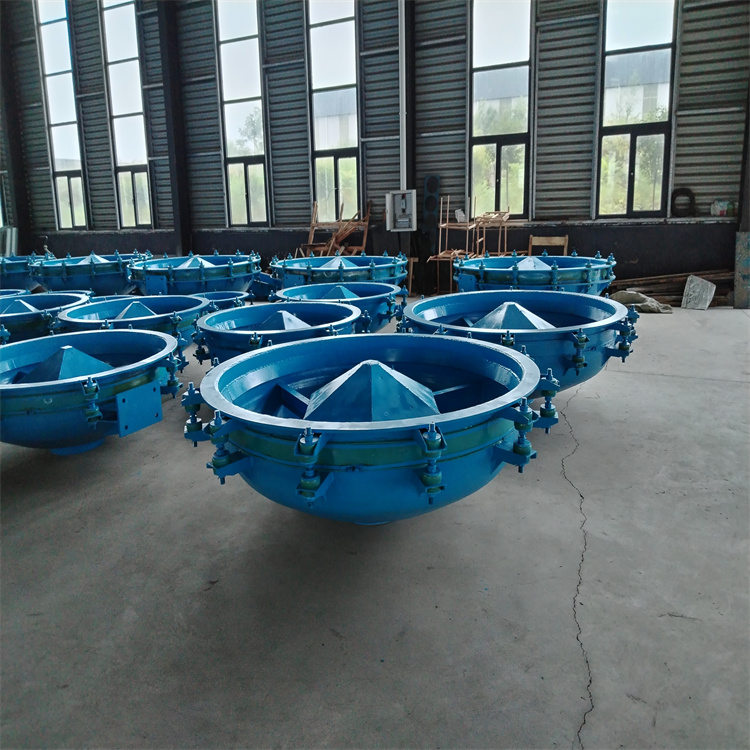
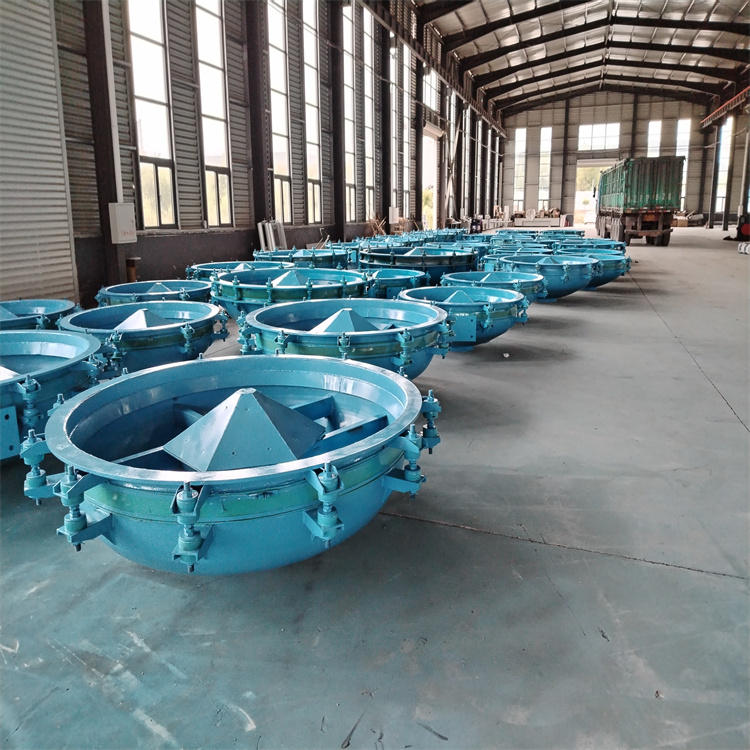
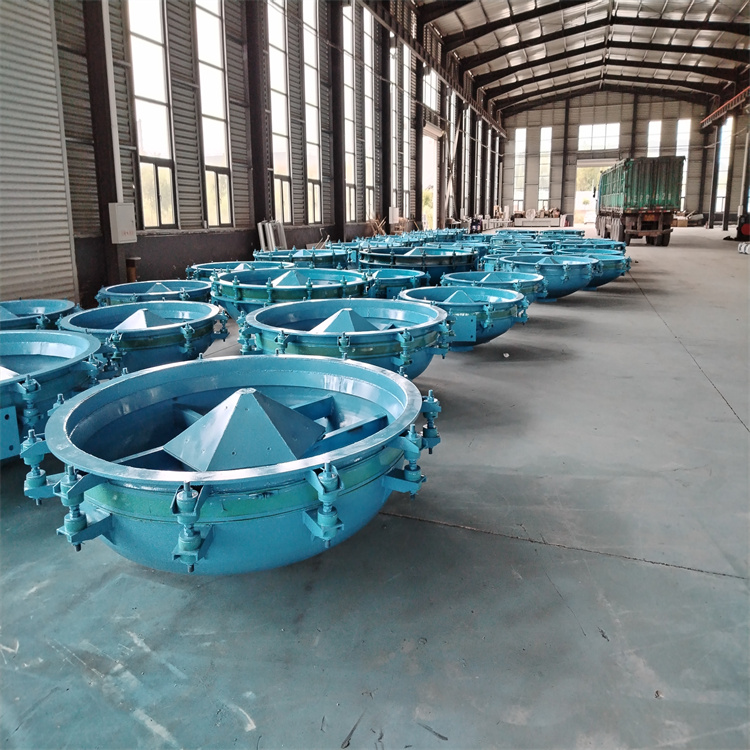
2. The trial operation of material feeding fails to meet the production requirements. The reasons are: the vibration motor's excitation force is too small, the moisture content of the material is too high, and the adhesion affects the flow speed of the material. Open the end cover of the vibration motor, adjust the angle of the eccentric block, increase the excitation force of the vibration motor, and ensure that the excitation force at both ends of the vibration motor is consistent; reduce the size of the spherical top plate and increase the area of the material flow passage.
3. Leaks between the fixed flange and the drum body due to damaged or unreliable sealing rings and sealing canvas. Replace the sealing rings and canvas, and tighten the straps.