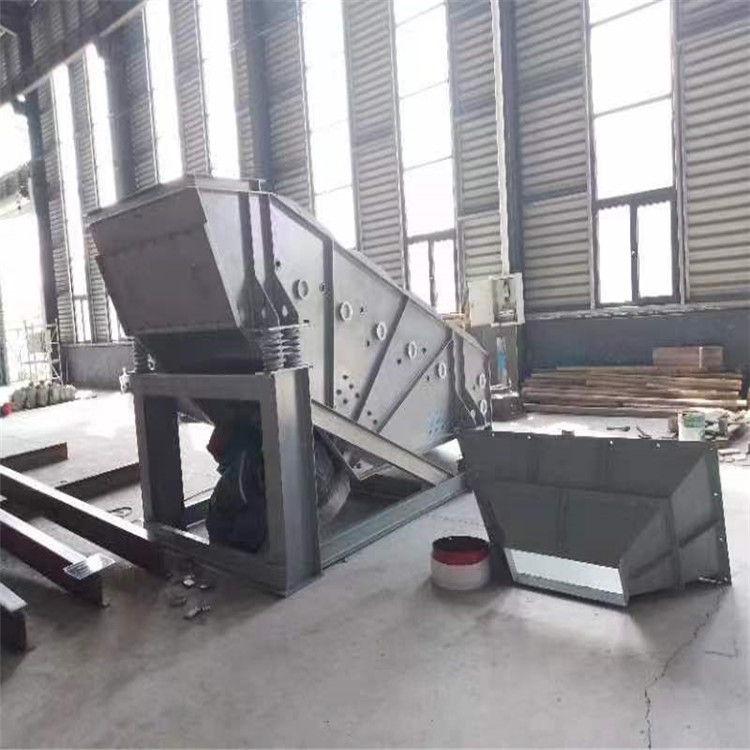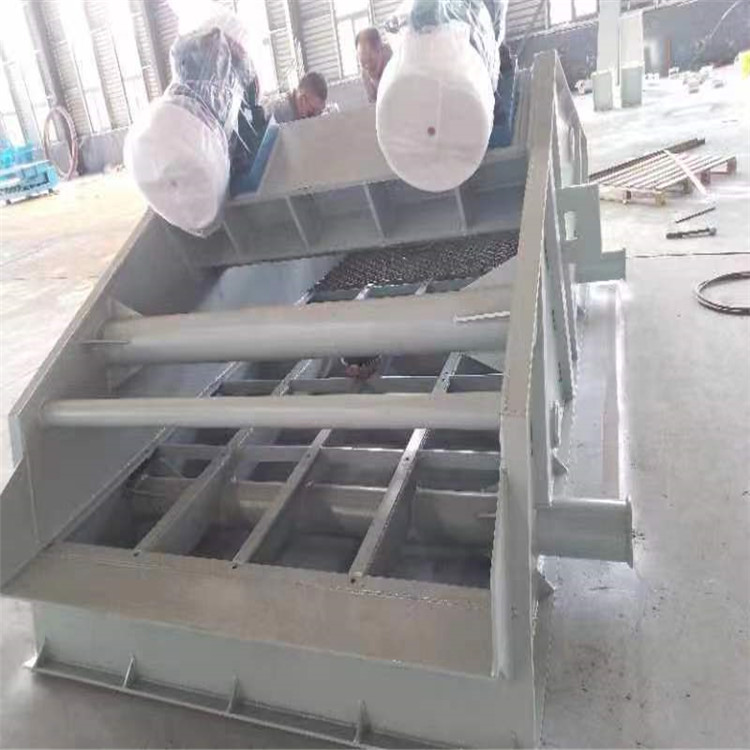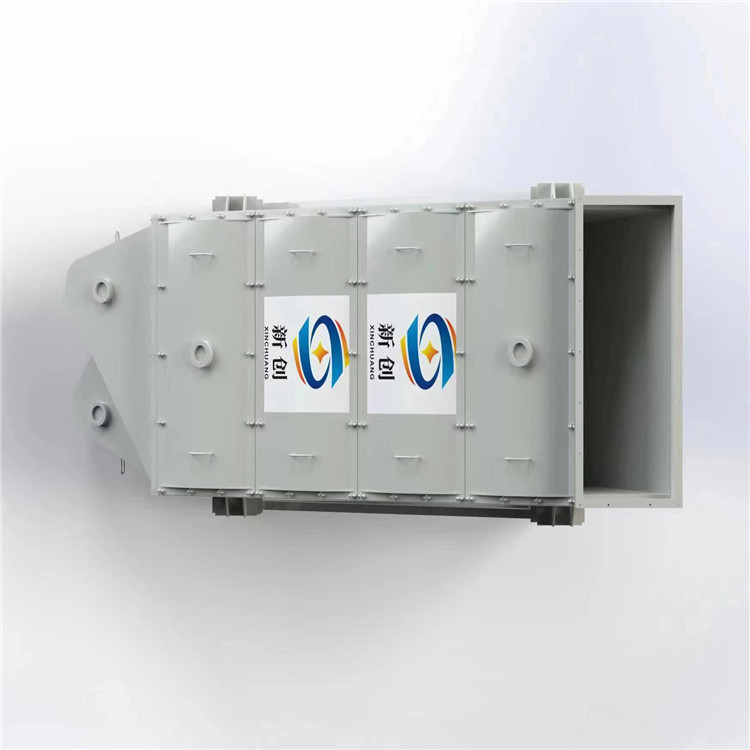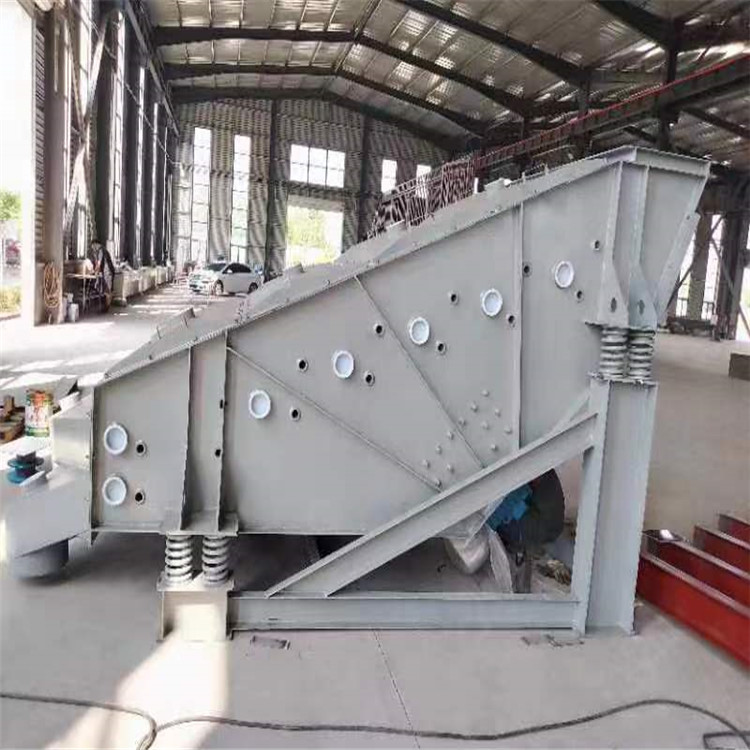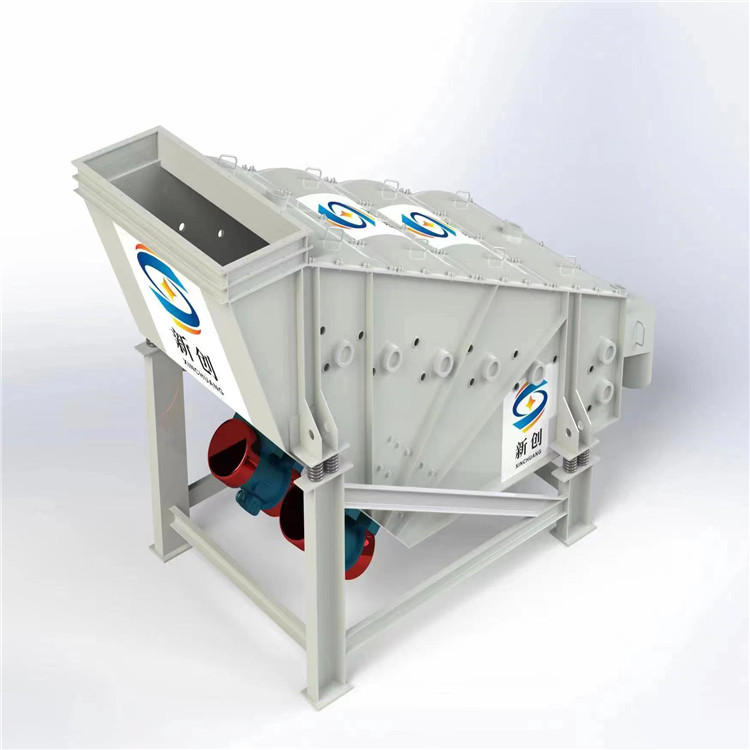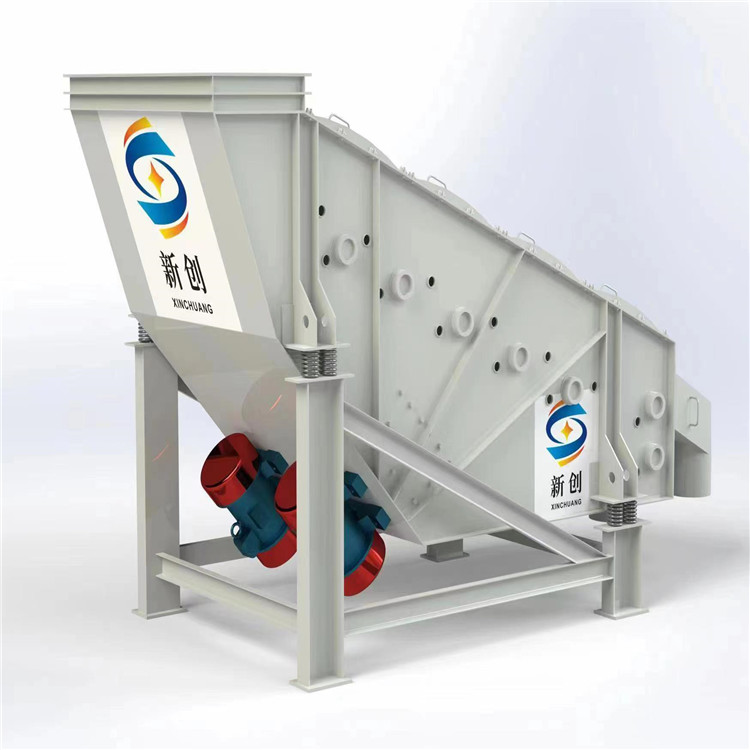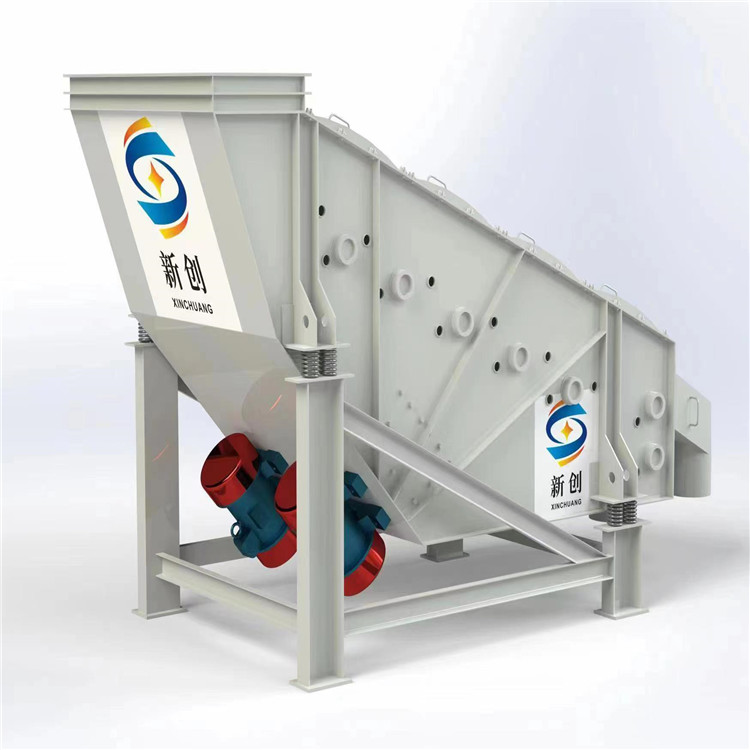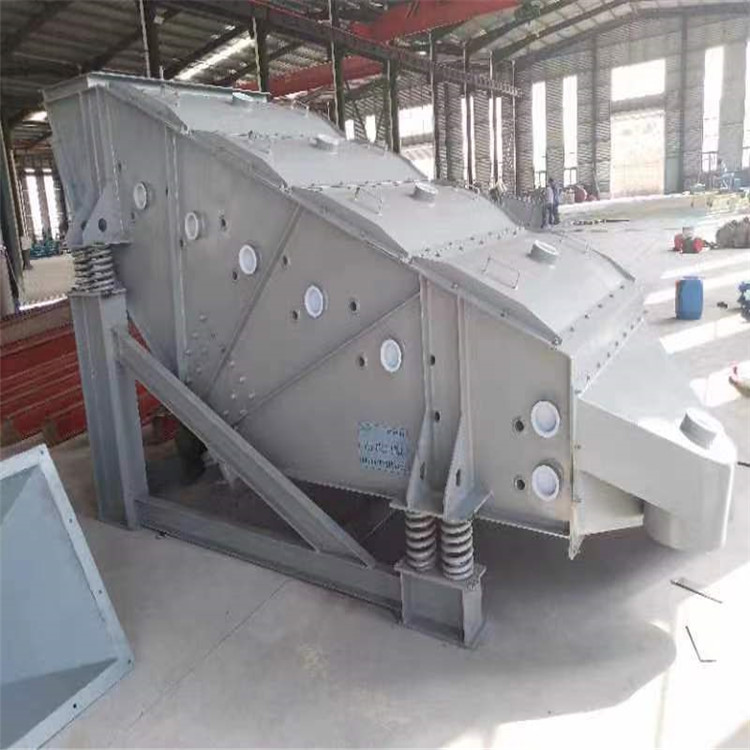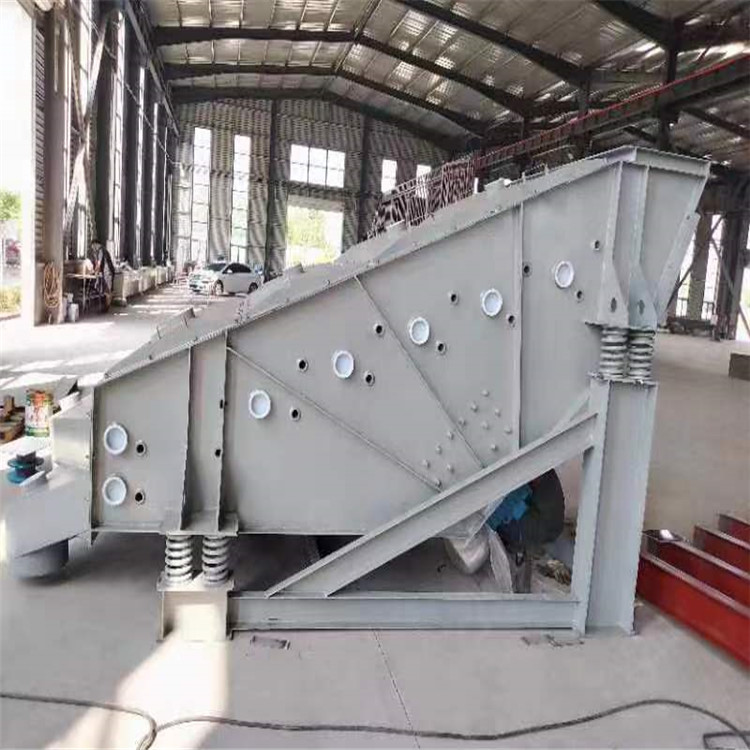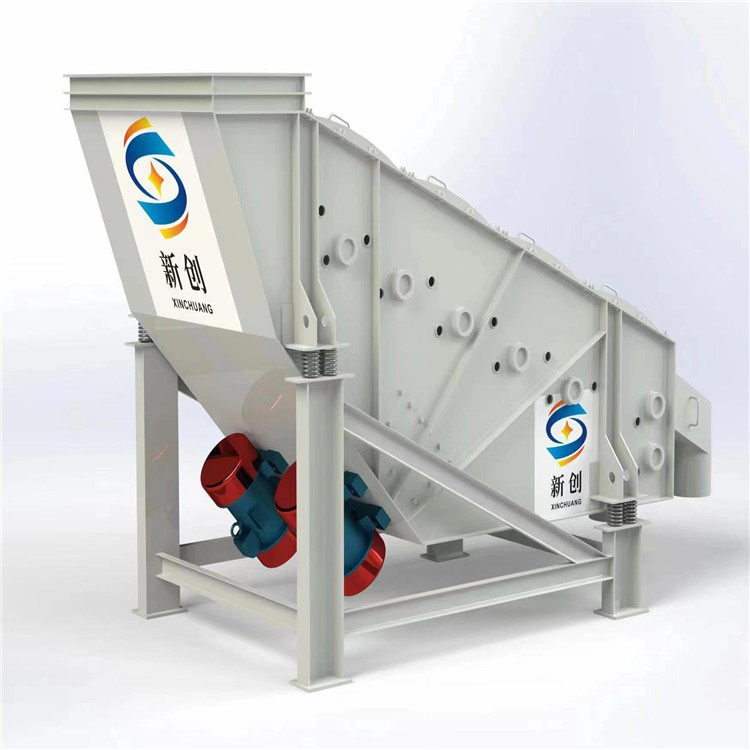

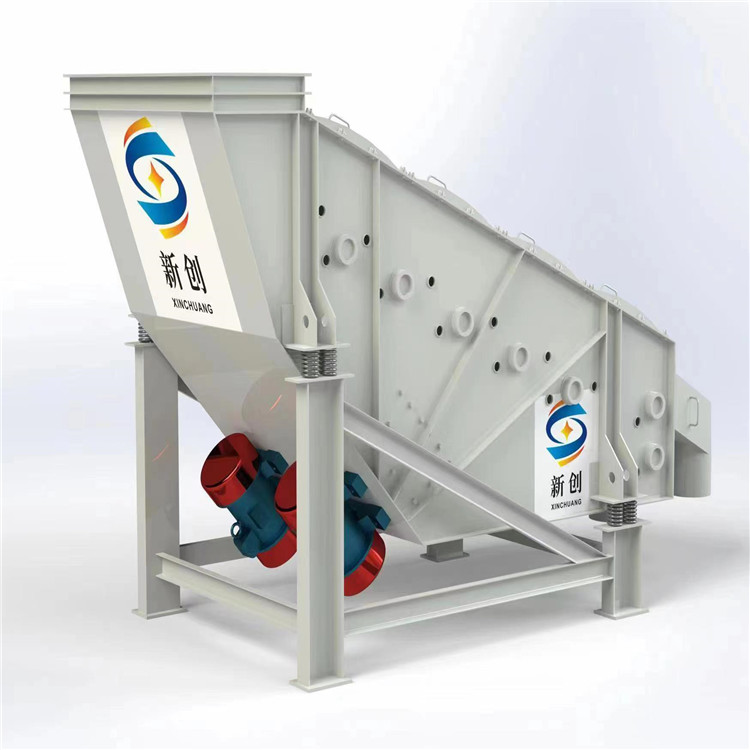
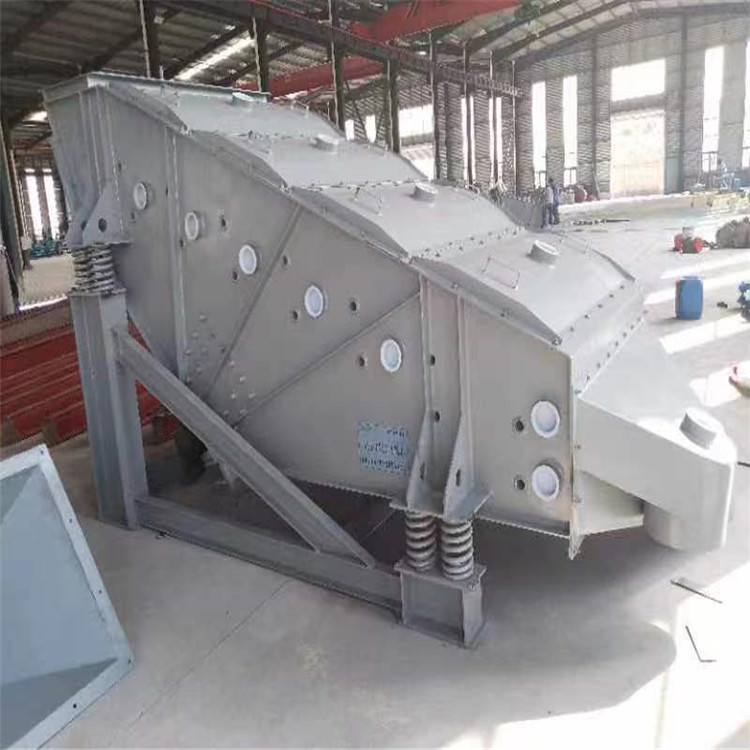
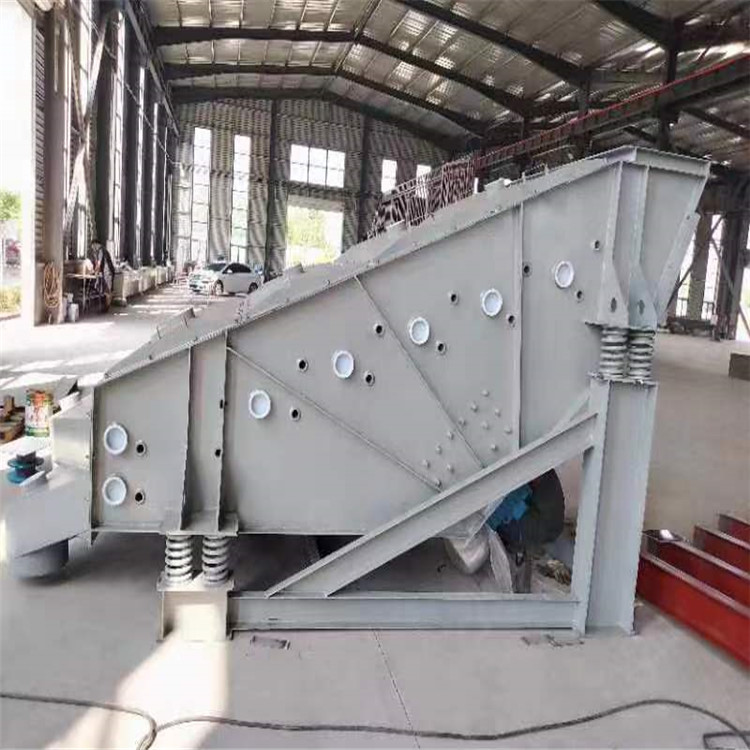



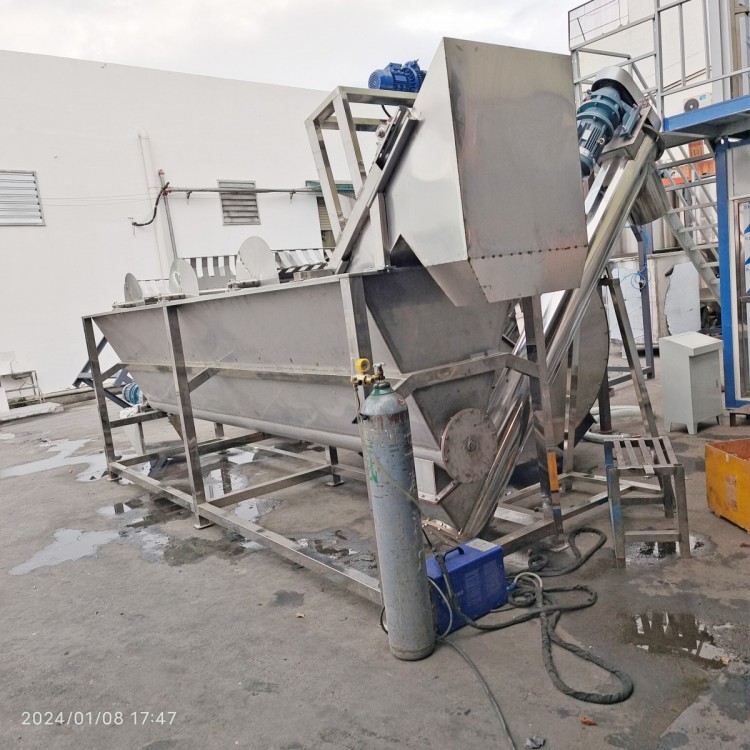
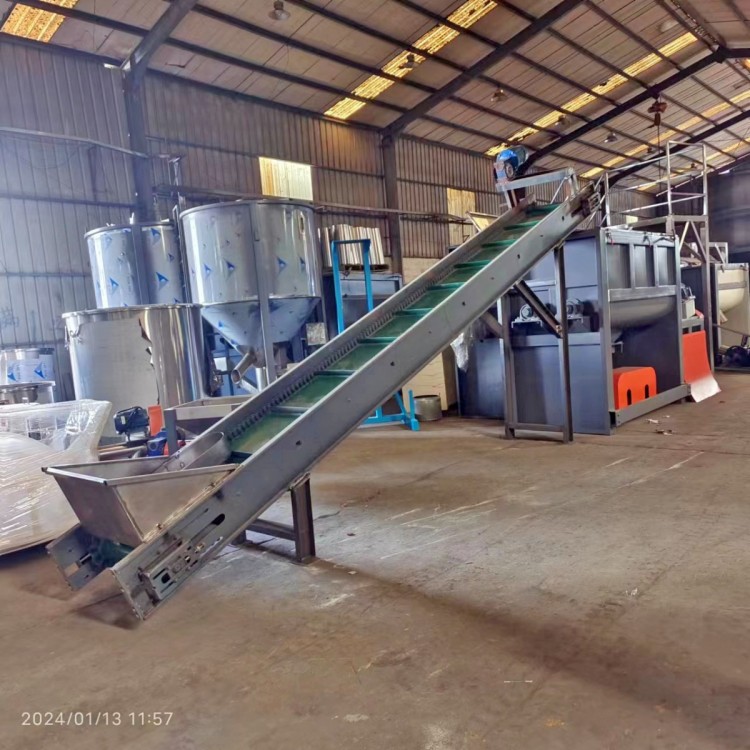





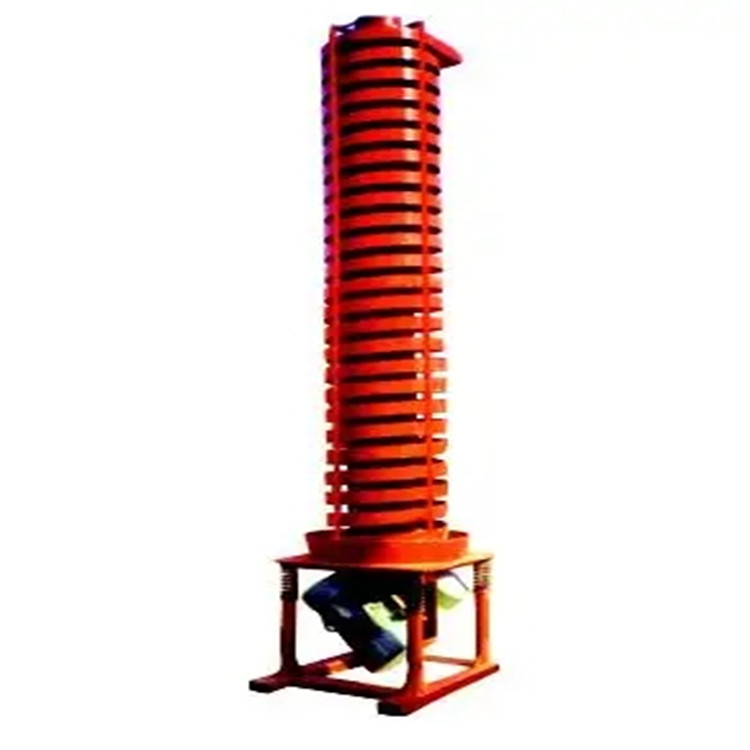
The vibration sieve operates by utilizing reciprocating rotational vibrations generated by the exciter. The upper rotating weight of the exciter produces a planar circular vibration on the sieve surface, while the lower rotating weight generates a conical rotational vibration. The combined effect of these creates a complex spiral vibration on the sieve surface. Its vibration path is a complex spatial curve, which projects as a circle on the horizontal plane and an ellipse on the vertical plane. Adjusting the excitation force of the upper and lower rotating weights can change the amplitude. Modulating the spatial phase angle of the upper and lower weights, however, alters the shape of the sieve surface's motion trajectory curve and the material's trajectory on the sieve surface.