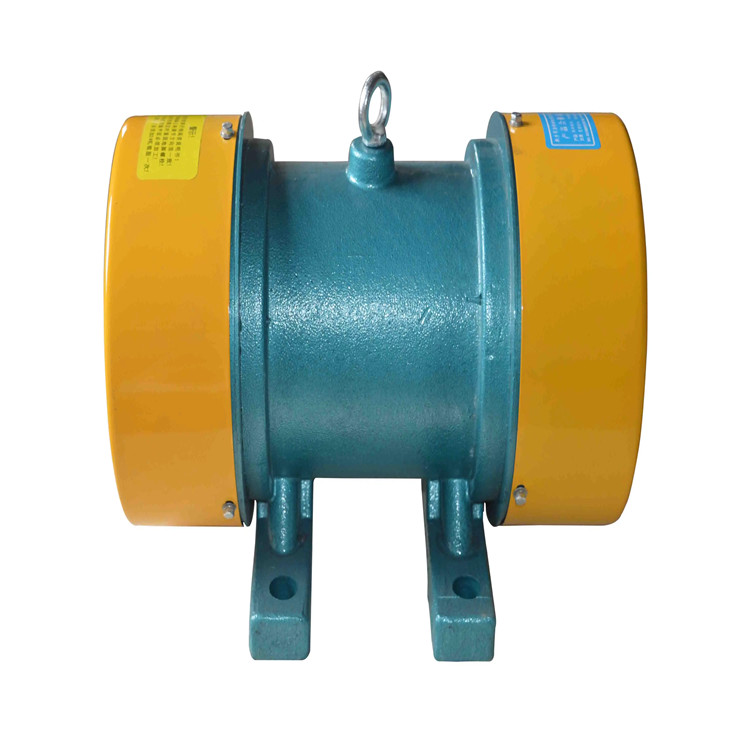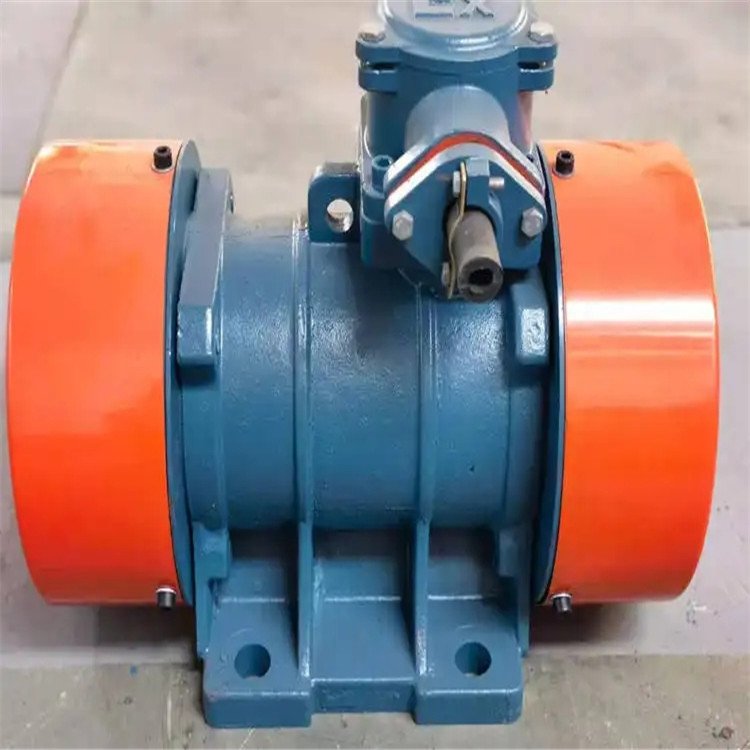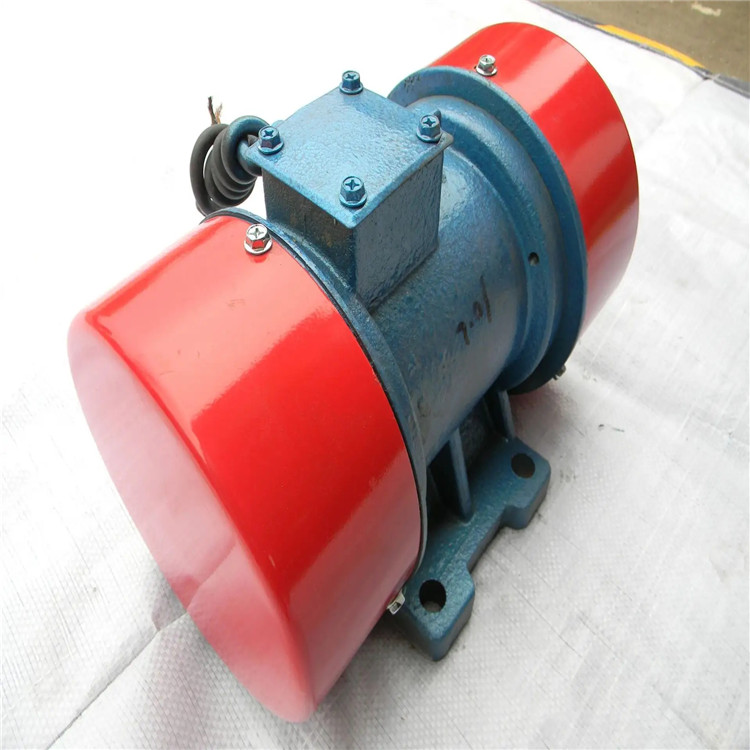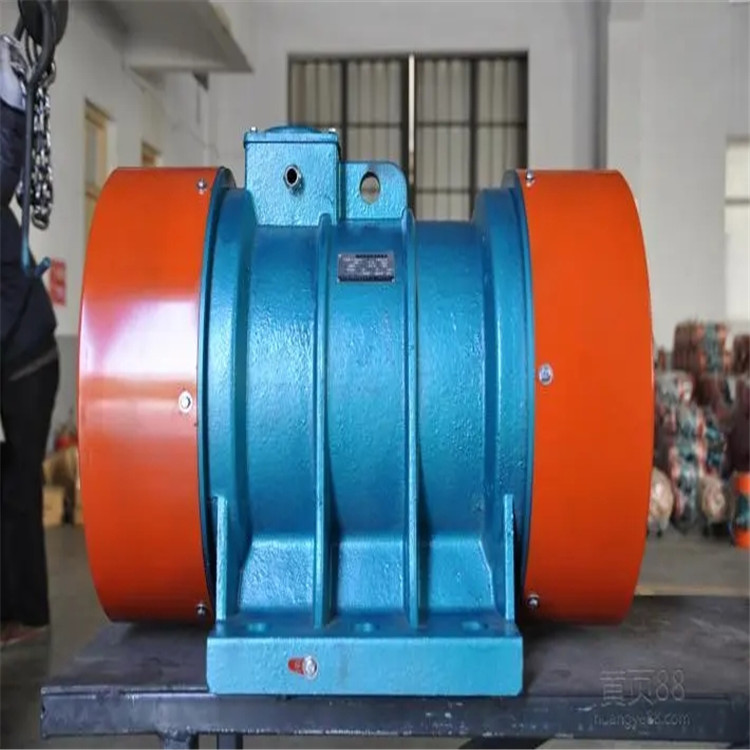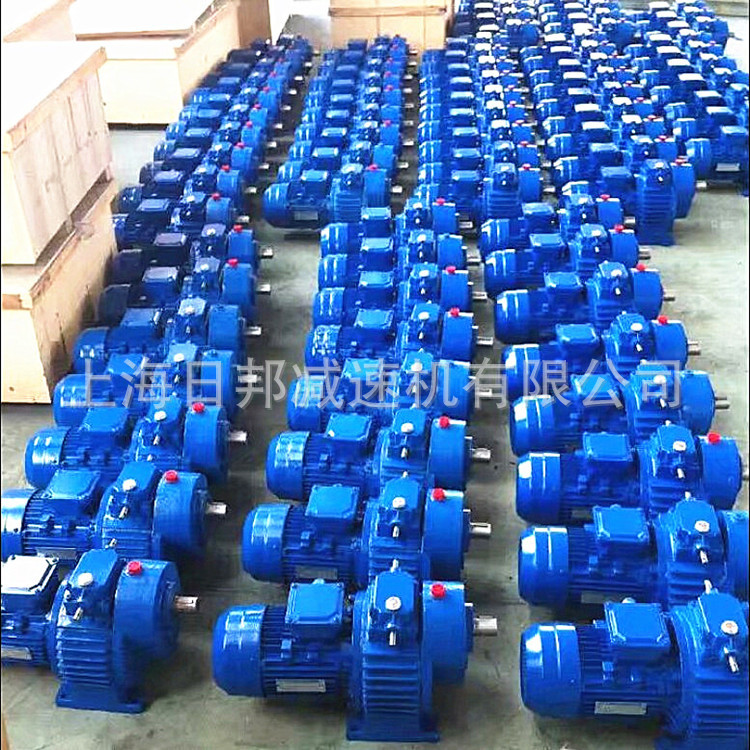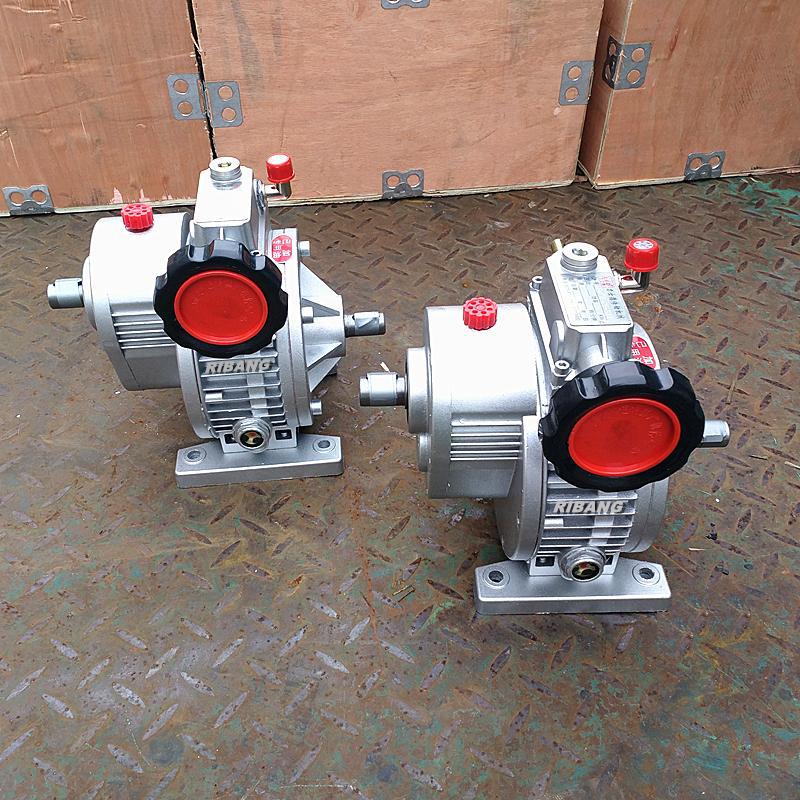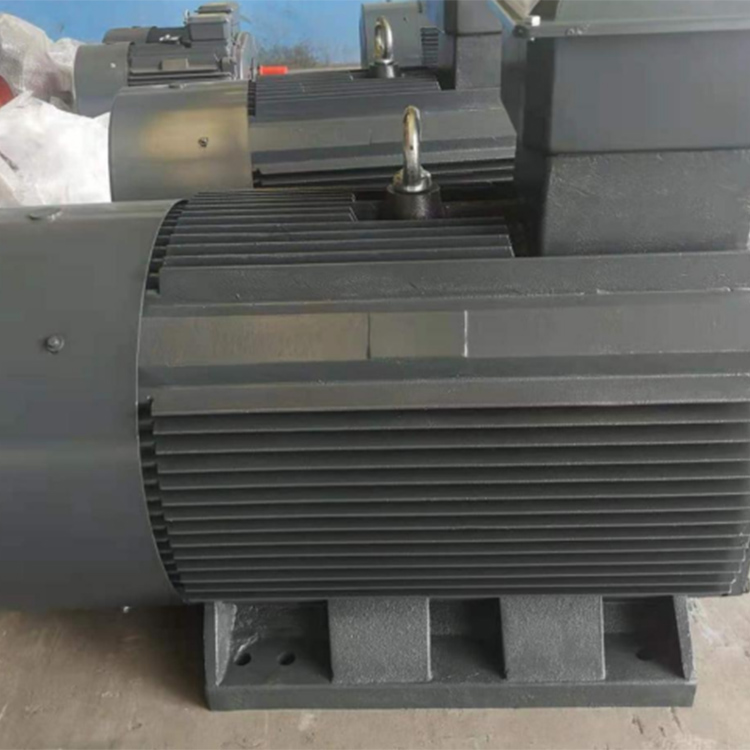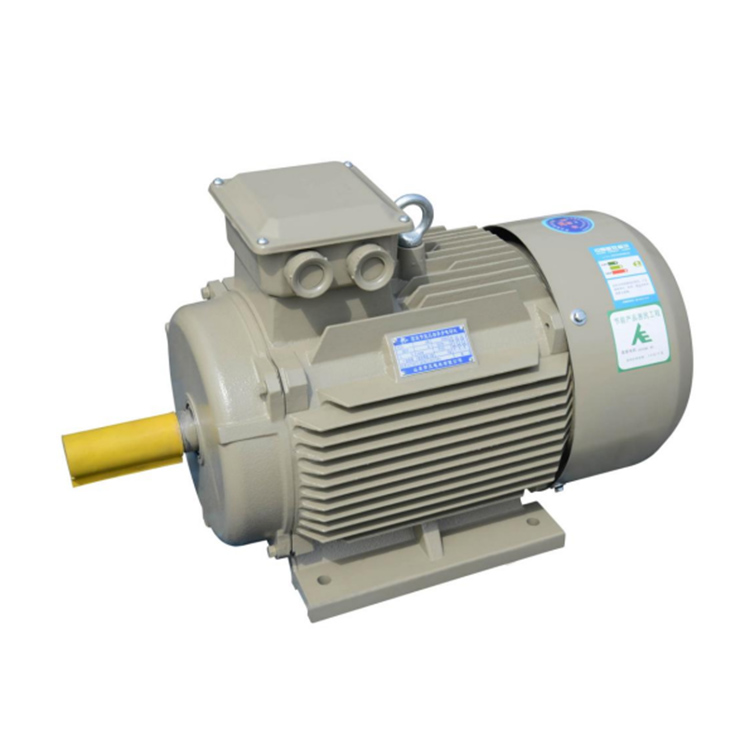

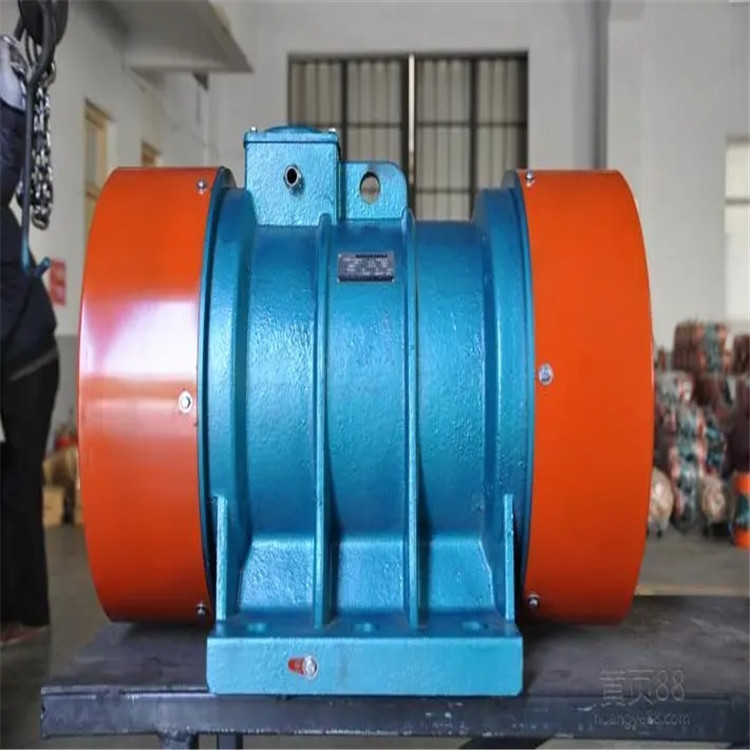
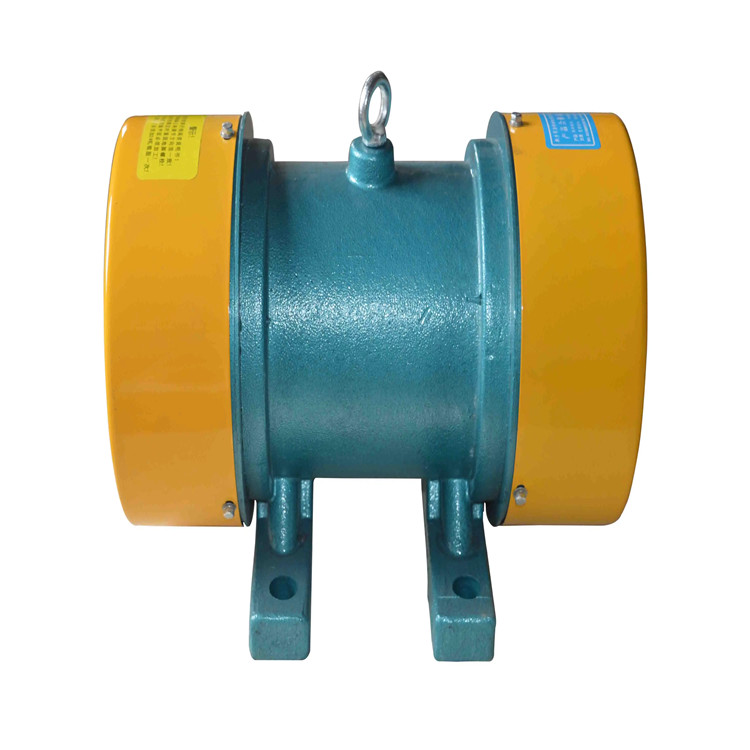
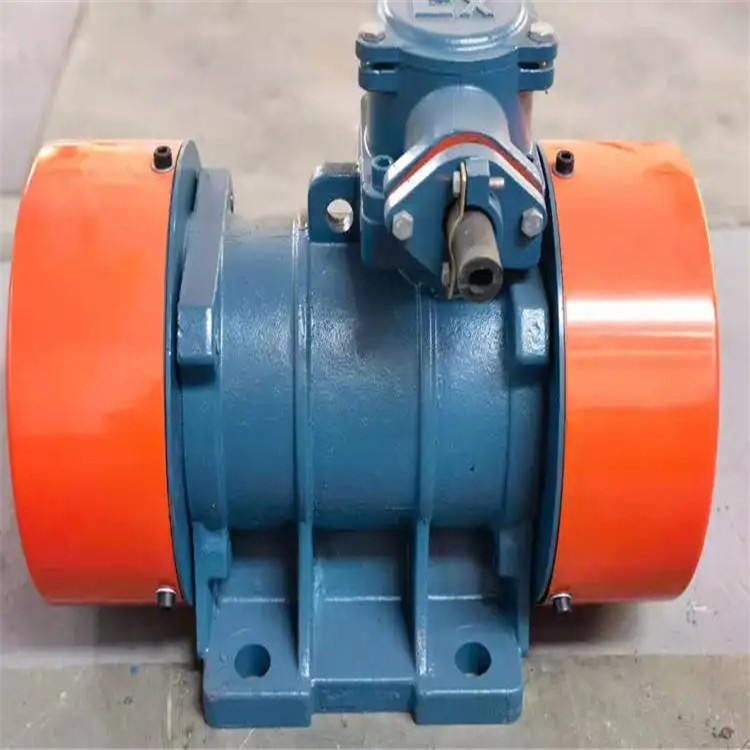


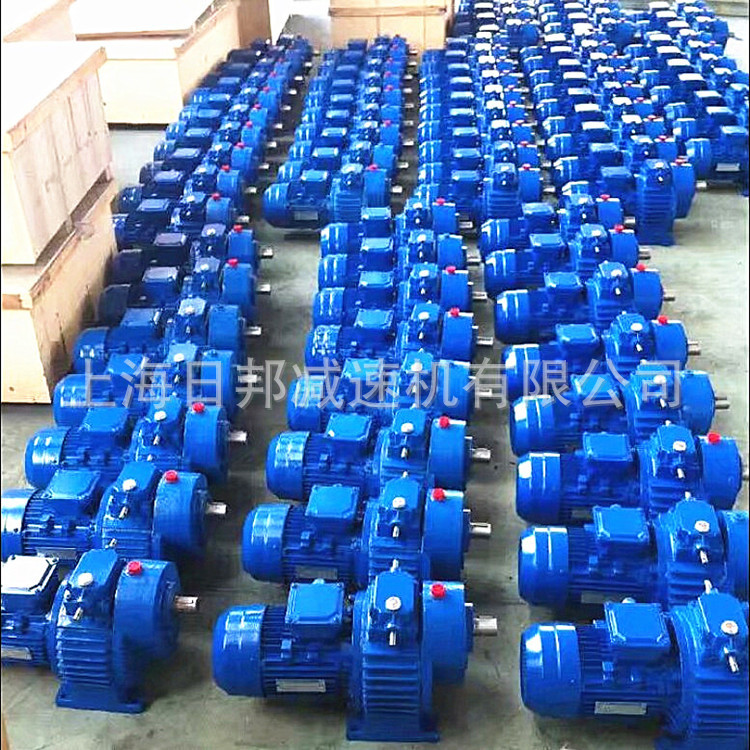
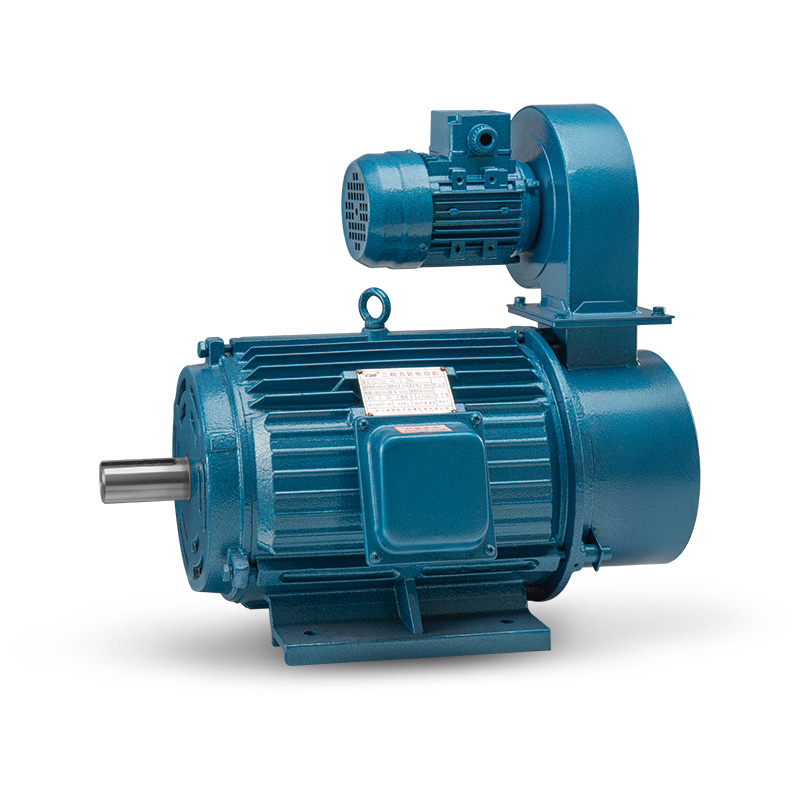





The rotating magnetic field generated by the stator (with a speed of synchronous speed n1) interacts with the relative motion of the rotor winding, causing the rotor winding to cut magnetic flux lines and produce induced electromotive force, thereby generating induced current in the rotor winding. The induced current in the rotor winding interacts with the magnetic field, creating an electromagnetic torque that makes the rotor rotate. As the rotor speed gradually approaches the synchronous speed, the induced current decreases, and so does the electromagnetic torque. When the asynchronous motor operates in the motor state, the rotor speed is less than the synchronous speed. To describe the difference between the rotor speed n and the synchronous speed n1, the slip is introduced.