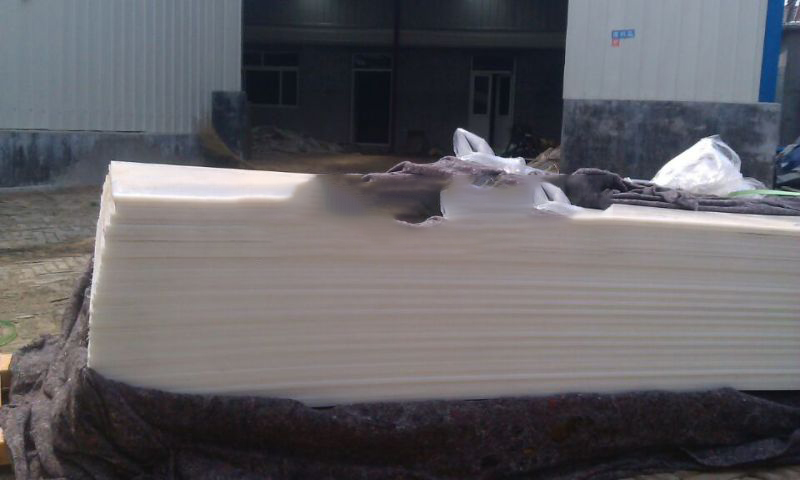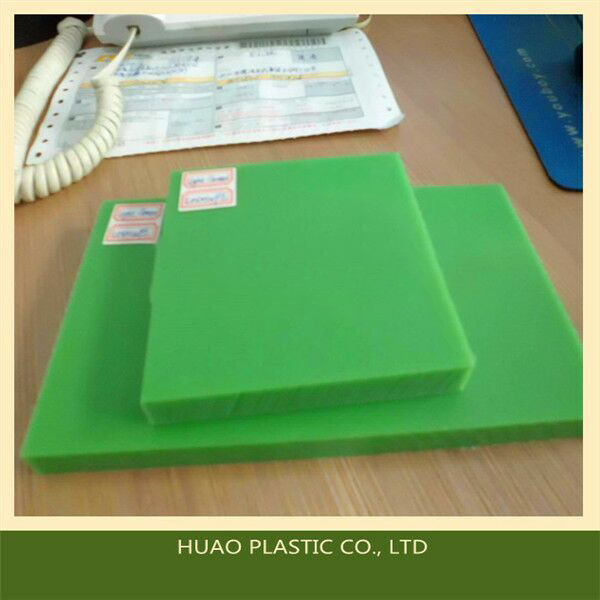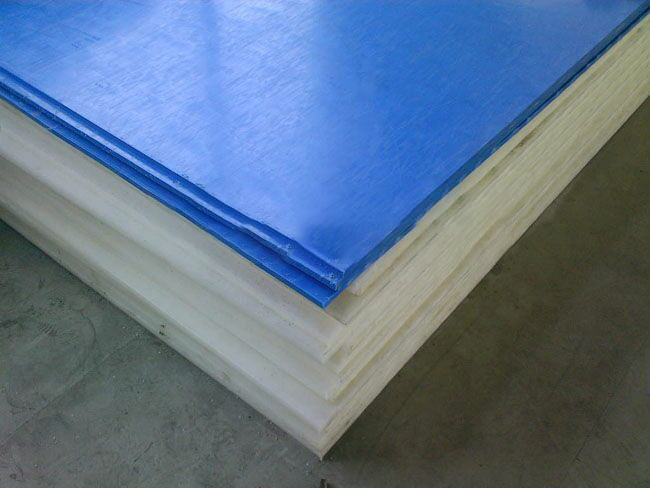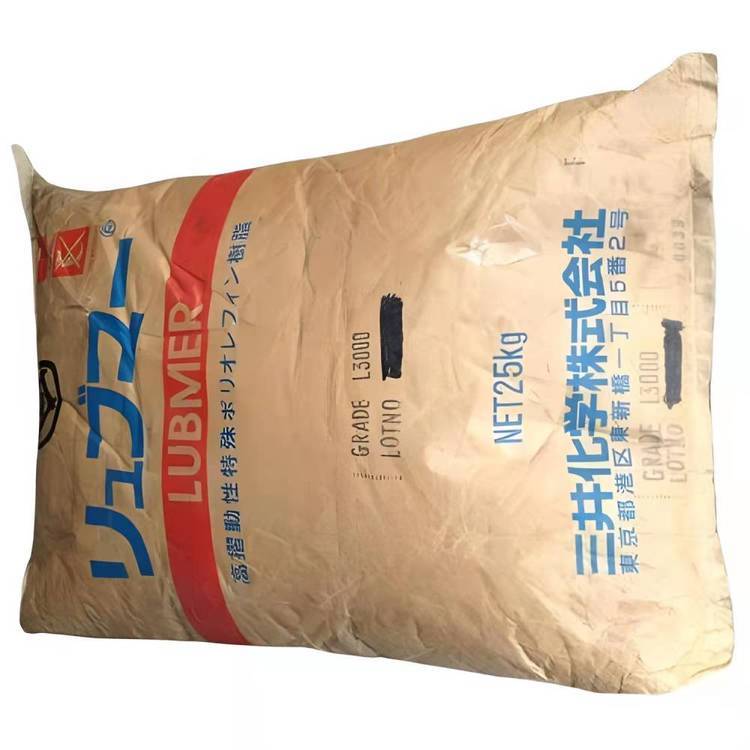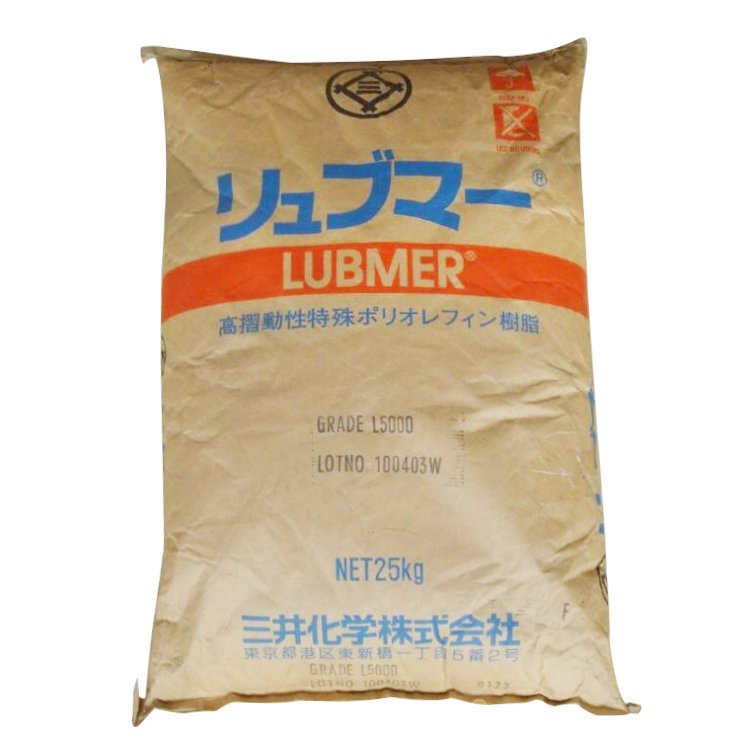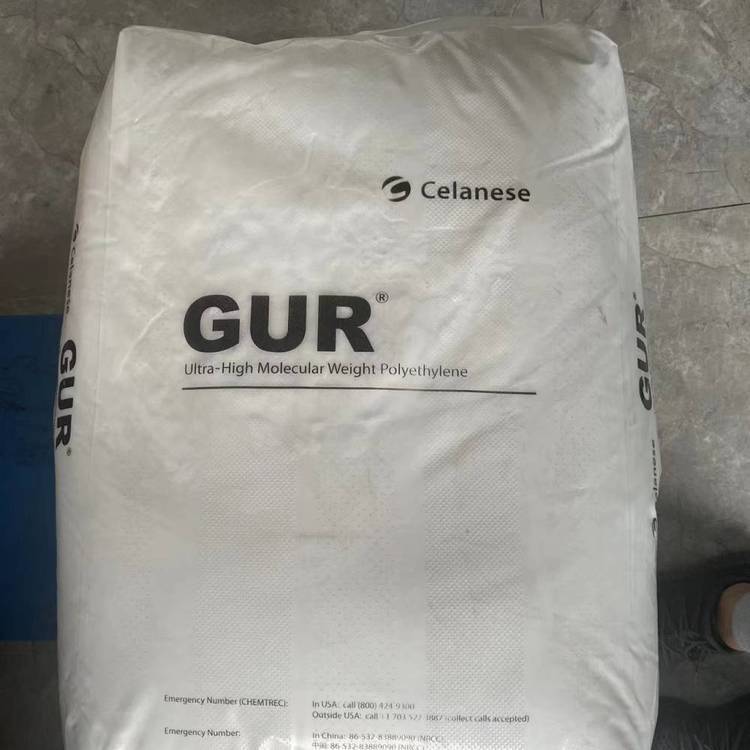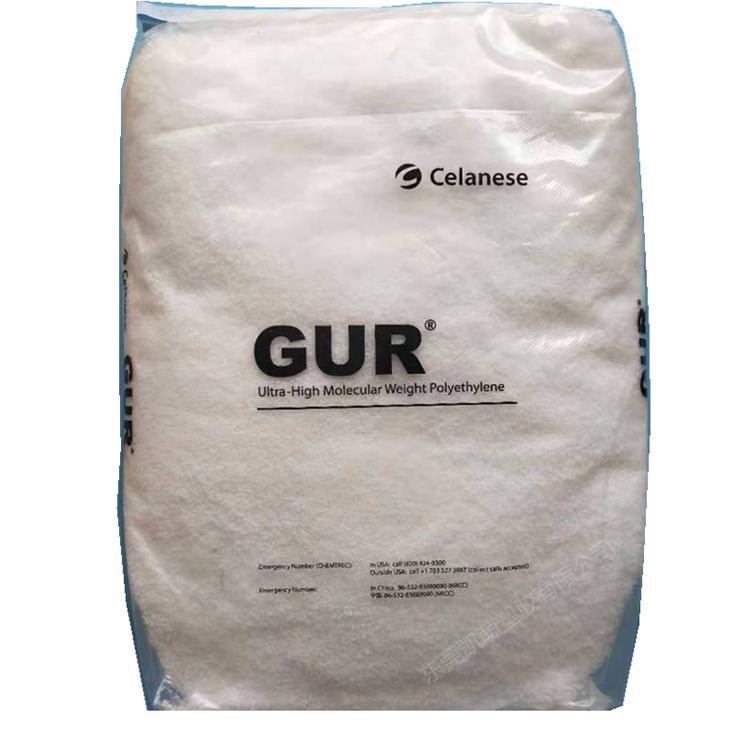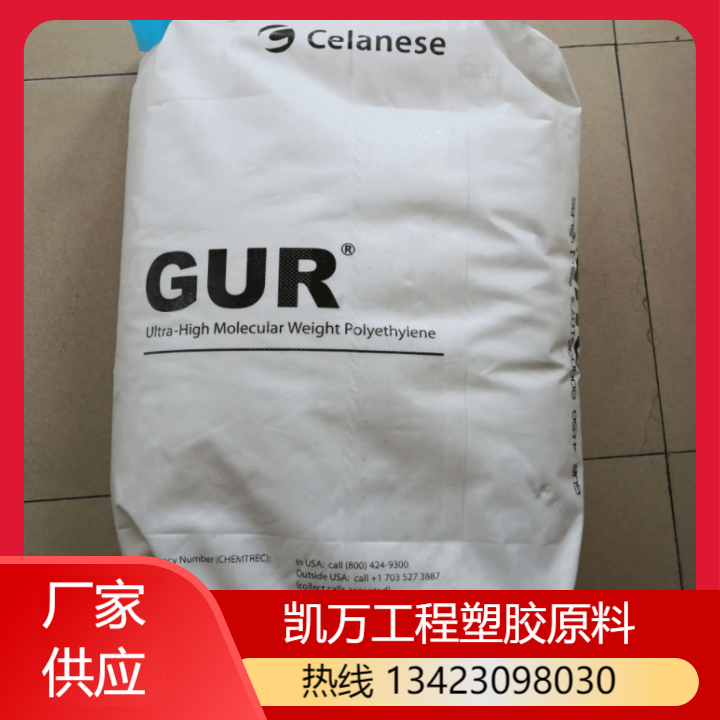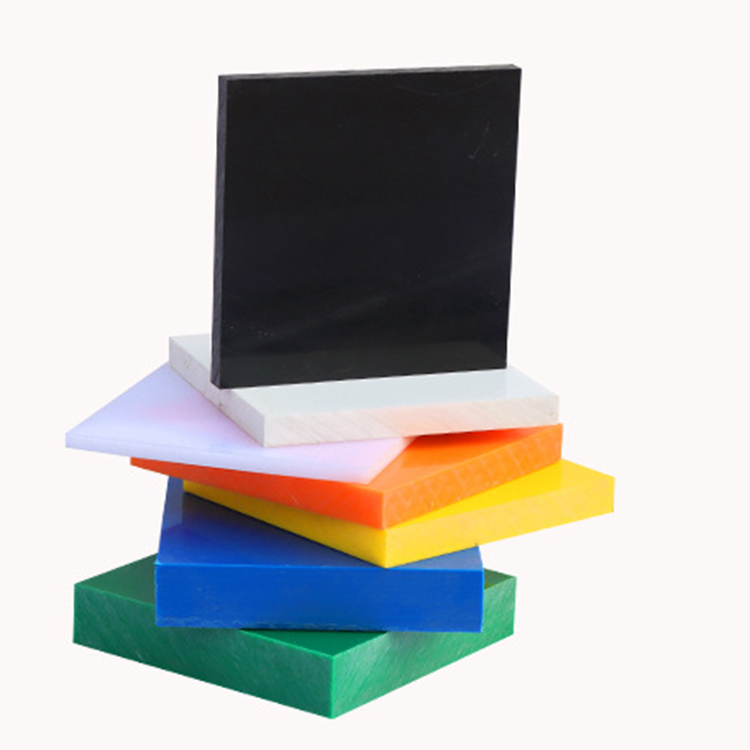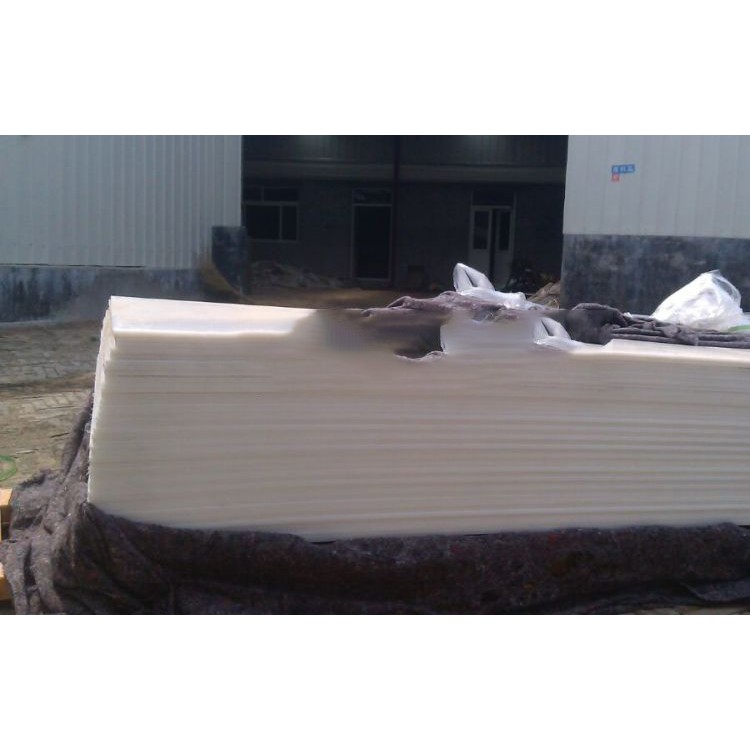



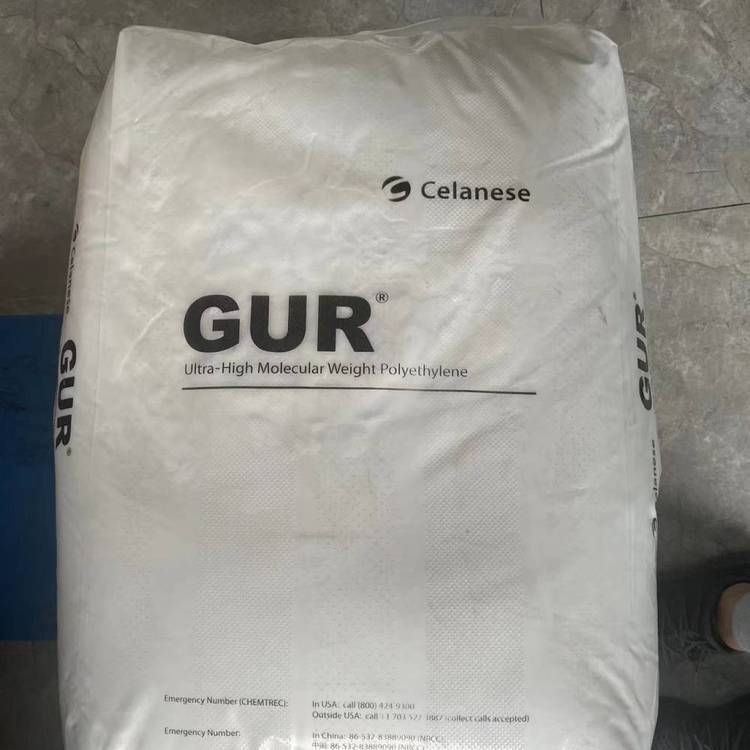
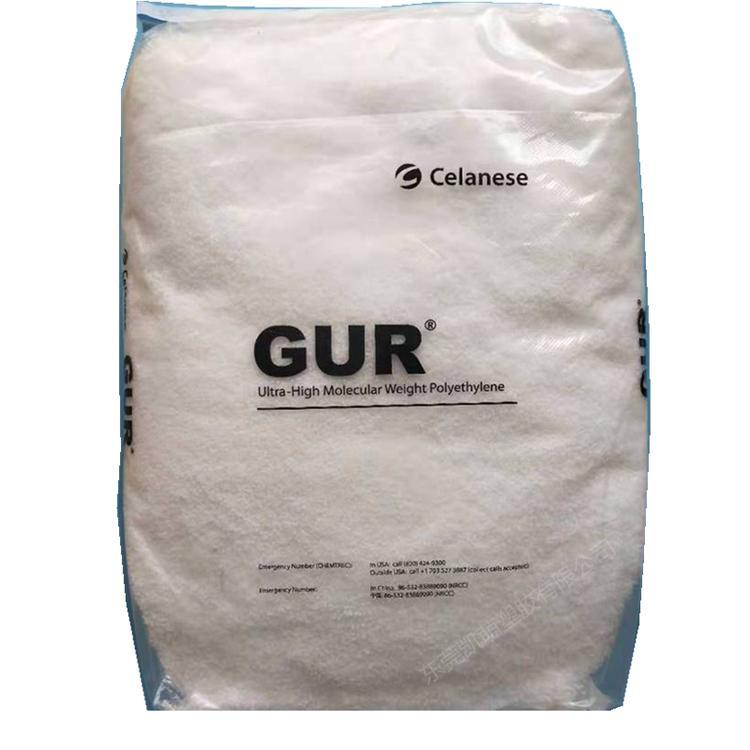





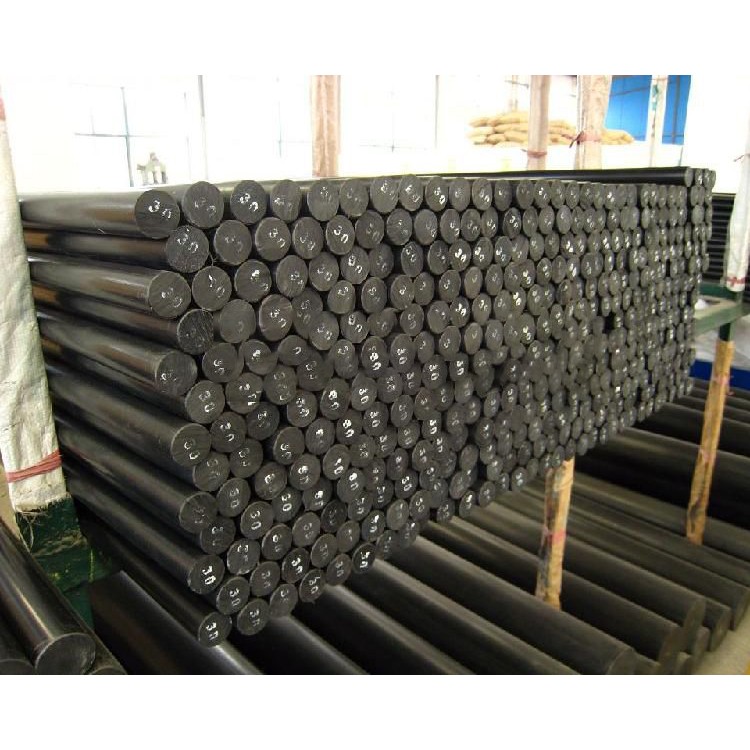
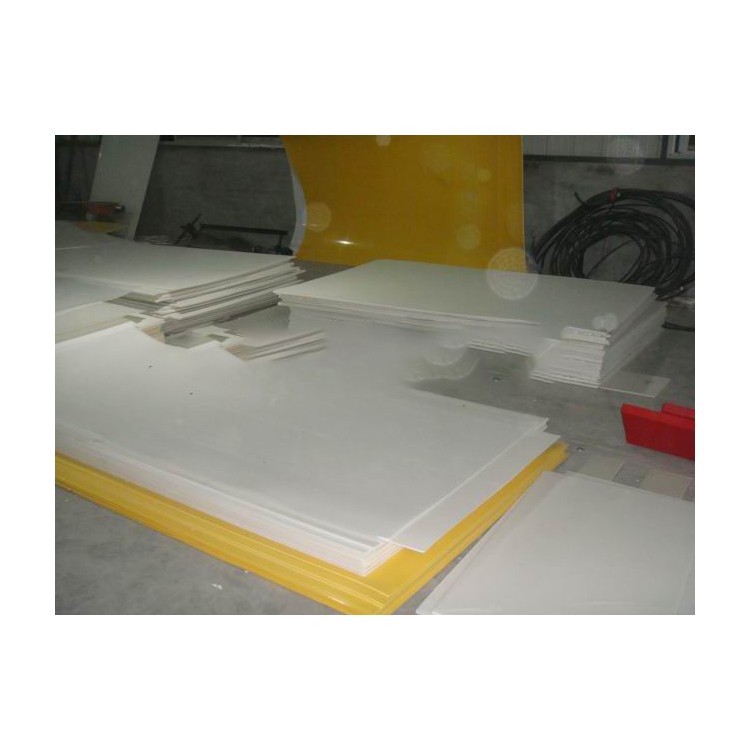
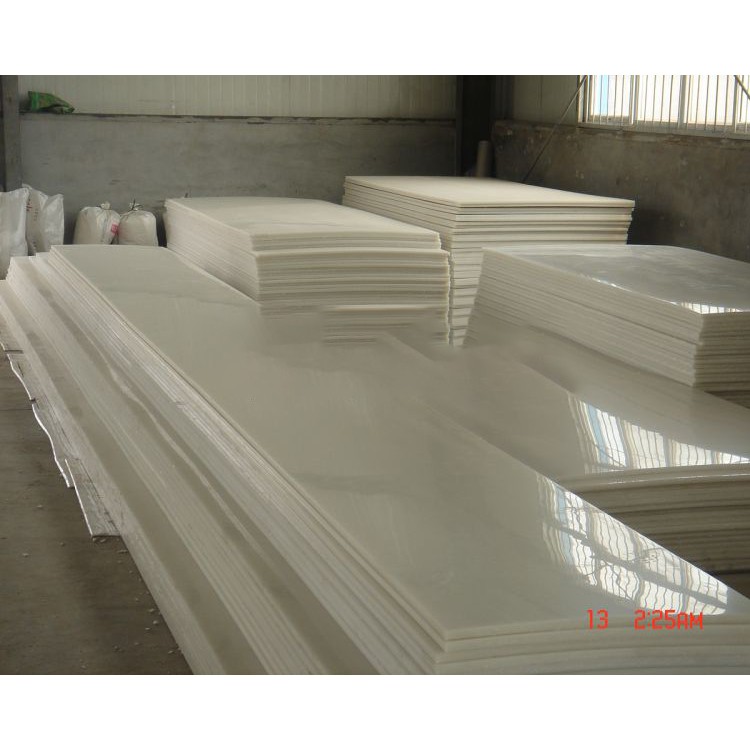
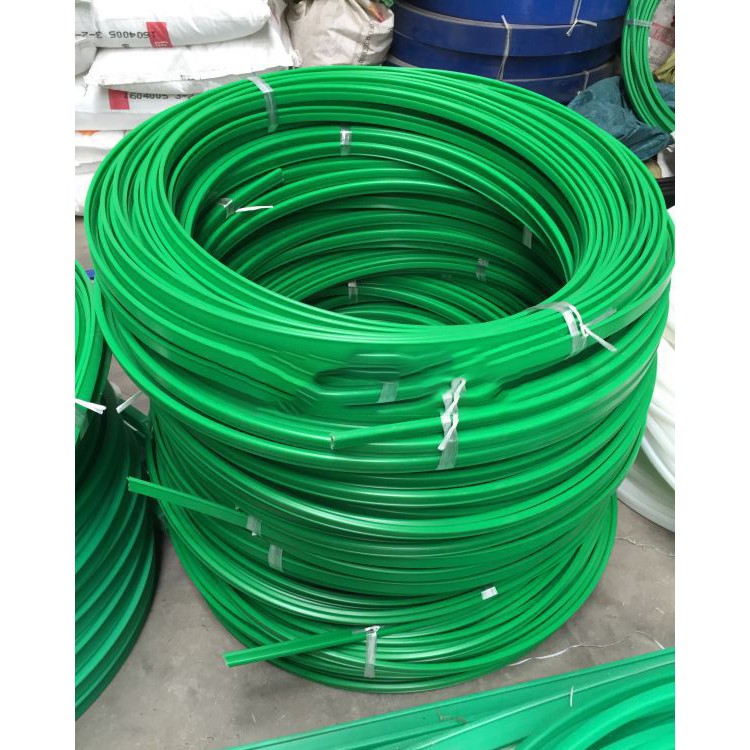
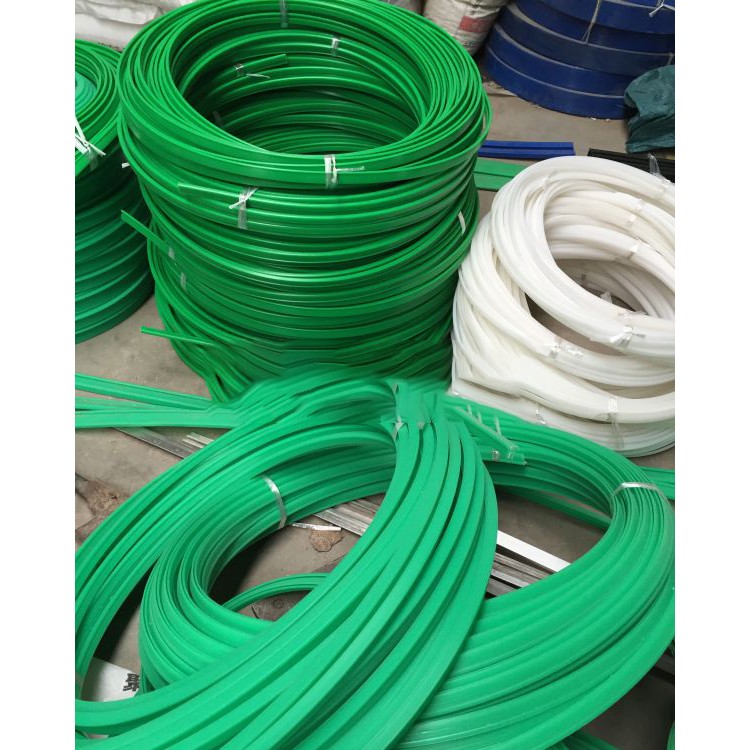
Details: Ultra High Molecular Weight Polyethylene (UHMWPE) - The English term for Ultra High Molecular Weight Polyethylene is UHMWPE, which is a polyethylene suitable for harsh working environments and various applications. It excels in many challenging conditions. The ultra-high molecular weight is what sets this polymer apart, with a molecular weight ranging from 3 to 6 million, compared to only 300,000 to 500,000 for high-density polyethylene resins. This difference ensures that UHMWPE has sufficient strength and wear resistance, as well as impact resistance, which are not achievable by other lower-grade polymers.
High molecular weight polyethylene (UHMWPE) refers to its property of not melting and flowing like a liquid, hence the processing methods derive from powder metal technology. Traditional plastic processing techniques, such as injection molding, blow molding, and heat forming, are not applicable to UHMWPE. Extrusion molding is a common processing technique for this resin, resulting in products with greater toughness. Material According to the classification method of Phillips Petroleum Company, polyethylene with a molecular weight above 1.5 million is termed "ultra-high molecular weight polyethylene (UHMWPE)."
.Hoechst of Germany, Hercules of the United States, and Mitsui Petrochemicals of Japan are the world's top three manufacturers of UHMWPE. In China, the main producers are Beijing Second Auxiliary Plant and Shanghai Gaoqiao Petrochemical Corporation's chemical plant. The raw material for UHMWPE boards is ultra-high molecular weight polyethylene with a molecular weight exceeding 1.5 million. Features: The high molecular weight of UHMWPE grants it excellent performance characteristics, and it is a thermoplastic engineering plastic with moderate pricing and superior properties.
It virtually encompasses the advantages of various plastics, boasting unparalleled wear resistance, impact resistance, self-lubrication, corrosion resistance, shock absorption, low-temperature resistance, hygiene, non-toxicity, non-stickiness, low water absorption, and low density. In fact, there is no single high polymer material that possesses such a multitude of superior properties. The wear resistance of UHMWPE is at the top among plastics and exceeds that of certain metals. Figure 1 compares the wear resistance of UHMWPE with other materials. As shown in Figure 1, the sanding wear index of UHMWPE is only 1/5 of PA66 and 1/10 of HEPE and PVC compared to other engineering plastics; compared to metals, it is 1/7 of carbon steel and 1/27 of brass. Such high wear resistance makes it difficult to test its wear resistance using conventional plastic wear testing methods, hence a specialized sanding wear testing device was designed. The wear resistance of UHMWPE is proportional to its molecular weight; the higher the molecular weight, the better the wear resistance.
Impact resistance of UHMWPE is among the highest in all engineering plastics. Figure 2 compares the impact strength of UHMWPE with other engineering plastics. As shown in Figure 2, the impact strength of UHMWPE is approximately twice that of impact-resistant PC, five times that of ABS, and over ten times that of POM and PBTP. Its high impact resistance makes it difficult to break or damage using conventional impact testing methods. The impact strength increases with the molecular weight, reaching a peak at 1.5 million, after which it gradually decreases with further increase in molecular weight. Notably, it maintains excellent impact strength in liquid nitrogen (-195°C), a property not found in other plastics. Additionally, it exhibits higher surface hardness under repeated impacts.
Self-lubricating UHMWPE has a friction coefficient (0.05~0.11), thus exhibiting excellent self-lubricity. Table 1 compares the friction coefficients of UHMWPE with other engineering plastics. As seen in Table 1, the dynamic friction coefficient of UHMWPE under water lubrication is half that of PA66 and POM, and in the absence of lubrication, it ranks second only to the self-lubricating polytetrafluoroethylene (PTFE) among plastics; when it operates in sliding or rotating forms, its lubricity surpasses that of steel and brass lubricated with oil. Therefore, in the field of tribology, UHMWPE is hailed as an ideal friction material with a very cost-effective performance ratio. UHMWPE possesses excellent chemical resistance. It has superior impact energy absorption, with a value among all plastics, thus offering good noise damping properties and excellent sound-dampening effects. UHMWPE exhibits excellent low-temperature resistance, retaining ductility at liquid helium temperatures (-269℃), and can thus be used as low-temperature components in the nuclear industry. It is hygienic and non-toxic, suitable for contact with food and drugs. UHMWPE has a very low adhesion coefficient, second only to PTFE in plastics for non-stick properties, making the surface of its products less likely to adhere to other materials. Its water absorption rate is very low, generally less than 0.01%, only 1% of PA66, so it usually does not require drying before molding. UHMWPE has a relatively low density compared to other engineering plastics. Due to its structural features necessary for tensile orientation, UHMWPE boasts unmatched ultra-high tensile strength, allowing the production of fibers with ultra-high elastic modulus and strength through gel spinning. The tensile strength of these fibers can reach 3~3.5 GPa, and the tensile elastic modulus can reach 100~125 GPa; the specific strength of these fibers is among the highest of all commercialized fibers, four times greater than carbon fibers, ten times greater than steel wire, and 50% greater than aramid fibers.
Excellent Aging Resistance: UHMW-PE boasts excellent aging resistance, offering longer service life and cost savings. Energy Absorption: Utilizing the energy-absorbing properties of UHMW-PE, it can be widely applied in the machinery and equipment industry, used on steel surfaces to reduce friction. Flame Retardancy: By adding flame retardants, UHMW-PE gains flame-retardant properties. Application Fields: Industry Applications of UHMW-PE Products: Due to its excellent wear resistance, environmental friendliness, antistatic, shock absorption, high wear resistance, moisture resistance, corrosion resistance, ease of processing, shock absorption, noiseless, cost-effectiveness, non-deformation, impact resistance, and self-lubricating properties, UHMW-PE is particularly suitable for manufacturing various wear-resistant mechanical parts, such as idlers, sleeve bushes, nozzles, and propellers, with a broad range of applications.
Application Examples: Transporting Machinery - Rails, conveyer belts, conveying device sliders, fixed plates, timing sprockets for continuous production lines; Food Machinery - Star wheels, bottle counting screws, filling machine bearings, bottle picking machine parts, washers, guides, cylinders, gears, rollers, chain wheels with handles; Papermaking Machinery - Suction tank cover plates, guide rollers, knives, bearings, nozzles, filters, oil reservoirs, wear strips, felt sweepers; Textile Machinery - Openers, vibration dampers, connectors, crankshafts, reed sticks, comb needles, off-center bearing, swing back beams; Construction & Agricultural Machinery - Excavator pushing plates, dump truck interior materials, tractor plow inner linings; Chemical Machinery - Valve bodies, pump bodies, washers, filters, gears, nuts, sealing rings, nozzles, plug valves, shaft sleeves, bellows; Port & Ship Machinery - Ship components, bridge crane edge roller, wear-resistant blocks and other accessories; General Machinery - Various gears, bushings, sleeves, sliding plates, clutches, guides, brakes, hinges, elastic couplings, rollers, wheel supports, fasteners, lifting platforms with sliding parts; Dyeing & Finishing - Dyeing machine bearings, knives, sliding plates, pads, seals, take-up disks; Sports & Cultural Goods - Snow liner, power sleds, ice rink surfaces, ice rink protective frames; Articles - Rectangular exterior parts, artificial joints, prosthetics, etc.; Others - Refrigeration machinery, shielding plates for nuclear power stations, electroplating parts, ultra-low temperature machinery parts.
Processing Technology: Due to the high viscosity of ultra-high molecular weight polyethylene (UHMW-PE) in the molten state, reaching 10^8 Pa*s, its flowability is extremely low, with a melt index nearly zero, making it difficult to process with conventional mechanical methods. In recent years, the processing technology for ultra-high molecular weight polyethylene (UHMW-PE) has rapidly developed. By modifying standard processing equipment, UHMW-PE has evolved from initial pressing-sintering forming to extrusion, blow molding, injection molding, and other special forming methods.
General Processing Techniques: Pressing and Sintering
Pressing and sintering is the original processing method for ultra-high molecular weight polyethylene (UHMW-PE). This method has low production efficiency and is prone to oxidation and degradation. To improve efficiency, direct electric heating methods can be employed.
1. Additionally, Werner and Pfleiderer have developed a super-high-speed sintering process;
2. A blade-type mixer is used, with blade rotation speeds reaching 150 m/s, allowing the material to reach processing temperature in just a few seconds.

.jpg)