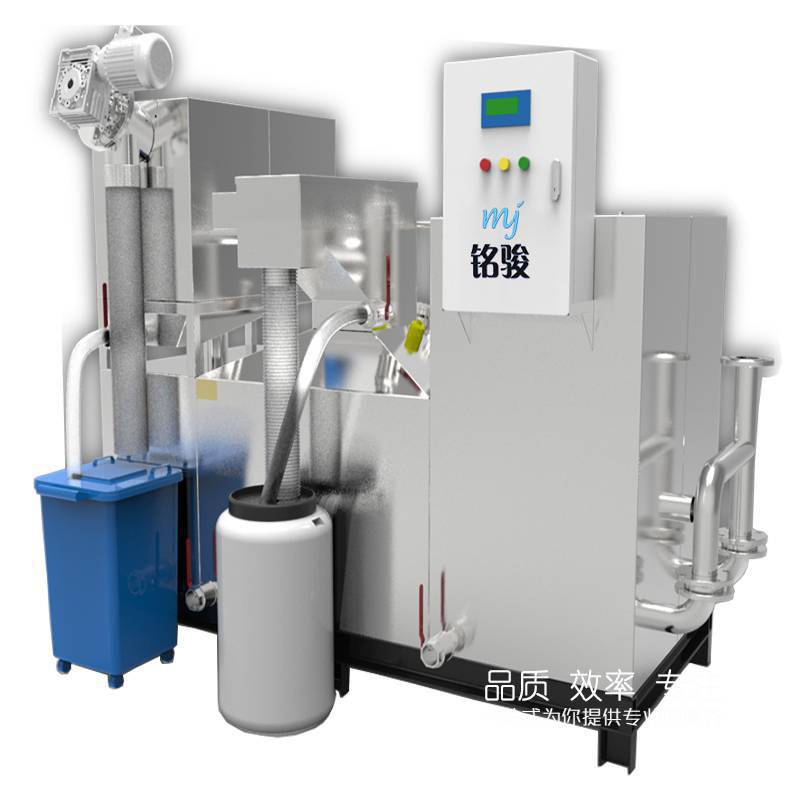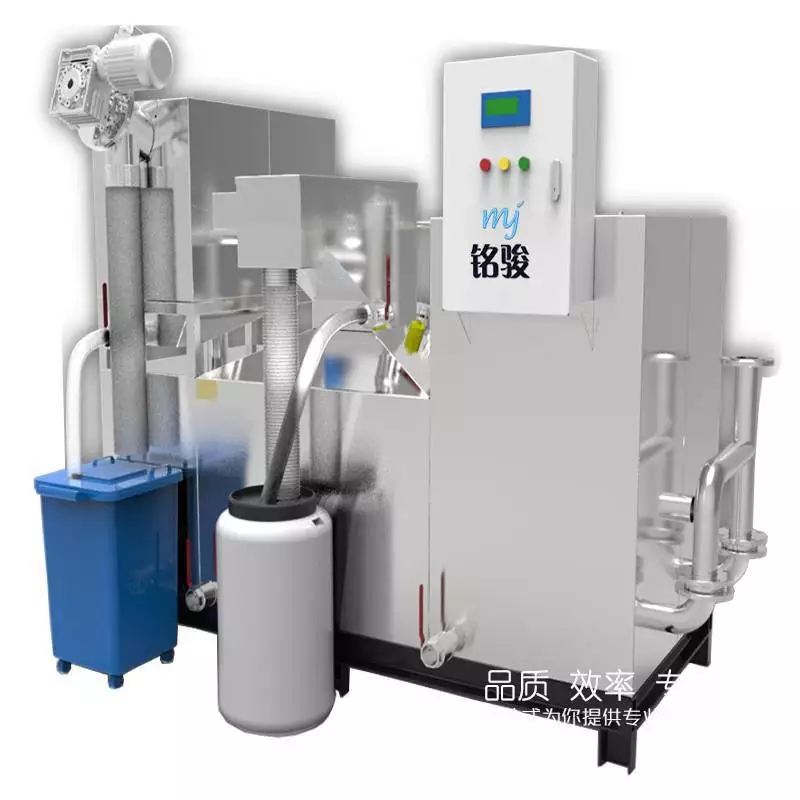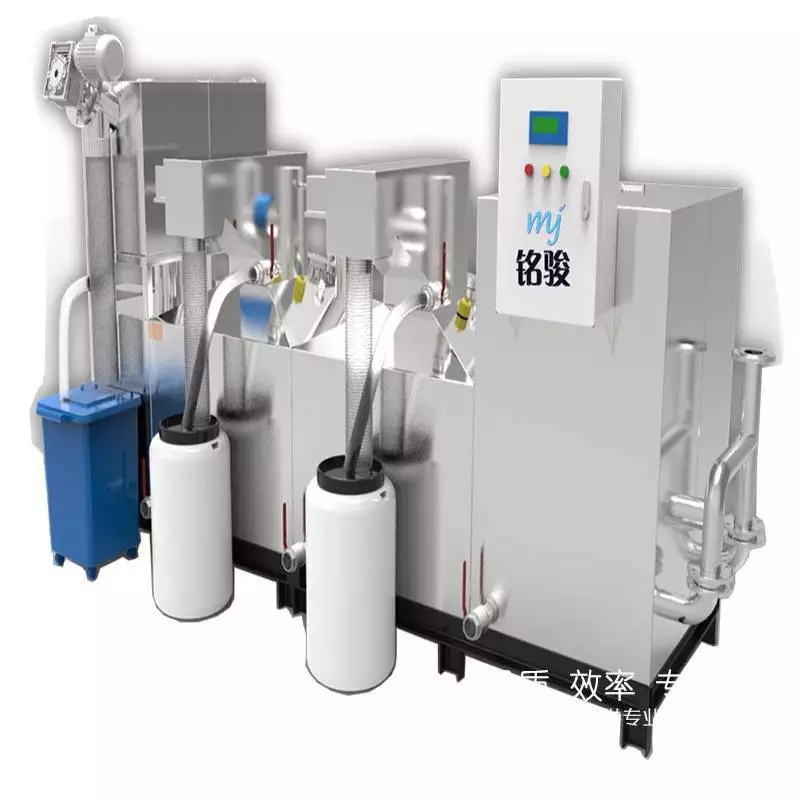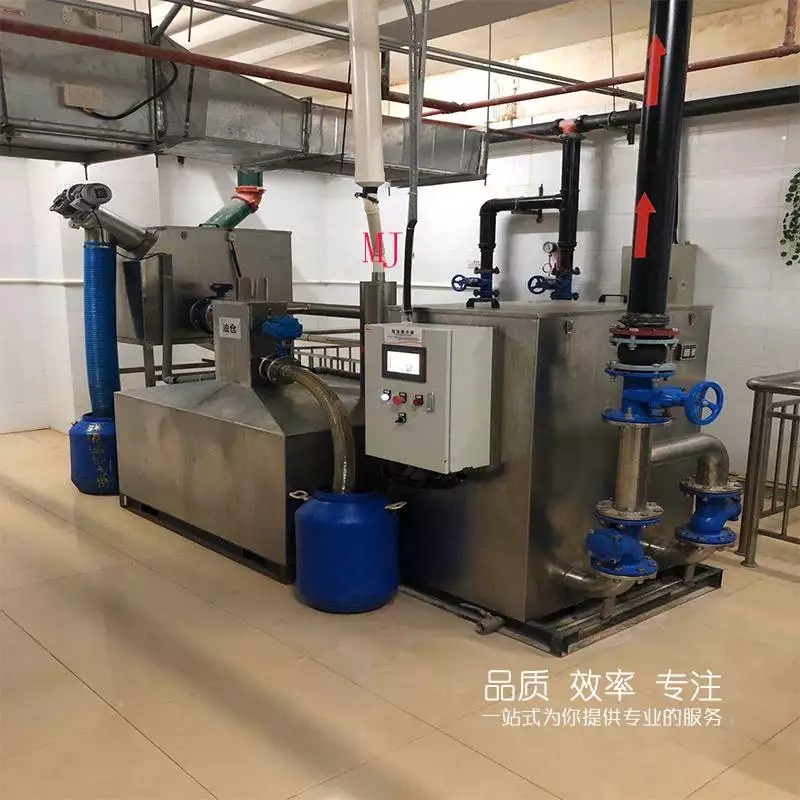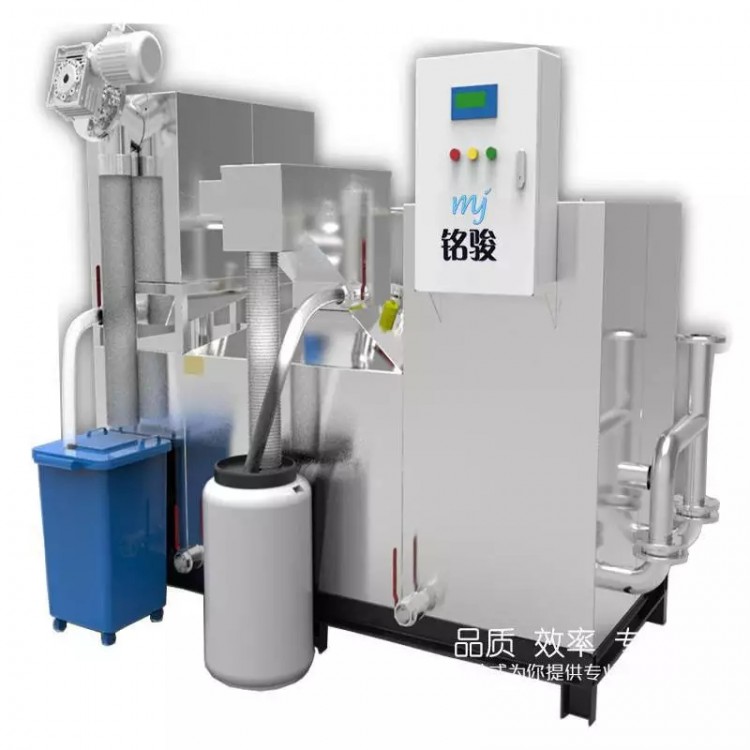

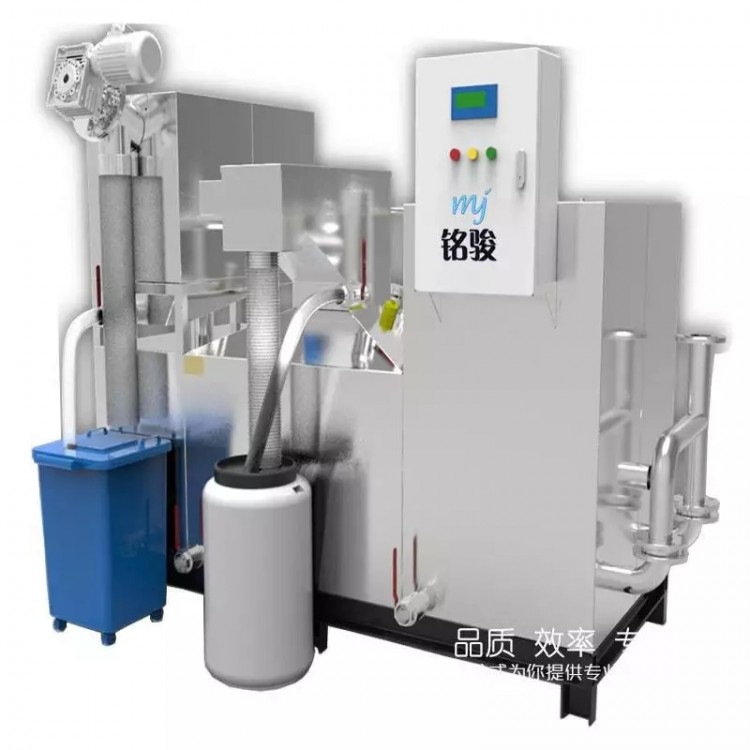
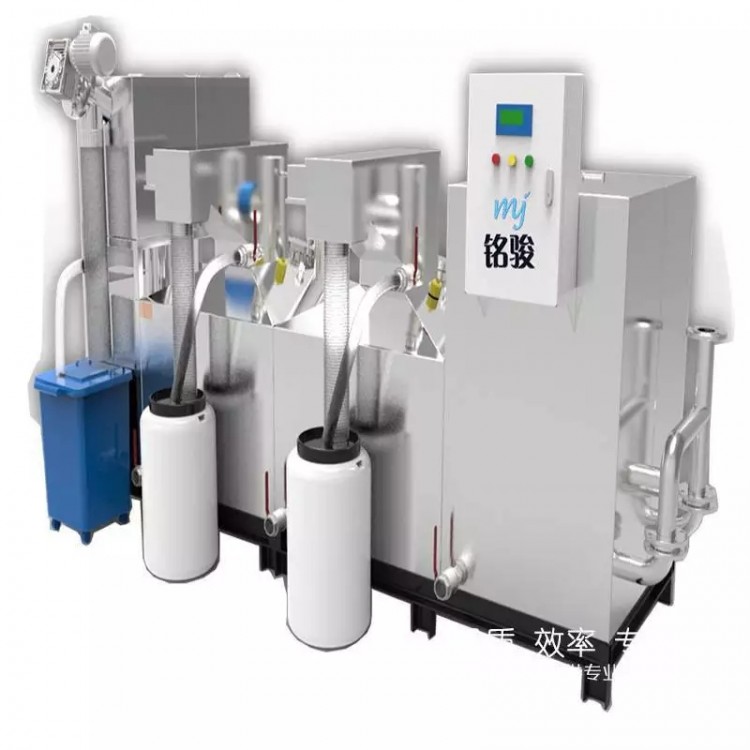
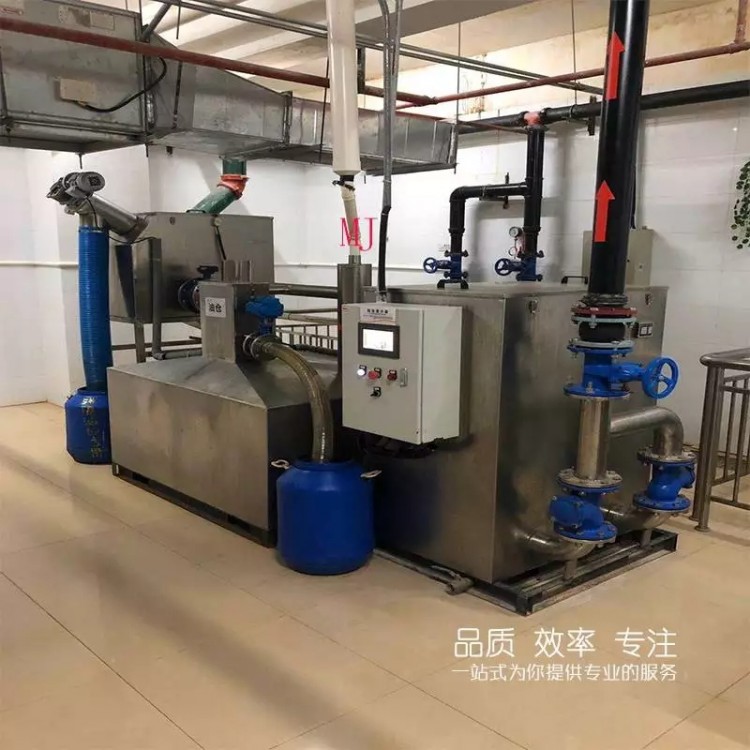







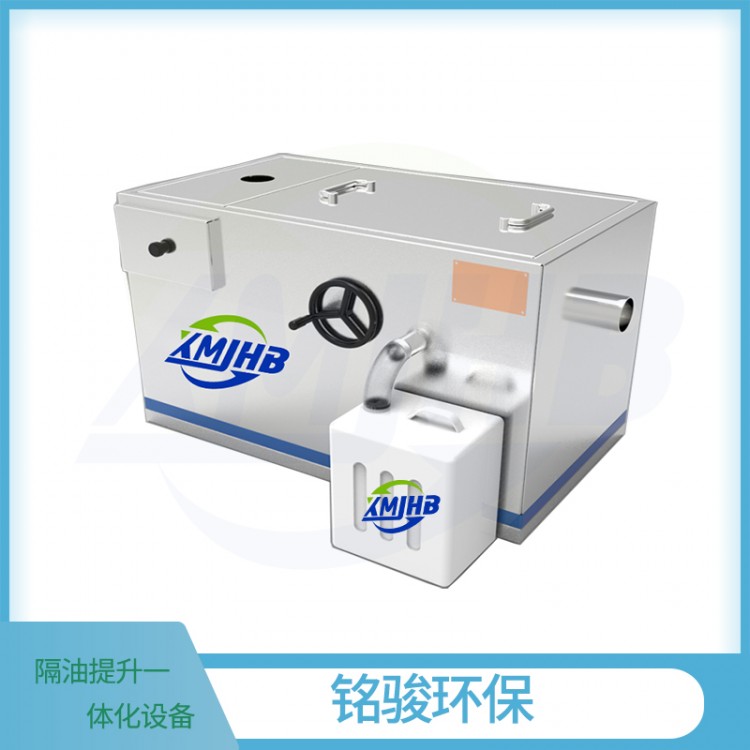

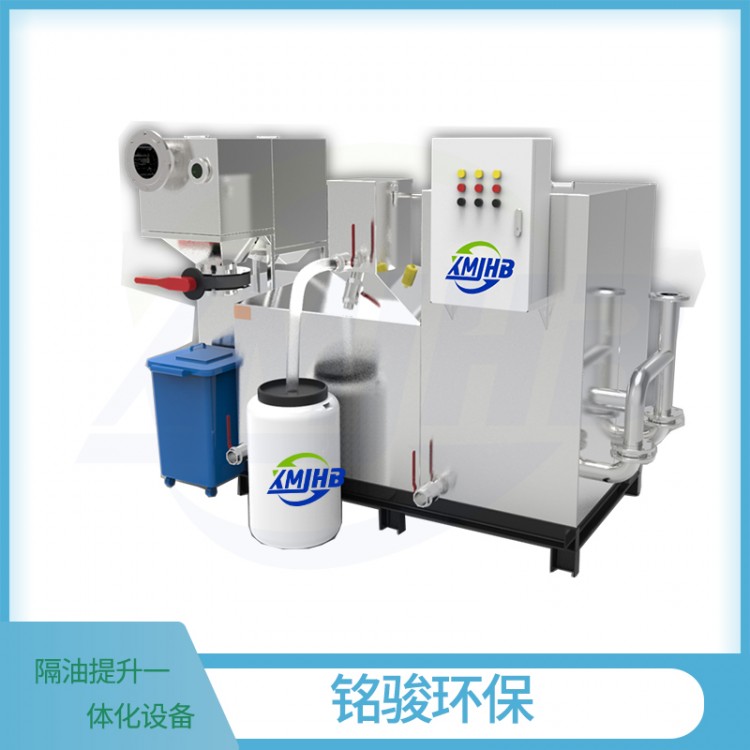
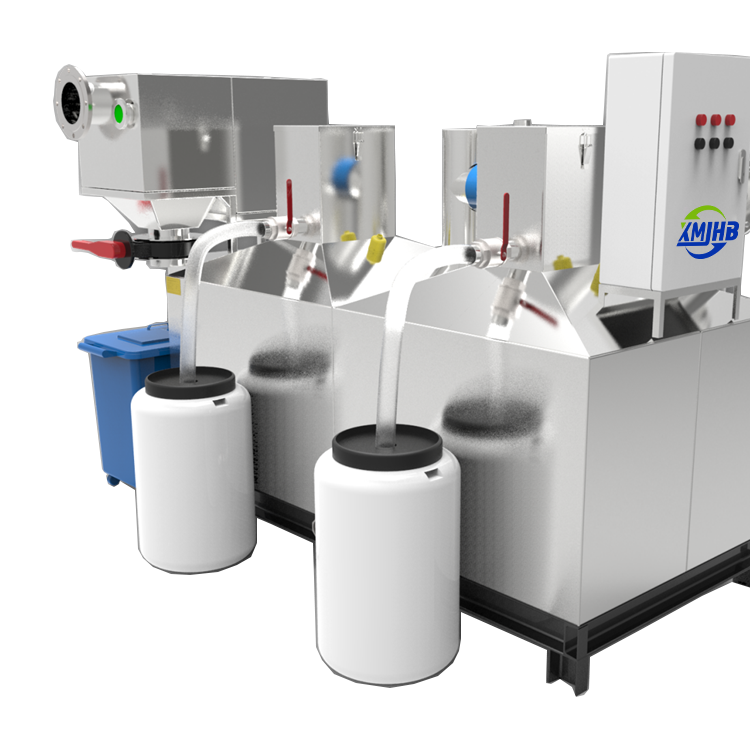
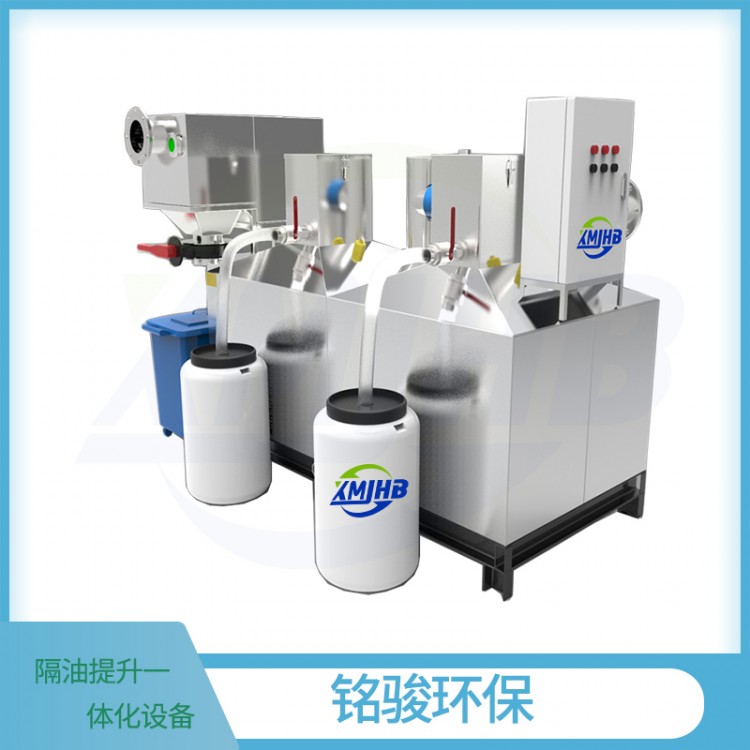
1. The liquid inlet of the separator box is equipped with a stainless steel porous structure with a liquid-dividing baffle, which combines the functions of even distribution and reduces short flow, turbulent flow, and dead zones.
2. Equipped with centralized oil storage and drainage functions, no daily discharge is required, reducing the intensity of daily operation and maintenance, and minimizing routine maintenance.
3. By controlling the change in the liquid level of the separator and increasing the utilization coefficient of the lift and lower separation area, we can fully utilize the lifting and separation space of the separator without changing its volume, which will significantly enhance the separator's decontamination and oil-removal performance.
4. Modified the internal structure and processing technology of the original oil-water separator, enhancing the oil-water separation rate and the replacement rate of fresh and used water, and improving the conditions for the generation of odors and sludge.
5. The oil-water separator is equipped with an overflow weir-type water seal between the separator and lift tank to prevent excessive drainage concentration, which could create whirlpools in the water layer, disrupting its stability. It not only facilitates drainage but also controls the oil-water interface height within the separator, meeting the requirements of the oil-water separation process.
6. On the existing control system, a newly developed and optimized配套 control system has been implemented to aid in the operation of the equipment.
7. Based on the principles of the shallow pond theory (where, under ideal conditions, the length of the sedimentation-oil separation pond and the horizontal flow velocity within remain constant, the shallower the pond, the smaller the suspended particles that can be removed.), this design breaks the traditional approach of maintaining a constant liquid level in the oil-water separation box. It enhances the utilization rate of the separation box's volume, making it particularly suitable for underground basement commercial and catering drainage requirements.
Product Working Principle
1. As wastewater enters the equipment, the格栅 automatically intercepts large solid particles (diameter over 10mm) such as large food pieces, laundry balls, sponges, and other kitchen waste, separating debris automatically. The waste is then compacted and conveyed to the sludge bucket via a spiral press-style grille.
2. Oily wastewater and solid particles less than 10mm in diameter are directed into the sedimentation and sludge removal unit, where they are then removed by the oil and sludge removal piping system, achieving primary sedimentation and sludge removal. The waste is periodically discharged into a debris bucket.
3. The sludge enters the sedimentation area through oil-absorbing and mud-discharging pipes, where it is settled in a specially designed sedimentation device and periodically discharged. At this point, the separation of sludge is achieved.
4. The oil sludge wastewater inside the oil-water separator system flows in an orderly layered manner through multiple multi-directional guide plates. By controlling the residence time and flow rate, the automatic separation of oil and water during the flow is ensured. The separated oil is then quickly gathered in the oil discharge unit via its conical top. The cleaner wastewater, after oil-water separation, automatically flows into the wastewater lifting box. At this point, the oil and water have been successfully separated, with an oil removal rate exceeding 90%.
5. Collect the oil in the oil separator and automatically discharge it into the oil collection drum on a regular basis. Maintenance operations are simple.
6. When the wastewater in the sewage lifting tank reaches the set liquid level, the pump automatically starts to lift and discharge the wastewater.
7. In the event of a failure in normal liquid level control, the pump and an audible-visual alarm are automatically activated at the over-limit water level.
8. To ensure safe and clean operation of the equipment, a special overflow pipe has been set up.
9. Set up dual-pump configuration, alternating operation with backup, ensuring safe drainage.