









1Project Analysis:
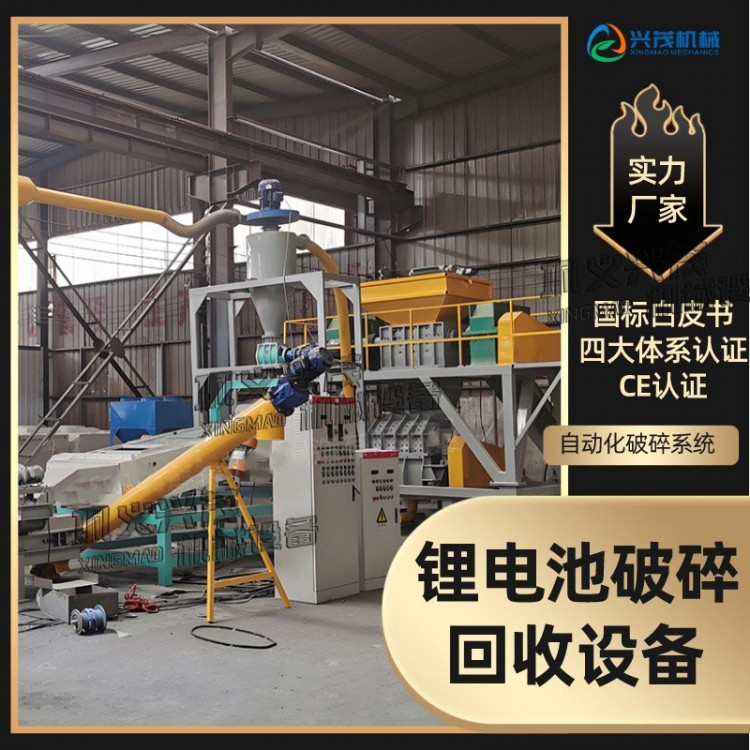
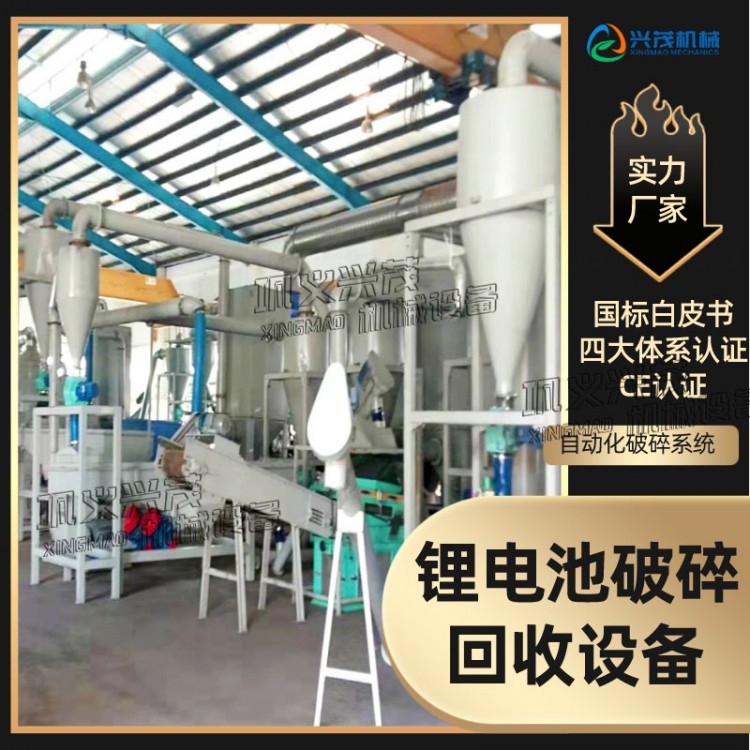
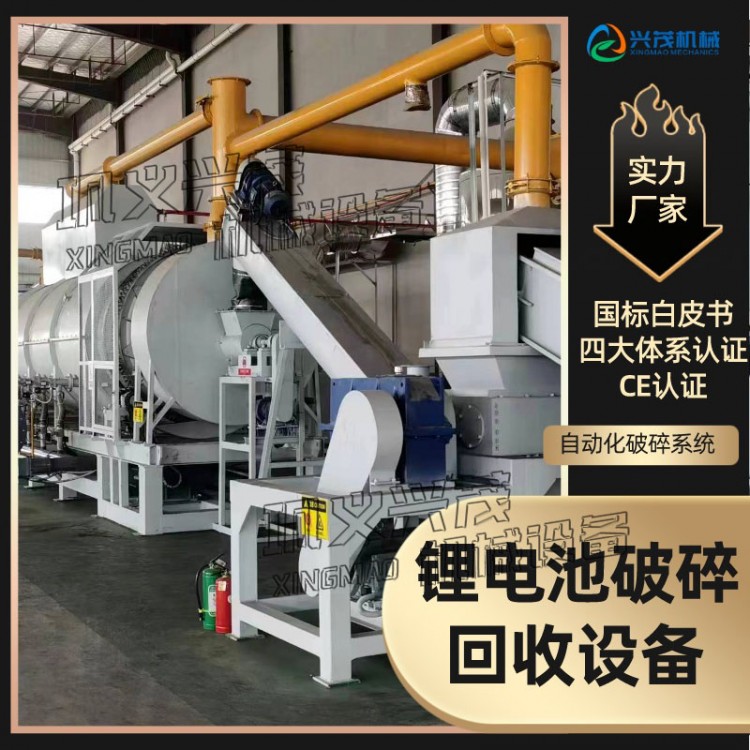
Cobalt, lithium, copper, and plastic found in spent lithium batteries are valuable resources with high recyclability. Therefore, scientifically handling and disposing of spent lithium batteries not only yields environmental benefits but also offers significant economic returns.

2. Equipment Process:
The cobalt, lithium, copper, and plastic in spent lithium-ion batteries are valuable resources with significant recyclable value. Therefore, the scientific treatment and disposal of spent lithium-ion batteries not only yields environmental benefits but also offers economic advantages. Lithium-ion batteries are primarily composed of the outer shell, positive electrode, negative electrode, electrolyte, and separator. The positive electrode is formed by applying lithium cobalt oxide powder to both sides of an aluminum foil collector using PVDF as a binder. The negative electrode structure is similar, consisting of carbon powder bonded to both sides of a copper foil collector. Currently, research on the resource recovery of spent lithium-ion batteries is mainly focused on the valuable precious metals cobalt and lithium in the positive electrode, with limited reports on the separation and recovery of negative electrode materials. The copper (containing about 35%) in the negative electrode of spent lithium-ion batteries is an important raw material for production, and the carbon powder adhered to it can be used as an additive for plastics, rubber, etc. Thus, the effective separation of the composition materials in the negative electrode of spent lithium-ion batteries plays a driving role in achieving the maximum resource recovery of spent batteries and mitigating their environmental impact. Common methods for the resource recovery of spent lithium-ion batteries include hydrometallurgy, pyrometallurgy, and mechanical physical methods. Compared to hydrometallurgy and pyrometallurgy, the mechanical physical method does not require chemical reagents, making it an environmentally friendly and effective approach.
3..Detailed Description:
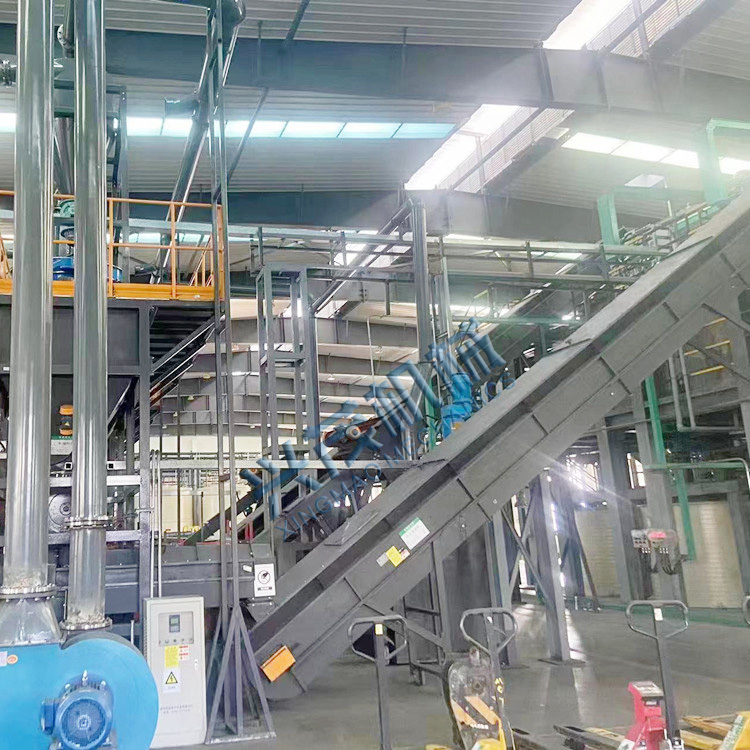
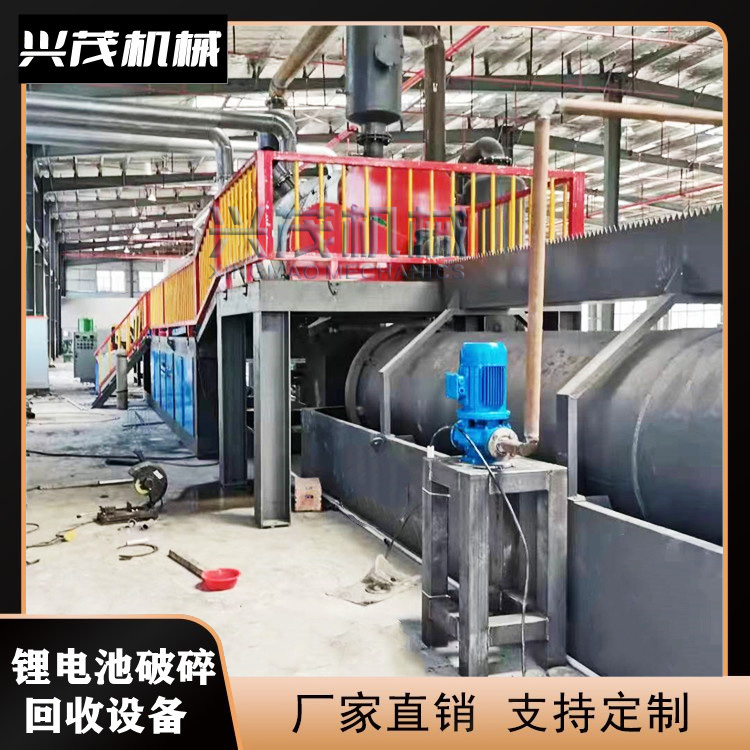
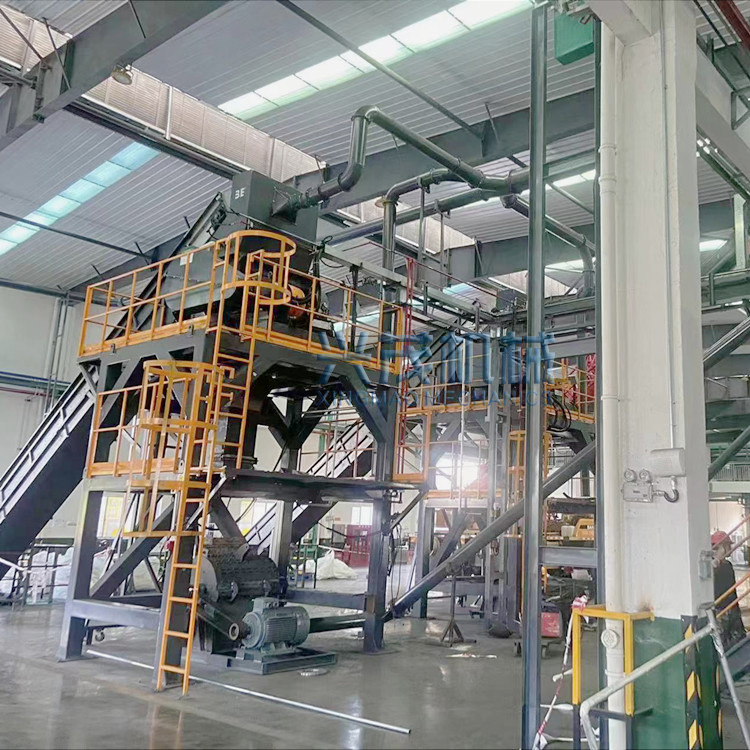
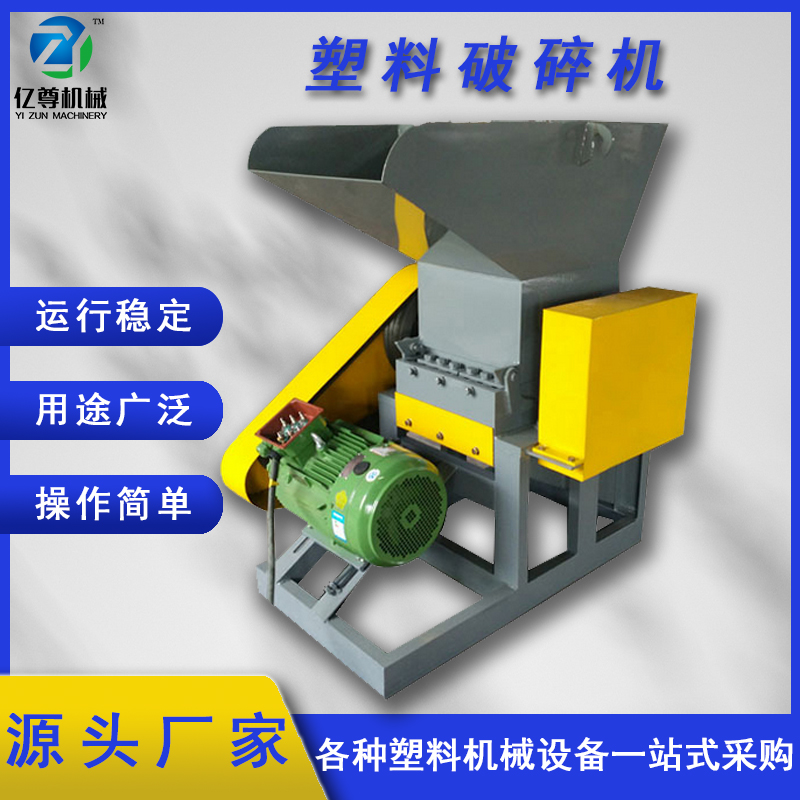
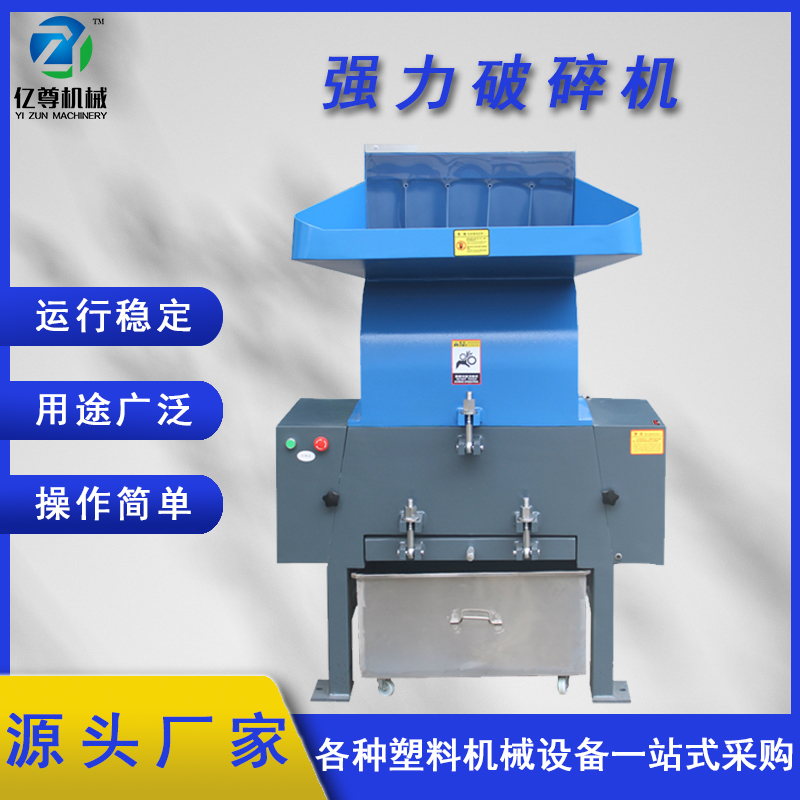
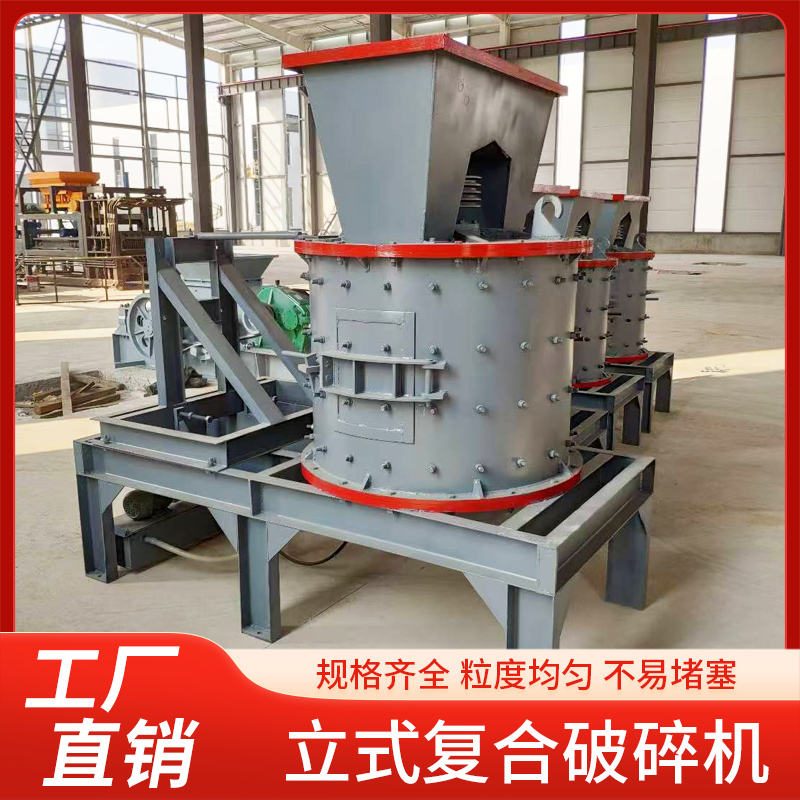
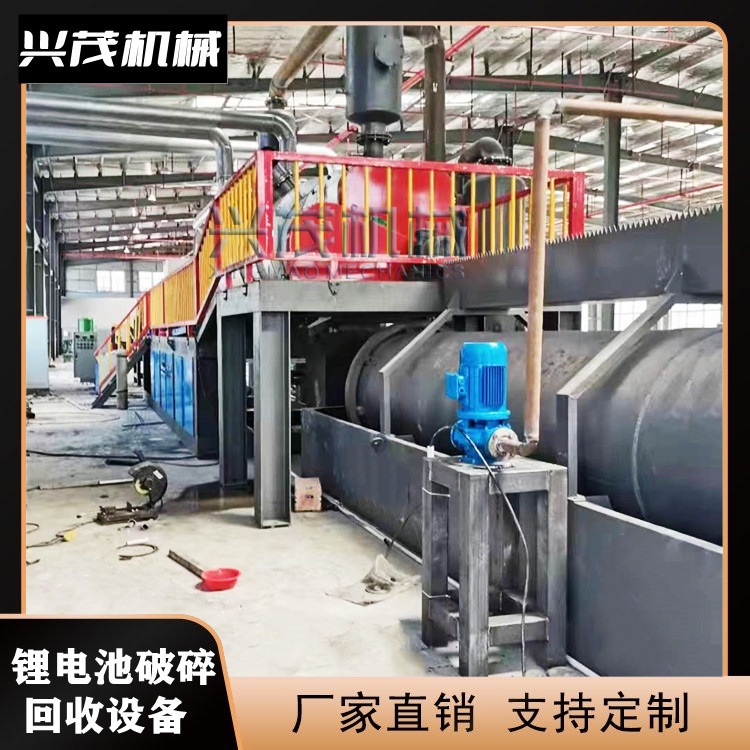
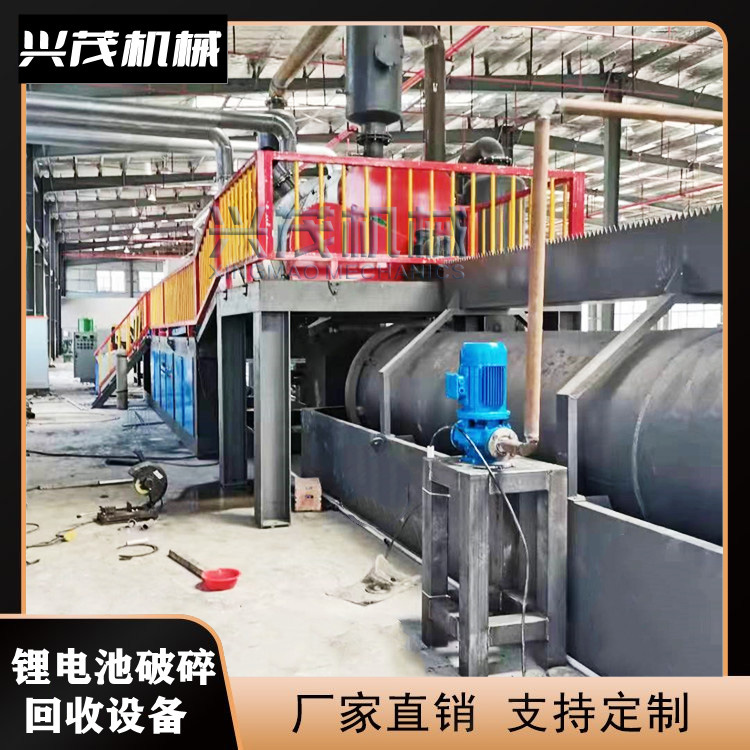
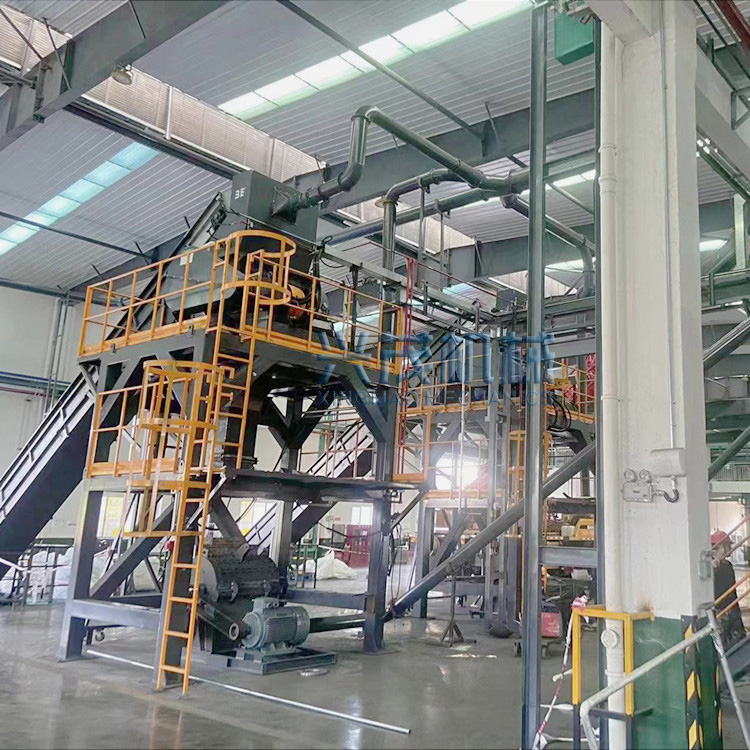
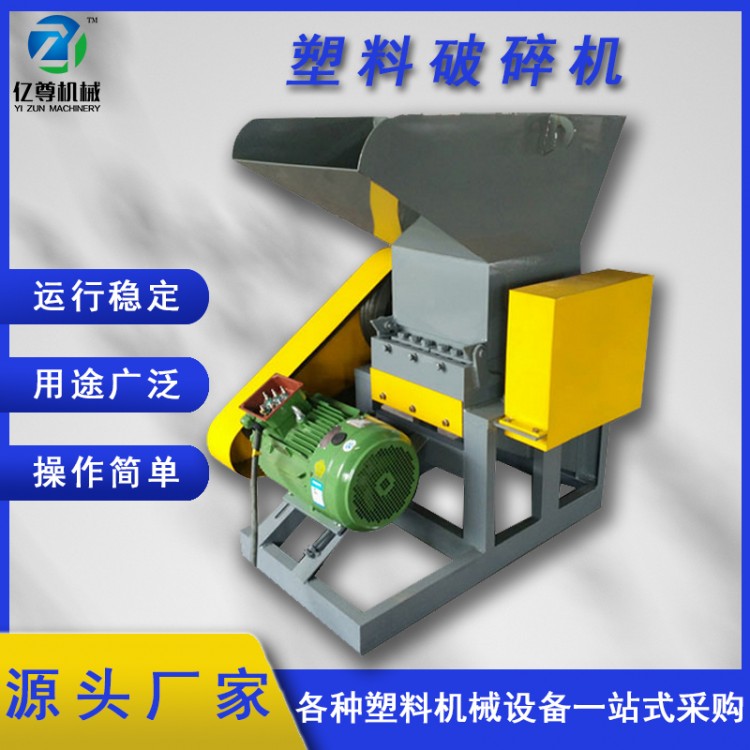
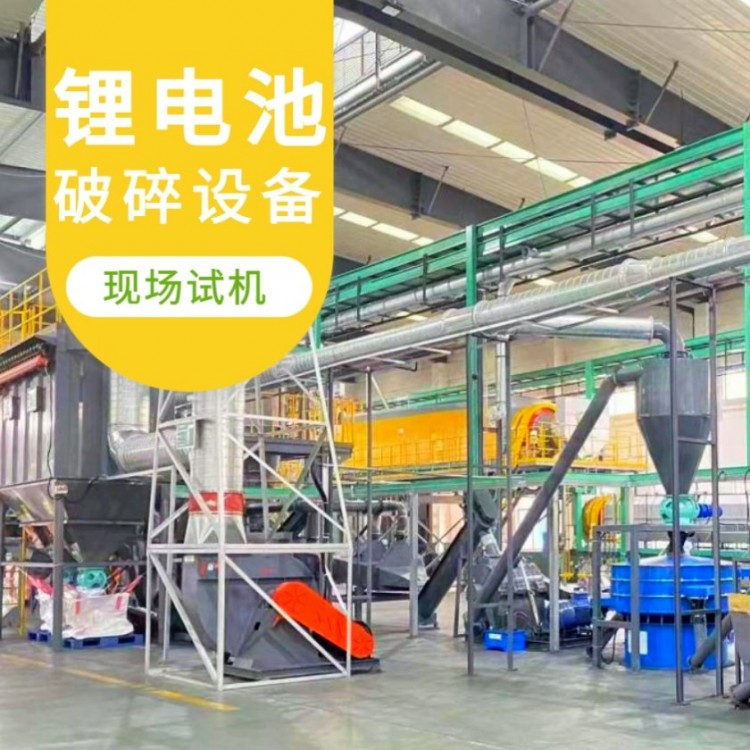
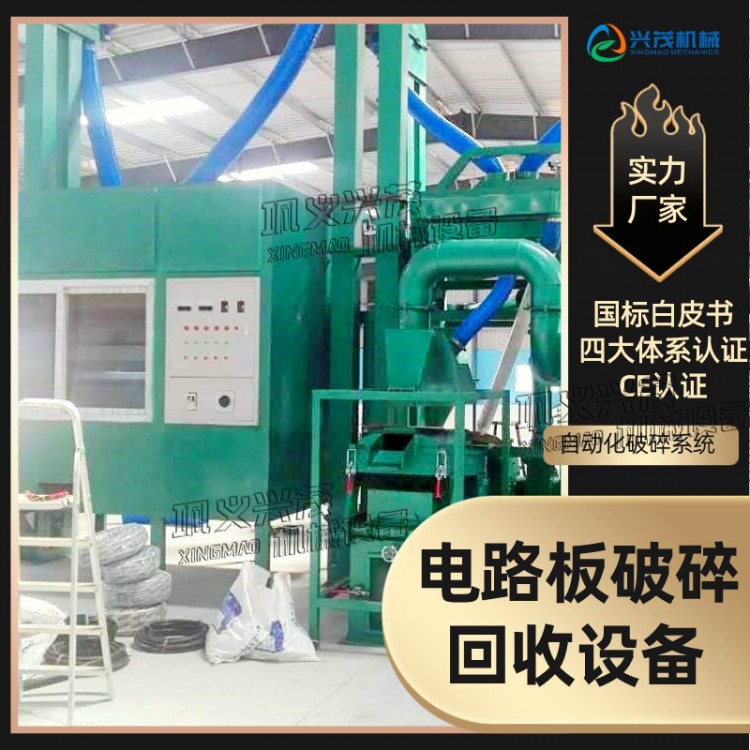
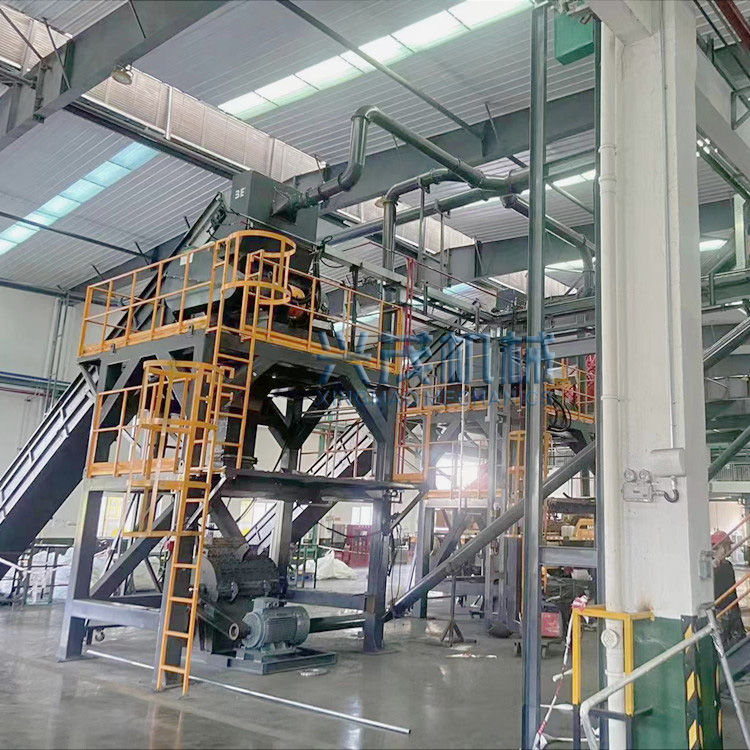
ScrapLithium batteries are fed into a primary shredder via conveyors, initiating the shredding process. After shredding, the material is transported to a secondary multi-blade crusher for further crushing. The crushed material is then conveyed to the belt, where magnetic separation equipment is set up to separate iron from the material. The sorted material is conveyed to an air classification separator, where a blower and cyclone feeder separate the separator paper from the anode and cathode sheets. The sorted anode and cathode sheets are then fed into a third-stage mill for fine crushing, reducing the material to approximately 20 mesh. The crushed material is drawn into a cyclone separator by a vacuum system for dust filtration, followed by two stages of air classification to separate materials of different densities. This results in the separation of anode and cathode materials from copper, aluminum, nickel, and other materials. All ultra-fine dust is collected in a pulse jet dust collector via the vacuum system. The filtered exhaust gas is then sent to the exhaust gas treatment equipment by the vacuum system for air purification, ensuring compliance with national emission standards before being released into the atmosphere.