






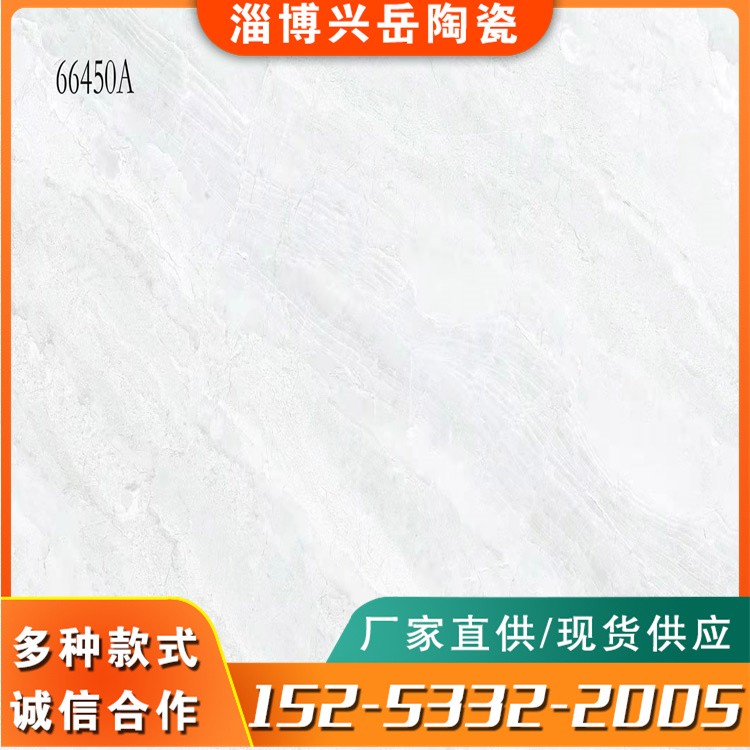


Interior wall tiles are a type of ceramic tiles, primarily used for indoor wall decoration. They consist of three parts: the body, the bottom glaze layer, and the top glaze layer. The water absorption rate of the body is generally around 10-18%. The weight of the bottom glaze applied is 40-60 grams, while the top glaze is 90-160 grams. In general, the higher the firing temperature, the greater the top glaze weight, resulting in better brightness and a smoother surface for the tile. Of course, the quality of the glaze also has a significant impact.
Inspection Standards: 1. For wall tiles, there should be no hollow spots on the surface. Hollow spots are permissible at the edges of tiles, but no more than three such spots are allowed in a single room. You can use this standard to inspect the wall tiles in our indoor kitchen and bathroom.
2. The standard for perpendicularity is that the tiles' facade perpendicularity must be controlled within 3mm. Otherwise, it is不合格.
3. The standard requirement for flatness is that the tiles must not exceed a flatness error of 2mm. Additionally, the height difference between adjacent tiles is not allowed to exceed 0.5mm. Tiles with excessive errors are considered不合格, and we can request them to be removed and re-laid.
4. The level or verticality error of tile gaps must not exceed 0.5mm. In fact, it's visible to the naked eye if it does. Additionally, measure the vertical and horizontal gaps of the tiles before applying the grout, as the grout can cover them up, making it difficult for us to measure later.