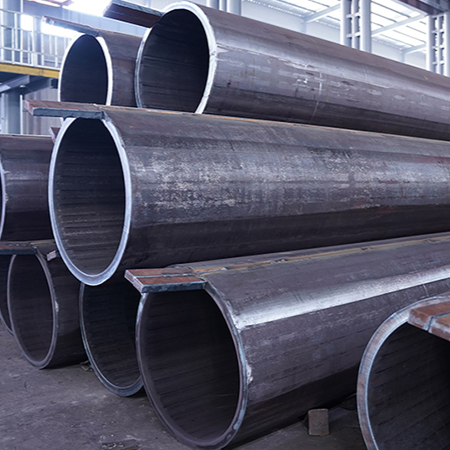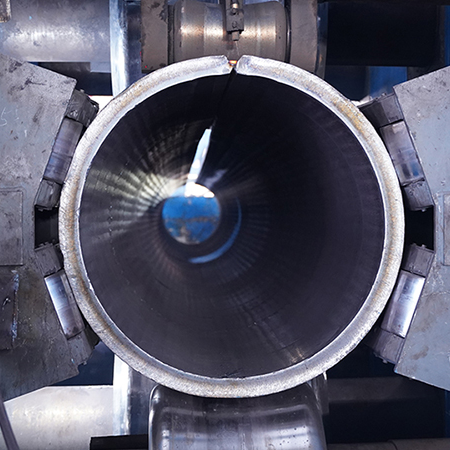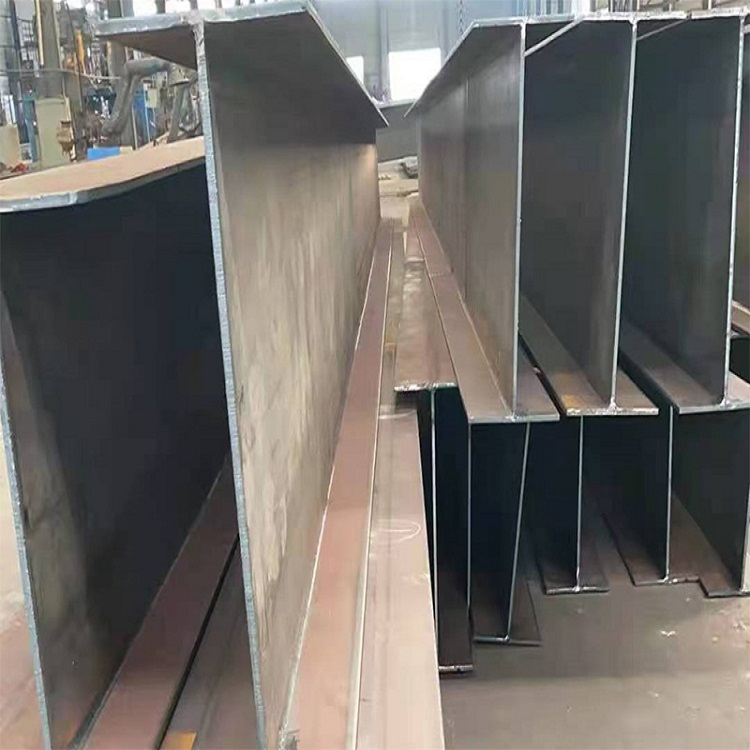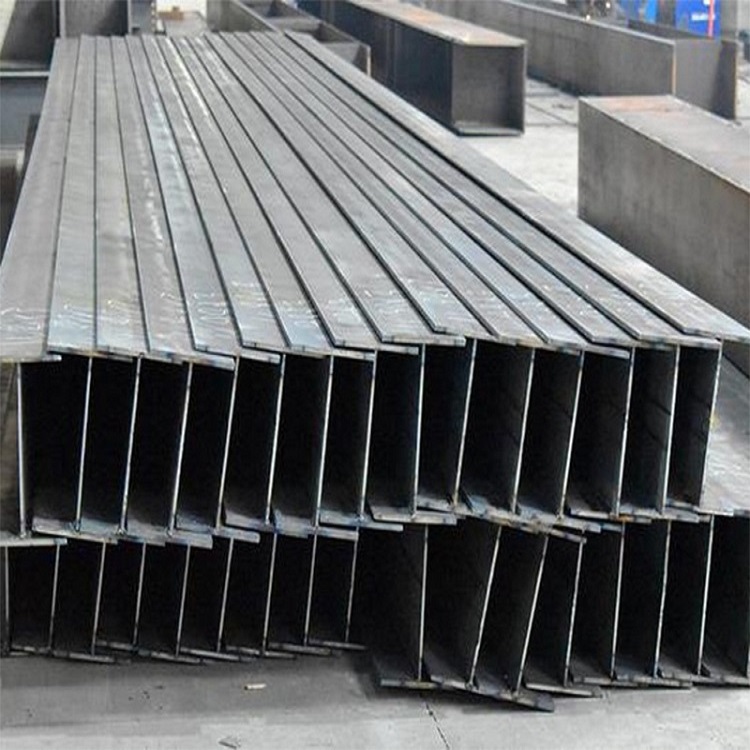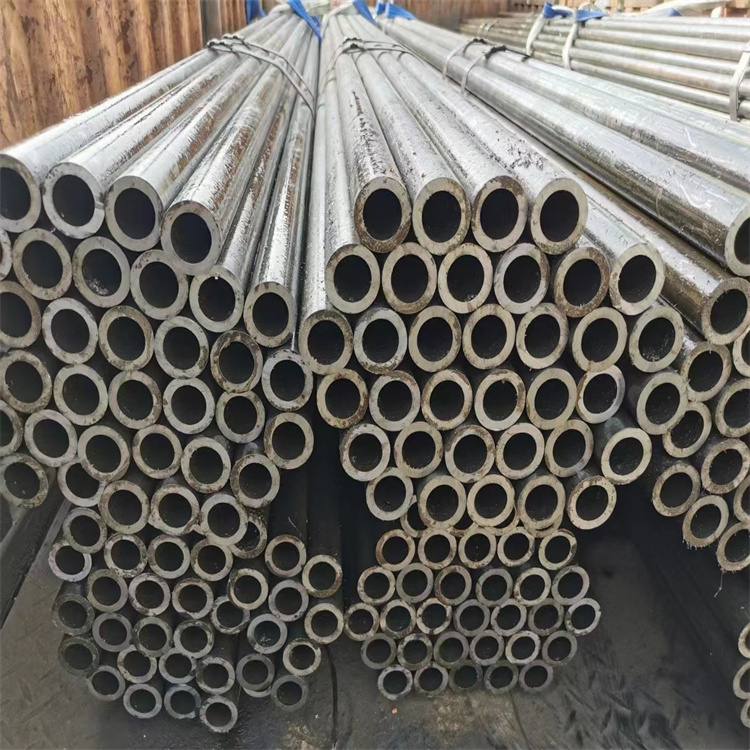

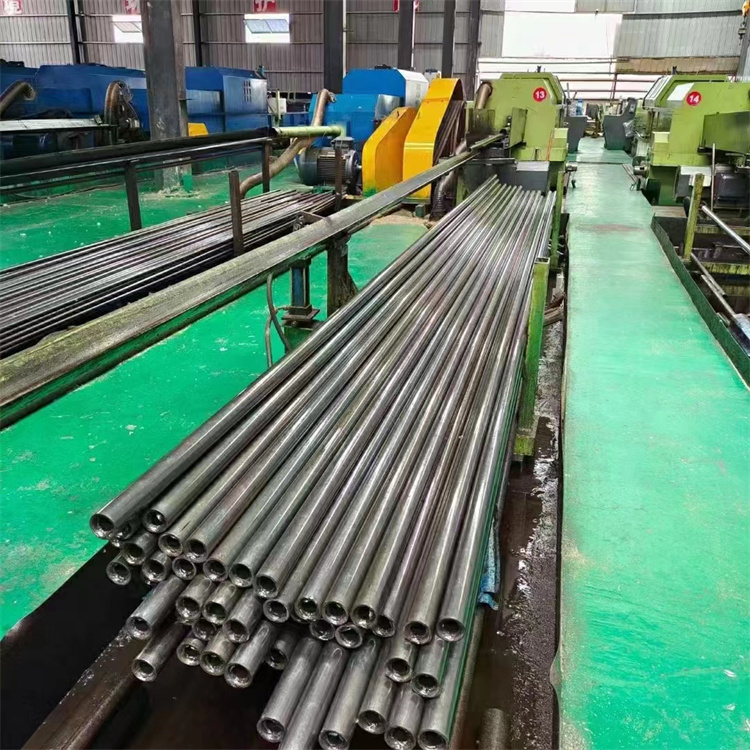
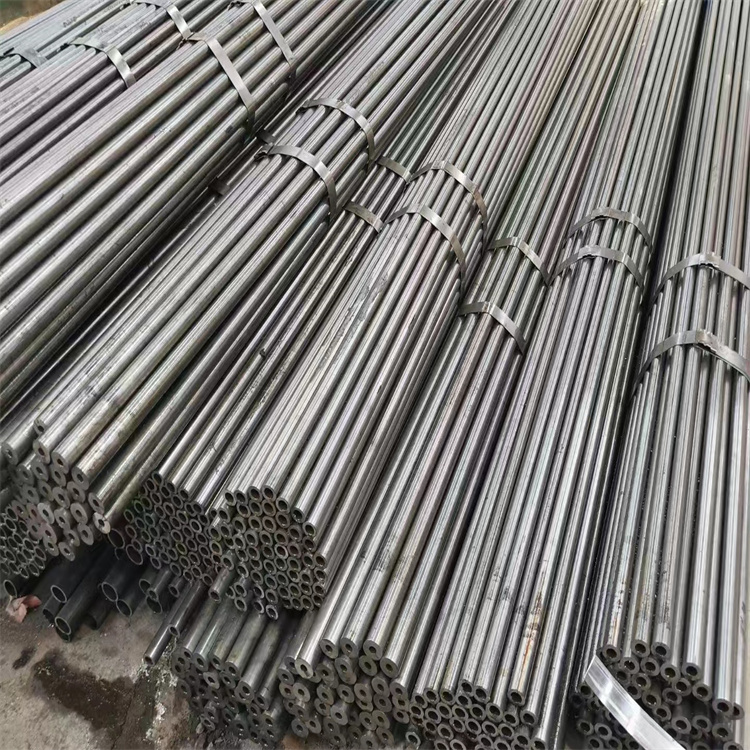


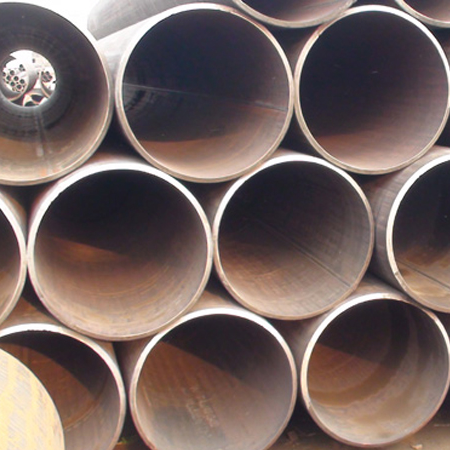





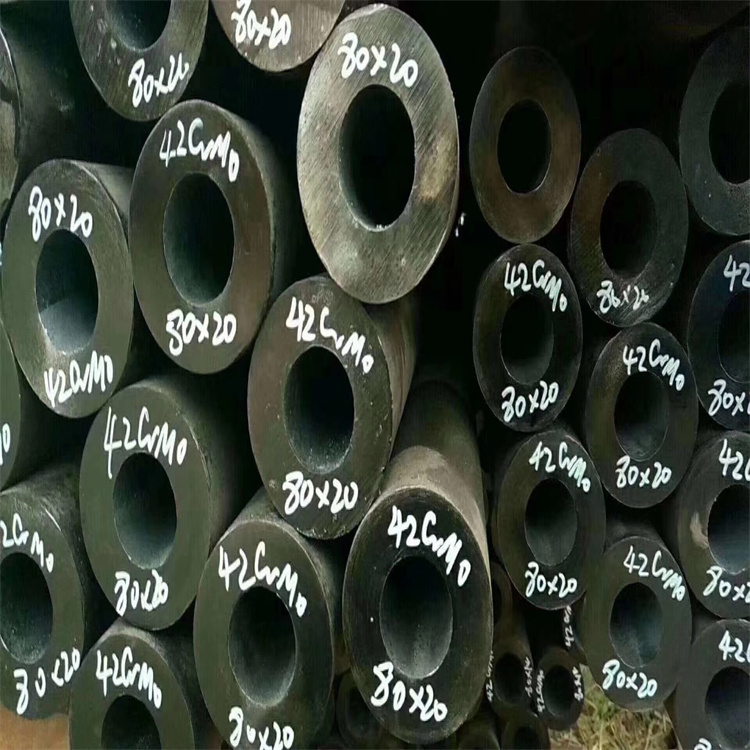
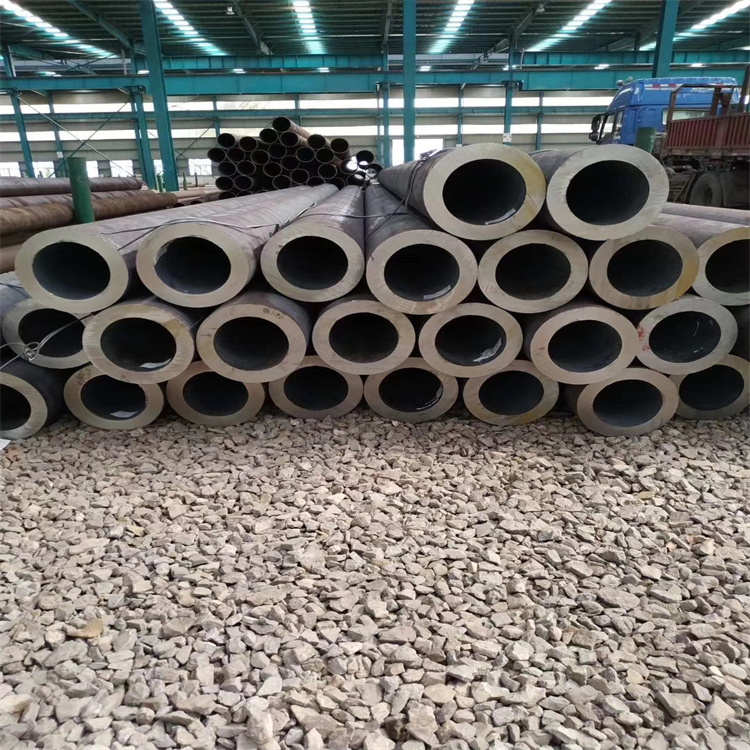
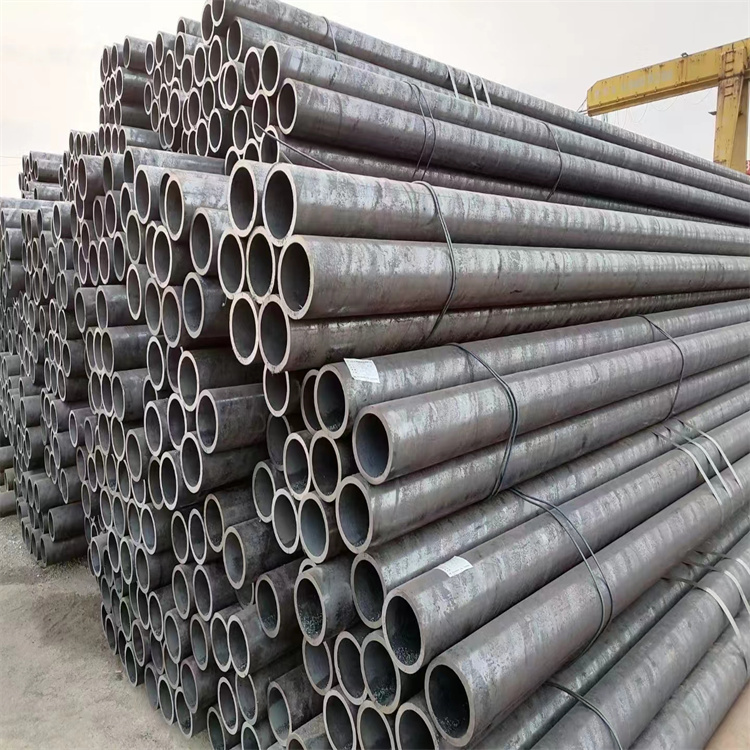
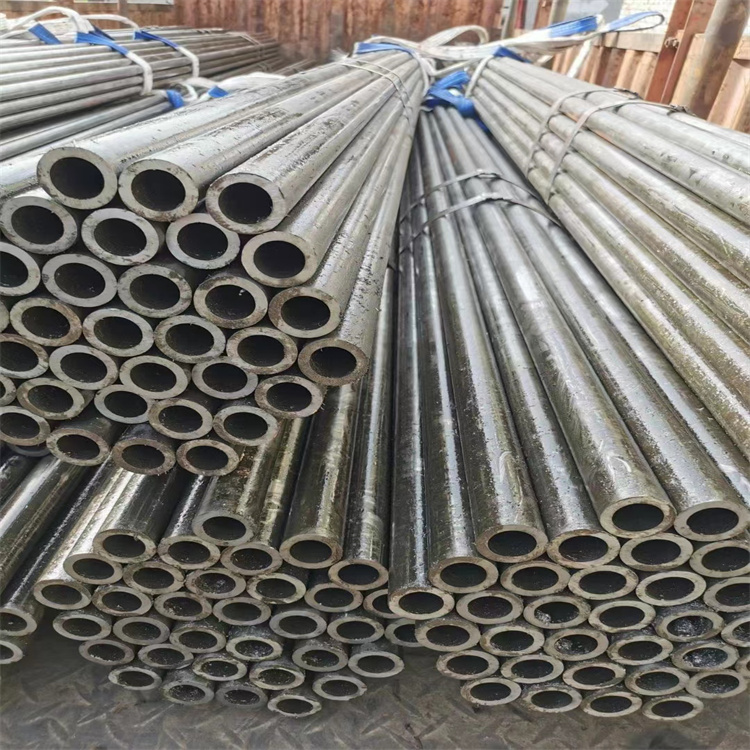
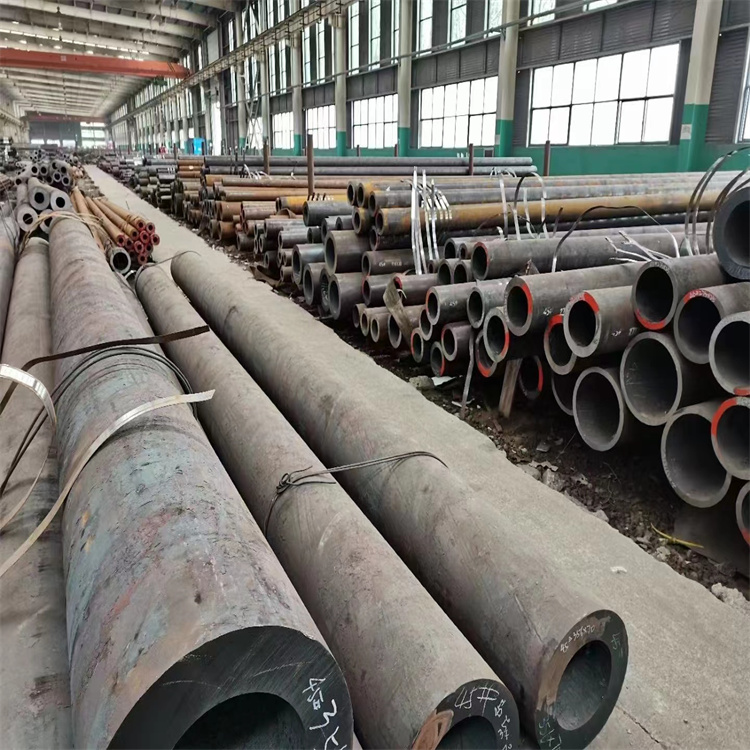
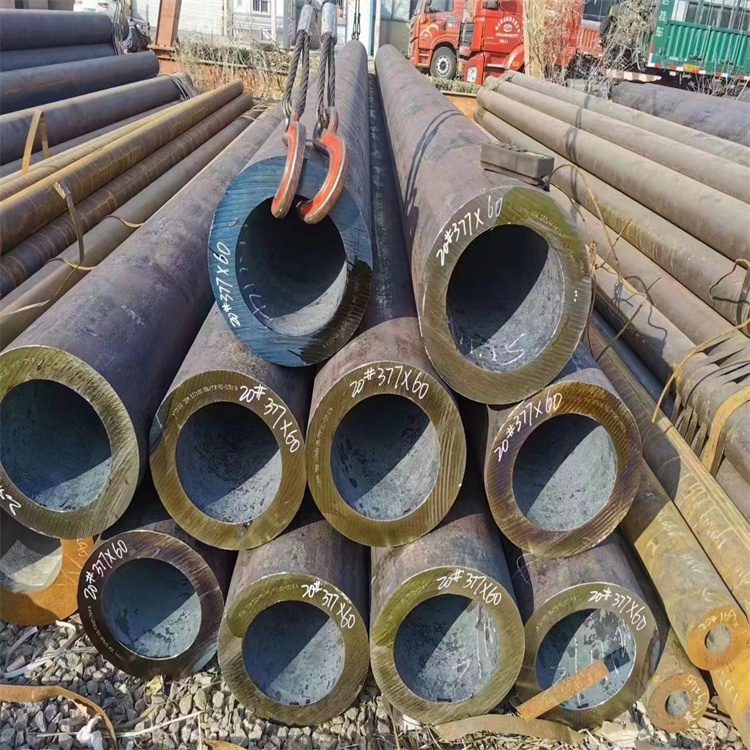
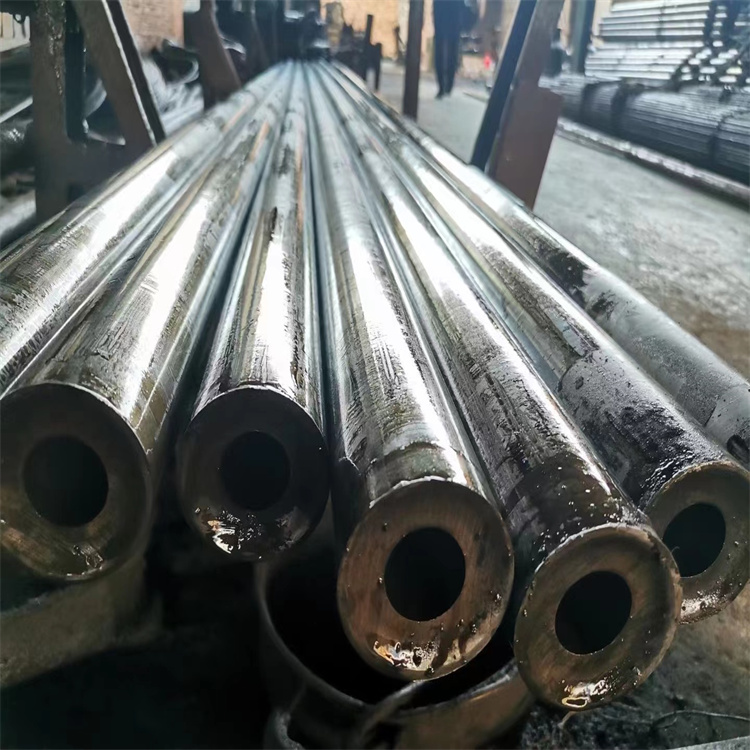
 Seamless square tubes often experience air bubbles during the manufacturing process. What's the reason behind this? Today, let's delve into the actual causes: first, the dissolved gas is in a supersaturated state; second, the sum of partial pressures of various gases inside the bubble exceeds the external pressure acting on the bubble; third, there are bubbles with a size exceeding the critical value. Under specific forging standards, due to the presence of numerous non-metallic impurities, agglomerates, and un-evaporated bubbles during refining, non-spontaneous bubble nuclei are easily formed in the melt. Moreover, after refining, although the amount of peroxide is less than the equilibrium concentration, its concentration in the vapor phase during solidification initially results in partial hydrogen saturation in the liquid at the crystal front, thus creating a resource advantage for the formation of air bubbles in seamless square tubes. When the hydrogen partial pressure in the liquid at the crystal front expands to exceed the external pressure, bubbles may form. However, if the upward buoyancy of the bubbles is less than the adhesive force of the solid phase surface on the bubble, or if the upward rate of the bubble is less than the crystallization rate of the ingot, the bubbles will remain in the casting and become gas holes.
WeChat Official Account

Scan to follow Official Account