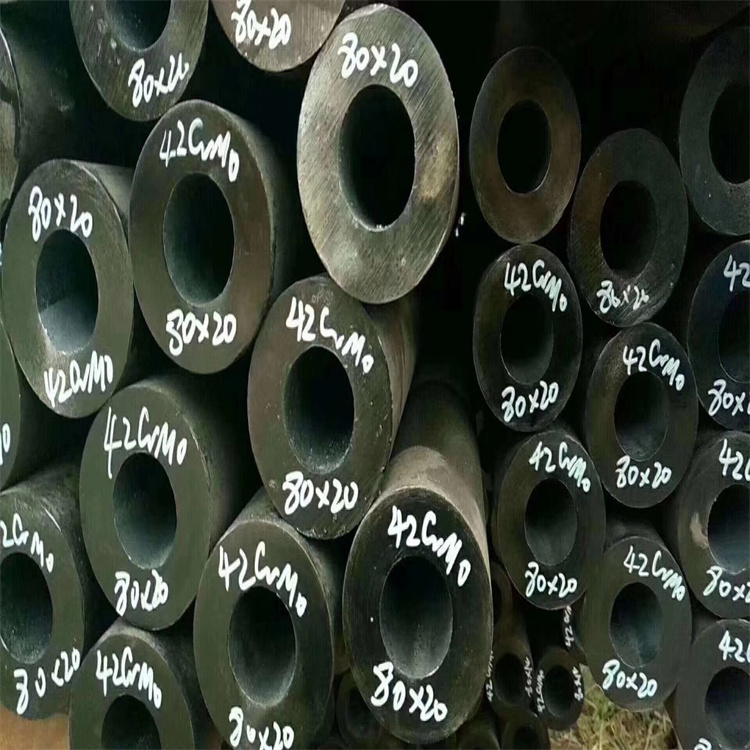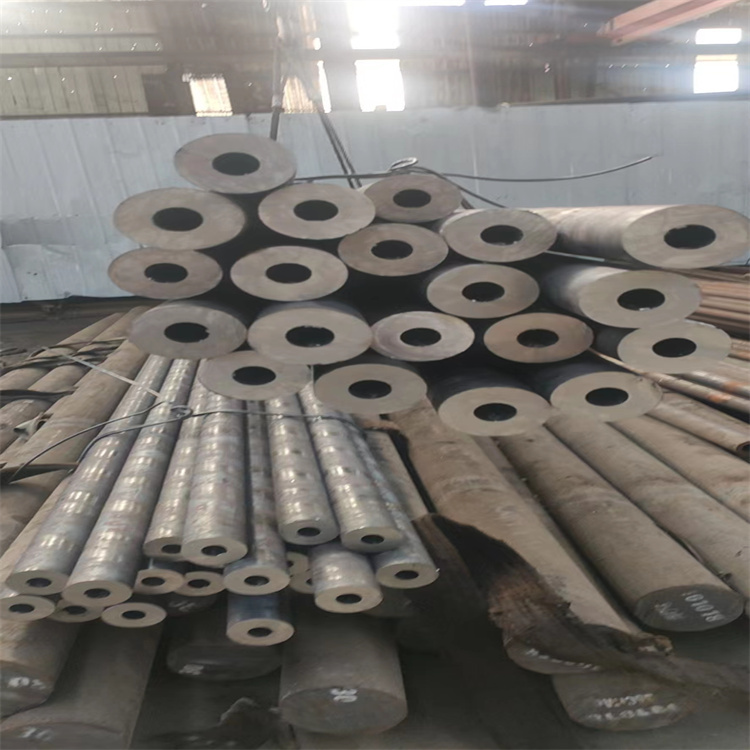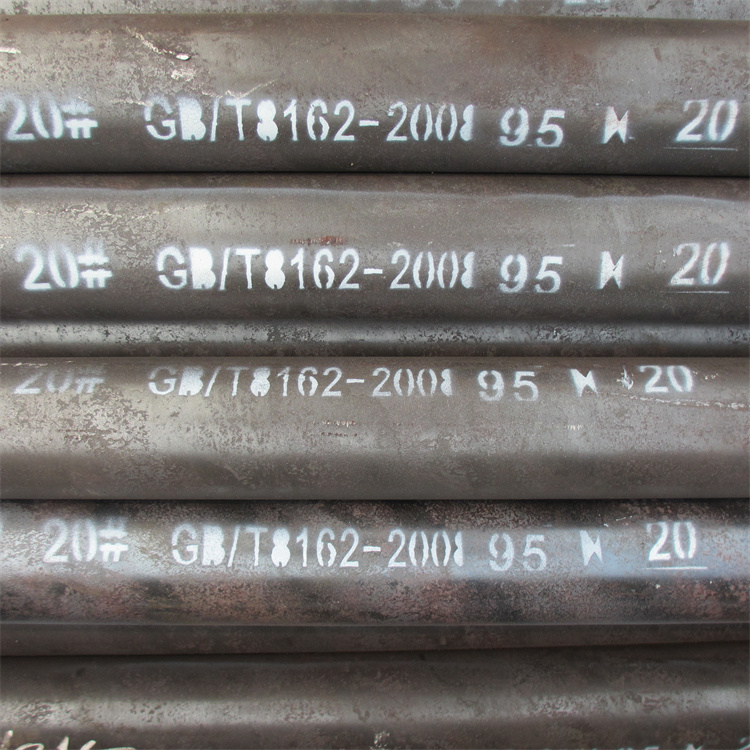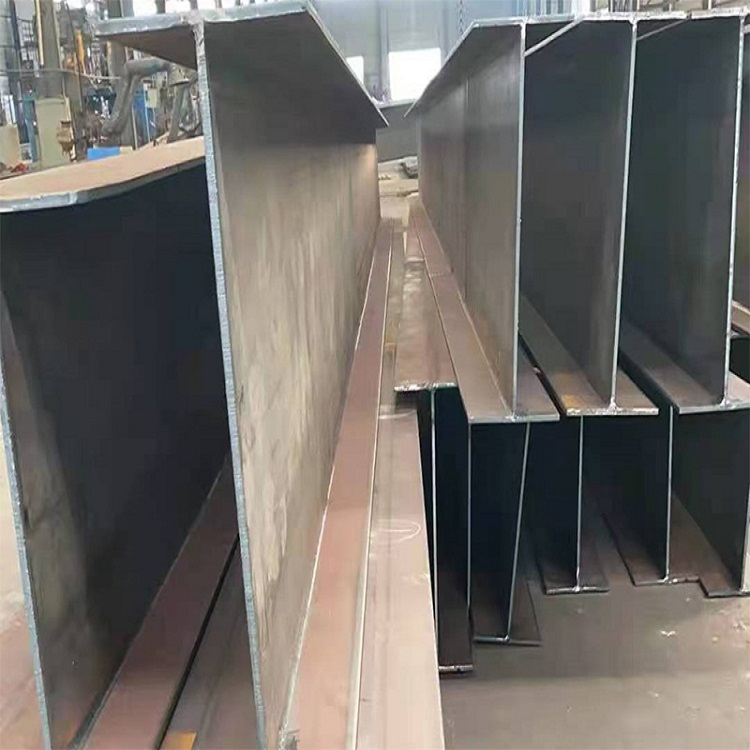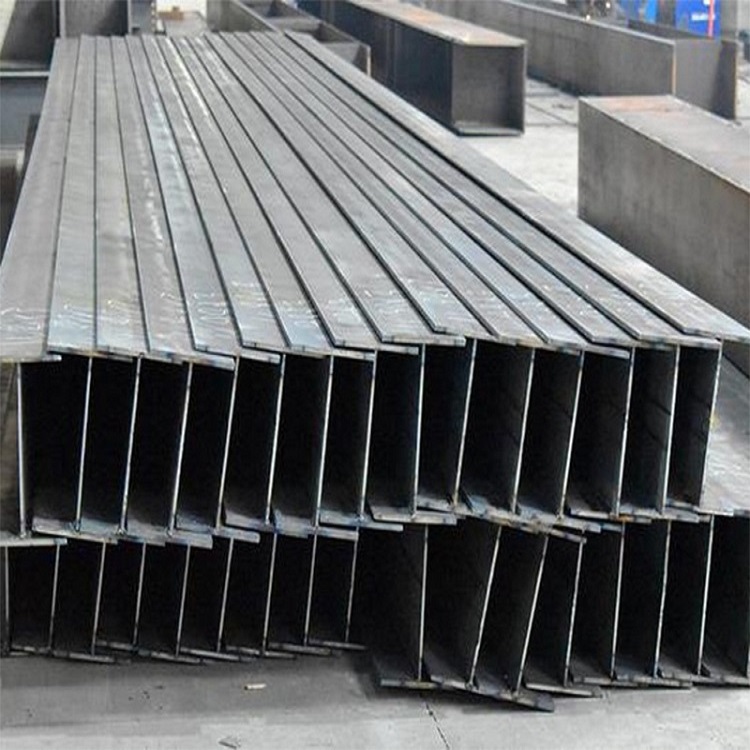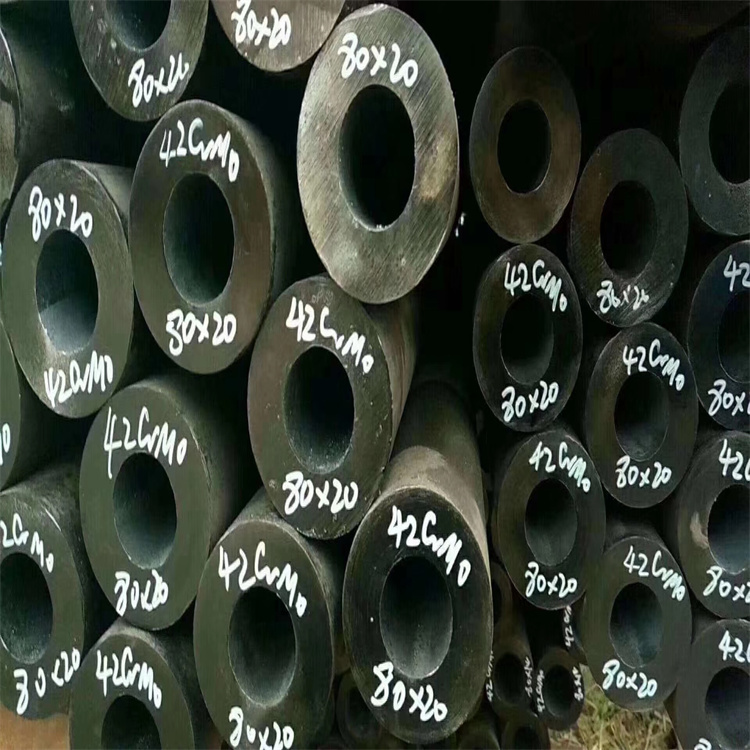


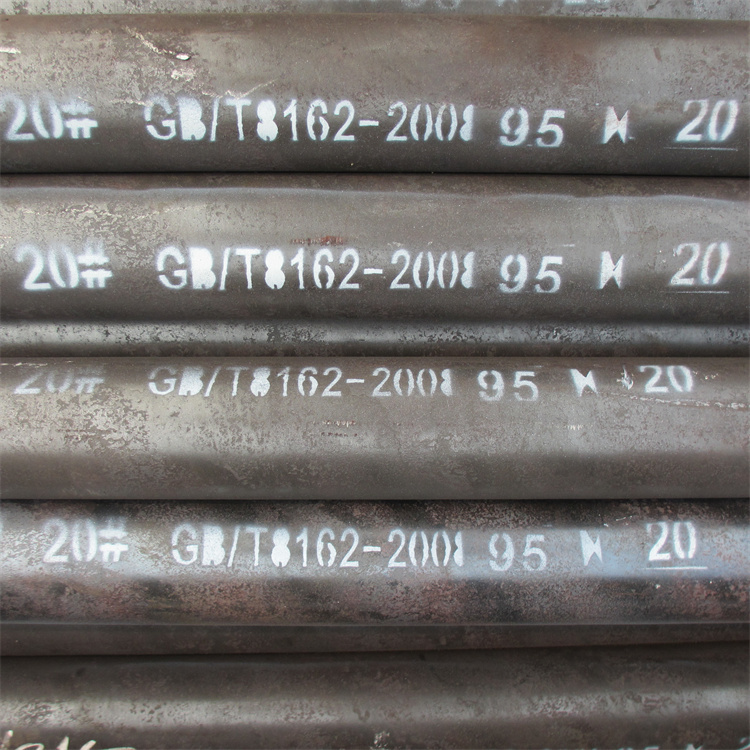












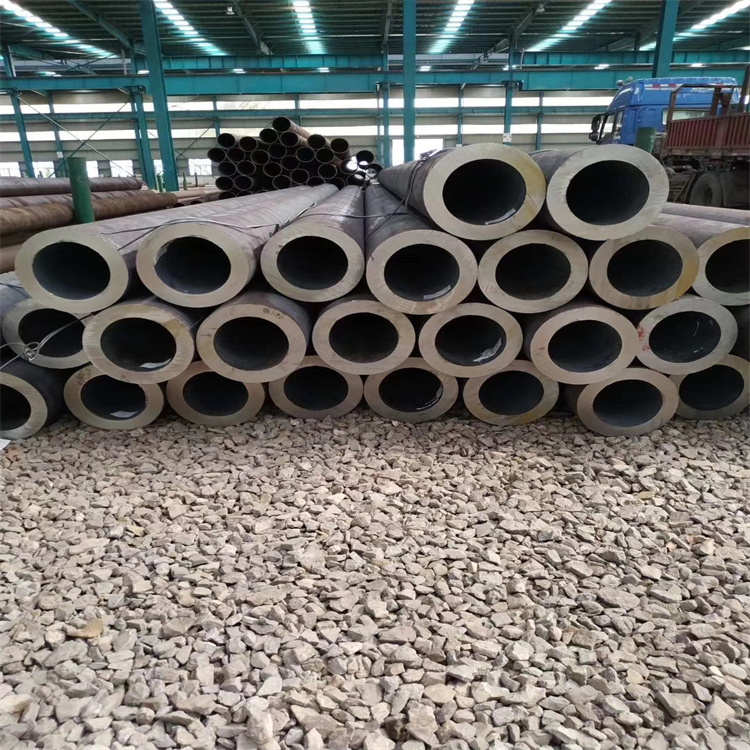
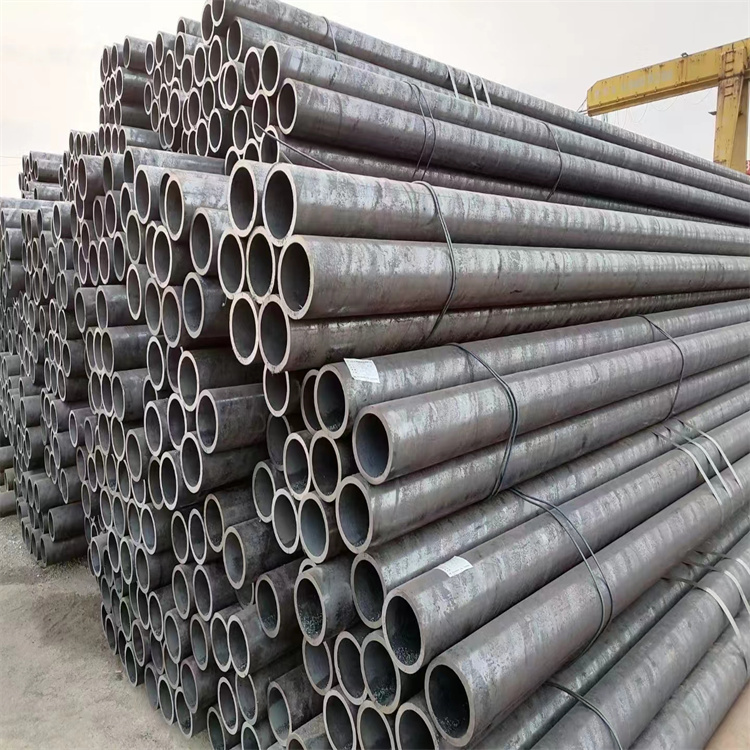
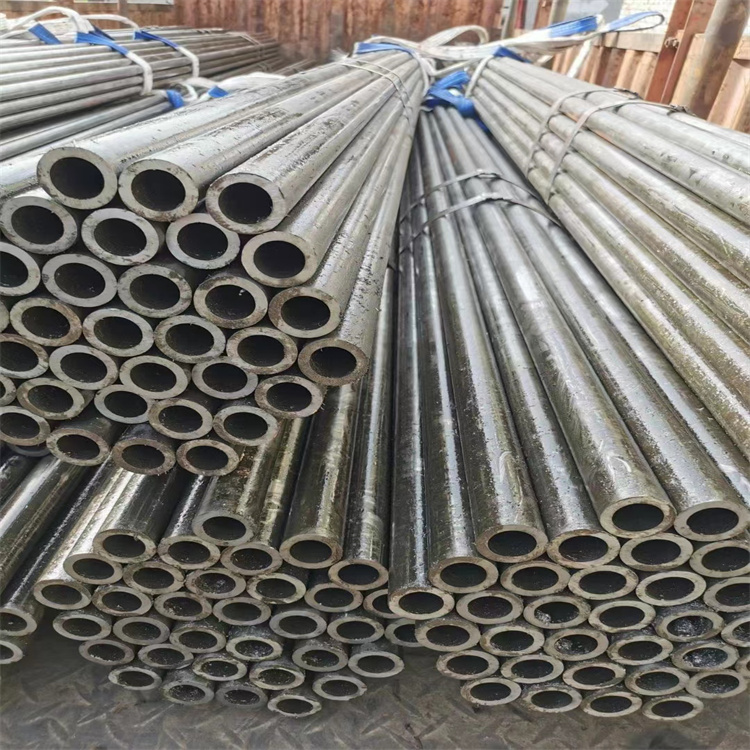
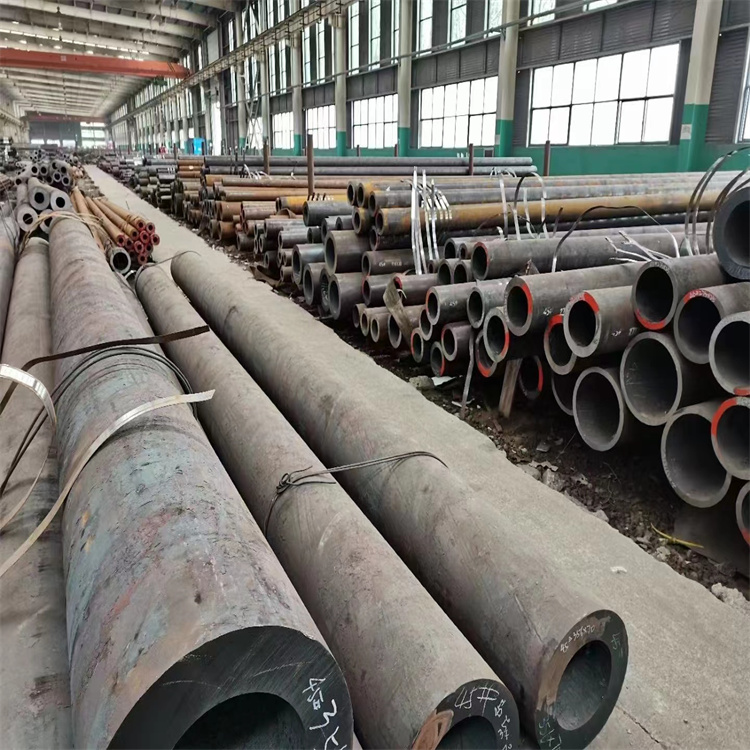
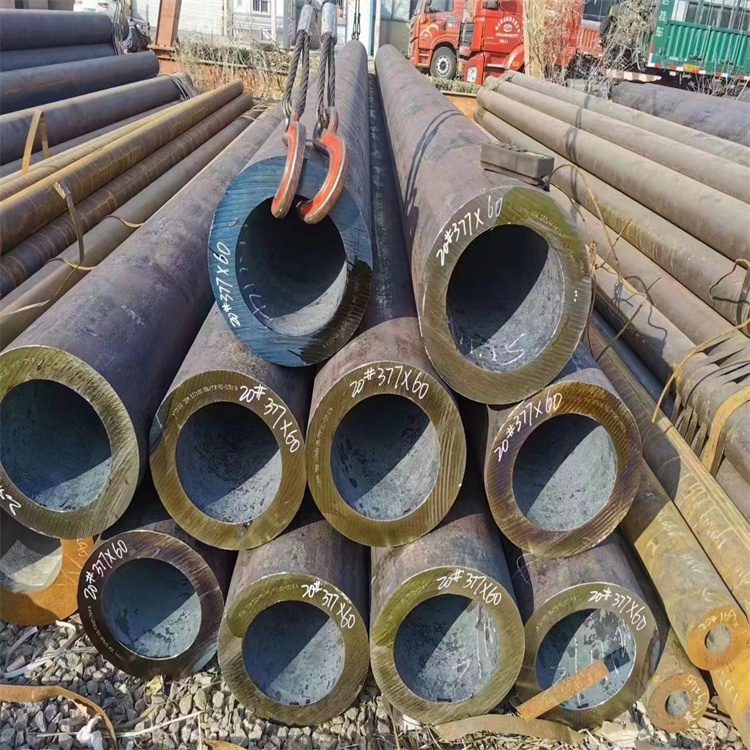
 The primary driver of steel price trends has always been demand. This year, with the increased pressure of slowing domestic economic growth, the government has intensified countercyclical policy adjustments, accelerating the implementation and start of infrastructure projects, and the real estate investment situation remains relatively stable. Additionally, the recent surge in construction site rush work has also played a role.Precision Bright TubeSteel demand is showing a strong off-season trend. Although the weather is cooling down and there is a decrease in demand for steel in the north, the demand in the south remains high, with higher prices, and there is an increasing flow of northern steel heading south. Additionally, the Xiong'an New Area has entered a phase of large-scale construction this year, leading to a continuous increase in steel demand; and currently, the underground pipeline construction in the Xiong'an region is underway, which is not affected by weather factors as it is underground work. With the growing demand, it has provided strong support for steel prices.
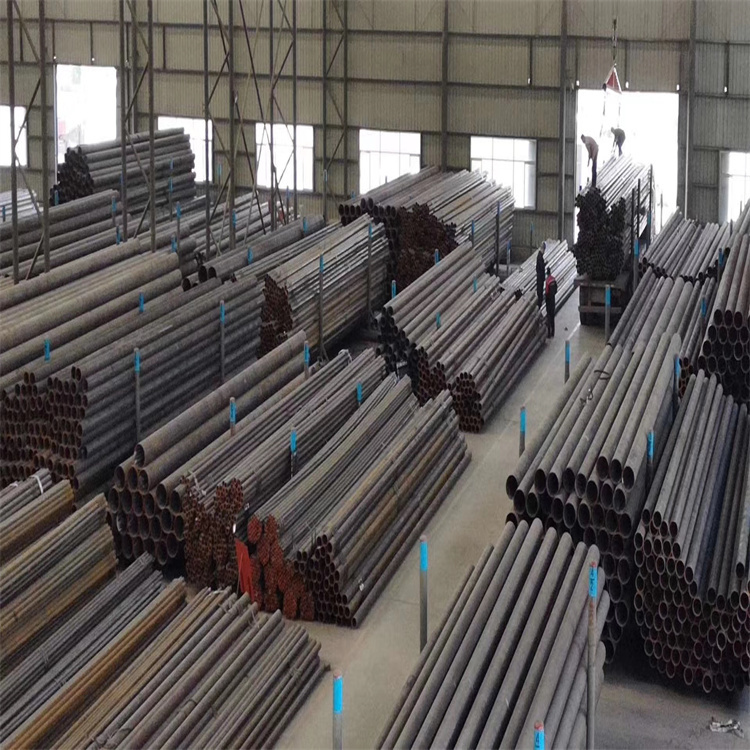
Amidst the surge in demand, the social inventory of steel has continued to decline, although there has been a slight rebound in the increase. However, the inventory levels are still lower than last year. According to the monitoring data from the Lang Steel Cloud Platform, as of December 6th, the social inventory of steel in 29 key cities across the country reached 6.721 million tons, a decrease of 146,000 tons compared to the same period last year, representing a drop of 2.1%. Despite the continuous increase in crude steel production this year, the social inventory remains at a relatively low level, which will provide some support for steel prices.
With these favorable factors in place, does that mean there's no risk of steel prices falling in December?
Lange Steel Network analyst Ma Guanghui stated, "The situation where futures rise and spot prices fall is mainly due to the futures trading based on the basis spread correction logic, which has now been significantly corrected. Currently, it's possible that spot prices may continue to decline; the key factors to watch are inventory and production. If supply and demand are highly strained, the price adjustment may be more substantial; otherwise, the room for adjustment may not be very large. Later on, attention should be given to the trends in Sino-US trade policies, as well as their impact on market sentiment and countercyclical regulatory policies."
Liangge Steel Information Network Chief Analyst Ma Li stated that as the weather turns colder later on, the demand for steel across the nation will see a decline, while production remains high. With steel prices currently at a high level, steel trading companies have a low willingness to stock up for winter. Under the influence of two major negative factors—high prices and passive inventory growth—the likelihood of domestic steel prices, particularly construction steel prices, gradually decreasing in the later period is significant.
WeChat Official Account

Scan to follow Official Account