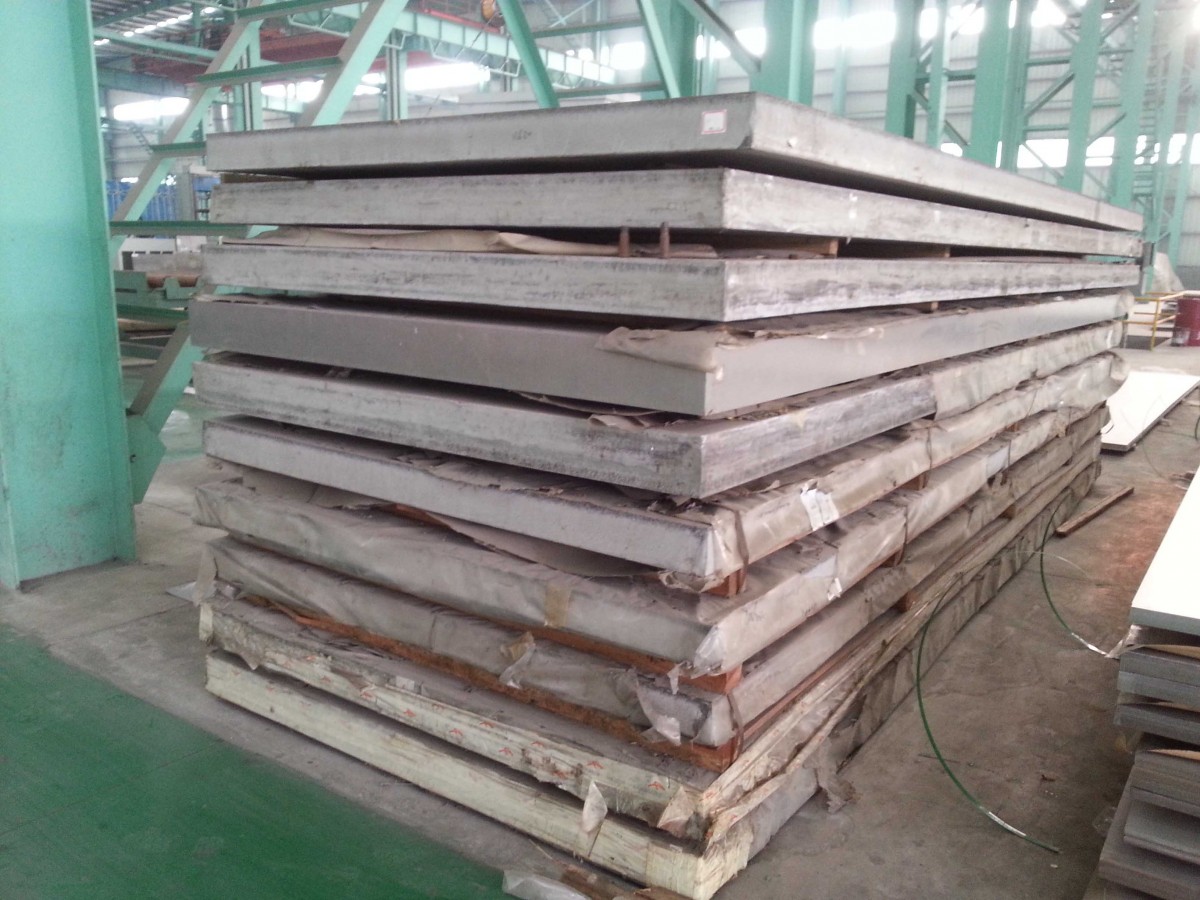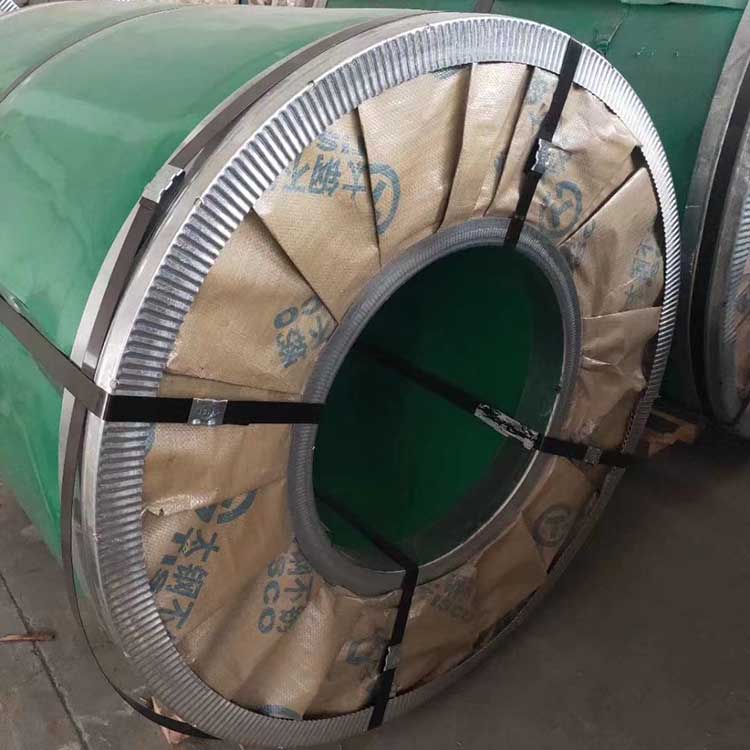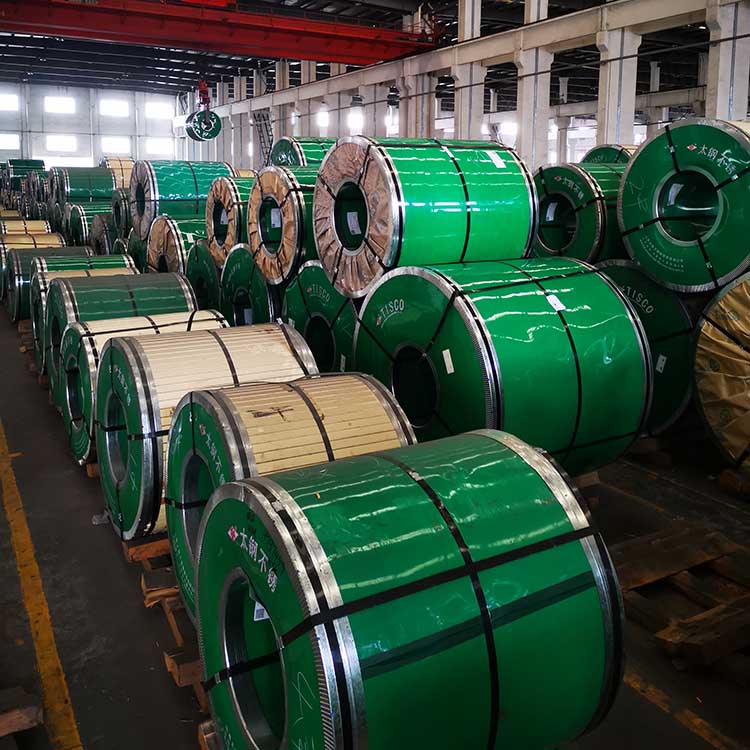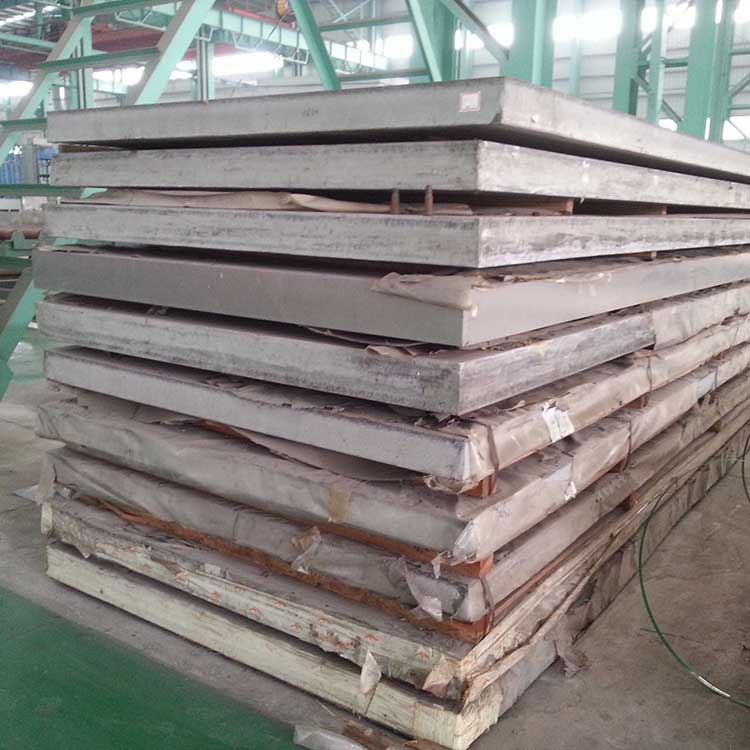

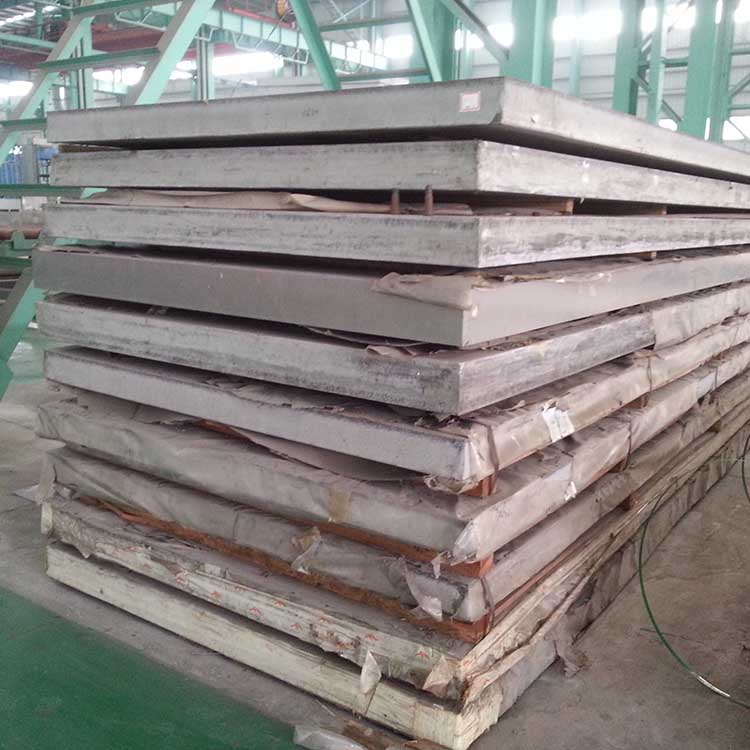
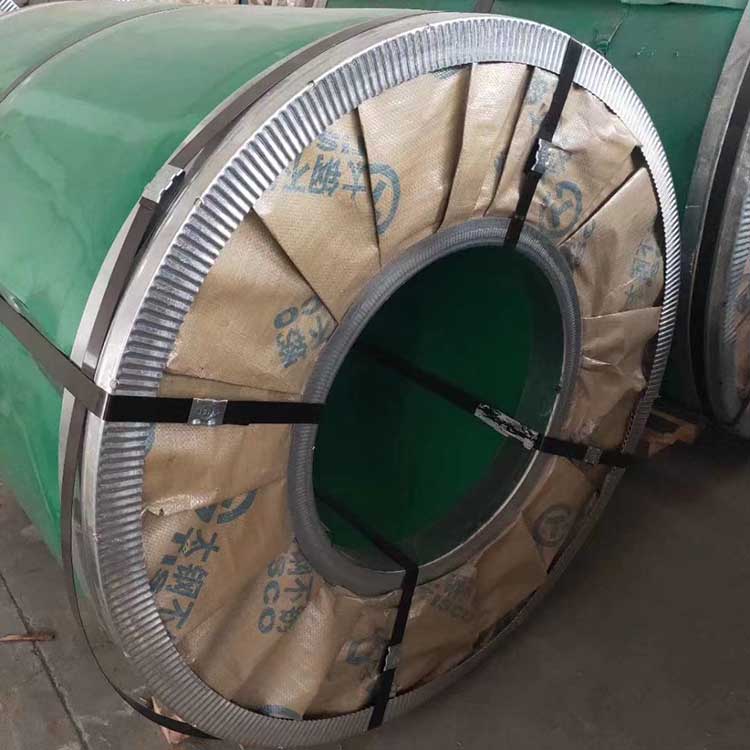












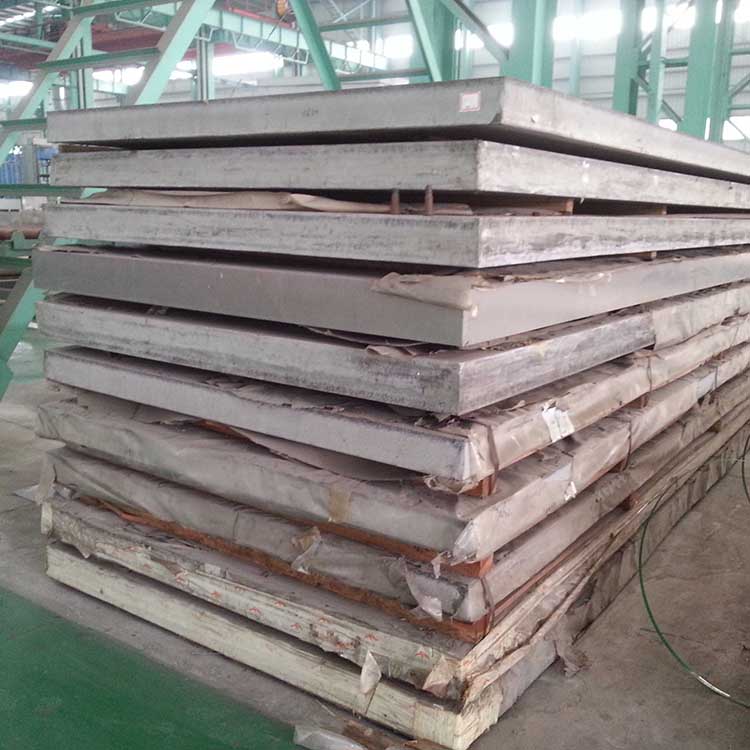


Stainless Steel 2507
2507 is a ferritic-austenitic (duplex) stainless steel that combines many beneficial properties of ferritic and austenitic stainless steels. Due to its high chromium and molybdenum content, it boasts excellent resistance to pitting, crevice, and general corrosion. The duplex microstructure ensures high resistance to stress corrosion cracking and also offers high mechanical strength.
2507 stainless steel is used in the oil and gas industry; offshore oil and gas platforms (heat exchanger tubes, water treatment and supply systems, fire protection systems, sprinkler systems, water level control systems; petrochemical equipment; desalination (demineralization) equipment (including high-pressure pipes and seawater pipes within the equipment); mechanical and structural components that require both high strength and high corrosion resistance; flue (waste) gas purification equipment. Main components: 25Cr-7Ni-4Mo-0.27N
International Standards:
ASTM/ASME:A240 - UNS S32750
EURONORM:1.4410 - X2 Cr Ni MoN 25.7.4
AFNOR:Z3 CN 25.06 Az
DIN/EN 1.4410、ASME SA-240
Chemical composition of 2507 stainless steel:
C≤0.03 、Si≤0.80 、Mn≤1.2 、Cr:24-26 、Ni:6-8 、S≤0.02 、P≤0.035 、Mo:3-5 、N:0.24-0.32
Corrosion resistance
Corrosion-resistant
SAF 2507's higher chromium and molybdenum content provides excellent resistance to general corrosion from organic acids such as formic acid and acetic acid. The alloy also exhibits strong resistance to corrosion from inorganic acids, particularly those containing chlorides.
Compared to 904L, SAF2507 exhibits superior corrosion resistance against diluted sulfuric acid containing chlorides. 904L is an austenitic alloy used for resistance to pure sulfuric acid corrosion.
316L grade is not suitable for use in hydrochloric acid environments; it may suffer from localized or general corrosion. SAF2507 can be used in diluted hydrochloric acid environments and possesses strong resistance to pitting and crack corrosion.
2. Intergranular Corrosion
SAF 2507's lower carbon content significantly reduces the risk of carbide precipitation during heat treatment, thereby providing excellent resistance to intergranular corrosion associated with carbides.
3. Stress Corrosion Cracking
The duplex structure of SAF 2507 endows it with excellent resistance to stress corrosion cracking. Due to its higher alloy content, SAF 2507 boasts superior corrosion resistance and strength compared to 2205.
Cracks are almost inevitable in construction and other aspects, making stainless steel more susceptible to corrosion in chloride environments. SAF 2507 boasts excellent resistance to cracking corrosion. Its equivalent corrosion rate in sulfuric acid containing 2000 ppm chloride ions is 0.1 mm/year; the equivalent corrosion rate in hydrochloric acid is also 0.1 mm/year.
Mechanical Properties: SAF 2507 boasts high tensile strength, impact strength, low thermal expansion coefficient, and excellent thermal conductivity. These characteristics make it suitable for various structural and mechanical components. SAF 2507 has high impact strength but should not be exposed to temperatures above 570°F for extended periods, as this may reduce its toughness. Tensile Strength: σb≥730MPa; Elongation: δ≥20%.
Matching Welding Materials: ER2594 Welding Wire, E2594 Welding Rod
Application Fields: Pulp and Paper Industry, Desalination, Flue Gas Purification, Heat Exchangers, Chemical Liquid Tanker Pipeline Systems, Seawater Systems, etc.