











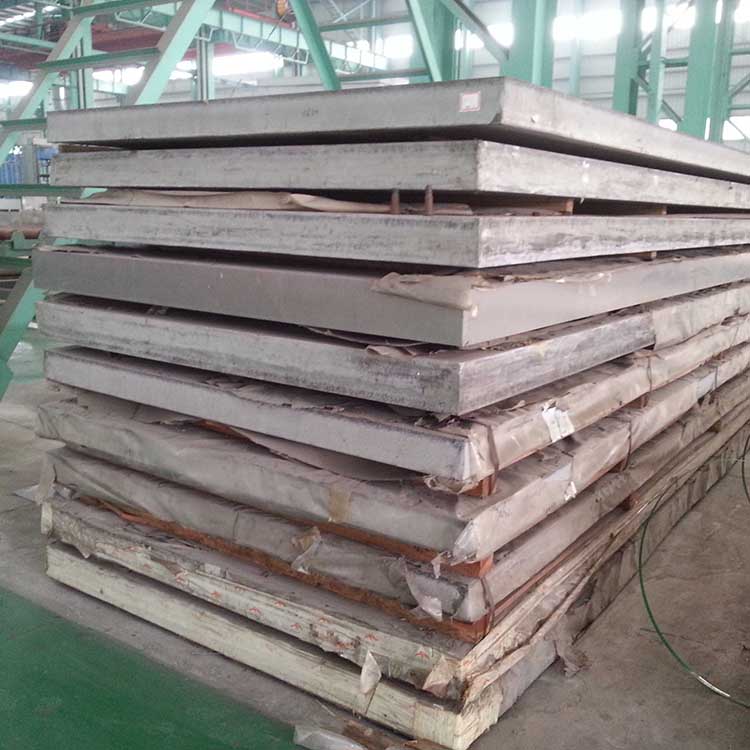
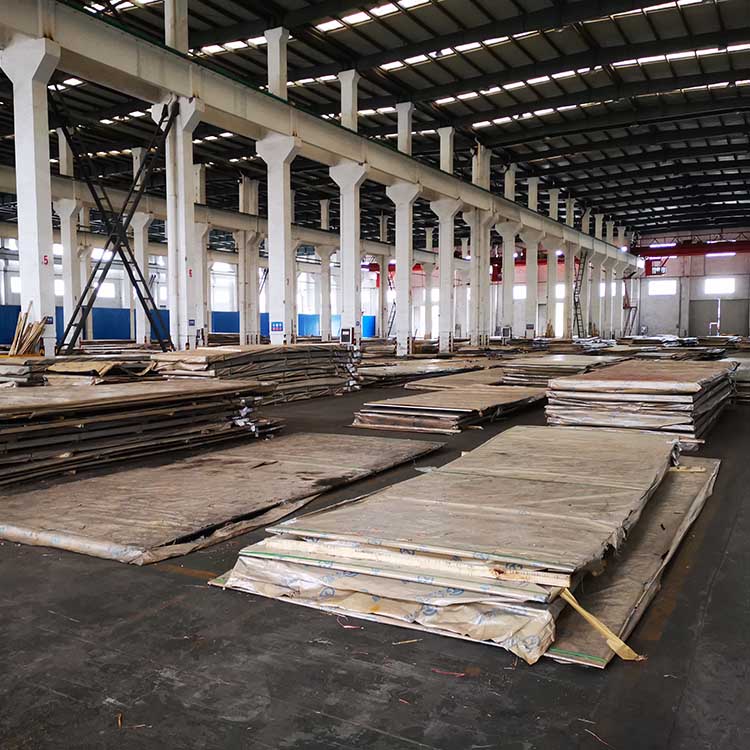


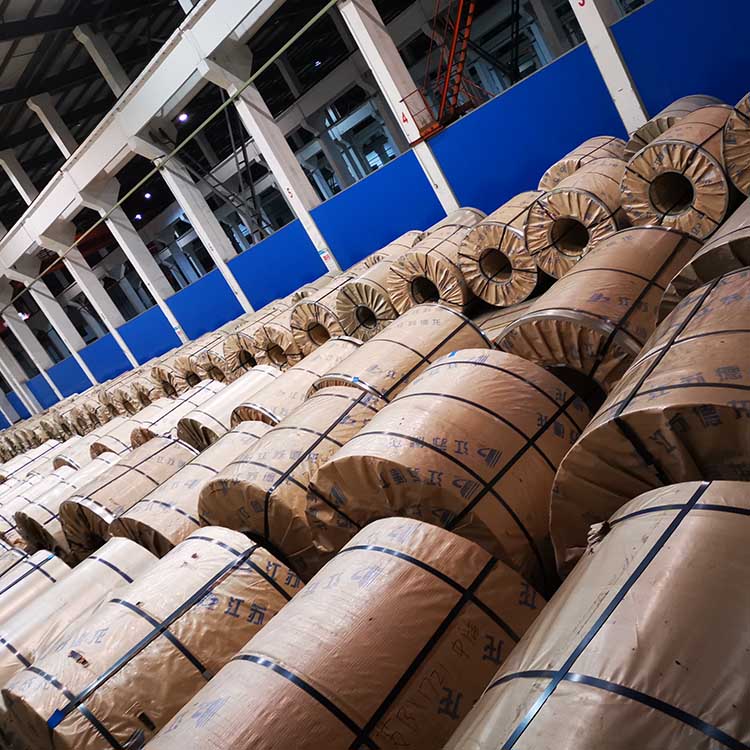
316Ti stainless steel
316TI is a metal material that enhances the intergranular corrosion resistance of SUS316 steel by adding Ti. It is used in equipment that resists sulfuric, phosphoric, and acetic acids. 316Ti is a titanium-stabilized variant of the 316 alloy. This molybdenum-containing austenitic chromium-nickel stainless steel improves corrosion resistance, enhances resistance to pitting in chloride ion solutions, and provides higher strength at elevated temperatures. Its properties are similar to those of alloy 316, but 316Ti can be used at higher sensitization temperatures due to the addition of titanium. 316Ti improves corrosion resistance, particularly against sulfuric, hydrochloric, acetic, formic, and tartaric acids, acidic sulfates, and alkaline chlorides. Applications include filtration in marine environments, pulp and paper equipment, heat exchangers, propeller shafts, accessories, and exterior building components in coastal areas.
Product Introduction
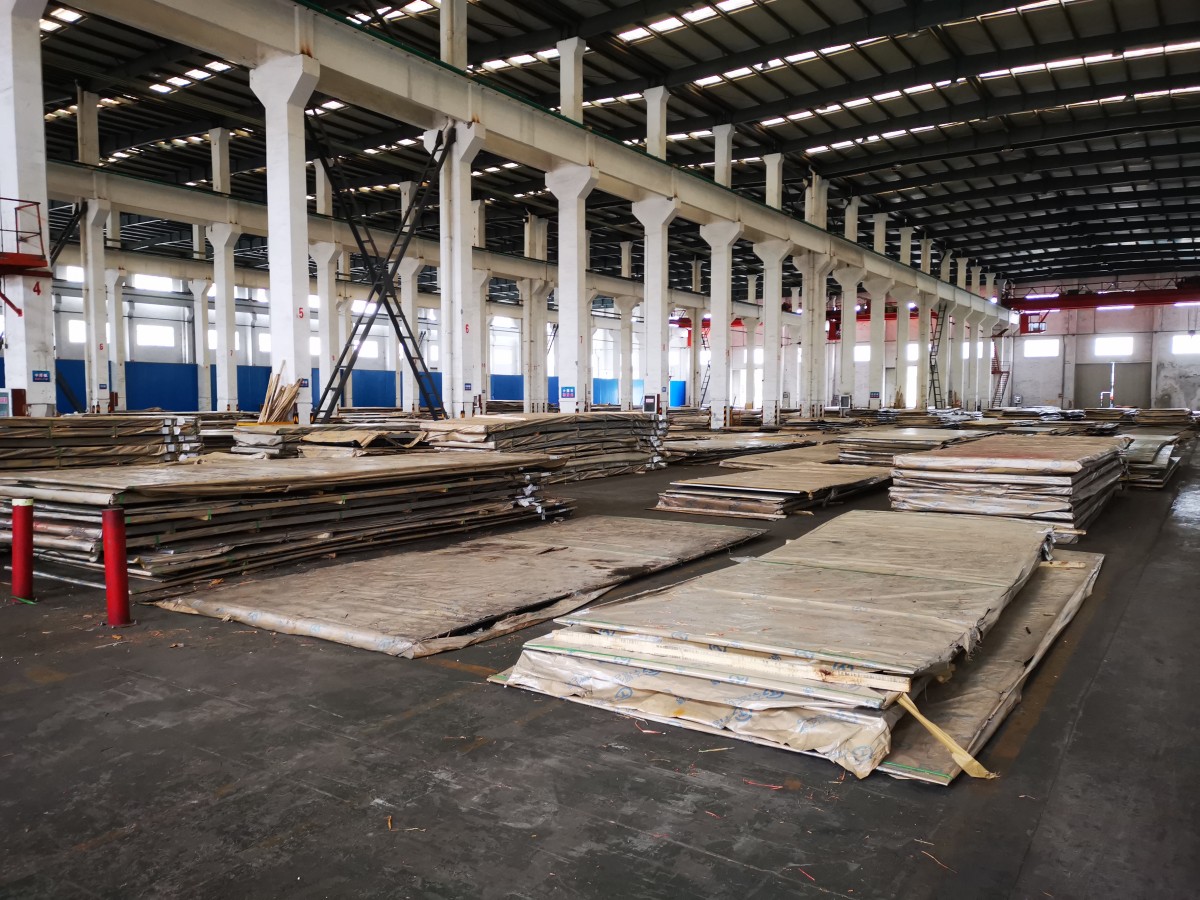
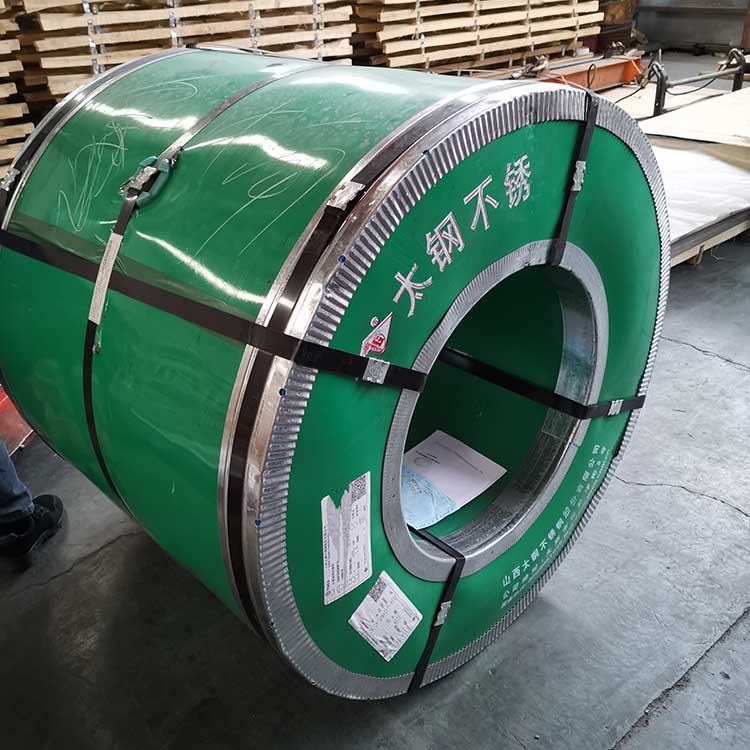
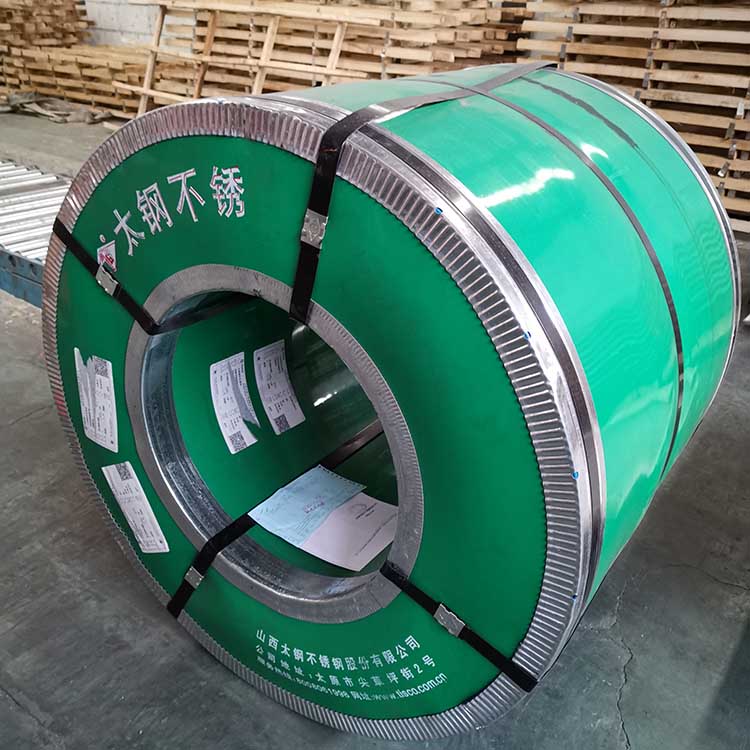
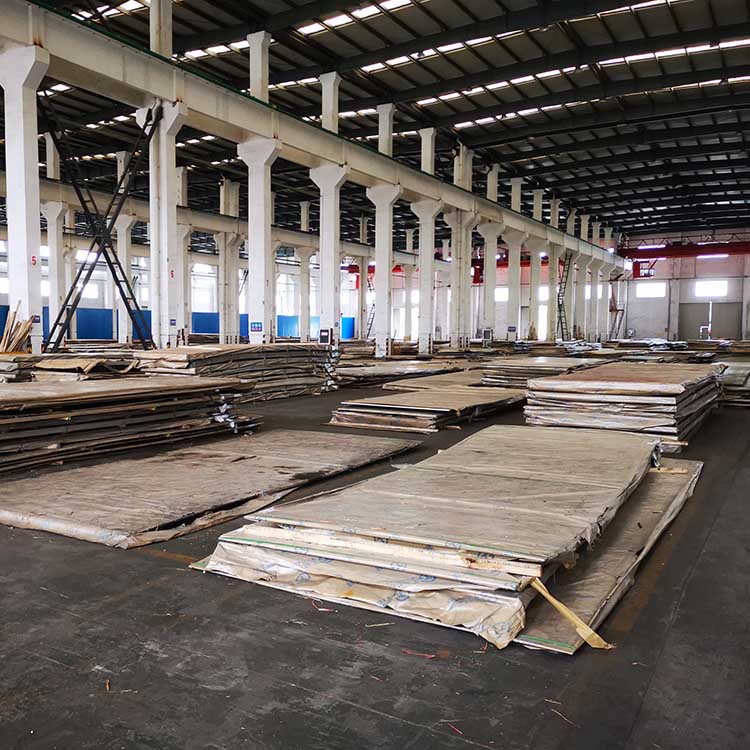
316Ti stainless steel plate, in accordance with the national standard, is equivalent to 1Cr18Ni12Mo2Ti stainless steel plate in China. The 316Ti stainless steel plate is enhanced with Ti in the SUS316 steel to improve its intergranular corrosion resistance.
Equipment for resistance to sulfuric, phosphoric, acetic, and vinegar acids.
Chemical Composition
C:≤0.08
Si≤1.00
Mn≤2.00
P≤0.035
S≤0.030
Ni 10.00~14.00
Cr 16.00~19.00
Mo 1.80~2.50
Ti≥0.2~0.70
Mechanical properties
YS(Mpa) ≥205
TS(Mpa) ≥520
EL(%) ≥40
Approx. 200° Hv