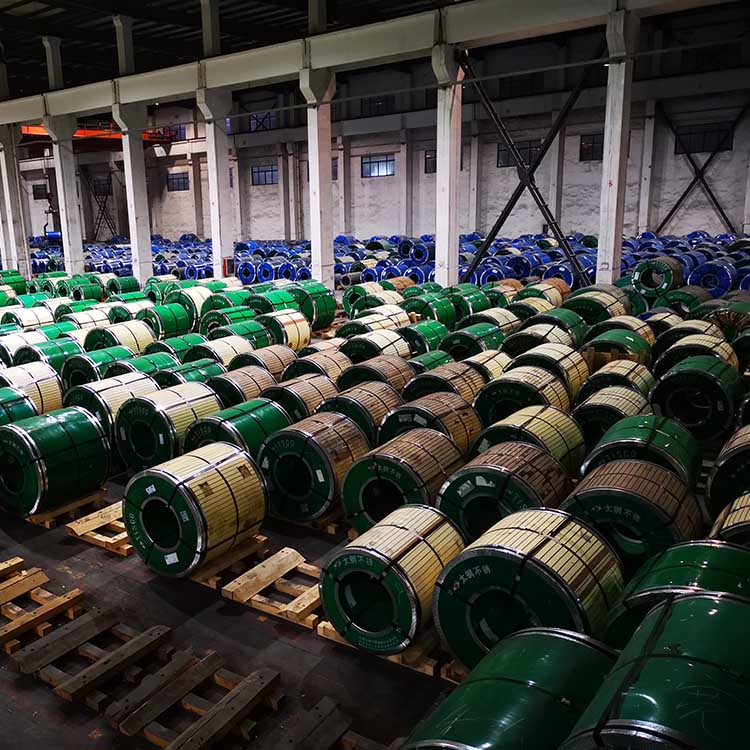












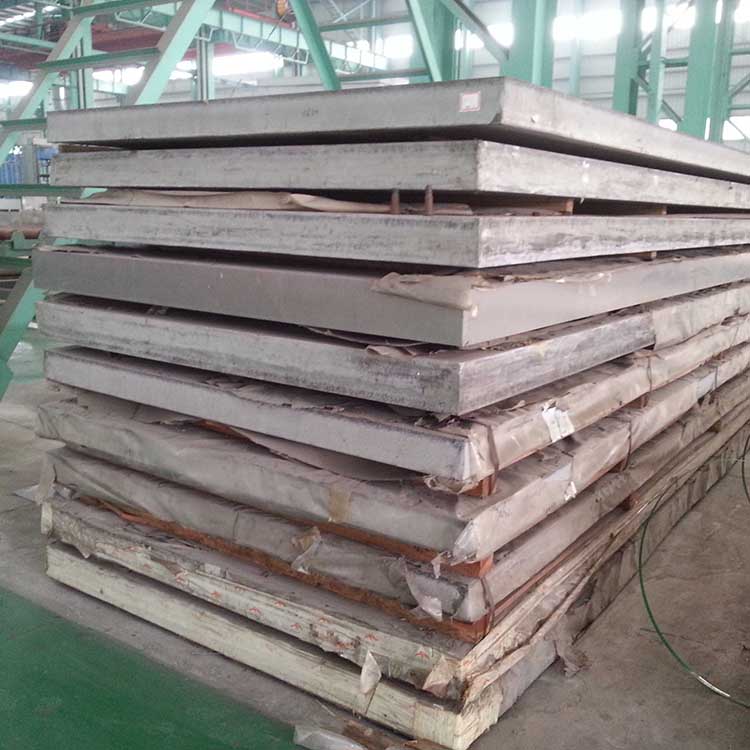
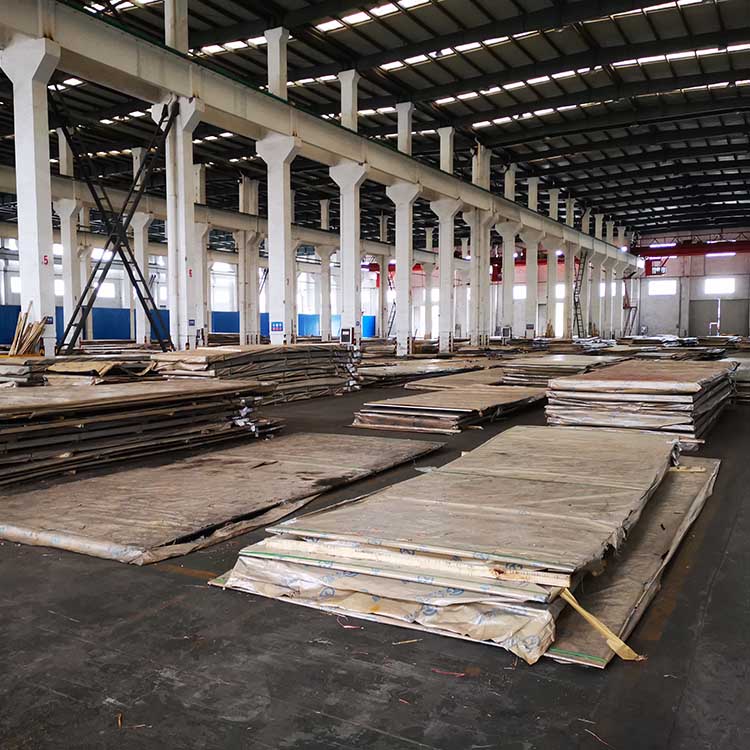


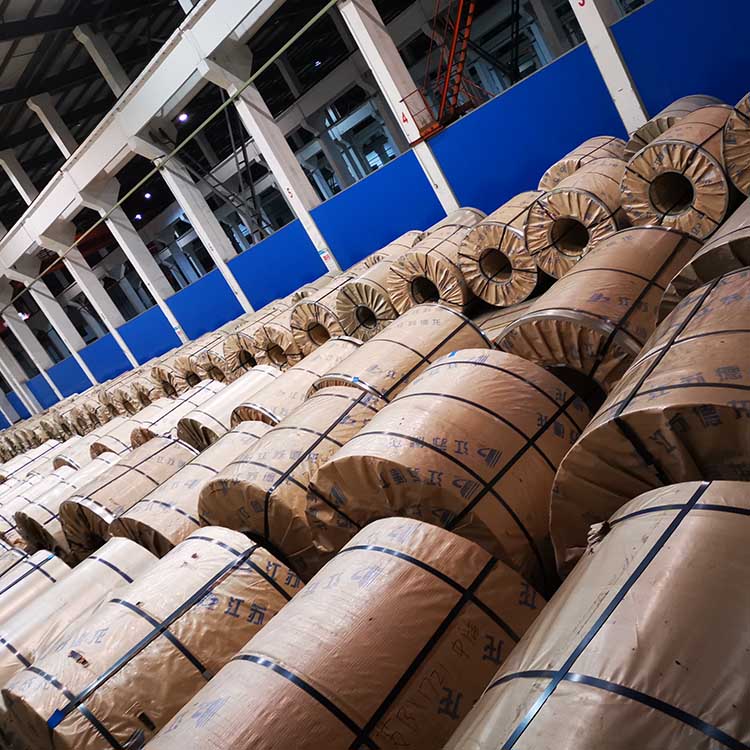
316L stainless steel
316L is a grade of stainless steel material, with AISI 316L as its equivalent American standard number and sus 316L as the corresponding Japanese standard number. In China, the unified numerical code is S31603, the standard grade number is 022Cr17Ni12Mo2 (new standard), and the old grade number is 00Cr17Ni14Mo2, indicating that it primarily contains Cr, Ni, and Mo, with the numbers representing the approximate percentage content.
Chemical Composition
Carbon (C): ≤0.030
Silicon (Si): ≤1.00
Manganese (Mn): ≤2.00
Sulfur S: ≤0.030
Phosphorus (P): ≤0.045
Chromium (Cr): 16.00~18.00
Nickel (Ni): 10.00 ~ 14.00
Tungsten (Mo): 2.00~3.00
Corrosion resistance
316L, renowned for its excellent corrosion resistance, is widely used in the chemical industry. It is a derivative of the 18-8 austenitic stainless steel, containing 2-3% Mo. Many steel grades have been derived from 316L, such as 316Ti, which is produced by adding a small amount of Ti, and 316N, which is produced by adding a small amount of N. Increasing the Ni and Mo content results in the creation of 317L.
Most 316L available on the market is produced according to the American standards. Due to cost considerations, steel mills usually keep the product's Ni content as low as possible. The American standard specifies a Ni content of 10-14% for 316L, while the Japanese standard sets it at 12-15%. With the lower standard, there is a 2% difference in Ni content between the American and Japanese standards, which is quite significant when it comes to pricing. Therefore, when selecting 316L products, customers should be aware of whether the product is referenced to the ASTM or JIS standard.
The Mo content in 316L steel grades it with excellent corrosion resistance, making it safe for use in environments containing halogen ions like Cl-. As 316L primarily relies on its chemical properties, steel mills have lower surface inspection requirements for 316L compared to 304. Clients with higher surface demands should enhance their surface inspection efforts.
Mechanical properties
Tensile Strength σb (MPa): ≥480
Condition yield strength σ0.2 (MPa): ≥177
Tensile elongation δ5 (%): ≥40
Section reduction rate ψ (%): ≥60
Hardness: ≤187HB; ≤90HRB; ≤200HV
Density: 7.98 g/cm³
Specific heat capacity ratio (20℃): 0.502 kJ/(g*K)
Thermal Conductivity (W/(m*K))
100℃ 15.1
300℃ 18.4
500℃ 20.9
Heat Treatment
Soluble at 1010~1150°C, quenched rapidly.
Metallographic structure
The material features are Austenitic stainless steel.