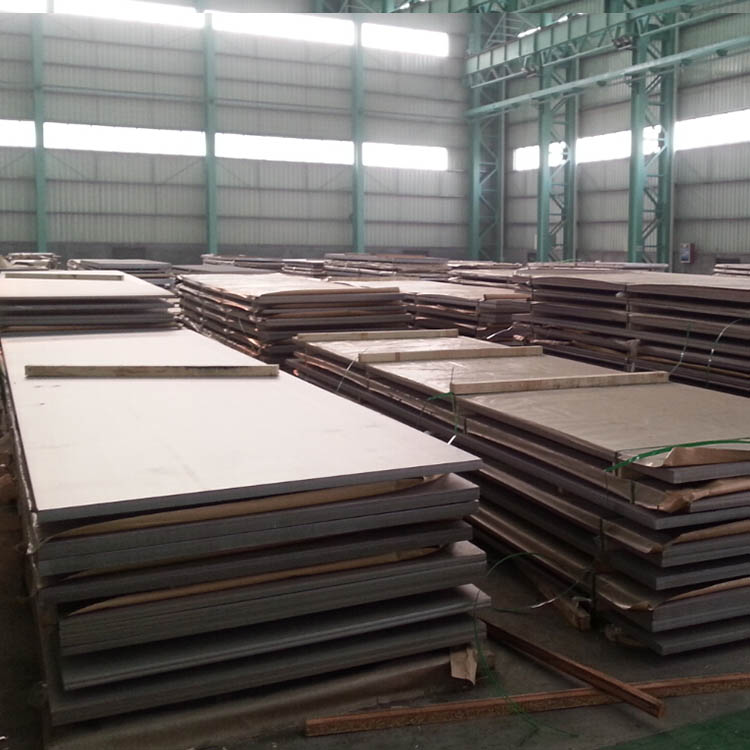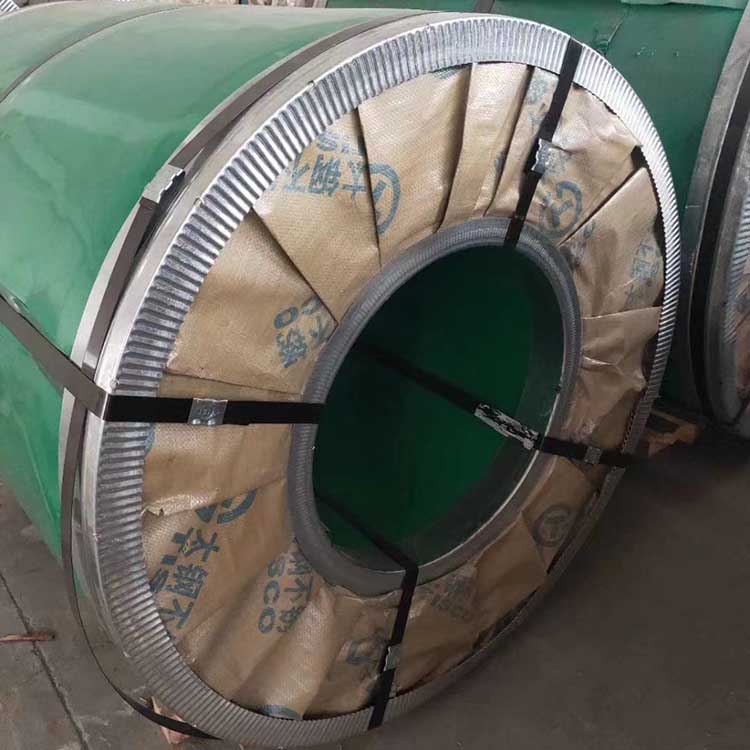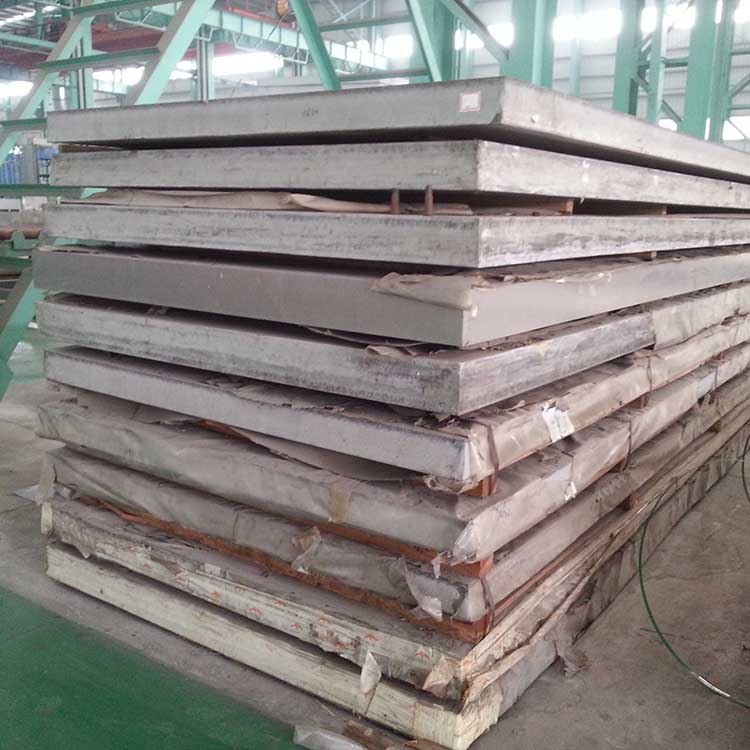















304 Stainless Steel
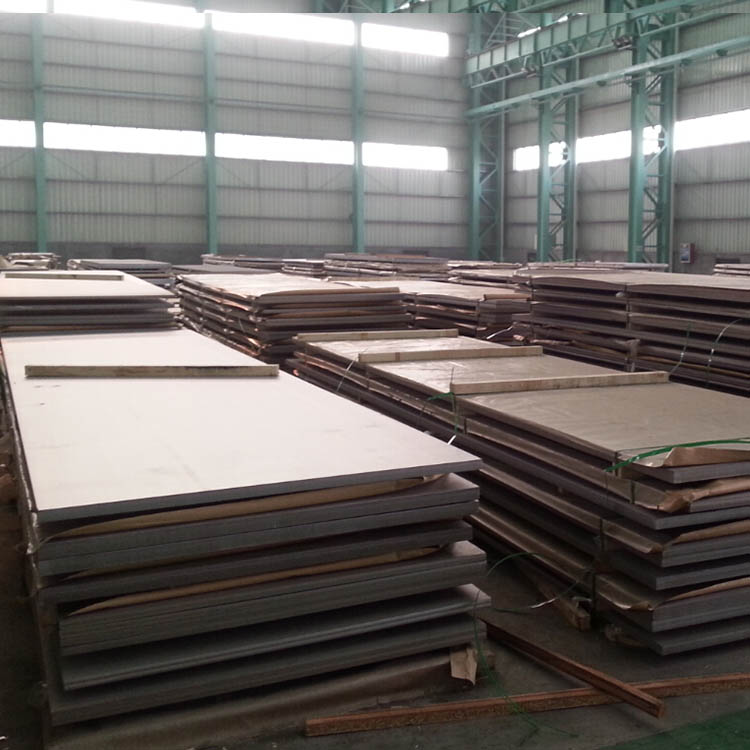
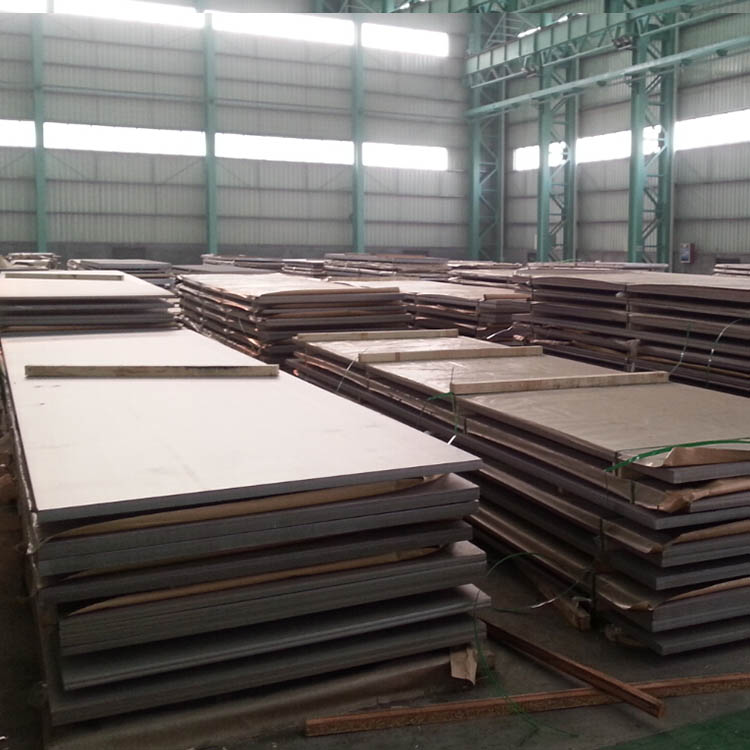
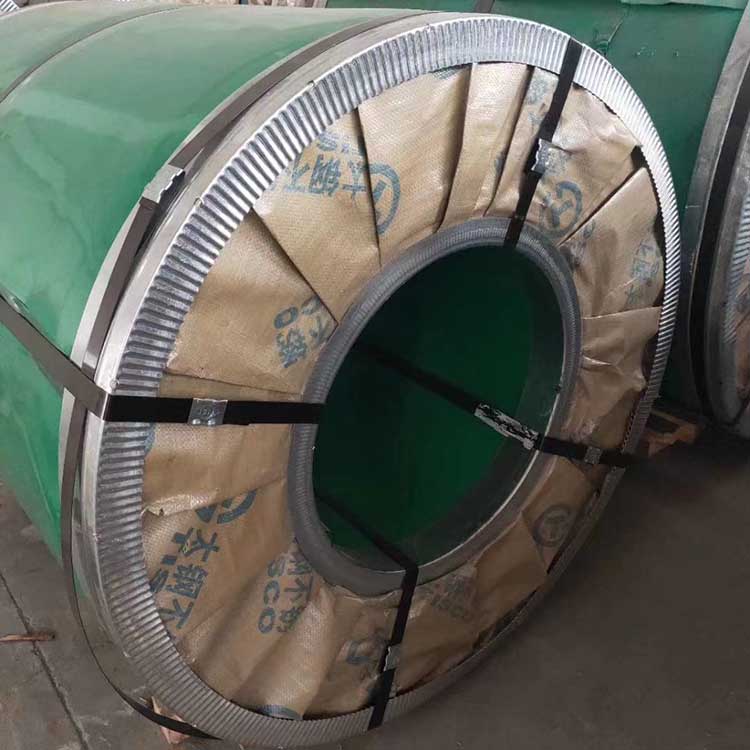
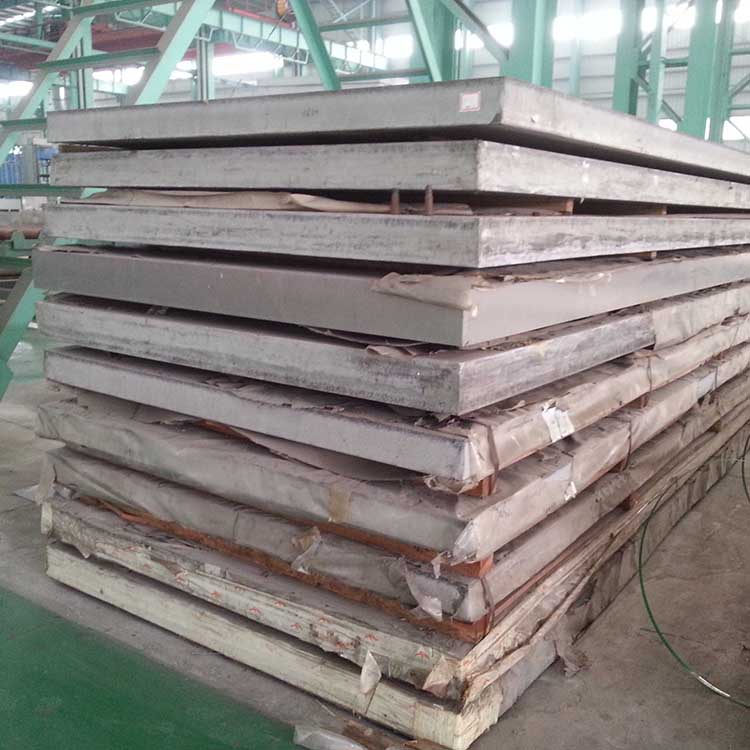
304 stainless steel is a versatile stainless steel material with superior corrosion resistance compared to the 200 series stainless steels. It also excels in high-temperature resistance. 304 stainless steel boasts excellent corrosion and oxidation resistance, as well as good intergranular corrosion resistance. In experiments with oxidizing acids, it was found that 304 stainless steel sheets exhibit strong corrosion resistance in nitric acid with a concentration of ≤65% below boiling point. It also demonstrates good corrosion resistance against alkaline solutions and most organic and inorganic acids.
Density of 304 stainless steel plate: 7.93 g/cm³. Austenitic stainless steels generally use this value. 304 contains 17.00-19.00% chromium and 8.00-10.00% nickel. 304 is equivalent to China's 0Cr19Ni9 (0Cr18Ni9) stainless steel.
Chemical Composition
C:≤0.07
Si :≤1.0
Mn :≤2.0
Cr :17.0~19.0
Ni :8.0~11.0
S :≤0.03
P :≤0.035
Physical Properties
Tensile Strength σb (MPa) ≥ 515-1035
Condition yield strength σ0.2 (MPa) ≥ 205
Tensile elongation δ5 (%)≥40
Section reduction rate ψ (%) ≥ ?
Hardness: ≤201HBW; ≤92HRB; ≤210HV
Density (20°C, g/cm³): 7.93
Melting Point (°C): 1398~1454
Specific heat capacity (0~100℃, KJ·kg-1K-1): 0.50
Thermal Conductivity (W·m-1·K-1): (at 100℃) 16.3, (at 500℃) 21.5
Coefficient of Linear Thermal Expansion (10-6·K-1): (0~100℃) 17.2, (0~500℃) 18.4
Resistivity (20°C, 10-6 Ω·m²/m): 0.73
Tensile Modulus (20°C, KN/mm²): 193
Product Features
304 stainless steel sheet offers an aesthetically pleasing surface and versatile usage possibilities.
Excellent corrosion resistance, longer-lasting than ordinary steel
Excellent corrosion resistance
High strength, allowing for the use of thin plates.
High-temperature oxidation resistance and high strength, thus able to withstand fires
Room temperature processing, i.e., easy plastic processing
Because no surface treatment is required, it's simple and easy to maintain.
Clean, high luster
Excellent welding properties
Usage
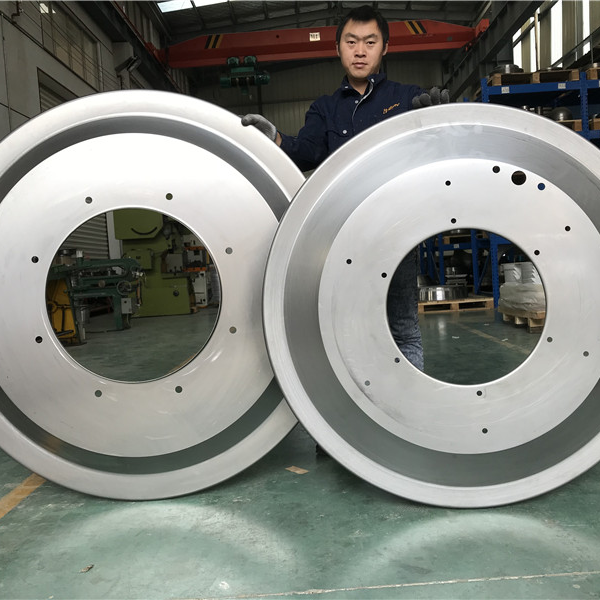
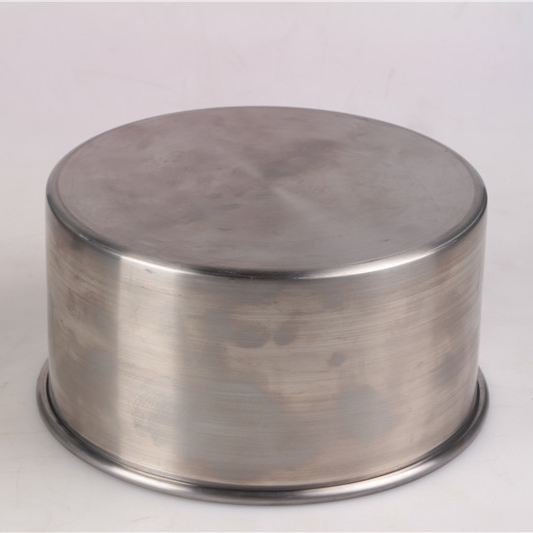
304 stainless steel sheet is widely used due to its excellent corrosion resistance, heat resistance, low-temperature strength, and mechanical properties; it has good hot working characteristics such as stamping and bending without the phenomenon of hardening after heat treatment. It is extensively employed in household items (Category 1, 2 tableware), cabinets, indoor piping, water heaters, boilers, bathtubs, automotive parts, construction materials, chemicals, food industry, agriculture, and ship components.