














304L stainless steel
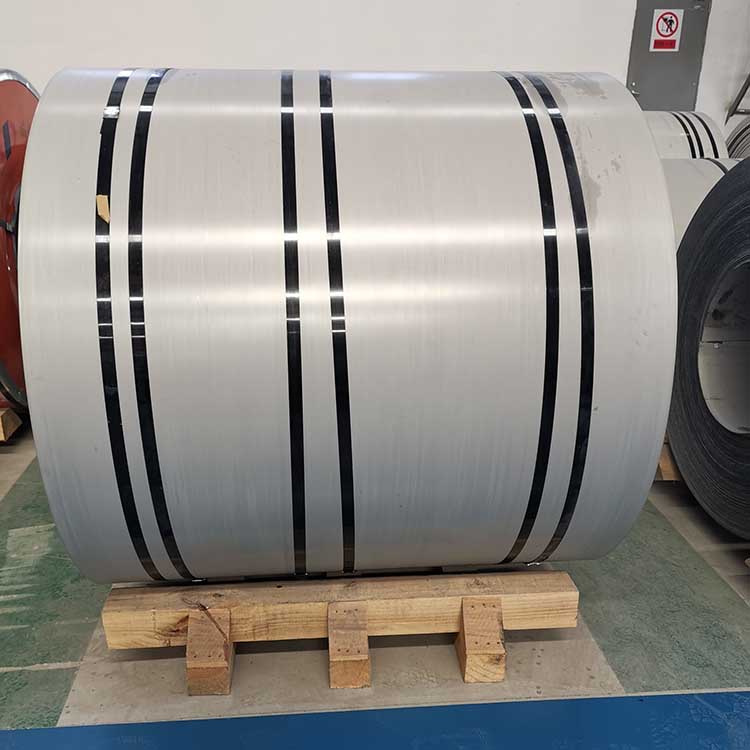
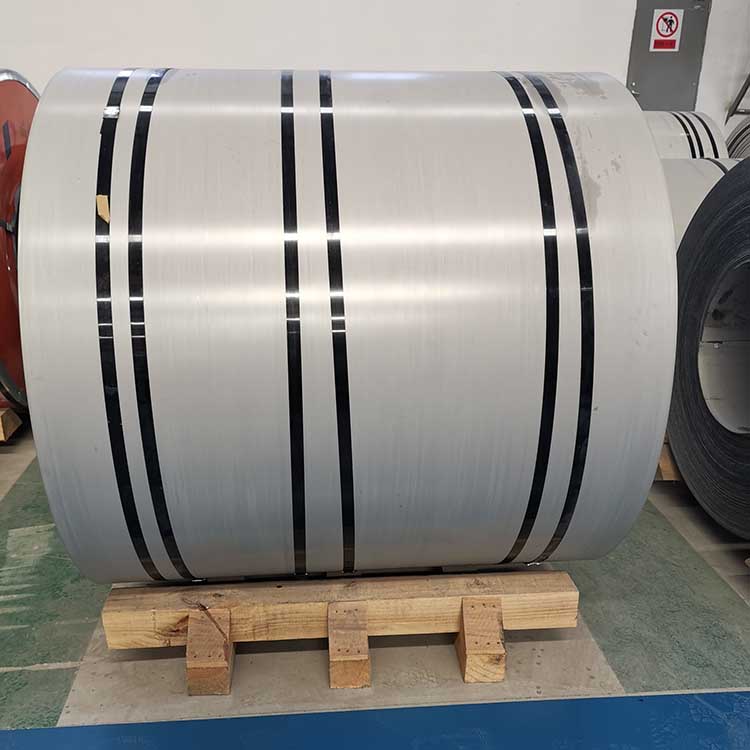
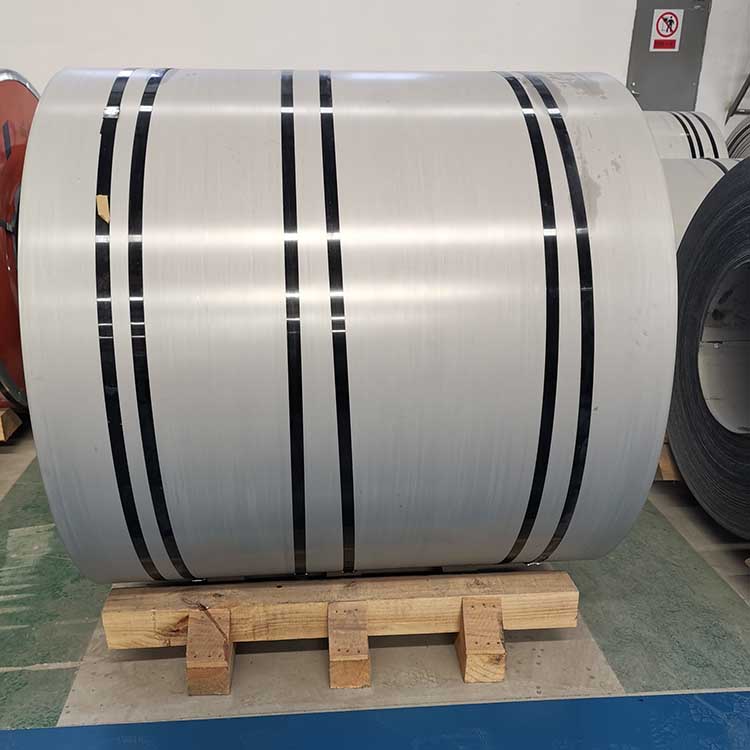
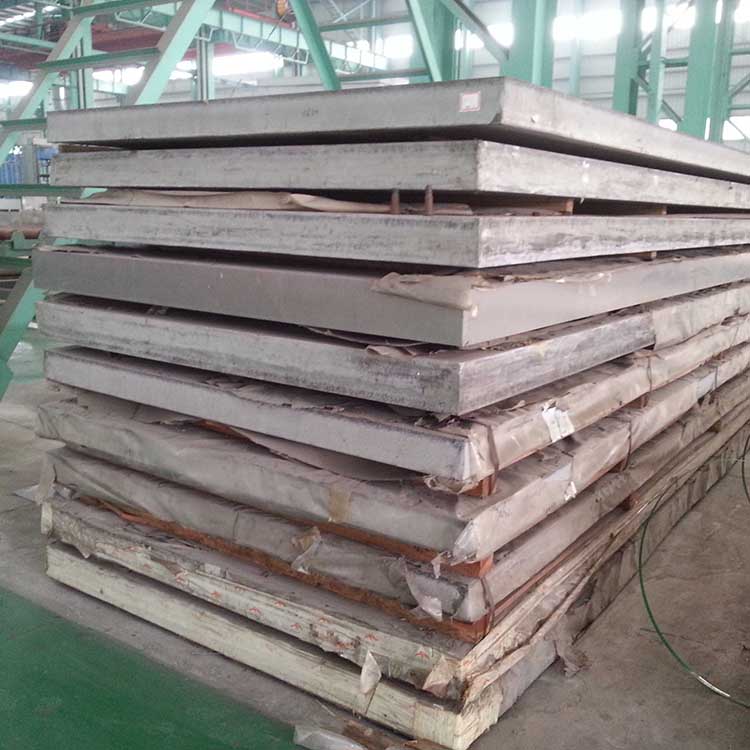
304L stainless steel, also known as ultra-low carbon stainless steel, is a versatile stainless steel material widely used for manufacturing equipment and components that require excellent overall properties (corrosion resistance and formability).
304L Stainless Steel Grade:
Old Standard 00Cr19Ni10, New Standard 022Cr19Ni10, Unified Numerical Code S30403
304L Stainless Steel Chemical Composition %
Carbon C: ≤0.03
Silicon (Si): ≤1.0
Manganese (Mn): ≤2.0
Chrome (Cr): 18.0~20.0
Nickel (Ni): 9.0~12.0
Sulfur (S): ≤0.03
Phosphorus (P): ≤0.045
Mechanical Properties
Mechanical properties of 304L stainless steel:
Yield Strength (N/mm²) ≥ 205
Tensile Strength ≥ 520
Tensile elongation (%) ≥ 40
Hardness HB ≤187, HRB ≤90, HV ≤200, Density 7.93 g/cm³
Specific heat capacity c (at 20℃) 0.502 J·(g·°C)-1
Thermal Conductivity λ/W(m·℃)-1 (at the following temperatures/℃)
20 100 500
12.1 16.3 21.4
Thermal expansion coefficient α / (10^-6/℃) (Between the following temperatures /℃)
20~100 20~200 20~300 20~400
16.0 16.8 17.5 18.1
Resistivity 0.73 Ω·mm²·m⁻¹
Melting Point: 1398-1420℃
Properties and Uses of Stainless Steel
As a low-C 304 steel, it exhibits similar corrosion resistance to 304 steel under normal conditions. However, its ability to resist intergranular corrosion is strong after welding or under stress. Without heat treatment, it maintains excellent corrosion resistance, typically used below 400°C (non-magnetic, operating temperature range -196°C to 800°C).
For outdoor machinery, construction materials, heat-resistant parts, and components with difficult heat treatment, applicable in chemical, coal, and oil industries with high requirements for grain-boundary corrosion resistance.
The development of 304L stainless steel has significantly outperformed other materials in terms of corrosion resistance, appearance, workability, and strength. Moreover, various surface treatments for stainless steel can achieve a wide range of colors and shapes, greatly contributing to its evolution.