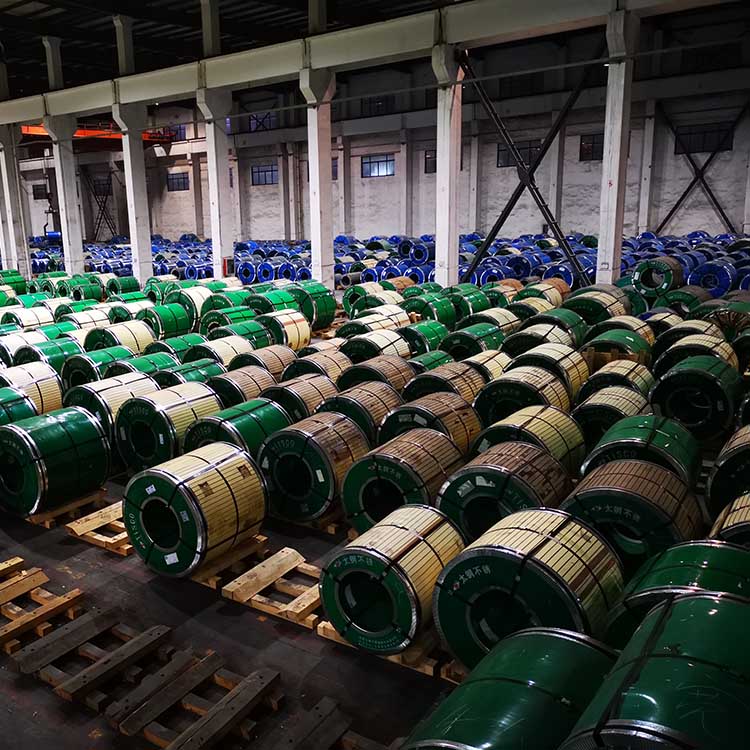

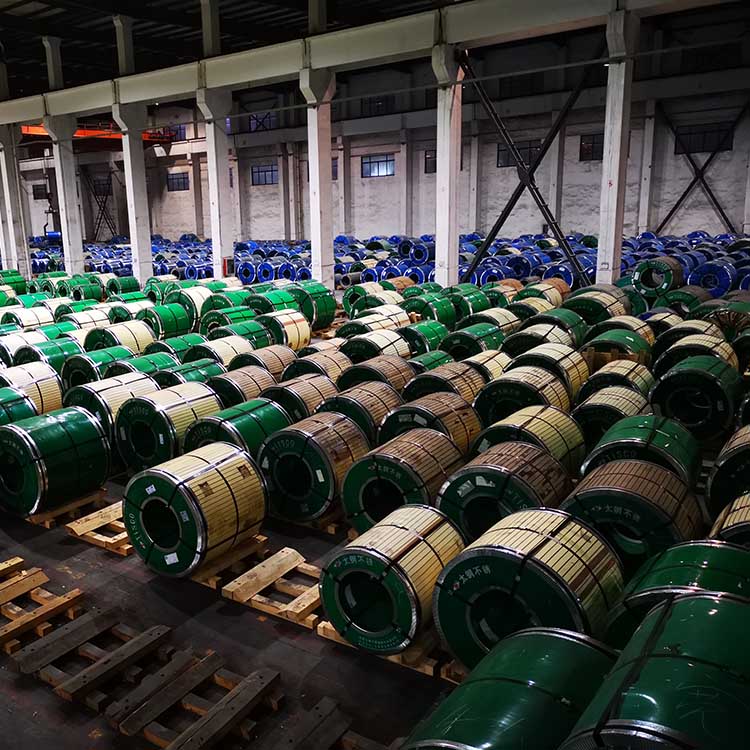














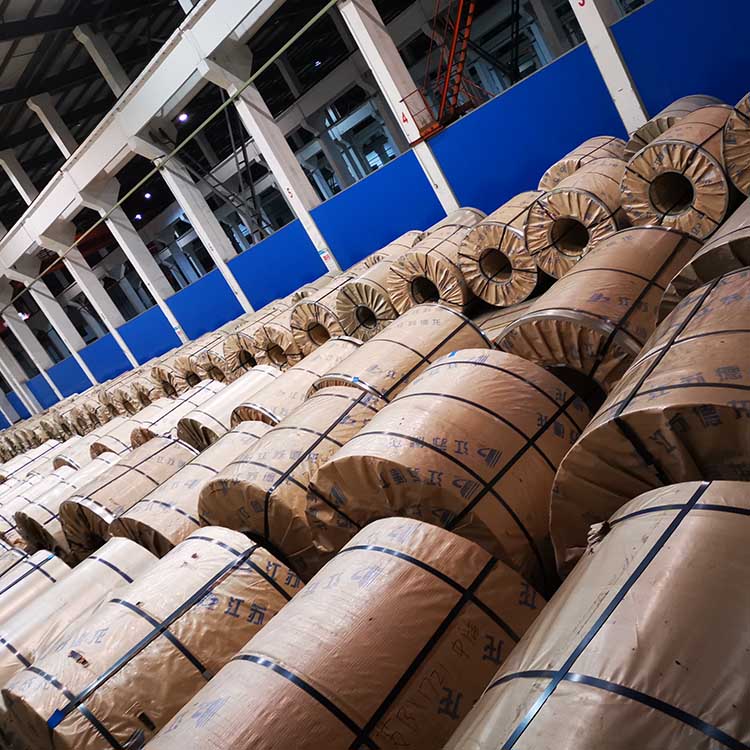
304H Stainless Steel Sheet
What are the differences between 304, 304H, and 304L?
Actually, they are all 304 stainless steel based on the chromium-nickel content, with 18% chromium (Cr) and 8% nickel (Ni) in the composition, but the main difference lies in the varying carbon content.
304, 304L, 304H Chemical Composition (%) Chart: See image
304L is an ultra-low carbon stainless steel, with carbon content reduced to below 0.03%, which can prevent intergranular corrosion and theoretically offers better resistance to stress corrosion than 304, although the practical effect is not significant. The purpose of reducing carbon and adding titanium is the same, but the smelting cost of titanium-added 321 is higher, the molten steel is thicker, and the price is also more expensive.
The "H" in 304H signifies high temperature. High carbon content ensures the high-temperature strength, as required by GB150, austenitic steel must have a carbon content of not less than 0.04% when used above 525 degrees Celsius. Carbides are the reinforcing phase, and particularly, they enhance high-temperature strength over pure austenitic steel.
Among the three, 304H has the highest carbon content, 304L has the lowest, and 304 stainless steel falls in between. The higher the carbon content, the poorer the corrosion resistance of stainless steel and the more prone it is to rust. The difference in carbon content also leads to price variations. As always, different applications require different specifications.
Table of mechanical properties for 304, 304L, and 304H: See image
Additionally, it can be determined from these two lists that the notion that 304L can be substituted for 304 is incorrect. Whether it can be used depends on the application, and according to the specifications, neither of us has the authority to perform "material substitution." Only the original design department has the right to carry out "material substitution" work. Please remember this point at all times.