








Logistics is a necessary condition for conducting international trade. The globalized mass production inevitably leads to various international divisions of labor, and no single country can encompass everything, thus requiring cooperation among nations.
The meaning of international logistics:
The scope of international logistics research encompasses areas such as international trade logistics, non-trade international logistics, international logistics investment, international logistics cooperation, and international logistics exchange. International trade logistics primarily refers to the organization of goods' reasonable flow between countries. Non-trade international logistics includes sectors like international exhibition and exhibit logistics, international postal logistics, etc. International logistics cooperation involves enterprises from different countries jointly completing significant international economic and technical projects. International logistics investment pertains to logistics companies from various countries pooling resources to establish international logistics enterprises.

From the perspective of material transportation methods, examining the forms of international logistics:
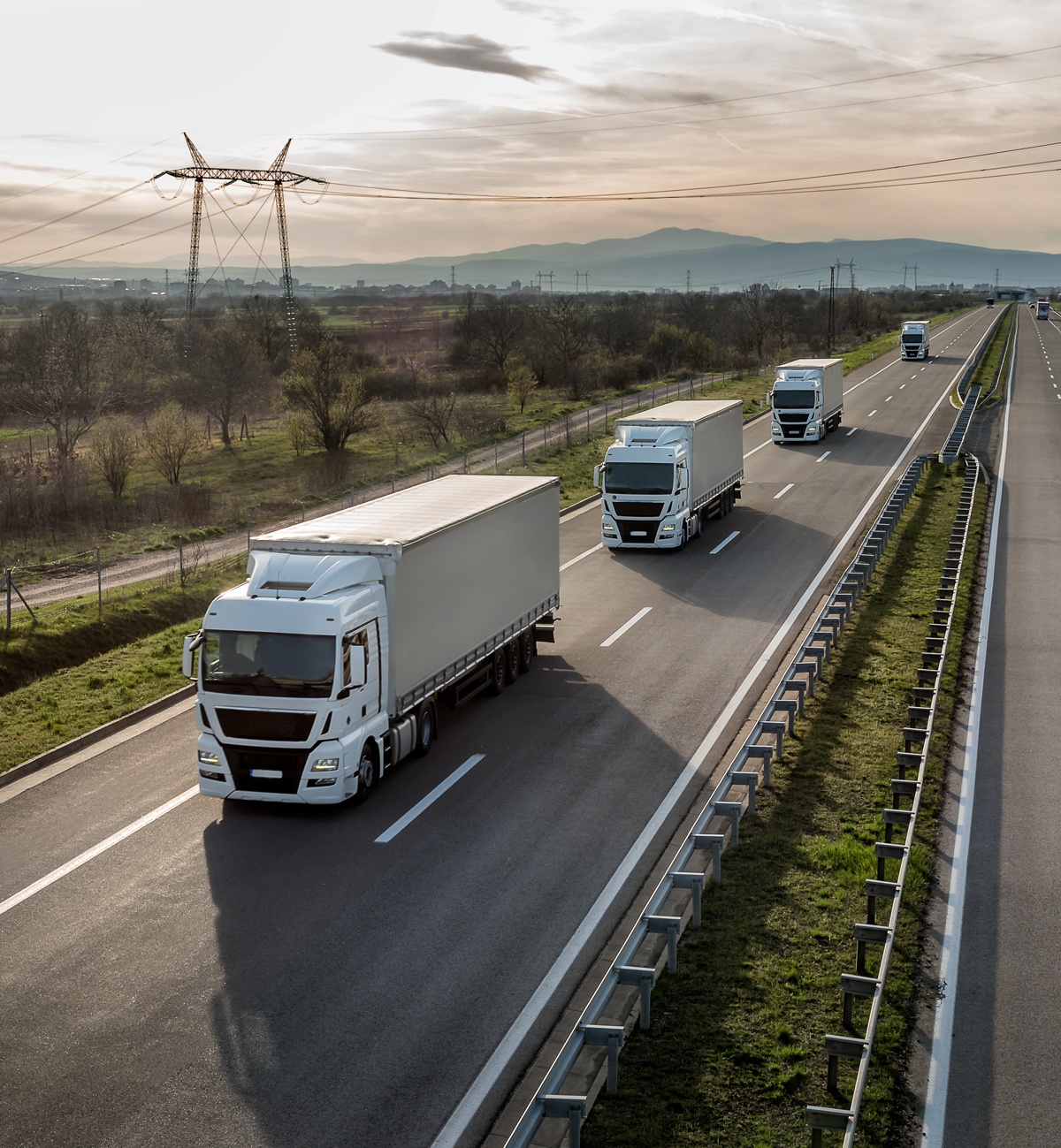
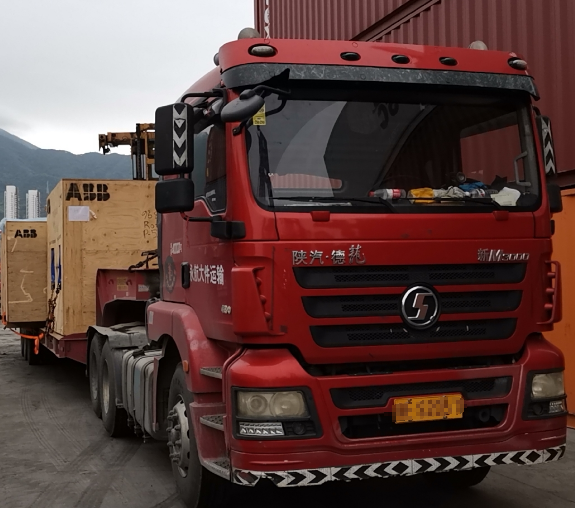
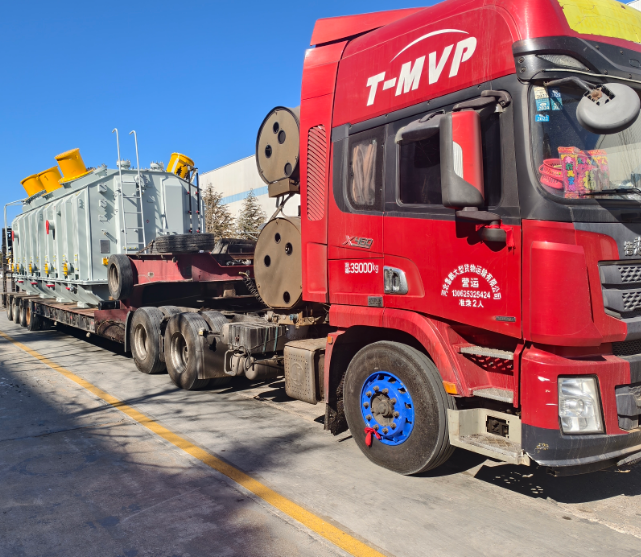
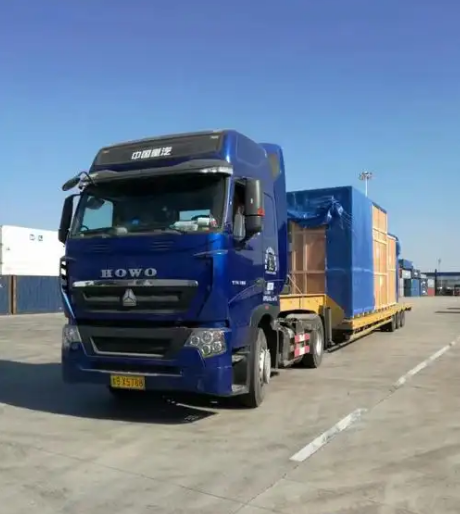
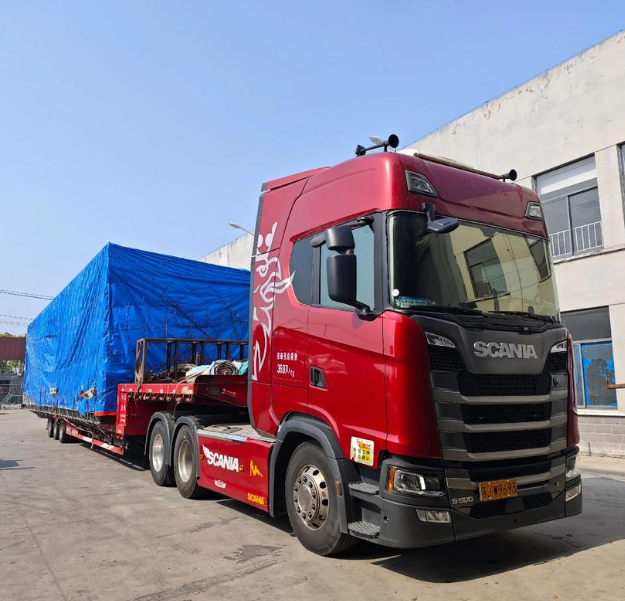
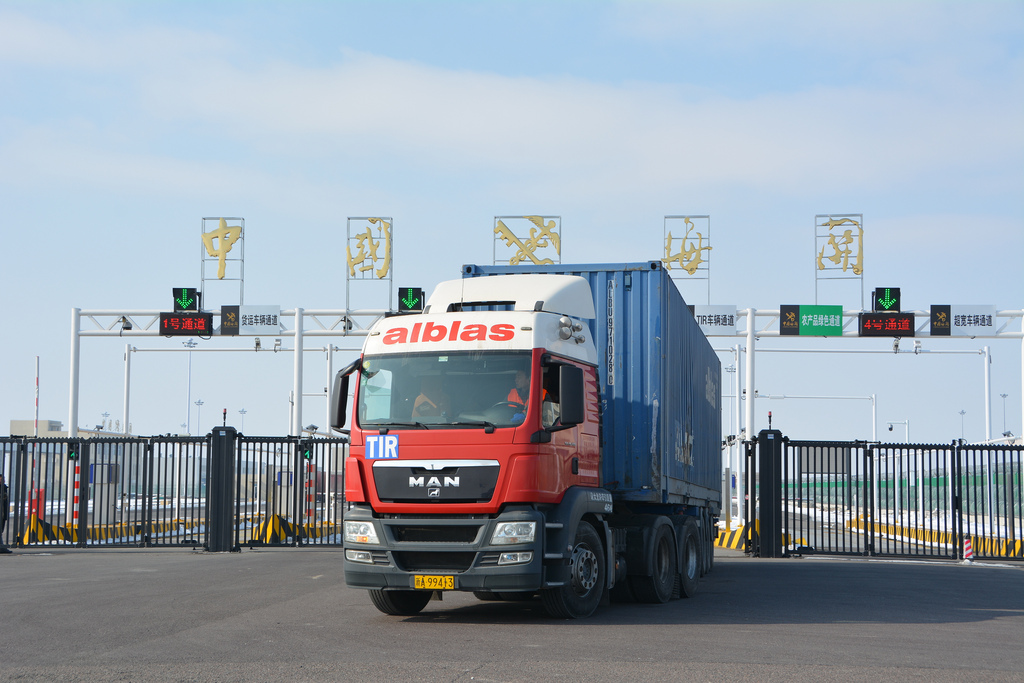
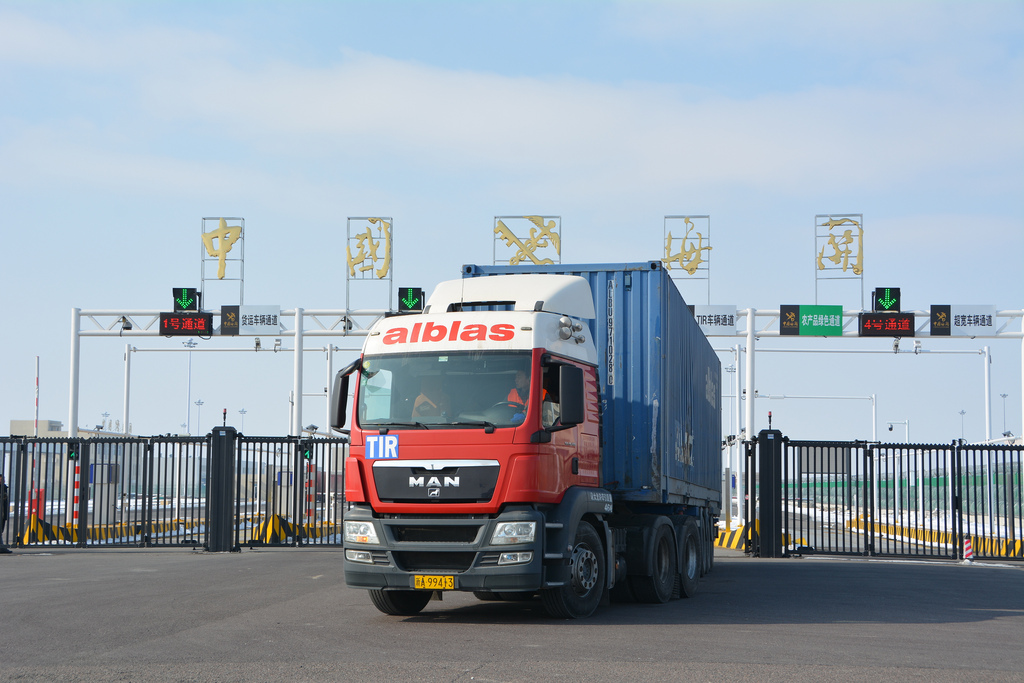
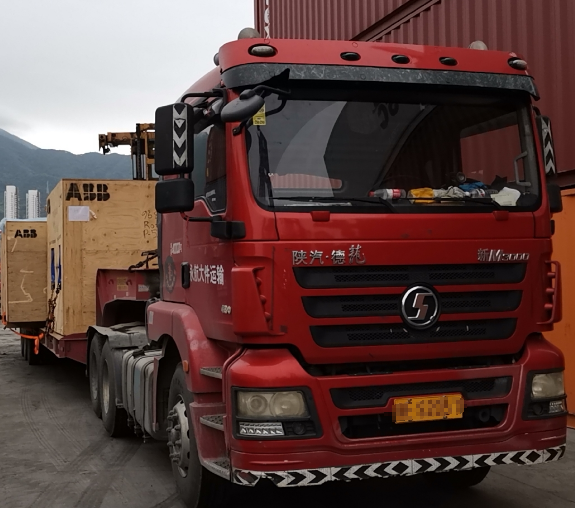
(1) Land Transportation Logistics (including road and rail combined transportation logistics). Neighboring countries by land usually opt for land-based methods for shipping goods, with primary transport modes being trains and trucks.
(2) Ocean Logistics. The majority of international logistics shipments are completed via sea, with various types of vessels being the primary means of transport.
(3) Airfreight Logistics. Valuable and small-quantity goods often utilize aircraft or regular passenger flights to complete air cargo shipments to ensure timely delivery.
(4) Pipeline Logistics. This is a transportation method that uses the pressure of a high-pressure air pump to transport goods inside the pipeline to their destination. The media transported by pipeline has been extended from the common oil and natural gas to coal and iron ore, etc.
(5) Multimodal transportation logistics, which refers to the transportation of goods from a point within one country to a delivery point in another country, utilizing at least two different modes of transport under a multimodal transport contract, arranged by a multimodal transport operator.
(6) Postal Logistics, which refers to the transportation of small quantities of international goods via postal parcels. The specific transportation methods are not fixed, but primarily consist of air and land transport.
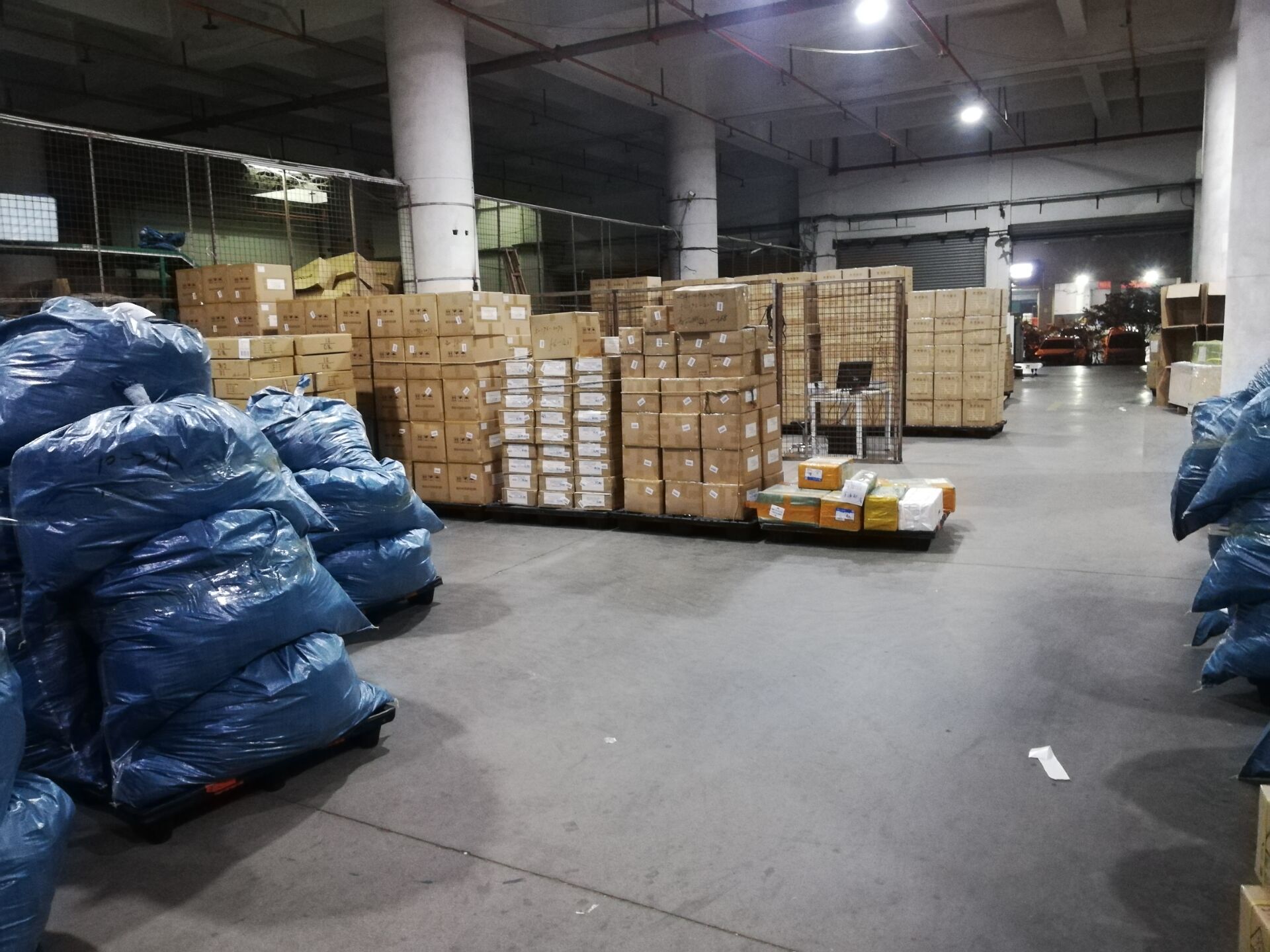
International Logistics Role:
International logistics is characterized by its cross-border nature, with logistics activities taking place between different countries. Therefore, the existence and development of international logistics can promote rational movement of goods on a global scale, ensuring optimal routes for the flow of materials or commodities, low circulation costs, excellent services, and high efficiency. Supported by international information systems and extensive material exchanges across various regions worldwide, international logistics can facilitate the development of the global economy through the rational organization of logistics. It can also enhance friendly relations between nations and foster a positive development in the international and economic landscape, thereby promoting the material and spiritual culture of humanity towards peace, stability, and greater civilization.
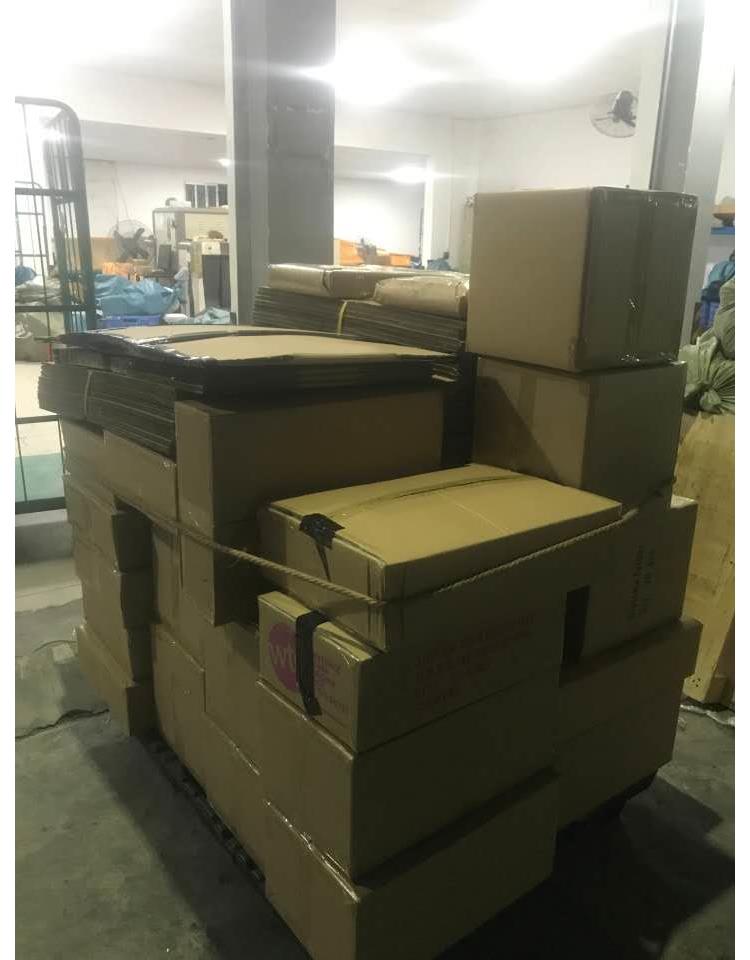
Viewing the forms of international logistics from the formation of international logistics:
(1) Factories and companies export products through their export departments to importing countries.
(2) Export departments of commercial companies, among others, establish branches or overseas offices in the importing country to conduct sales activities.
(3) Factories and import departments organize the export of goods directly.
(4) Manufacturers establish overseas offices in the importing country to export goods components, which are then assembled or processed further domestically.
(5) Manufacturing enterprises establish factories in the importing country, with the majority of raw materials sourced locally and a small portion imported from the exporting country.
(6) Operations of international logistics companies, providing specialized services for international trade and cross-border business, enhance service efficiency, allowing businesses to focus on their core competitive advantages.
Dongguan Cheng'an Logistics Co., Ltd. adheres to the principle of "customer first" and provides excellent services to our customers. We have always strived to offer better service. We always prioritize customer needs, uphold integrity, and deliver superior services.