











.jpg)

.jpg)
Product Introduction
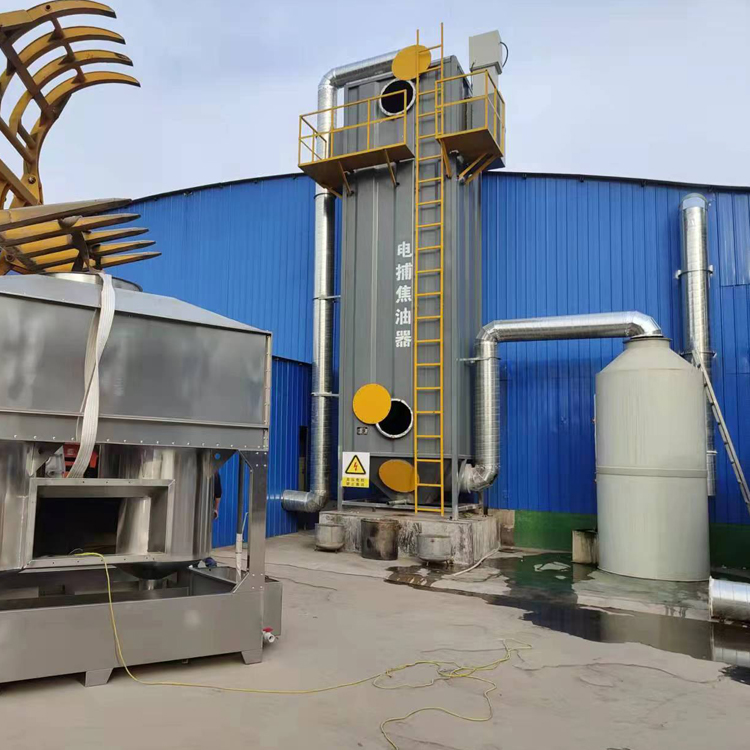
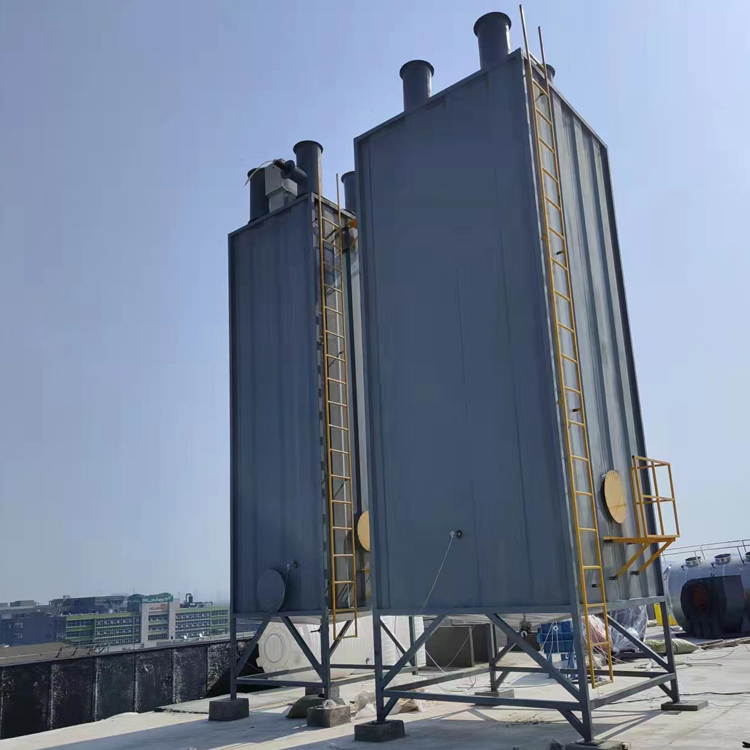
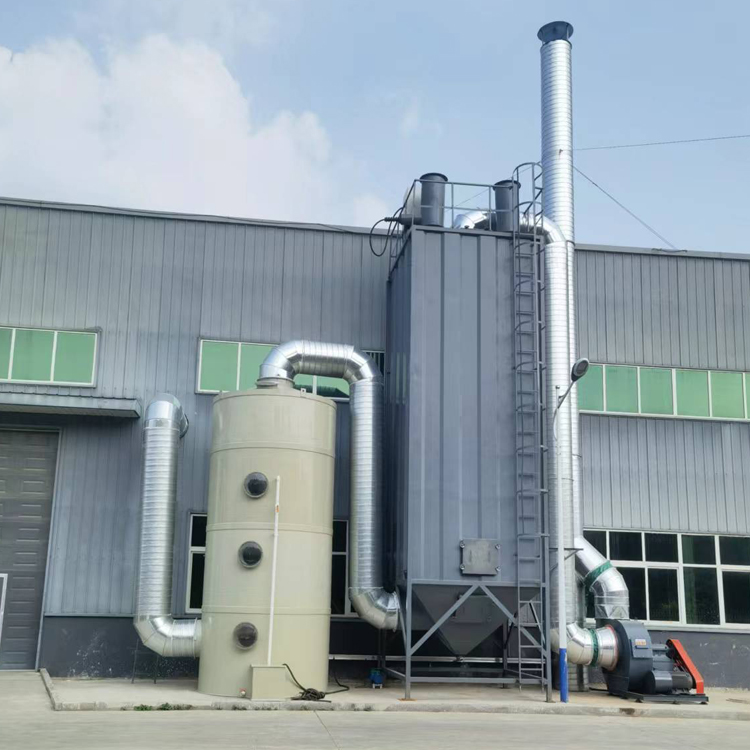
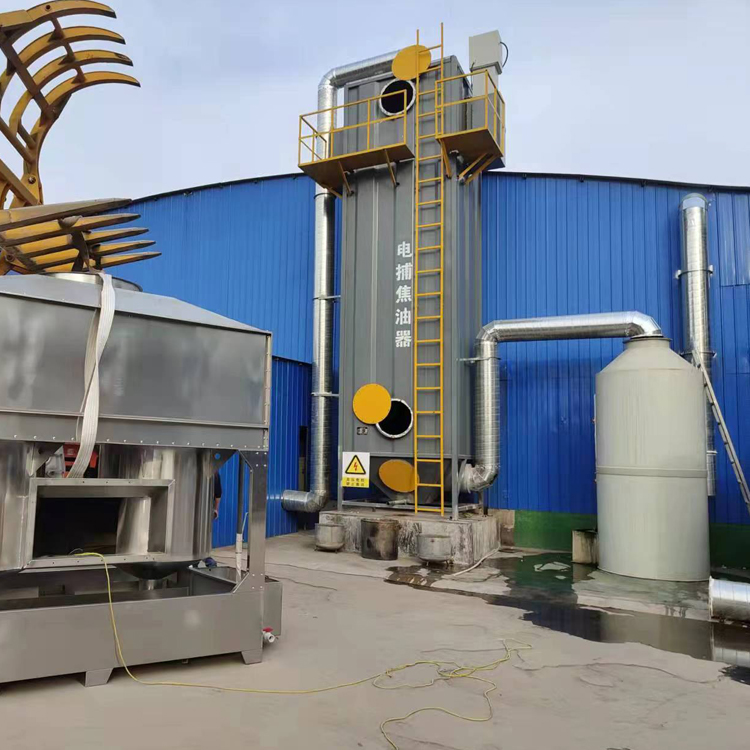
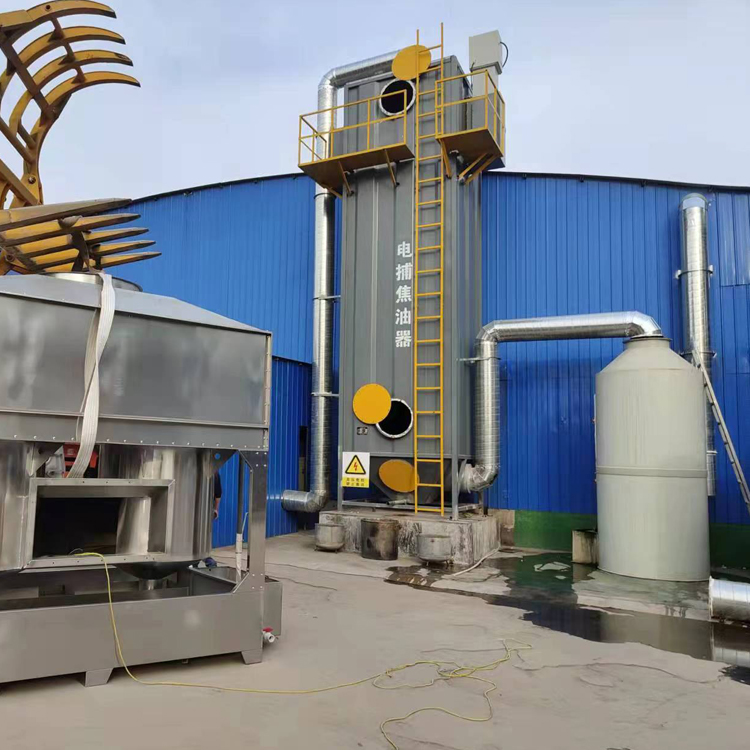
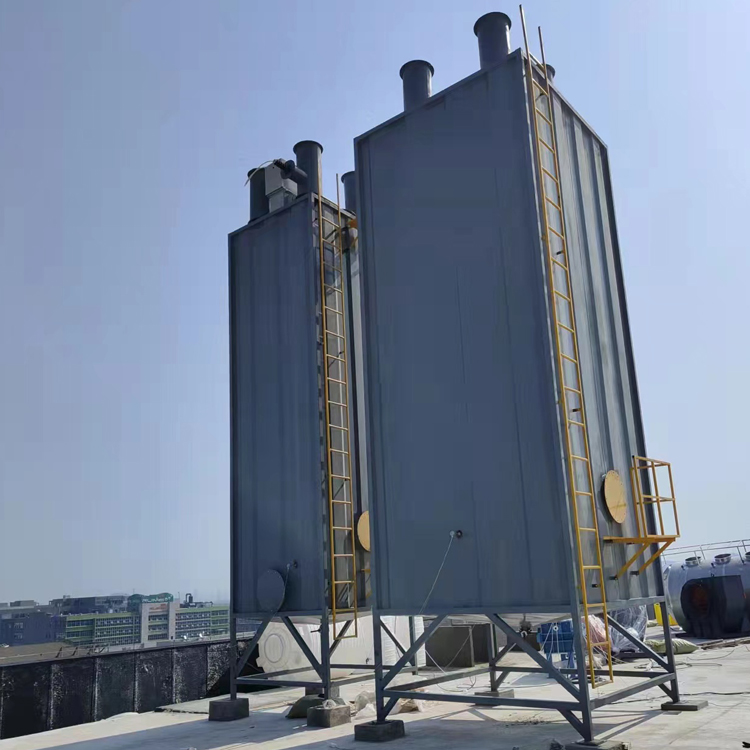
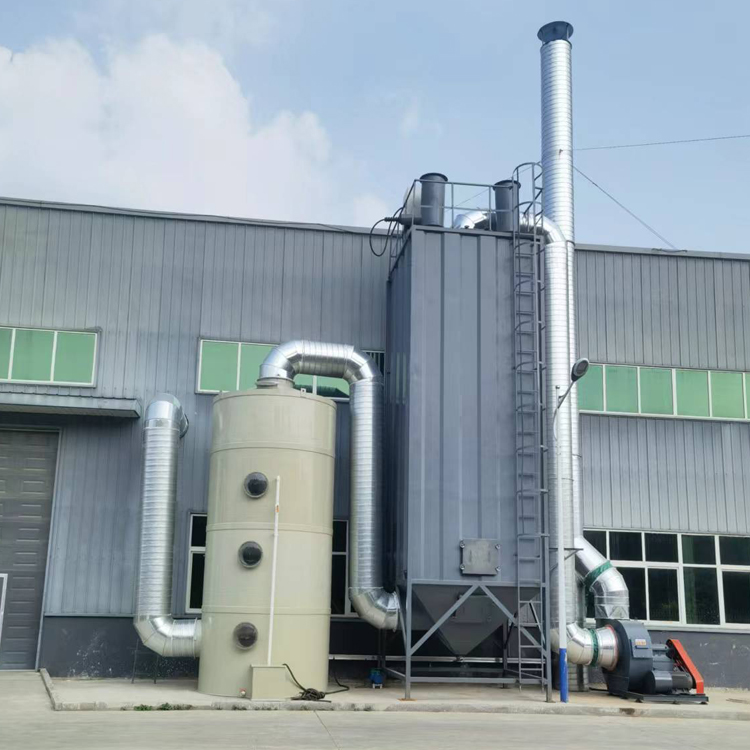
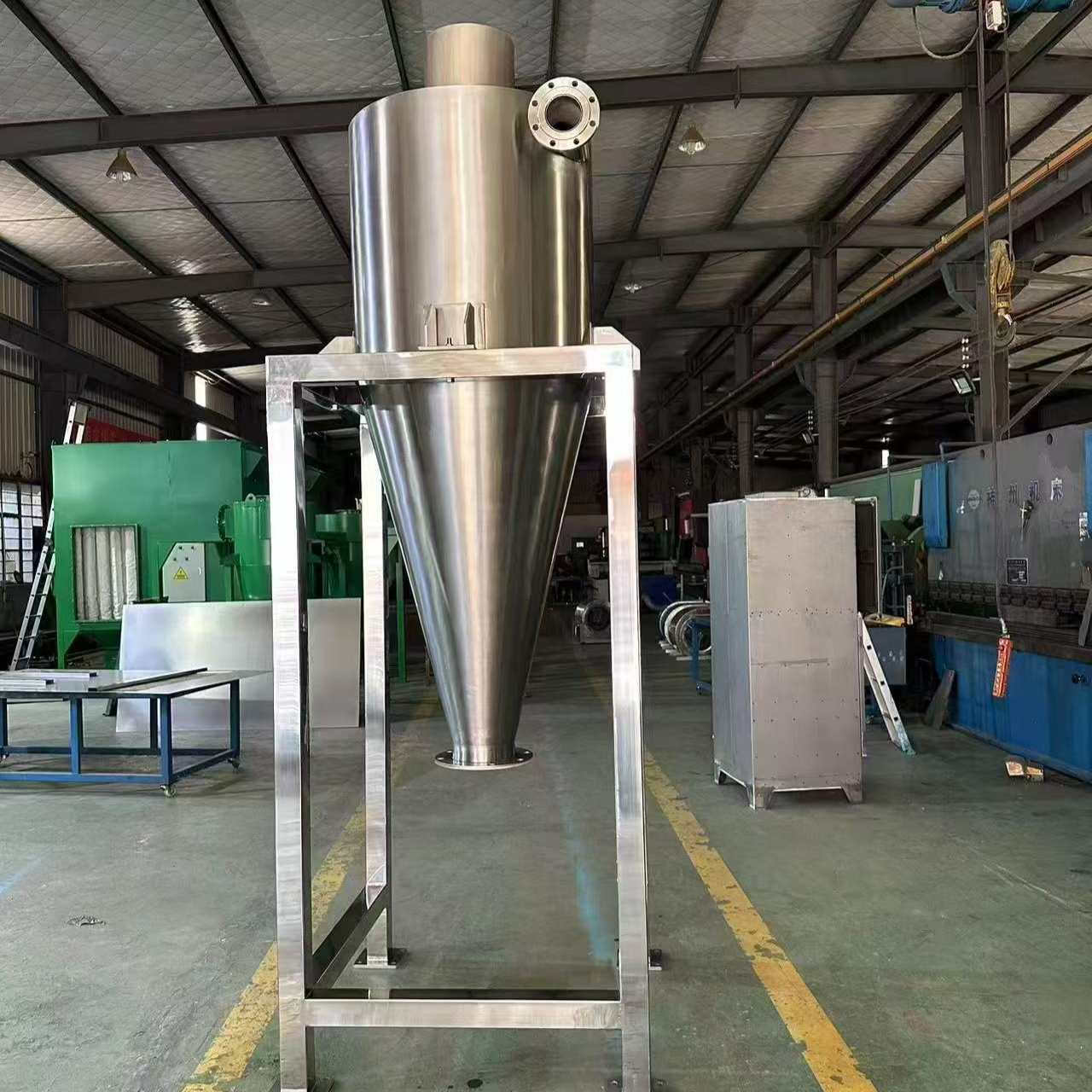
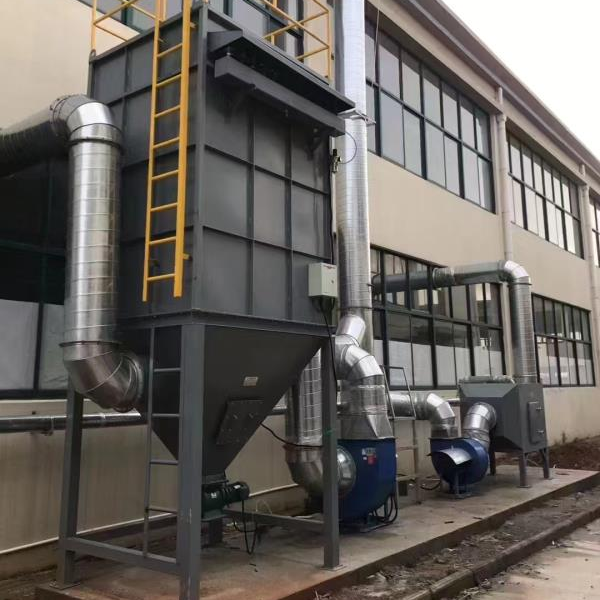
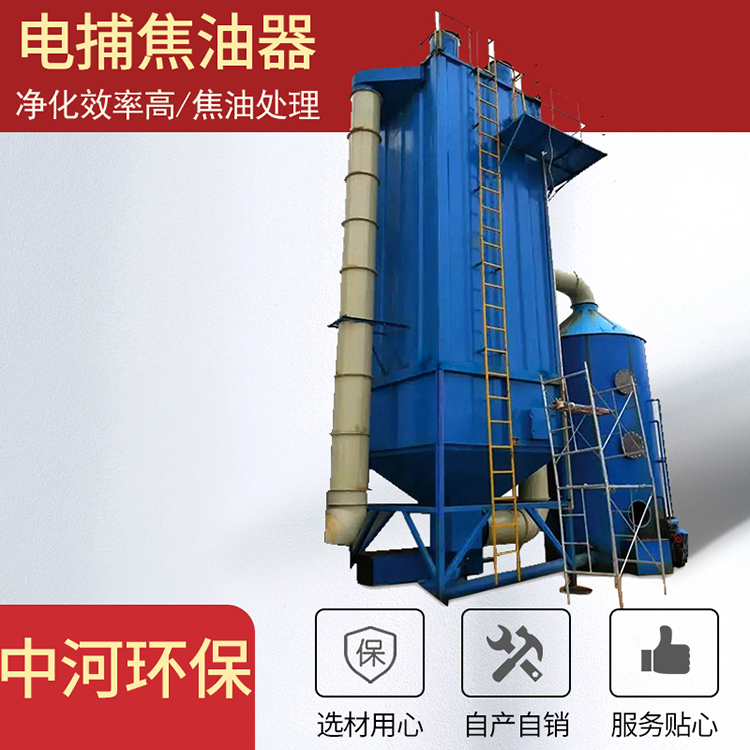
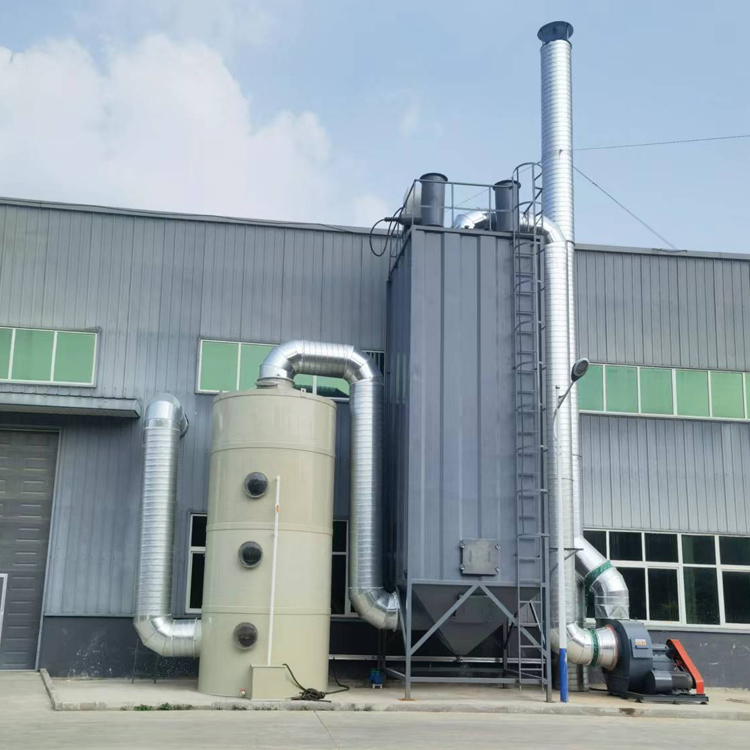
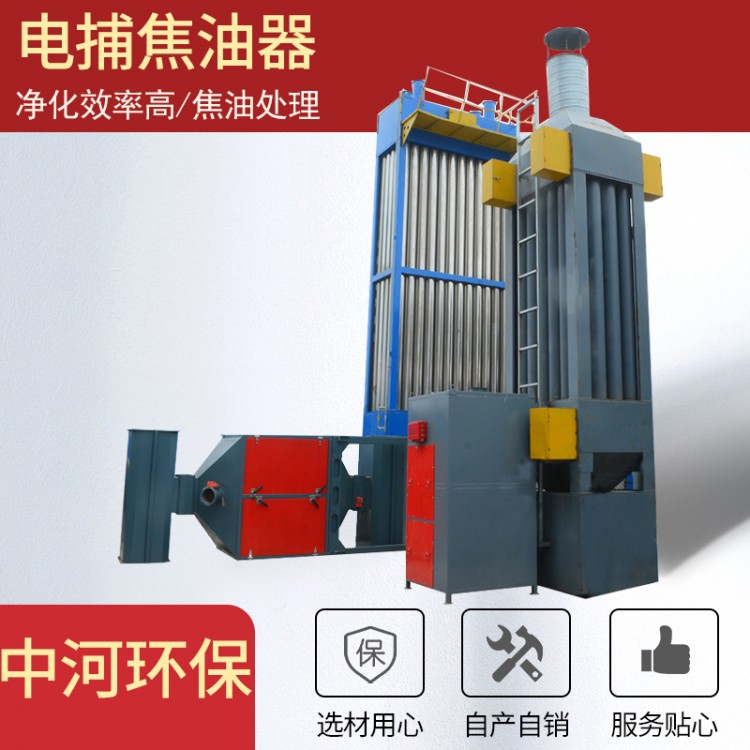
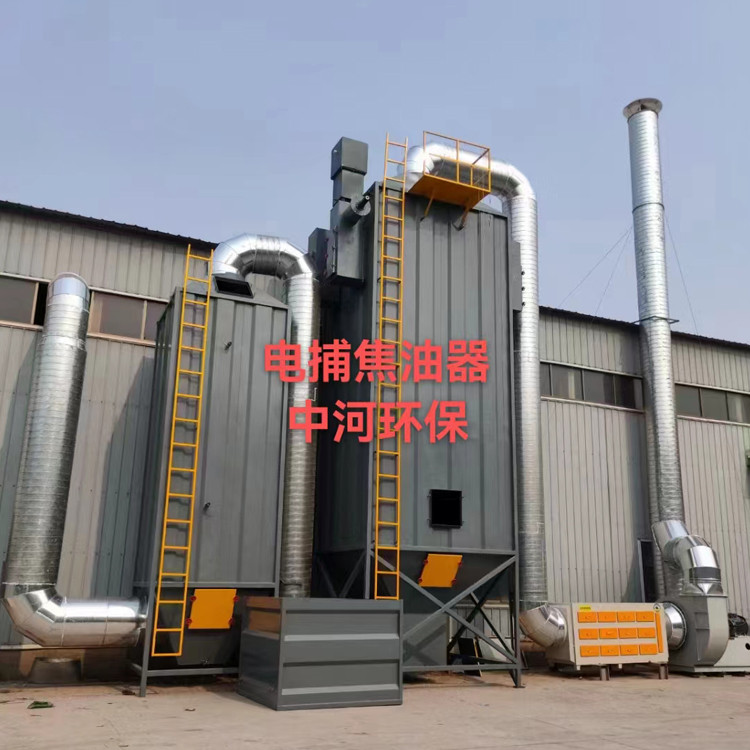
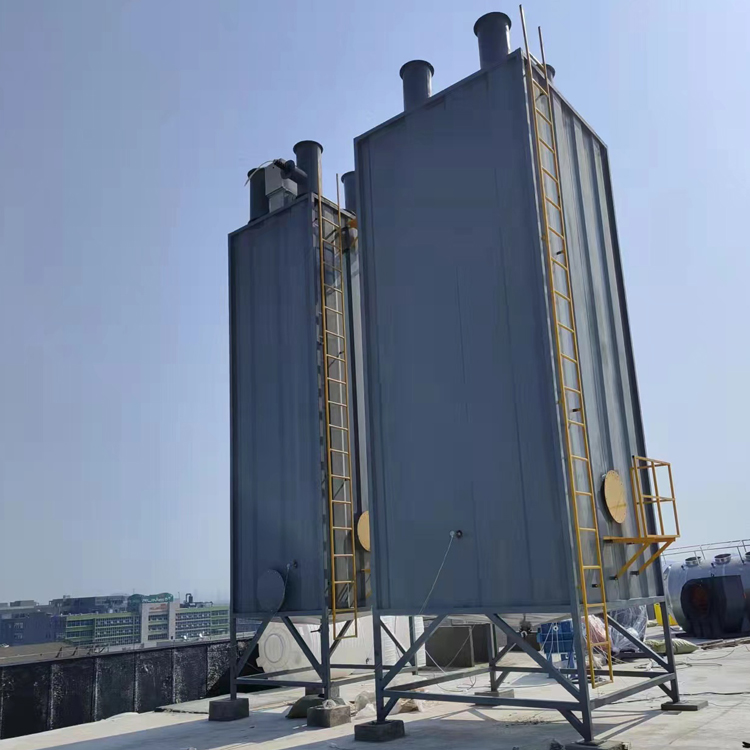
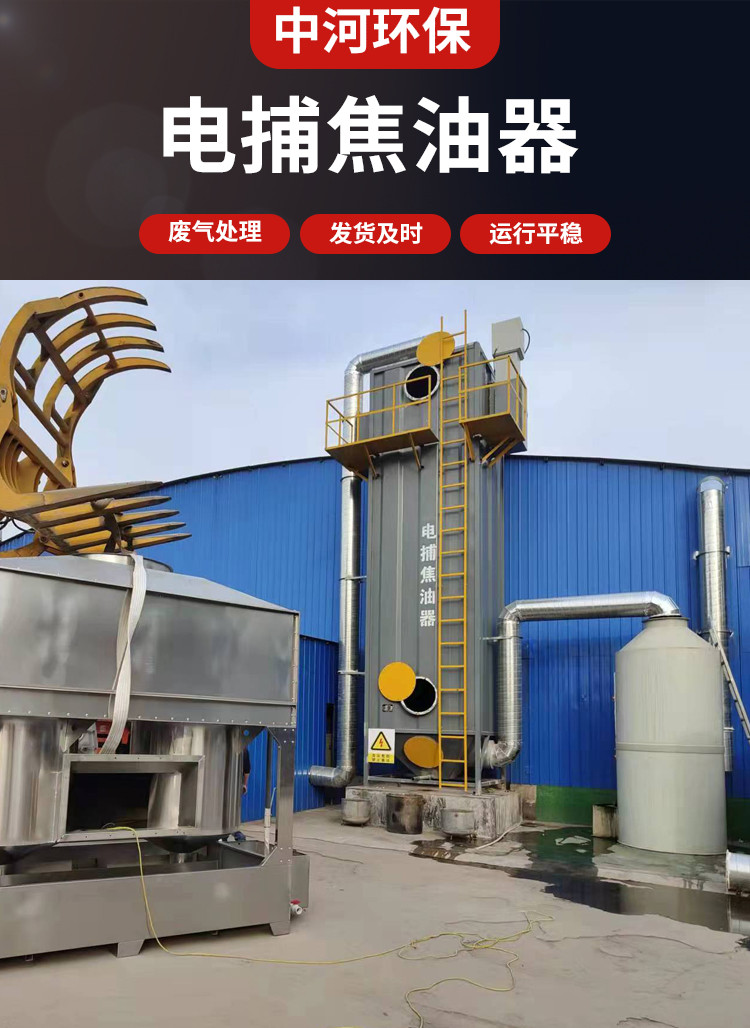
An electric tar trap consists of the main body of the electric tar trap and rectifying equipment to supply high-voltage direct current. Electric tar traps are generally composed of four main parts: the cylinder, sedimentation, corona, and electrical insulation box. Depending on the supply type, coronas can be either negative or positive. In industrial production, negative coronas are mostly used, as they can achieve higher currents under the same conditions, and their flashover voltage is significantly higher than that of positive corona discharge.
An electrostatic tar separator is an initial cooling equipment for coke oven gas that utilizes the effect of a high-voltage DC electric field to separate tar mist droplets from gas. The electrostatic tar separator can be installed before or after the coke oven gas blower. Compared to mechanical tar separators, it offers advantages such as high tar collection efficiency, low pressure drop, and high gas handling capacity. It not only ensures the requirements for gas quality in subsequent processes and improves product recovery rates but also significantly enhances the operating environment.
【Operating Principle】
The gas discharge process in an electric tar remover: Under normal circumstances, gases are non-conductive, but under the influence of a high-voltage electric field, the electrons within the gas gain sufficient energy to become free electrons, thus allowing conduction and this phenomenon is known as spontaneous ionization. The spontaneous ionization of gases occurs in a non-uniform electric field. In a uniform electric field, as the voltage increases, if ionization occurs at any point, the space between the two points will be immediately filled with charged ions, leading to the breakdown of the entire gas space. At this point, the current sharply increases, forming a spark discharge. However, in a non-uniform electric field, the electric field strength rapidly decreases with the increase in distance between the two points.
Name | C-9 | C12 | C-21 | C-25 | C-37 | C-49 | C-61 | C-72 | C-76 | C-97 | C-140 |
Applicable Coal Type | Coal, Anthracite, Coke | ||||||||||
Outer Diameter (mm) | 1280 | 1620 | 1820 | 2020 | 2420 | 2820 | 2860 | 3120 | 3300 | 3820 | 4200 |
Tubular Height (mm) | 6800 | 7400 | 8940 | 9000 | 9000 | 9000 | 9000 | 9000 | 9000 | 9000 | 9000 |
Corona Wire Count (Roots) | 9 | 12 | 21 | 25 | 37 | 49 | 61 | 72 | 76 | 97 | 140 |
Settling Factor (Roots) | 9 | 12 | 21 | 25 | 37 | 49 | 61 | 72 | 76 | 97 | 140 |
Poured Inner Diameter (mm) | 250 | 250 | 250 | 250 | 250 | 250 | 250 | 250 | 250 | 250 | 250 |
Effective Cross-sectional Area (m²) | 0.48 | 0.6 | 1.03 | 1.2 | 1.8 | 2.1 | 2.99 | 3.53 | 3.73 | 4.76 | 6.89 |
Processing Capacity (nm/h) | 1050-1750 | 1375-2290 | 2100-3800 | 3000-5000 | 4300-7050 | 5100-9040 | 6440-12700 | 7600-15000 | 8020-15830 | 10200-17200 | 14800-24700 |
Operating Temperature: °C | 80-110 | ||||||||||
Working Voltage (kV) | 45-60 | ||||||||||