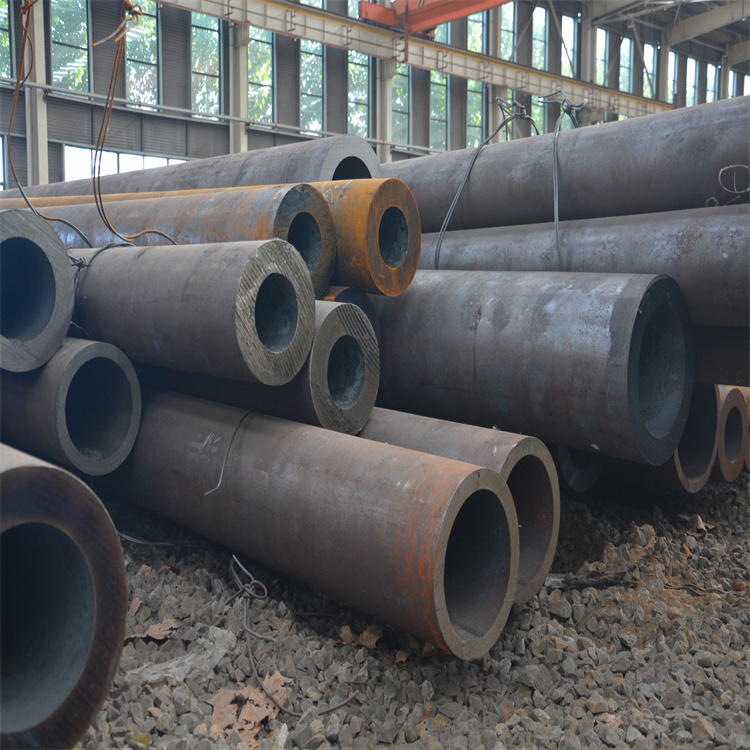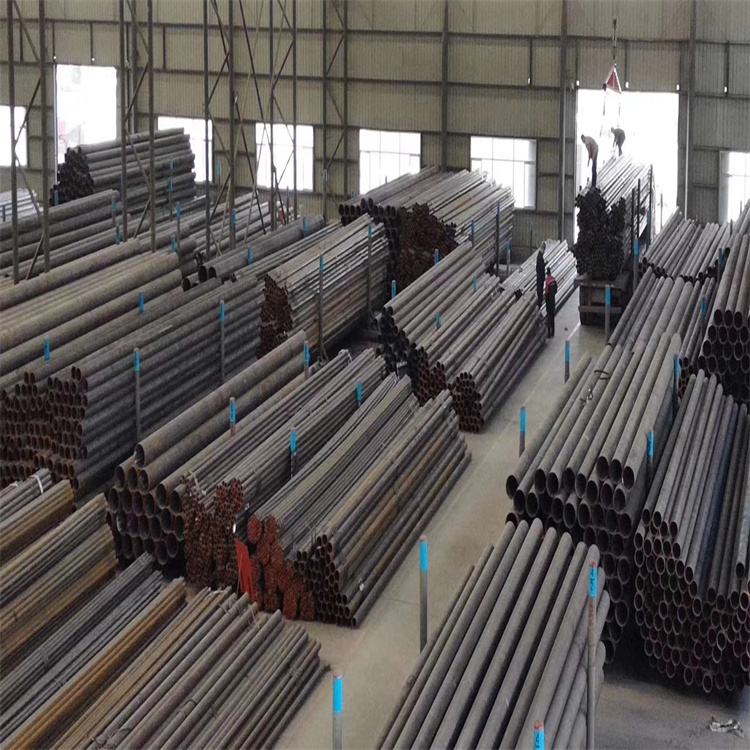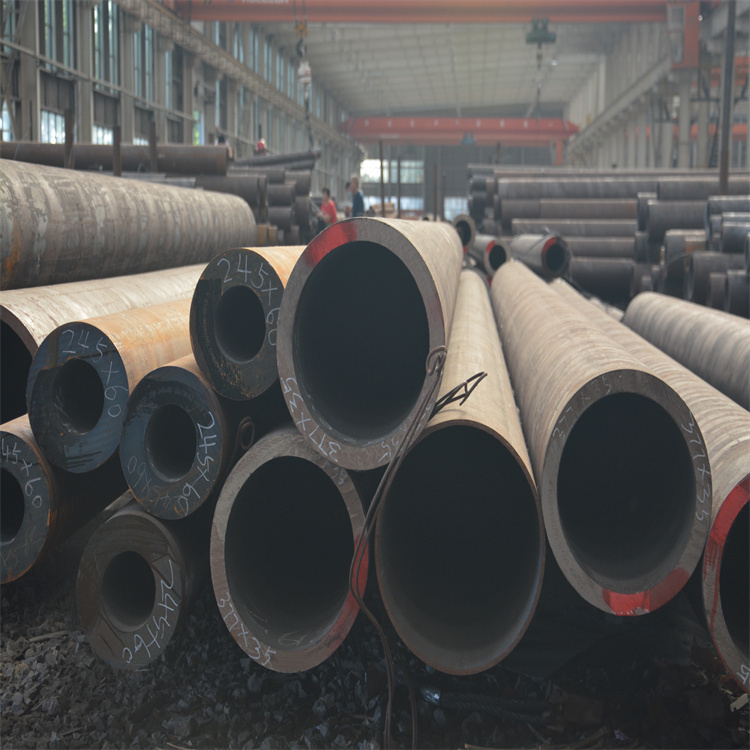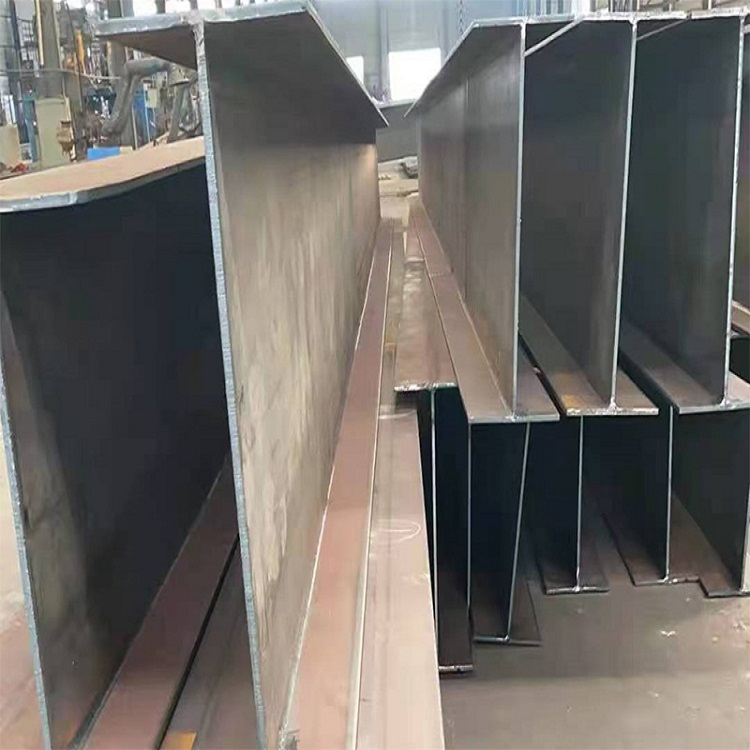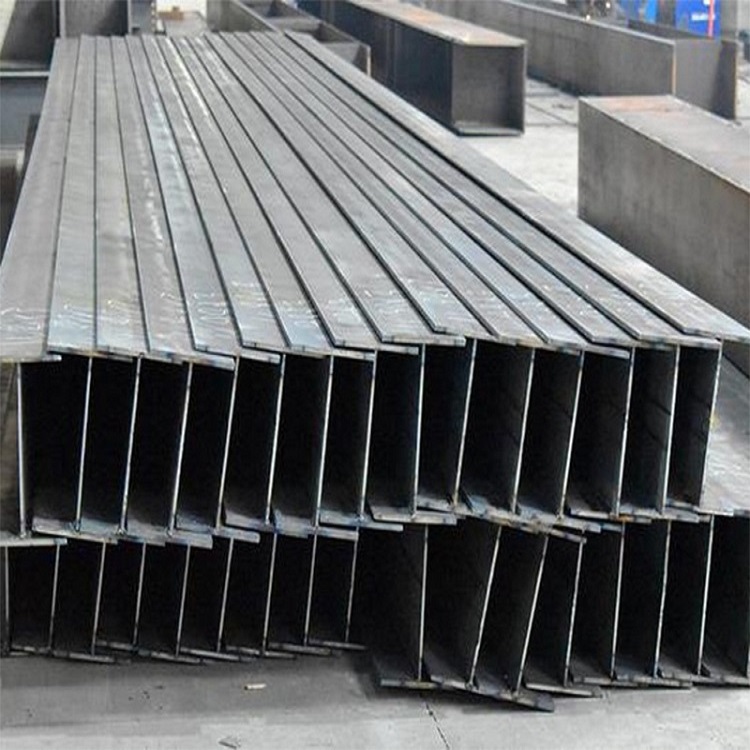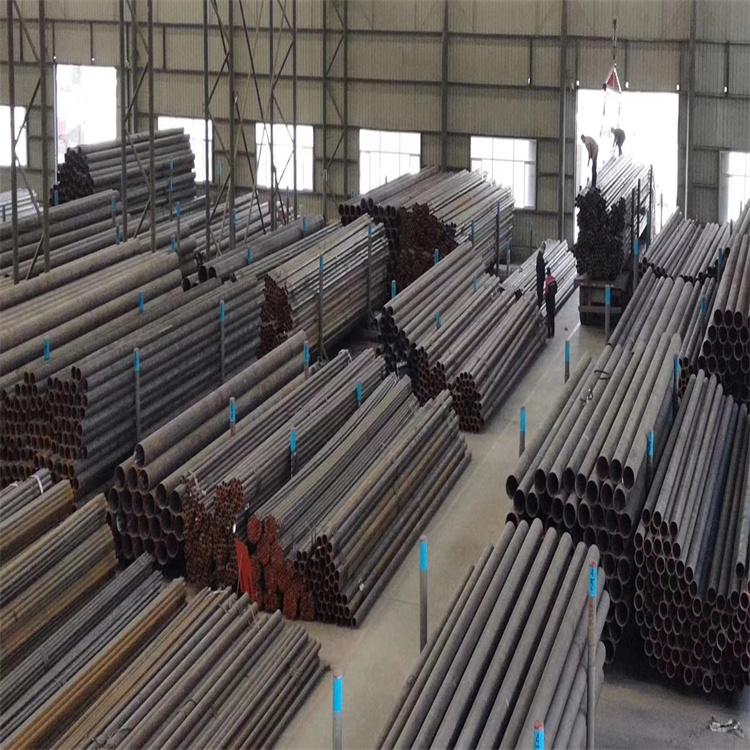
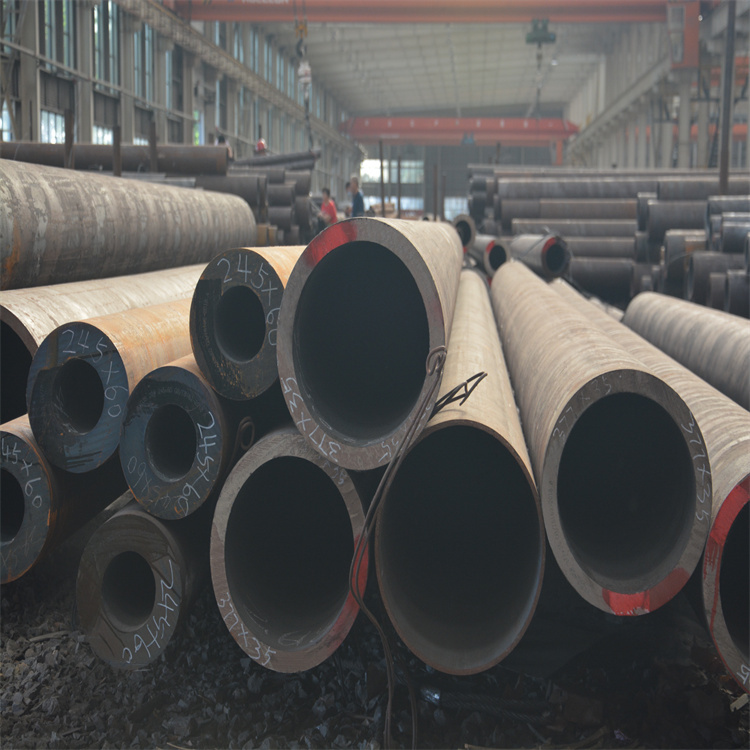













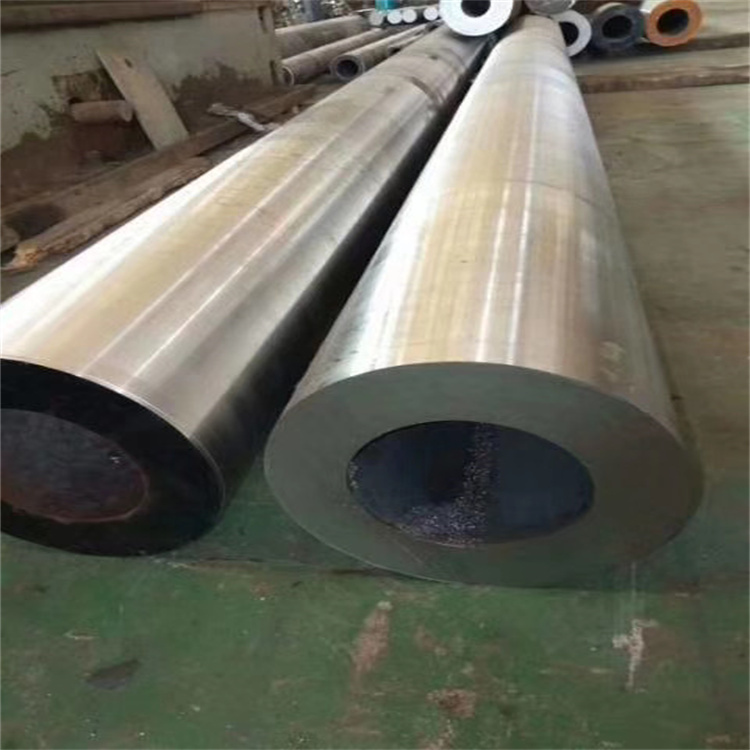
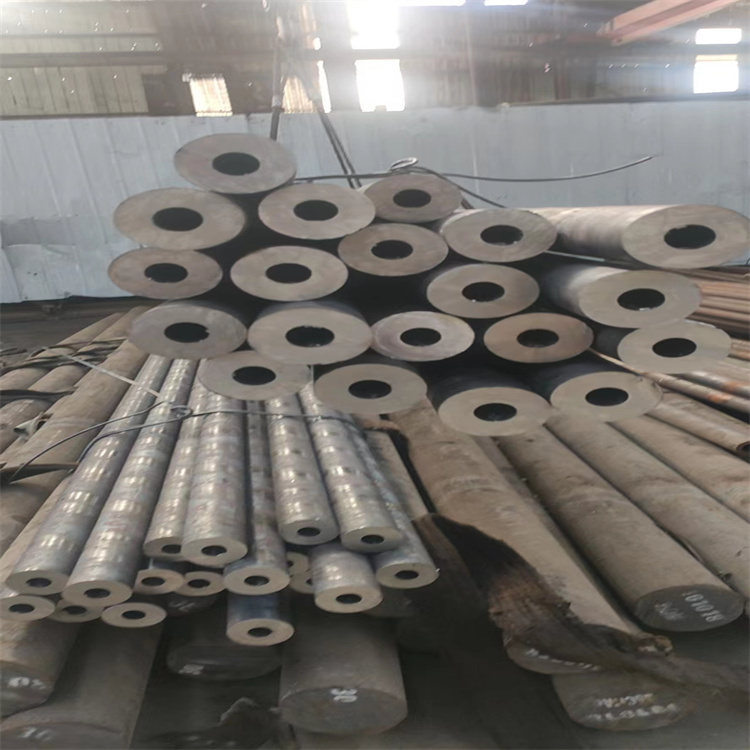
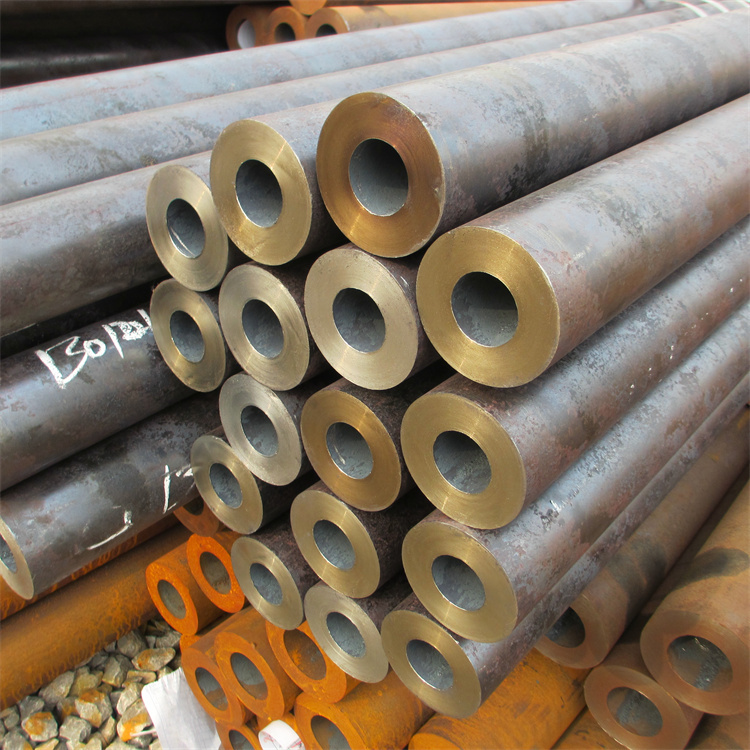
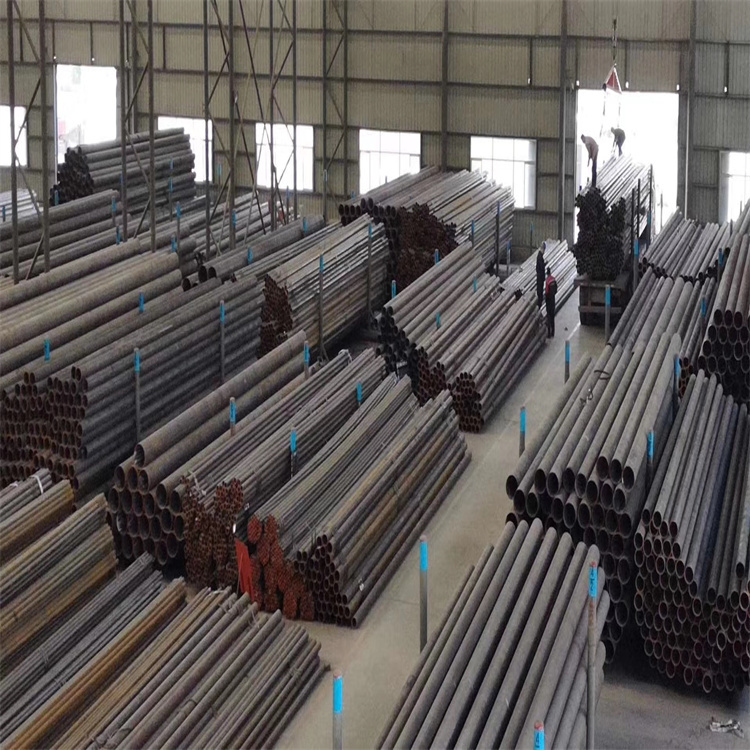
 In accordance with GB2102-88 regulations, steel pipe packaging is categorized into three types: tied, boxed, or oil-coated tied or boxed. Steel pipes are long strips of steel with a hollow cross-section and seamless edges. They feature a hollow cross-section and are extensively used as pipelines for conveying fluids, such as oil, natural gas, coal gas, water, and certain solid materials. Steel pipes are also used in...Round BarCompared to solid steel bars, the hollow steel sections are lighter in weight while maintaining the same bending and torsional strength. They are an economical cross-section steel widely used in the manufacturing of structural components and mechanical parts, such as oil drill pipes, automotive drive shafts, bicycle frames, and steel scaffolding for construction purposes. The use of steel pipes in the production of annular parts can enhance material utilization, simplify manufacturing processes, and save on materials and processing time, as seen in roller bearing shells and jack sleeves, among others. Steel pipes are also an indispensable material for various conventional weapons, etc., all of which require steel pipes for manufacturing. Steel pipes are categorized as follows:Cross-sectional areaShapes can be categorized into round tubes and non-standard tubes. Due to the larger circular area under the same circumference, round tubes can convey more fluid. Additionally, the circular cross-section distributes stress more evenly when subjected to internal or external radial pressure, which is why the majority of steel tubes are round.
WeChat Official Account

Scan to follow Official Account