


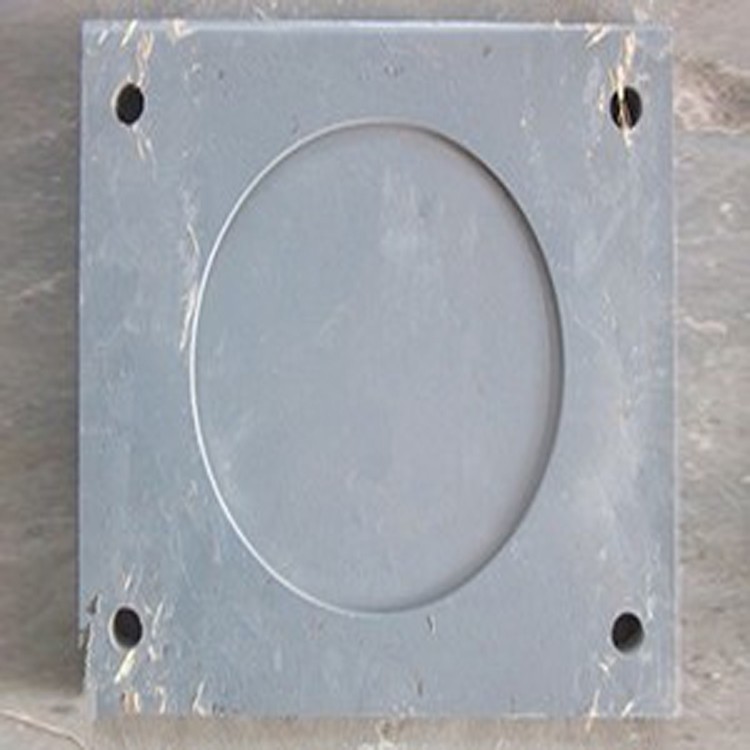












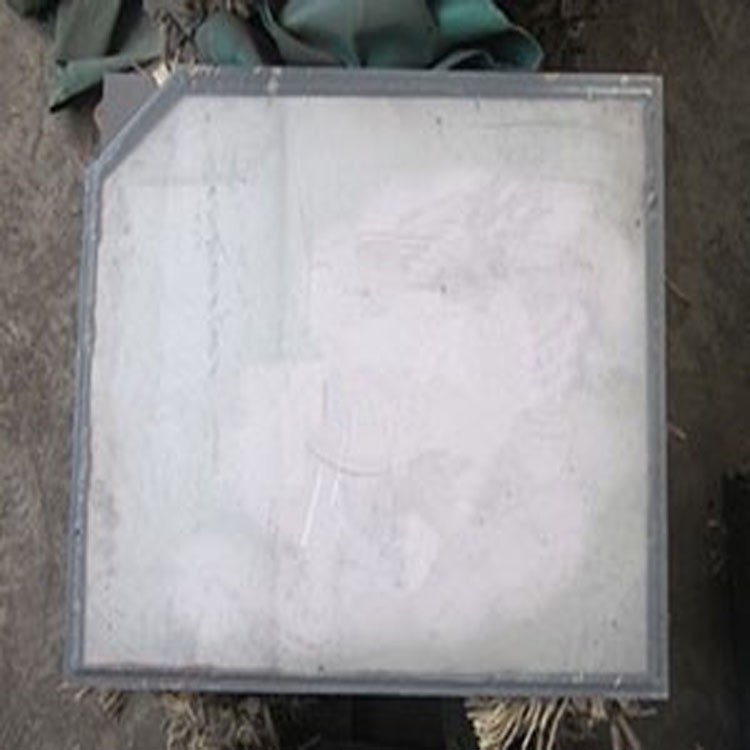
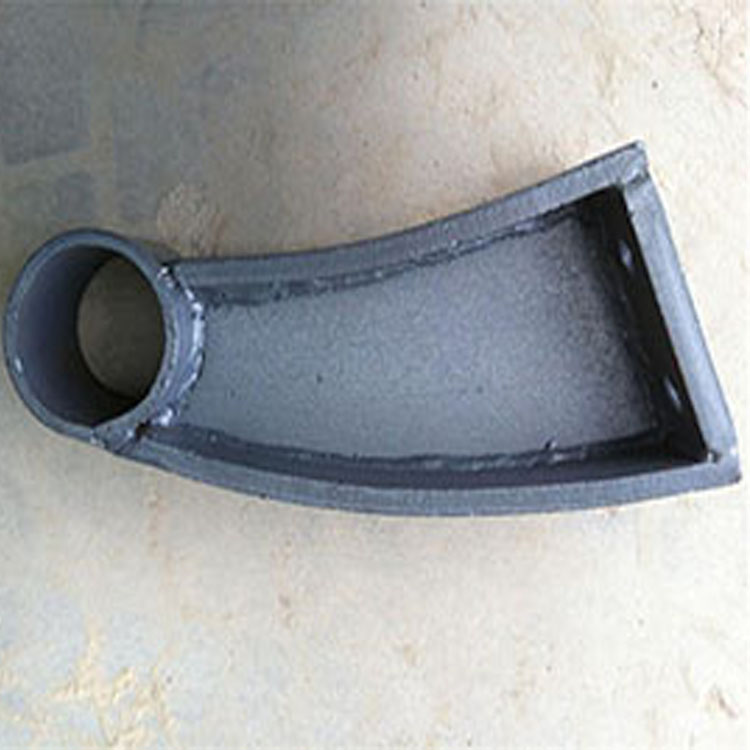

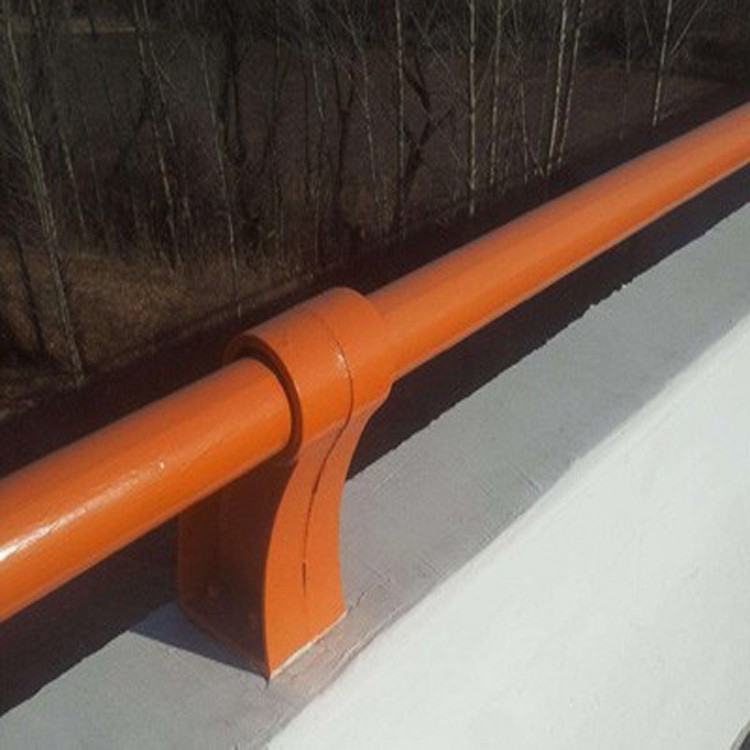

The base plate set is mainly used to ensure even force distribution on the base to prevent shear deformation caused by uneven force distribution, thereby avoiding premature damage to the rubber base. The rubber base base plate, "Highway Bridge Plate Type Rubber Base Specification Series," can also be customized according to customer drawings. The product attributes include plate-type rubber bases, which are commonly used in non-arch bridges on highways. They are divided into standard plate-type rubber bases and PTFE plate-type rubber bases. Standard type bridge bases are suitable for bridges with spans less than 30m and smaller displacement amounts. Different plane shapes are used for different bridge spans: rectangular bases for orthogonal bridges; circular bases for curved bridges, oblique bridges, and cylindrical pier bridges.
For large-displacement bridges with structures such as large spans, multi-span continuous spans, simply supported continuous beams, etc., the PTFE plate rubber supports are suitable. They can also be used as sliders in the top thrust of continuous beams and the transverse movement of T-beams. The rectangular and circular PTFE plate rubber supports have the same functional applications as the rectangular and circular ordinary plate rubber supports. Plate rubber supports have isotropic horizontal shearing, enabling good transmission of deformation of the upper structure. Their advantages are particularly prominent in the use of curved or inclined bridges. In addition to the common functions of supports, this product can adjust the position of the force center through the spherical surface rubber layer when the end force of the beam is applied, gradually distributing the force to the steel plate and rubber layer of the circular plate rubber support, ensuring even support force distribution. It is particularly suitable for oblique intersection bridges, interchanges, and slope bridges. Due to the unique characteristics of the plate rubber support itself, it has sufficient vertical stiffness to meet large vertical loads and good elasticity to adapt to the rotation at the beam ends. It also has a large shear deformation to accommodate the horizontal displacement of the upper structure; and it provides excellent seismic resistance, reducing the impact of dynamic loads on the upper structure and pier.
During the construction of highway bridges, in addition to installing expansion joints, rubber supports for highway bridges, and rubber waterstop strips, rubber supports are also required for even distribution of forces to prevent shearing deformation. There are matching steel plates for the rubber supports above and below the bridge, which are used for constructing railway bridges, highway bridges, and cross-sea bridges, etc. These steel plates must have high strength and toughness, as well as the ability to withstand loads and impacts from railway vehicles. They should also exhibit good fatigue resistance, certain low-temperature toughness, and resistance to atmospheric corrosion. The gap between the supports and the bedding stones must be filled with epoxy resin mortar to ensure both compactness and equal strength. After the supports are installed, connect the pre-buried steel plate at the bottom of the beam to the top steel plate of the support using bolts.

















