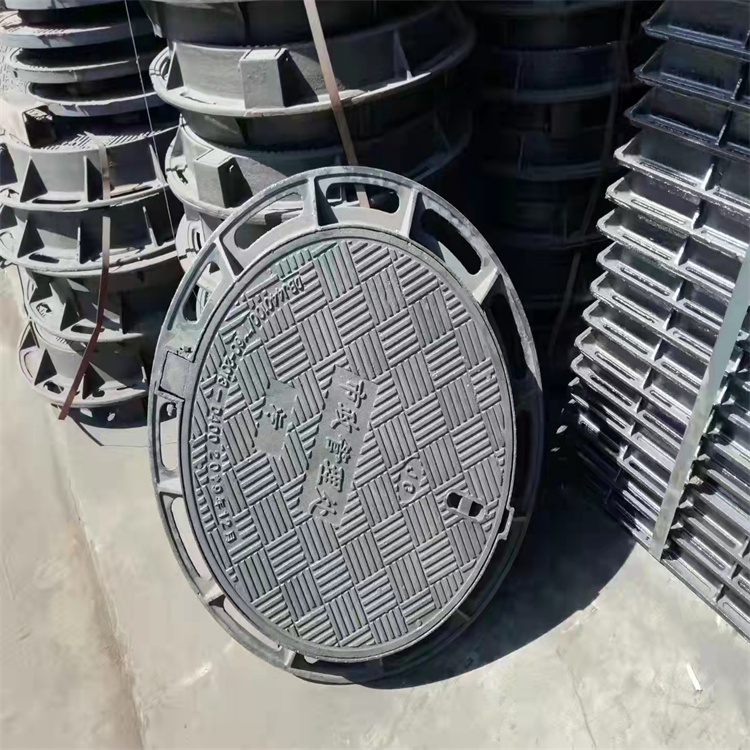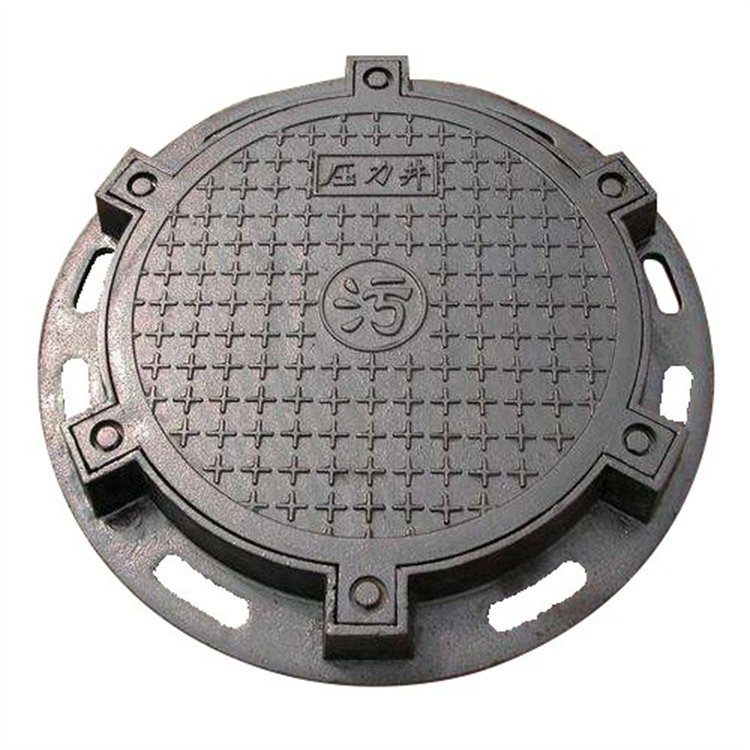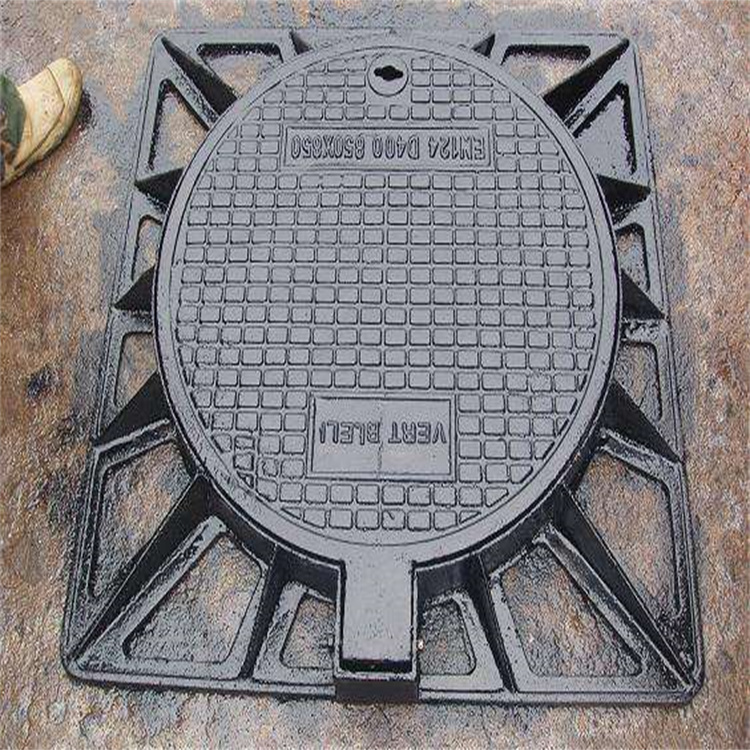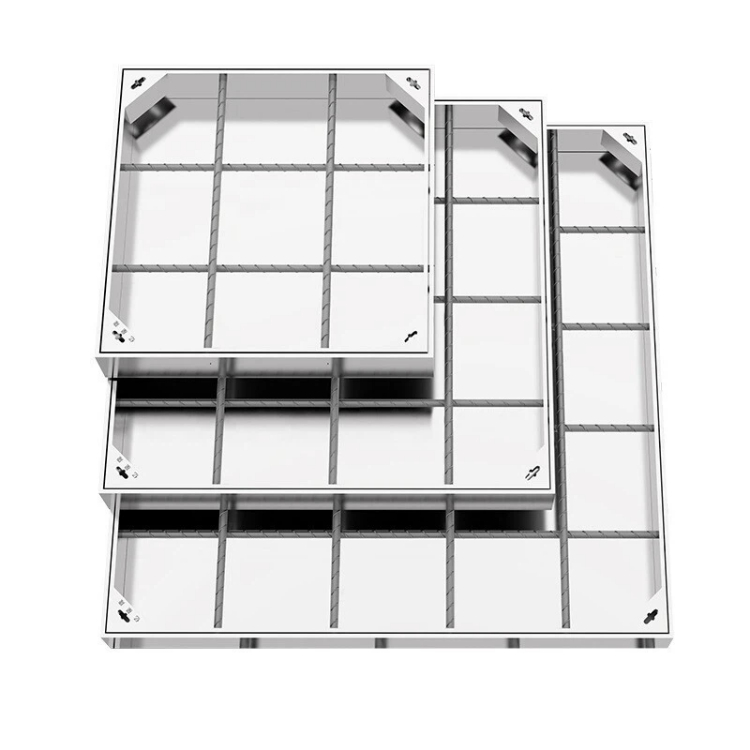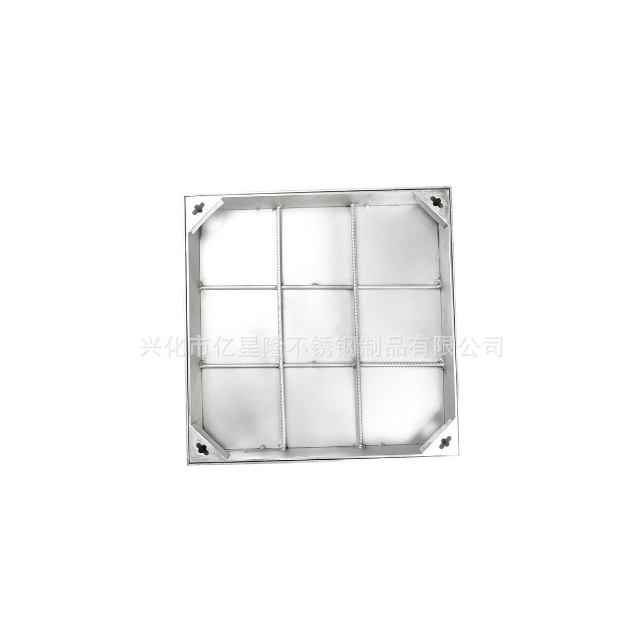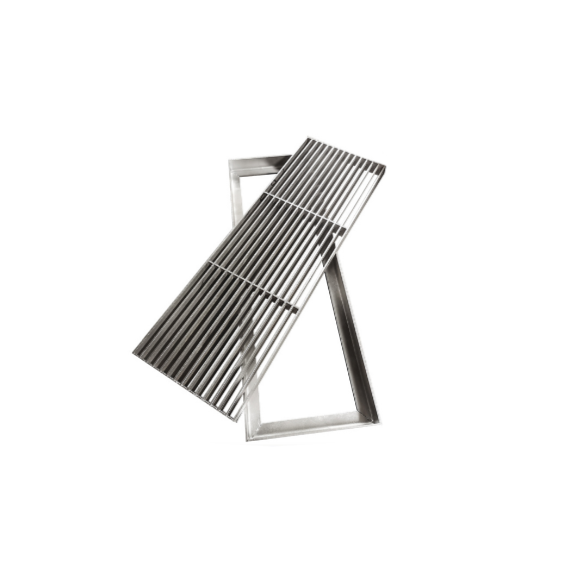





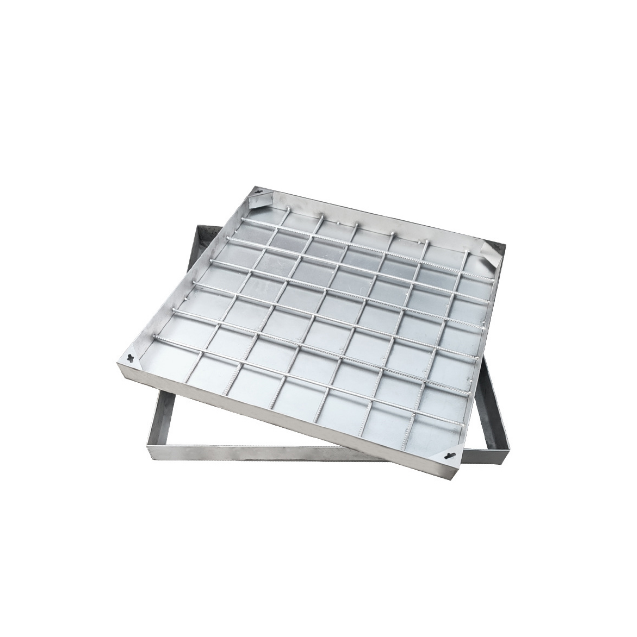
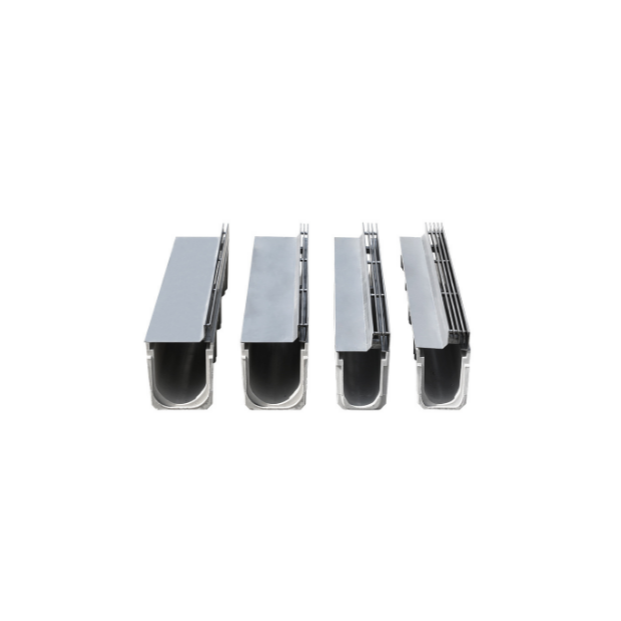
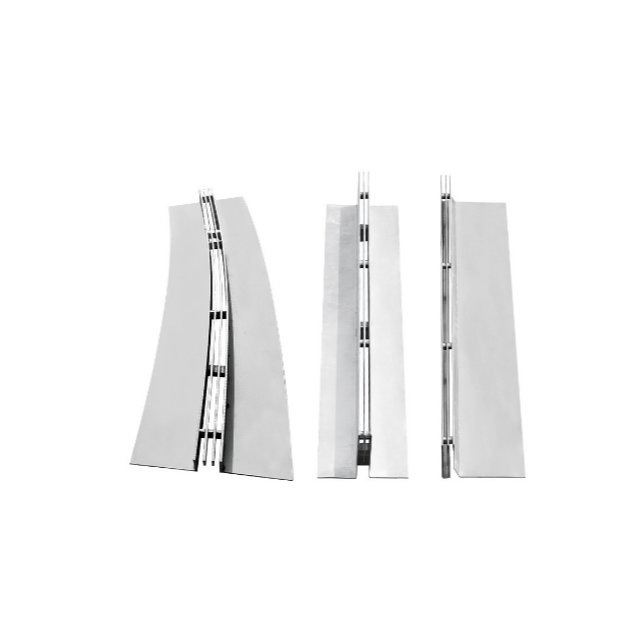





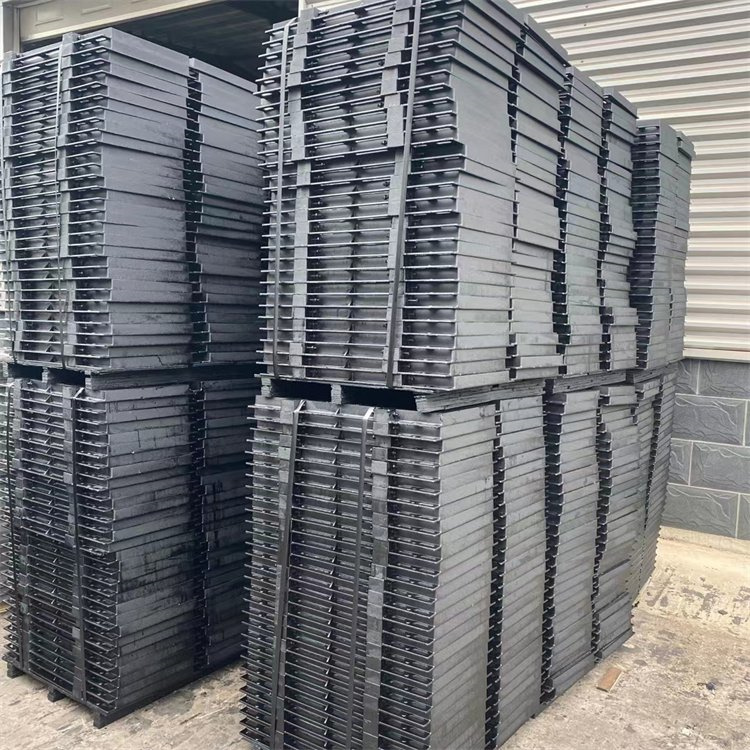
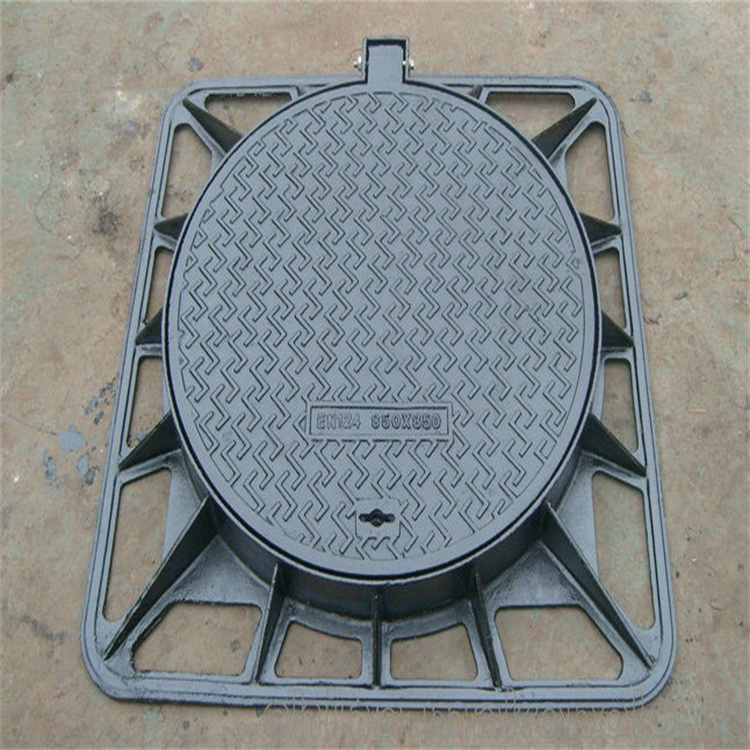

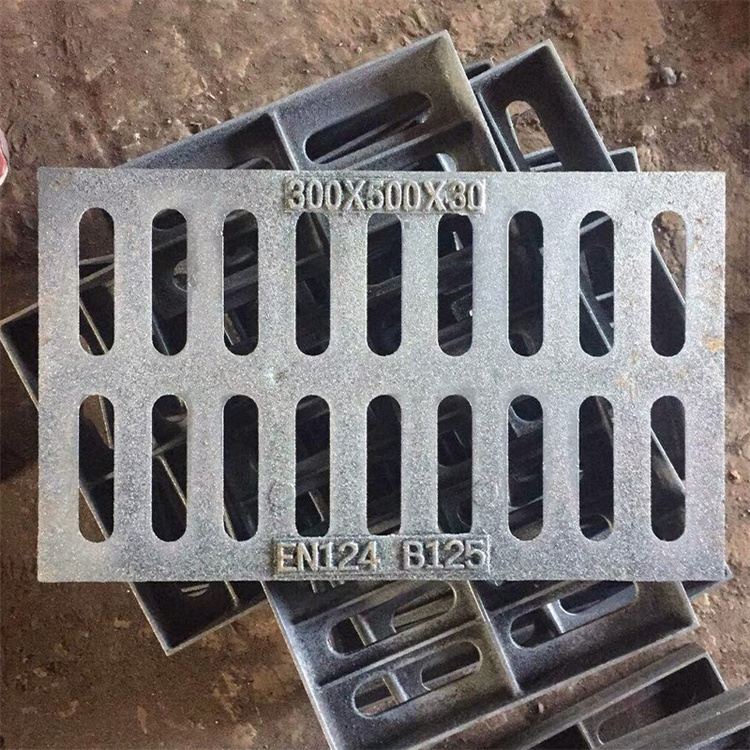
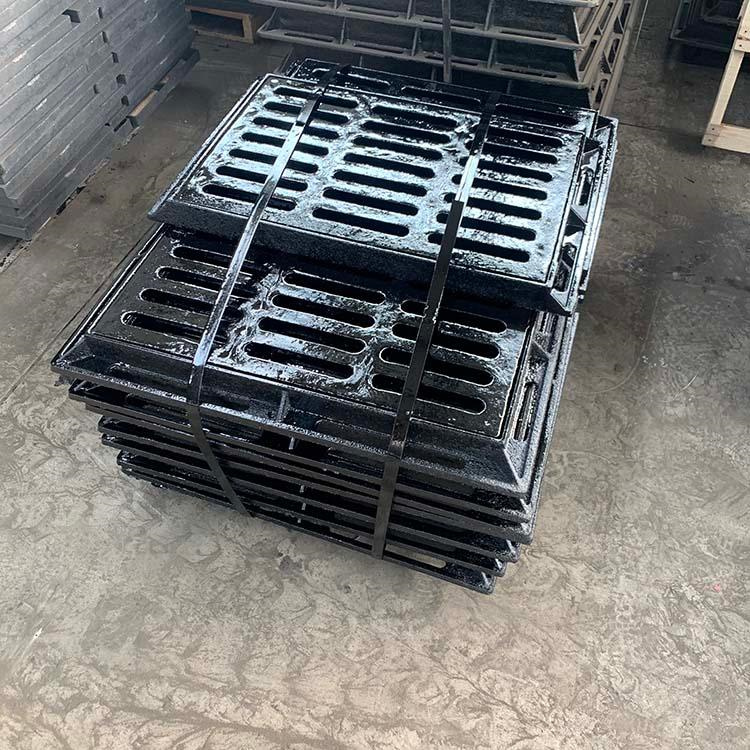
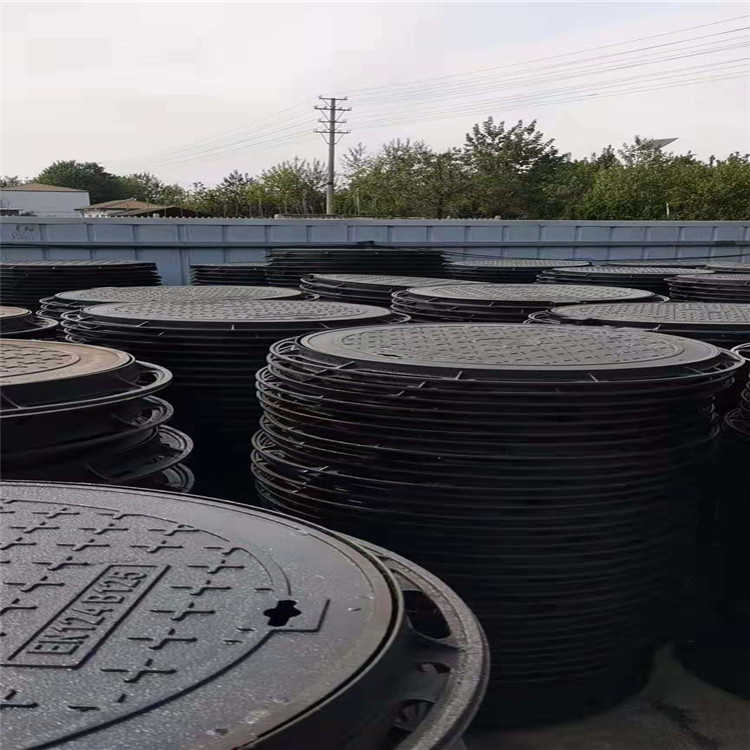
 Nowadays, manholes are ubiquitous. Car owners who frequently hit the road must have noticed that their tires often run over manholes. This is also an invisible harm to the tires. Many owners avoid this "harm" by steering clear of manholes, but many cars still end up in trouble. But why are manholes exactly placed where tires are likely to pass over? Let me explain that below.
1. The city's drainage system has been on a large scale for decades, carrying a certain historical background. In the past, the locations and numbers of manholes were fixed, all placed in inconspicuous spots. With the widening of roads and the economic development, many previously unnoticed manholes have now emerged. This is why it has caused inconvenience for drivers.
2. Urban road designs typically feature a higher center and lower sides. However, manholes are strategically placed on the sides of the road, which facilitates drainage and prevents water accumulation. During vehicle travel, drivers tend to stay near the edges, often rolling over the manholes.
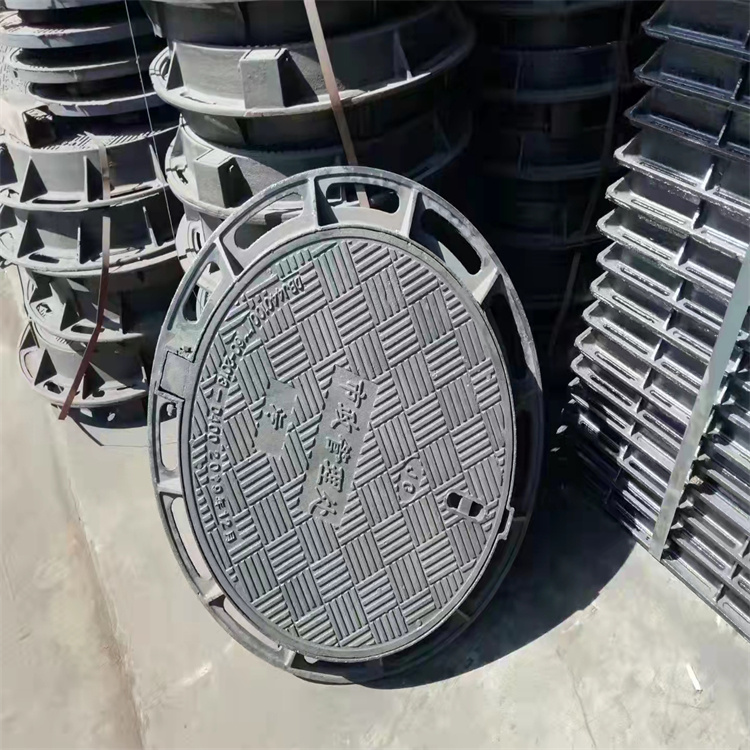
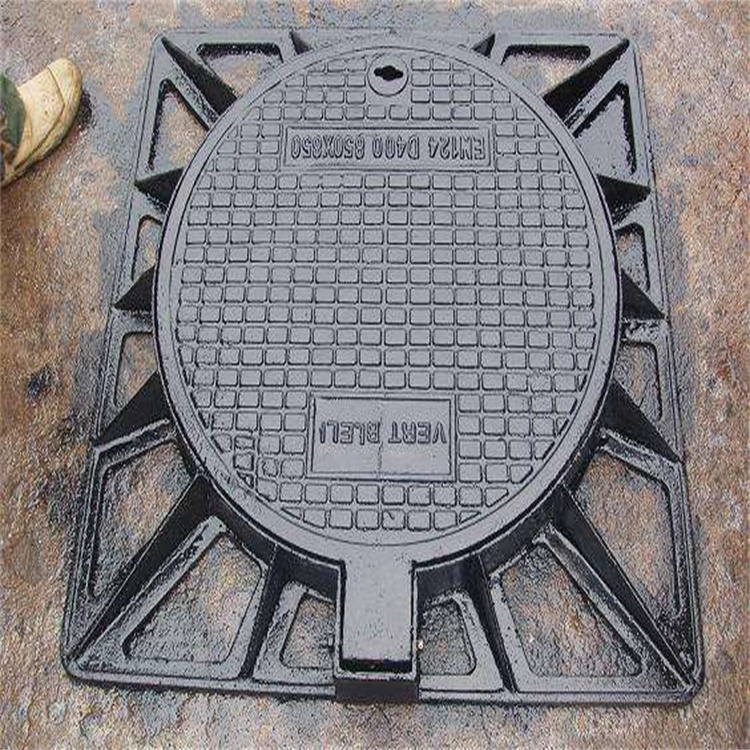
3. Another issue is the size of the manholes. Generally, manholes are set quite large, some as large as one meter, with even larger settings. However, our vehicle models are typically around two meters, so the likelihood of wheels rolling over them while driving is higher. To avoid this, you would need to move your vehicle to the left or right, which leads some owners to believe it's intentionally designed that way.
Not all manholes are in perfect condition. On some poorly constructed roads, it's common to see uneven manholes. The gap between the manhole and the road surface can be significant, and in some cases, there isn't even a manhole. If drivers accidentally run over them, it can damage their vehicles and pose a serious risk.