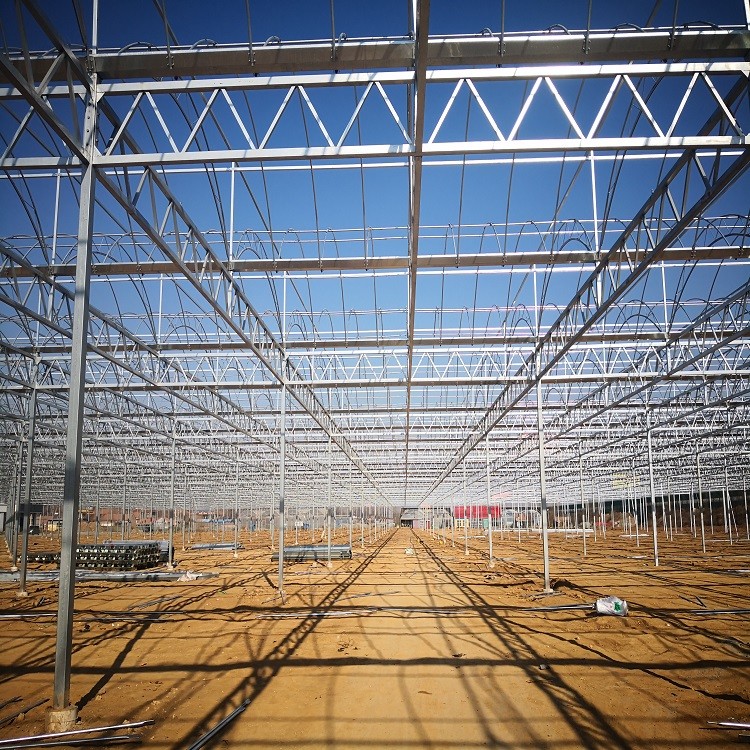
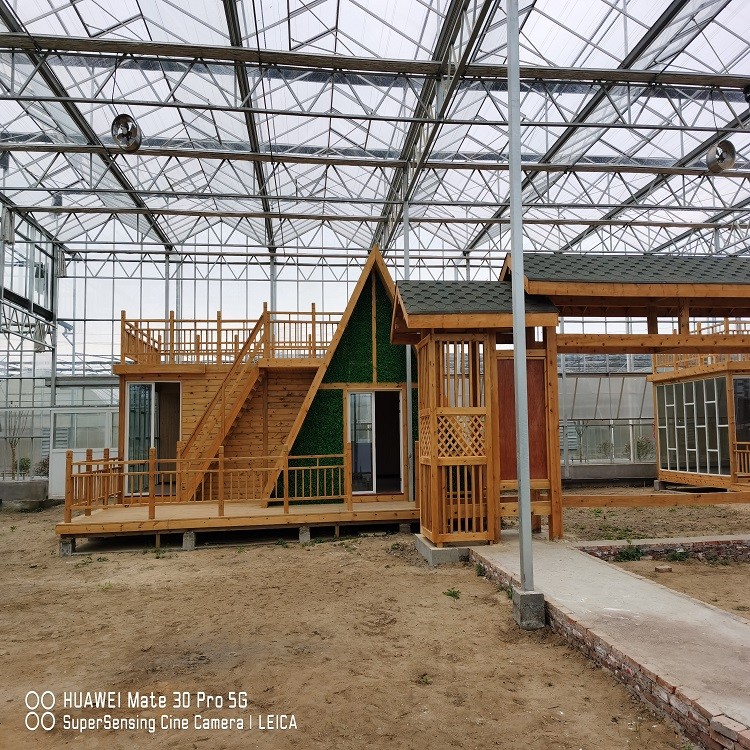
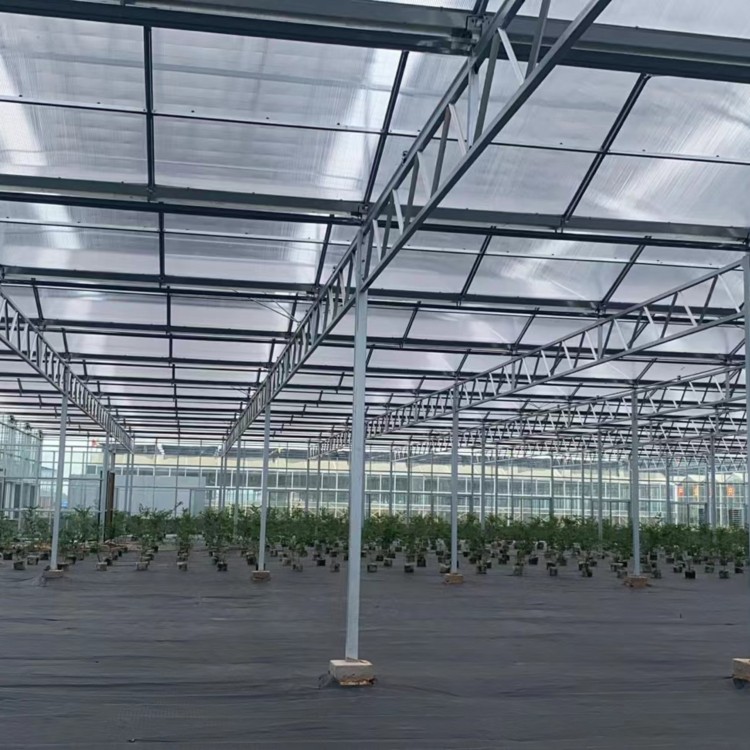
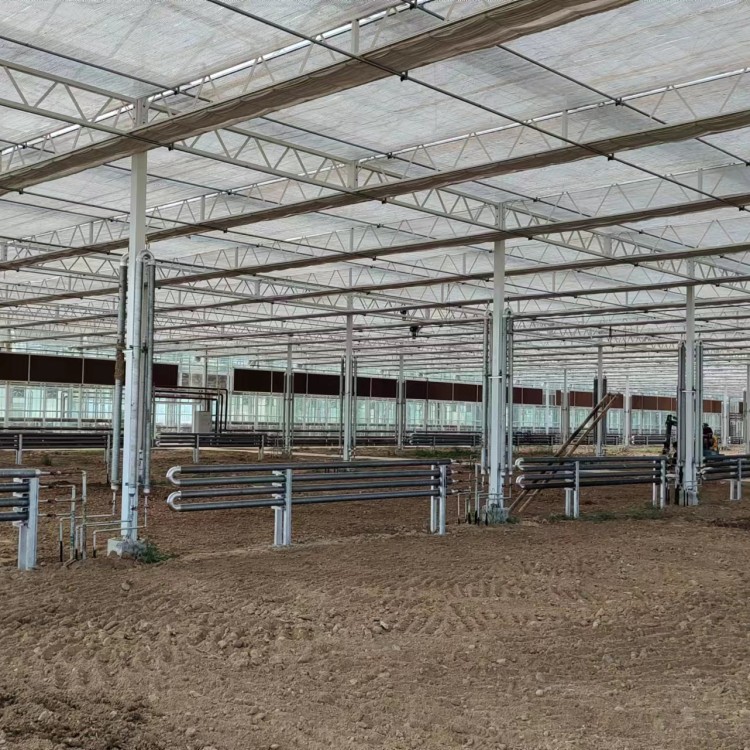
Currently, the most commonly used steel materials for greenhouse frame structures are square tubes, round tubes, and composite beams. Square tubes: Generally used for the columns of greenhouses, with common sizes being 150*150, 120*120*100*100, 50*100, or larger; smaller square tubes like 50*50 are used for greenhouse cross beams. Round tubes: In greenhouses, round tubes are primarily used for the drive rods on the sunshade systems for both external shading and internal insulation of the greenhouse.
Purlins, maintenance beams, and king post struts for greenhouse structures, among other primary manufacturing processes, are custom hot-dipped galvanized square tubes, cut to drawing dimensions and perforated. The round tubes for the drive system are subjected to locking processes.
The processing technology for greenhouse truss beams involves welding black pipes, typically consisting of upper and lower square tubes, diagonal bracing in the middle, and vertical supports in the center.
The amount of galvanizing on steel pipes affects their corrosion resistance and lifespan. More galvanizing generally results in better protection and a longer lifespan. Typically, steel pipes of average quality can last at least 10 years under normal use, while high-quality pipes from reputable brands usually last 15 to 20 years. Well-maintained pipes with substantial galvanizing can even reach a lifespan of up to 30 years.