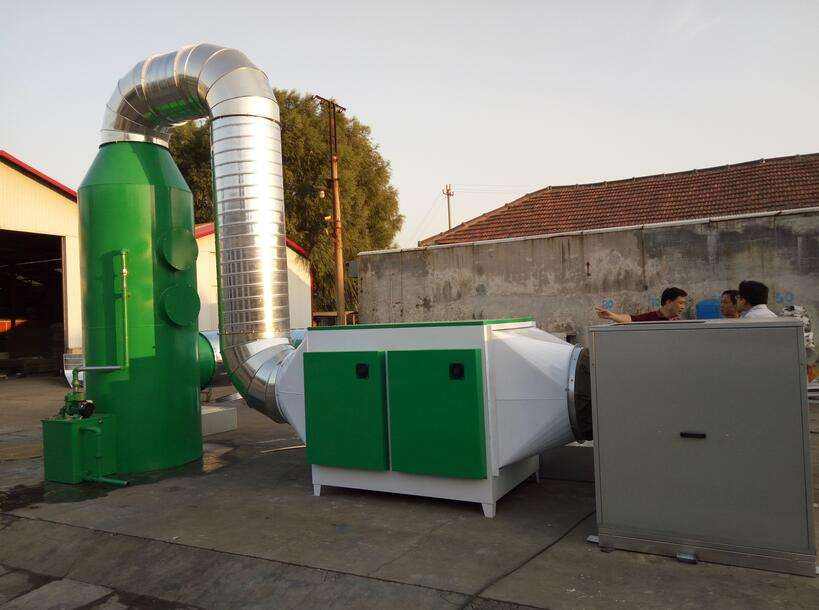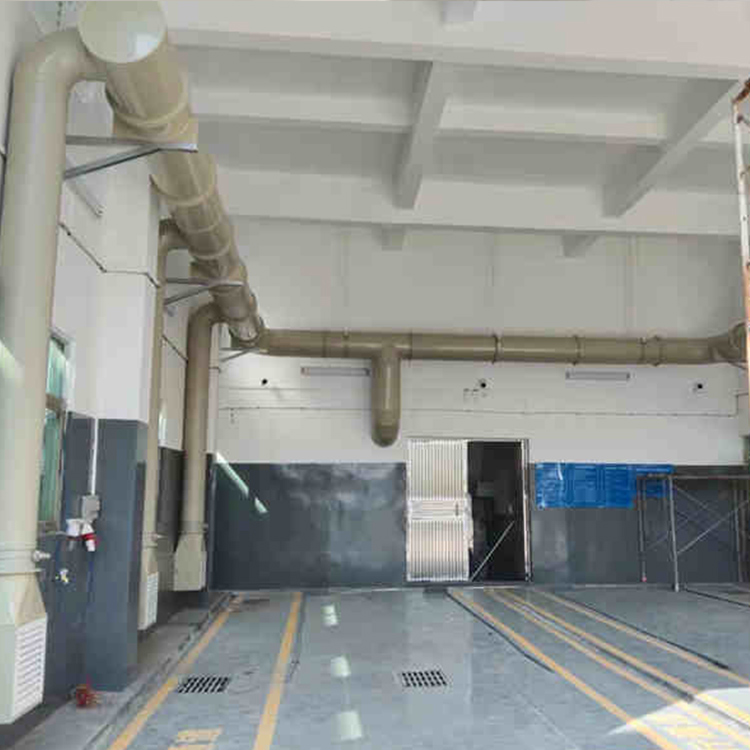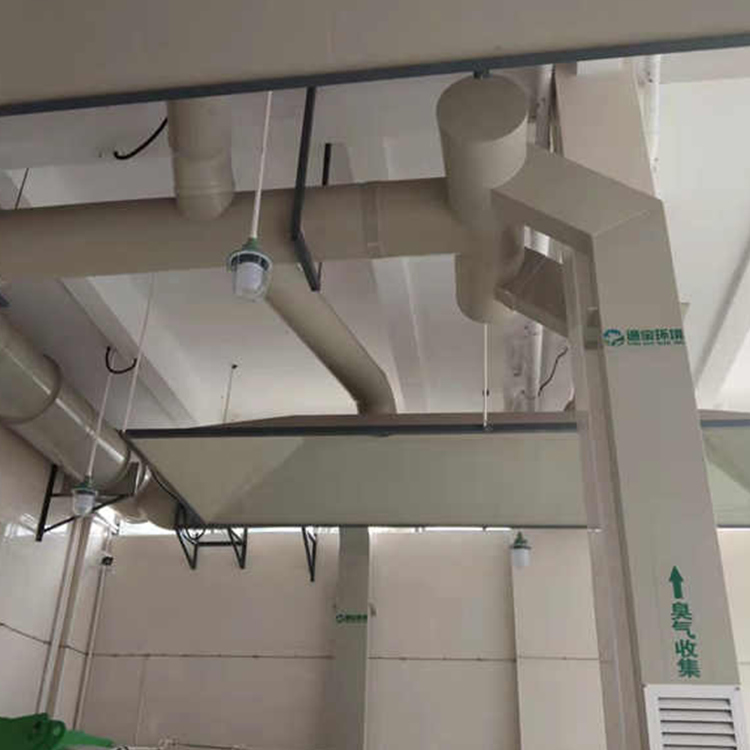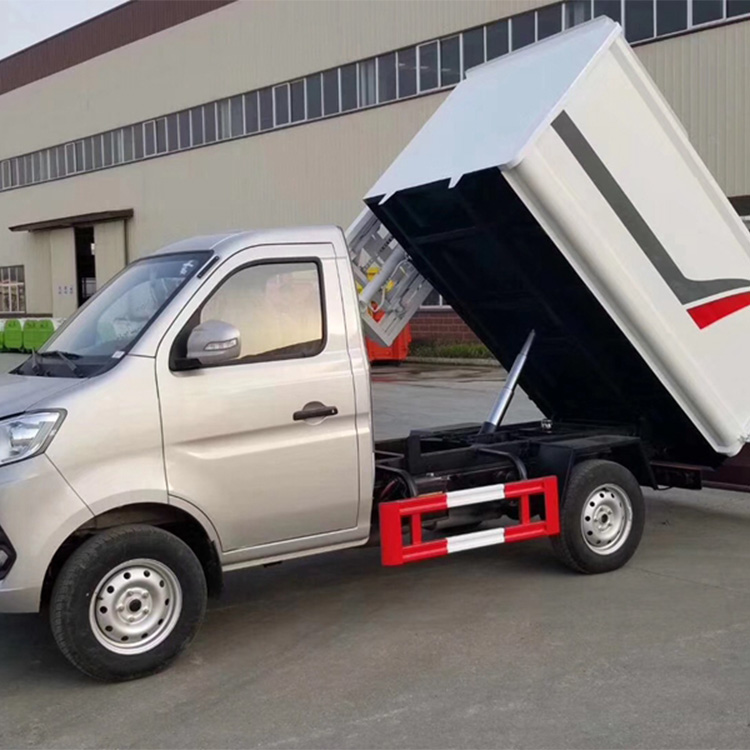








The garbage transfer station is a key site for centralized collection and disposal of urban household waste, which plays a particularly important role in the entire process of urban household waste transportation. However, due to the odor of volatile organic compounds such as nitrogen dioxide, methyl mercaptan, and methyl sulfide generated during the collection, deposition, and transportation of waste, the transfer station is crucial. Not only does it pollute the natural environment inside the garbage transfer station and harm the physical and mental health of the workers, but it also poses a threat to the surrounding natural environment and residents. We need to choose a suitable deodorization equipment for the garbage transfer station.
One Deodorization methods for garbage transfer stations
The main components of the odor in garbage transfer stations are volatile organic compounds such as nitrogen dioxide, methyl mercaptan, and methyl sulfide. For the deodorization method of garbage transfer stations, Tongbao Environmental Protection recommends using plant liquid spraying+negative pressure collection method, which is currently a relatively independent and innovative deodorization method for garbage transfer stations.
2、 Advantages of UV photocatalytic purifier
(1) Effective odor removal: It can effectively remove key air pollutants such as volatile organic compounds (VOCs), inorganic compounds, aldehydes, and various putrid odors. The effectiveness of plant liquid spraying and negative pressure collection can reach over 98%, and the actual effect meets the environmental protection standard for odorous air pollutants (GB14554-93) implemented in 1993.
(2) No need to add any chemicals: only the relative exhaust system pipeline and exhaust system driving force need to be set, so that the foul odor vapor can be sprayed and dissolved by the plant liquid according to the machine equipment for cleaning, without adding any chemicals to participate in chemical changes.
(3) Strong adaptability: It can integrate plant liquid with high concentration, air volume, and different odorous vapor chemical substances for cleaning, and can work continuously 24 hours a day with stable and reliable operation.
(4) Operation: This machine equipment has no mechanical equipment posture, low noise, no need for dedicated personnel management methods and regular maintenance, only requires regular maintenance. This machine equipment has low energy consumption (only about 0.1 kWh of electricity is consumed for every 1000 cubic meters/hour solved), and the air resistance of the machine equipment is extremely less than 30pa, which can save a lot of energy consumption in the driving force of the exhaust system.
(5) No need for preparatory treatment: Odorous vapor does not require preparatory treatment, such as heating, humidification, etc. During the operation of machinery and equipment, the working temperature is between -30 ° C and 95 ° C, and the environmental humidity is between 40% and 98%, all of which can work normally.
(6) The machine equipment occupies a small area and is lightweight: suitable for compact layouts, narrow spaces, and other standards. The machine equipment occupies less than 1 square meter and can provide an exhaust volume of 10000M3/h.
(7) Imported raw material production and manufacturing: high fire and corrosion resistance, stable characteristics, and long service life.
(8) New technology for environmental protection: Adopting the core concept of independent innovation in environmental protection technology, based on the long-term experiments of our enterprise's engineering project technicians, we have developed and designed a new technology environmental protection purification equipment with independent rights. It can dissolve harmful substances in odorous vapors and achieve reasonable plant liquid spraying effects. After dissolution, the odorous vapors can be treated harmlessly and discharged without causing secondary pollution. In addition, it can achieve effective sterilization and disinfection effects.
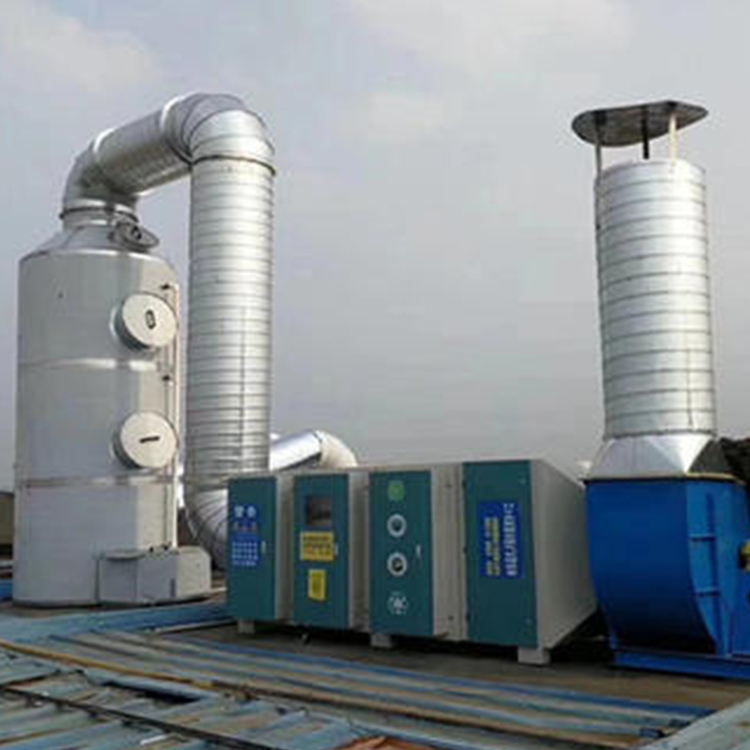
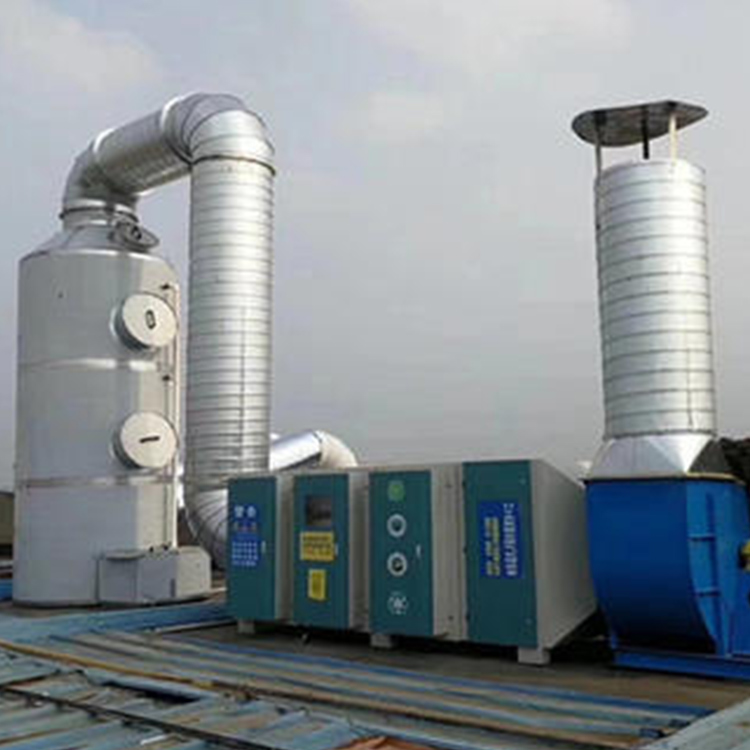
3、 Deodorization equipment for garbage transfer station - UV photocatalytic purifier
By using a UV photocatalytic purifier to emit specially made high-energy UV light directly onto odorous gases, the molecular structure chain structure of odorous gases such as amines, methylthiohydride, methyl mercaptan, and methyl sulfide can be altered. This allows organic or inorganic polymer materials to dissolve and convert odorous chemical substances into low molecular structure chemical substances, such as CO2 and H2O, under direct high-energy UV light.
The UV photocatalytic deodorization equipment for garbage stations uses high-energy UV light to dissolve oxygen atoms in the air, creating dispersed oxygen, namely ozone. Due to the imbalance of antiprotons carried by dispersed oxygen, it needs to fuse with oxygen atoms to form reactive oxygen species. UV+O2 → O -+O (ozone) O+O2 → O3 (reactive oxygen species), as we all know, reactive oxygen species have a strong chemical effect on organic compounds, and have an immediate effect on eliminating foul odors, vapors, and their stimulating odors.
After the odorous vapor enters the purifier using the exhaust system machinery and equipment, the purifier applies high-energy UV ultraviolet light and reactive oxygen species to carry out cooperative dissolution oxidation-reduction reactions on the odorous vapor, causing the chemical substances in the odorous vapor to dissolve and convert into low molecular structure chemicals, water, and carbon dioxide, which are then discharged outdoors through the exhaust system pipeline.
Using high-energy UV light to crack the molecular bonds of bacteria in odorous vapor, destroy the nucleotides of bacteria, and then carry out redox reactions based on reactive oxygen species to achieve the goal of thin film evaporation and elimination of bacteria.