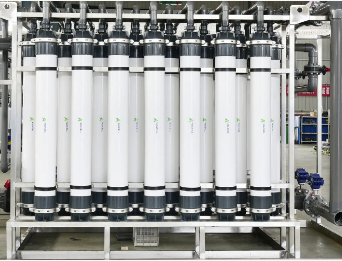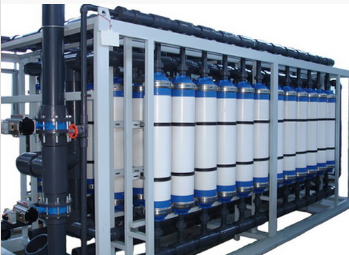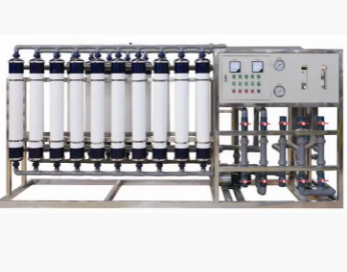

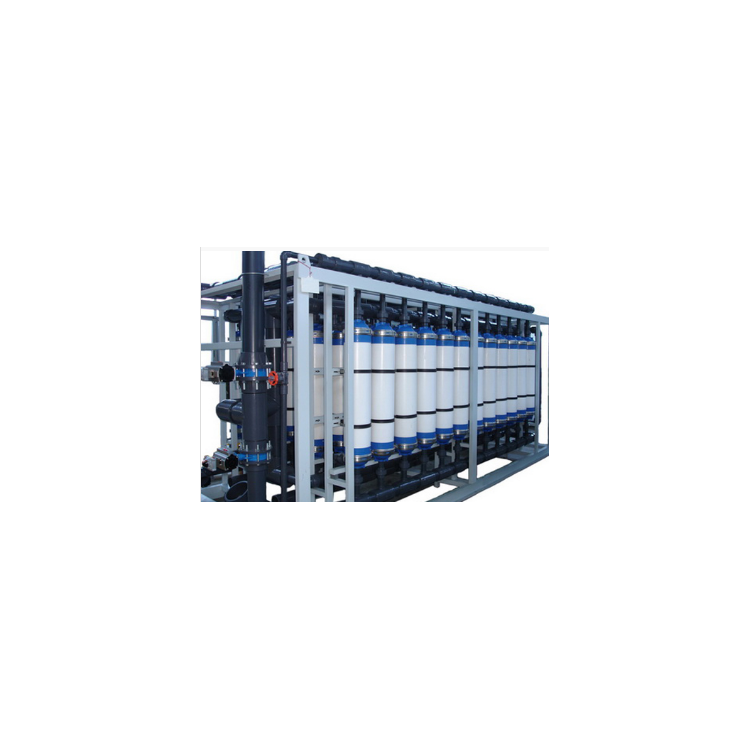
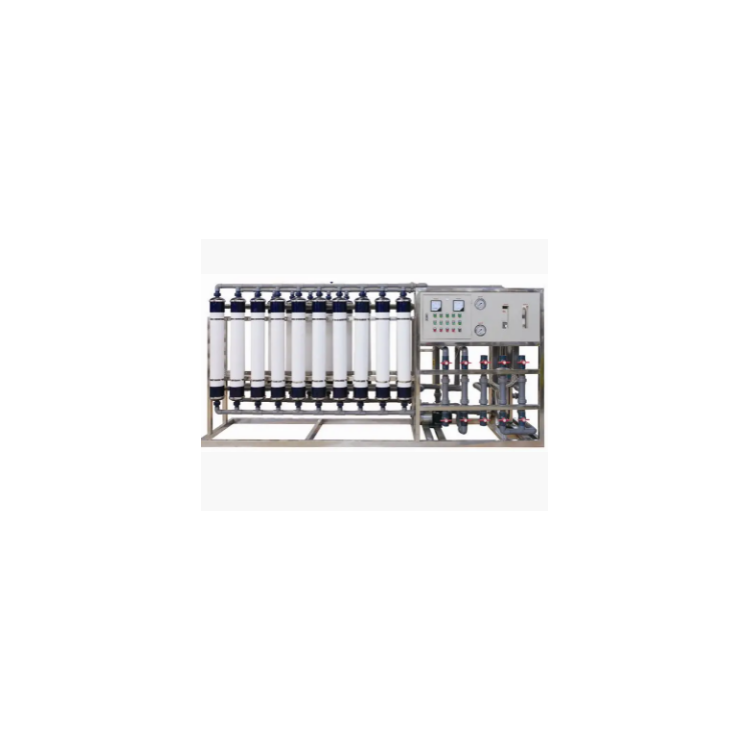


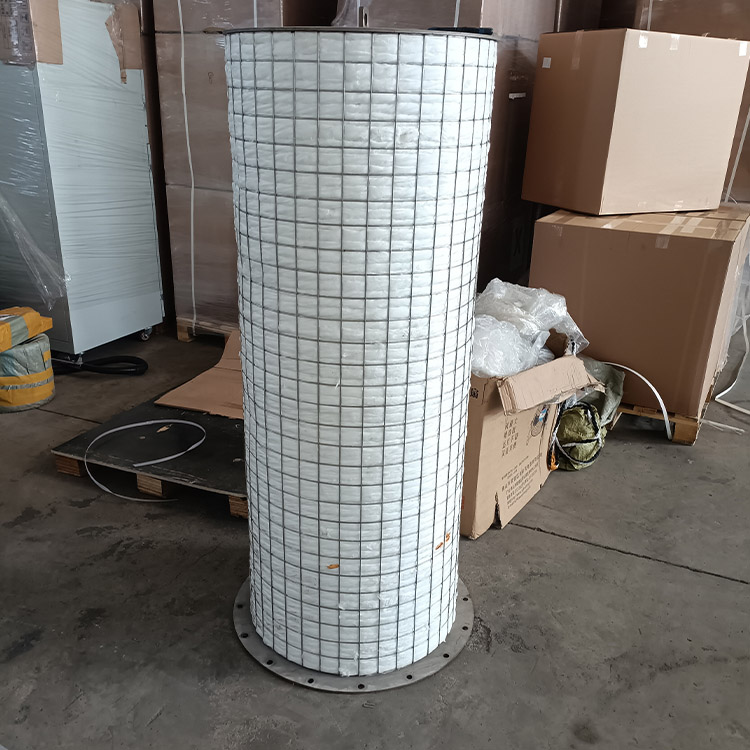
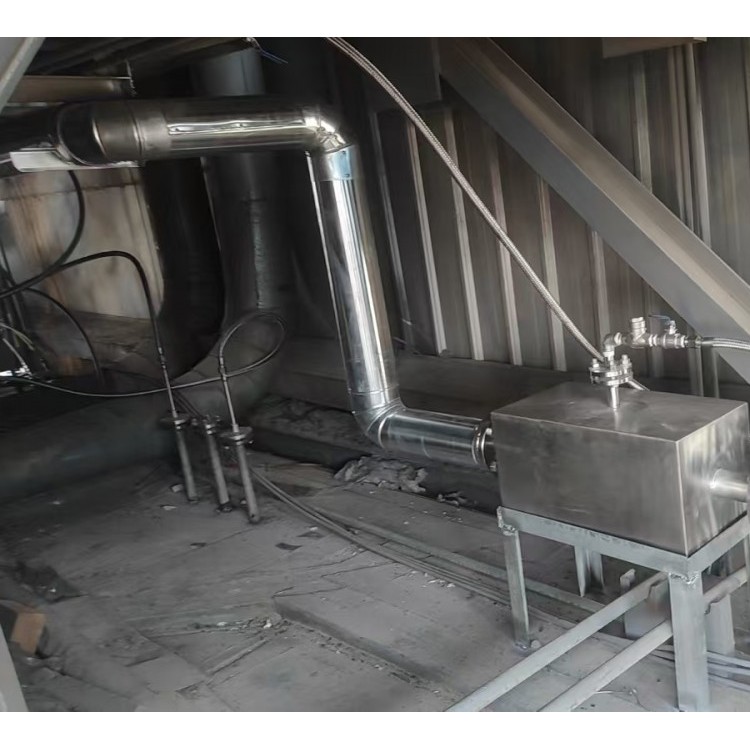





Working principle of ultrafiltration device
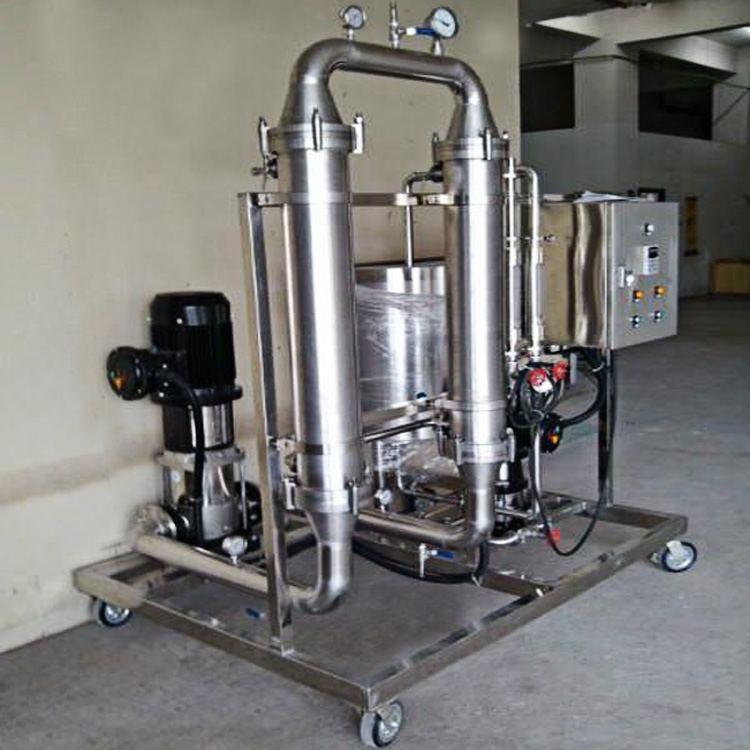
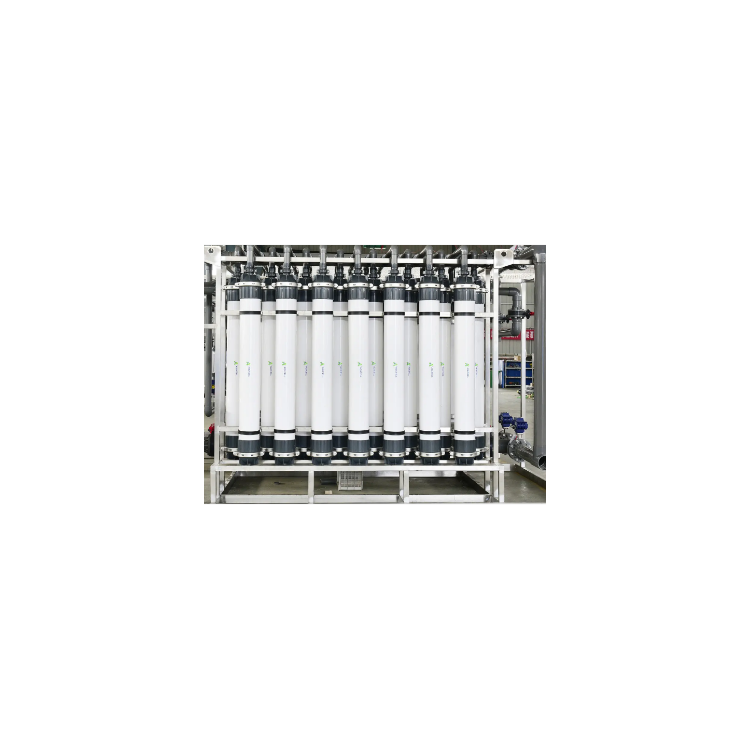
The basic principle is to use an asymmetric microporous structure and semi permeable membrane medium at room temperature with a certain pressure and flow rate, relying on the pressure difference on both sides of the membrane as a driving force to filter in a cross flow manner, allowing solvents and small molecules to pass through, while large molecules and particles such as proteins, water-soluble polymers, bacteria, etc. are retained by the filter membrane, thus achieving the purpose of separation, classification, purification, and concentration. This is a new membrane separation technology.
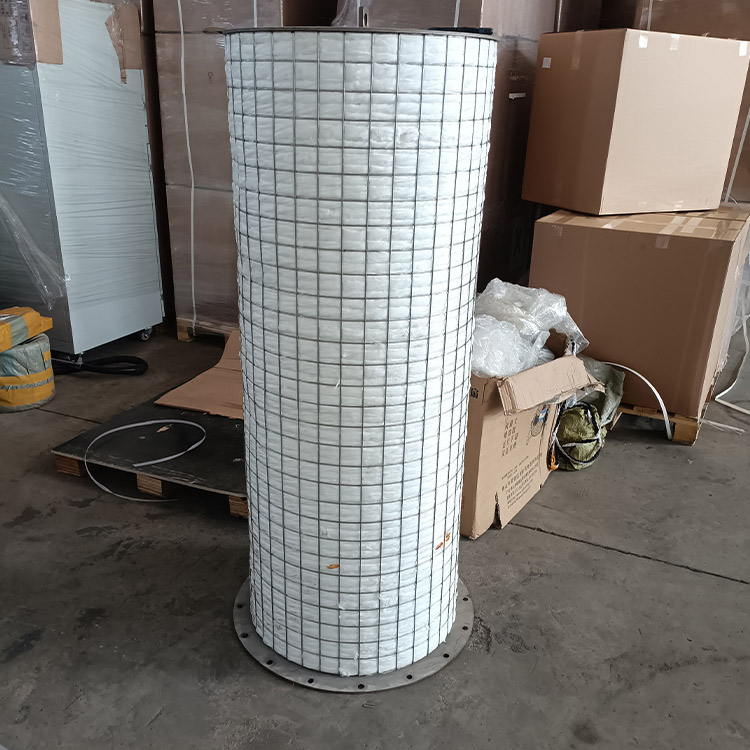
Ultrafiltration belongs to the pressure driven membrane separation process, and the separation range of ultrafiltration membranes is for large molecular substances and colloidal properties with a relative molecular weight of 5-1 million, corresponding to particle diameters of 0.005-0.1 μ m; The separation mechanism is generally believed to be mechanical screening of ultrafiltration membrane components, including plate and roll ultrafiltration membranes for water purification.
Concentration polarization is a natural phenomenon in membrane separation processes, and how to reduce this phenomenon to a low level is one of the important issues in ultrafiltration technology. The measures taken include: ① increasing the membrane surface water flow velocity to reduce the thickness of the boundary layer and enable the intercepted solutes to be carried away by the water in a timely manner; ② Take physical or chemical washing measures.
Typical process flow: Raw liquid - Storage tank - Pressure pump - Precision filter - Hollow ultrafiltration equipment - Storage tank - Backwash water tank - Backwash pump.