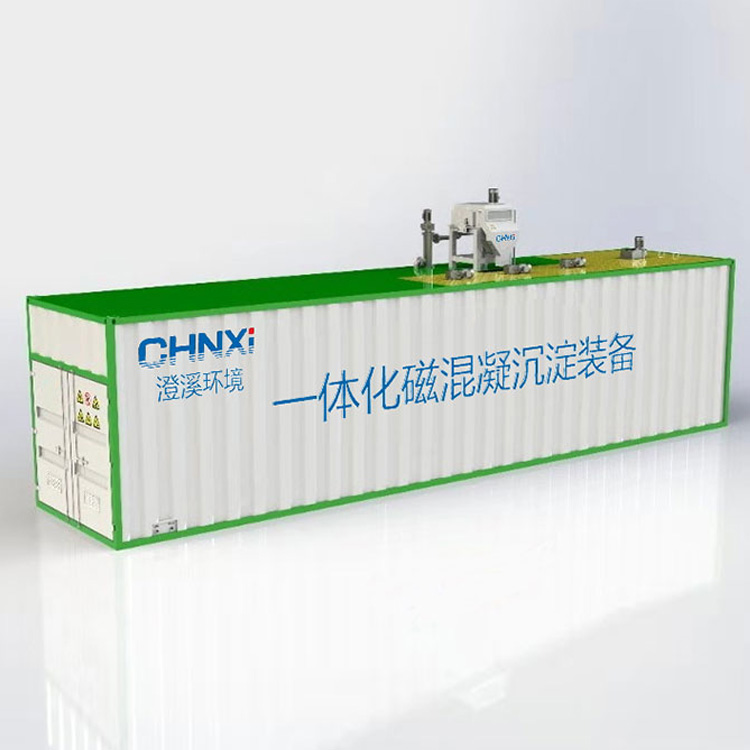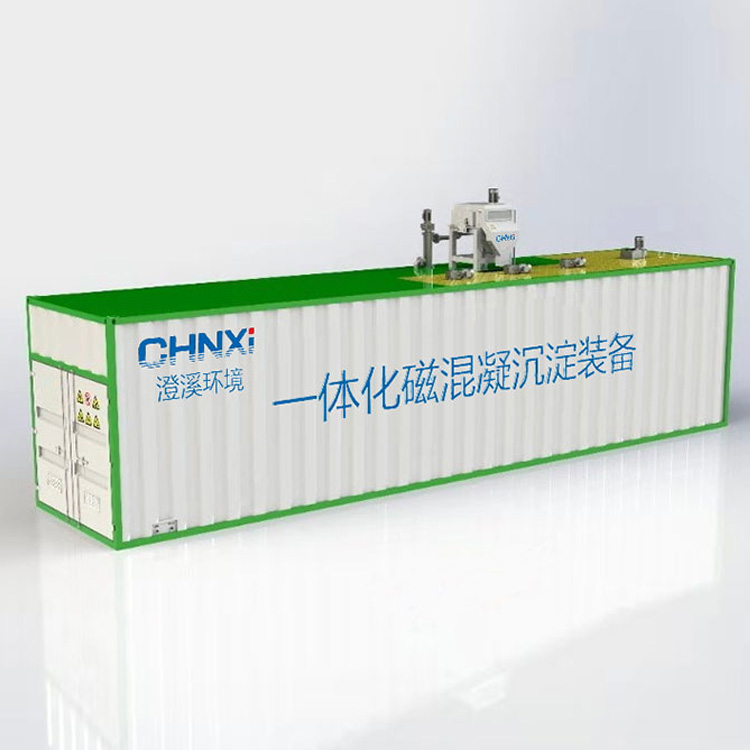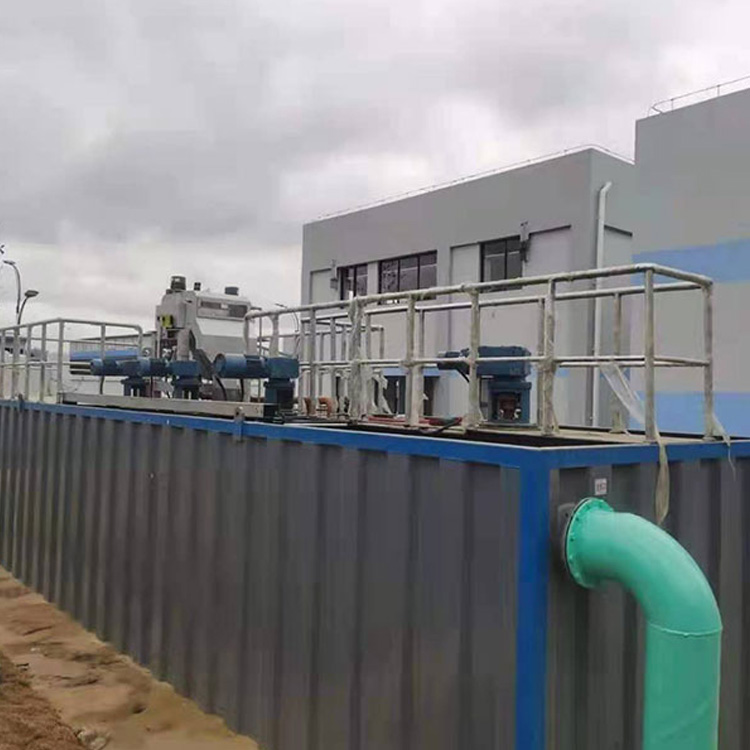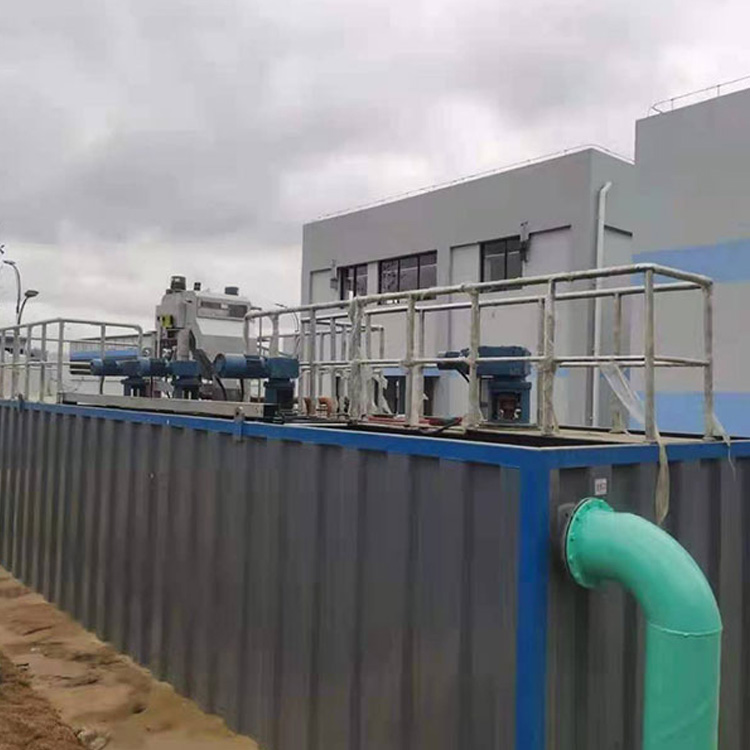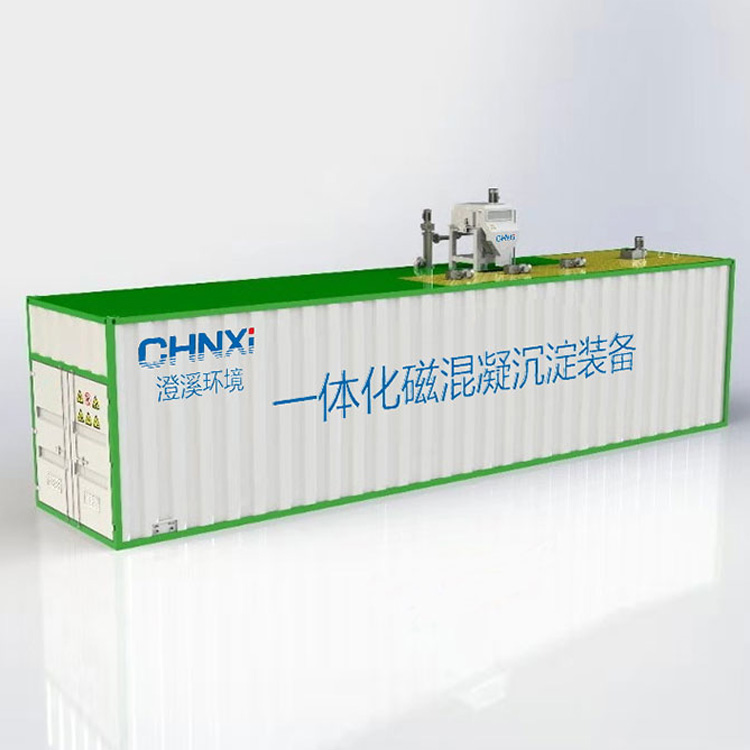

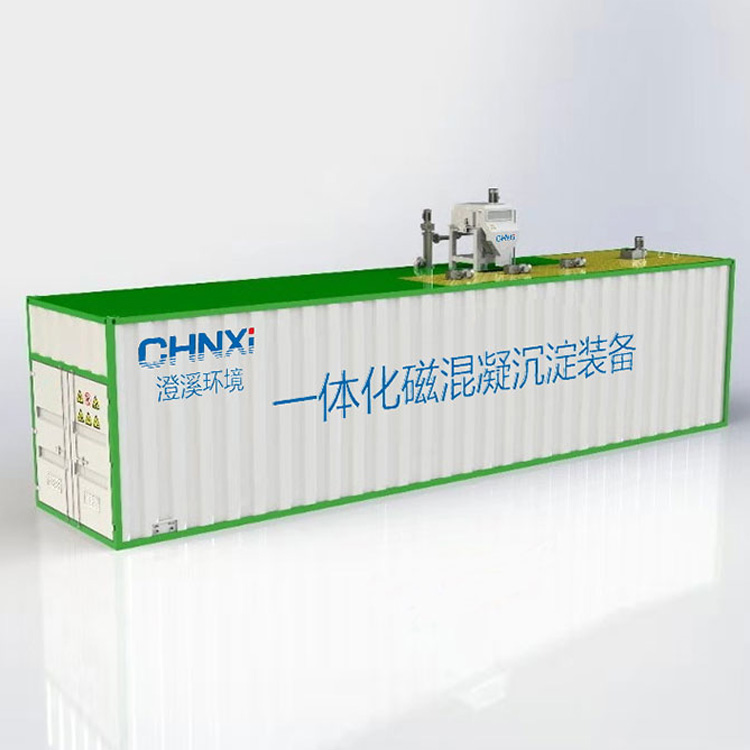
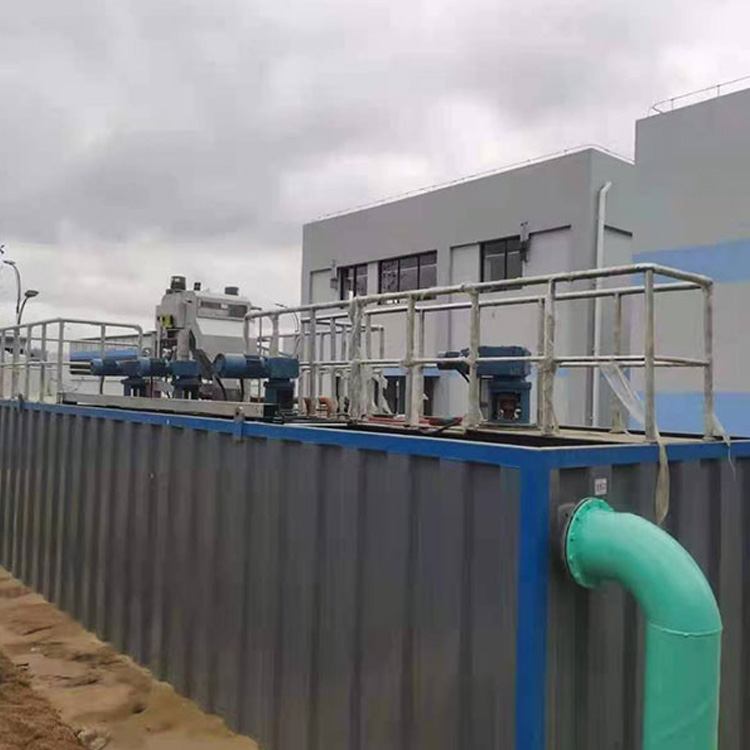
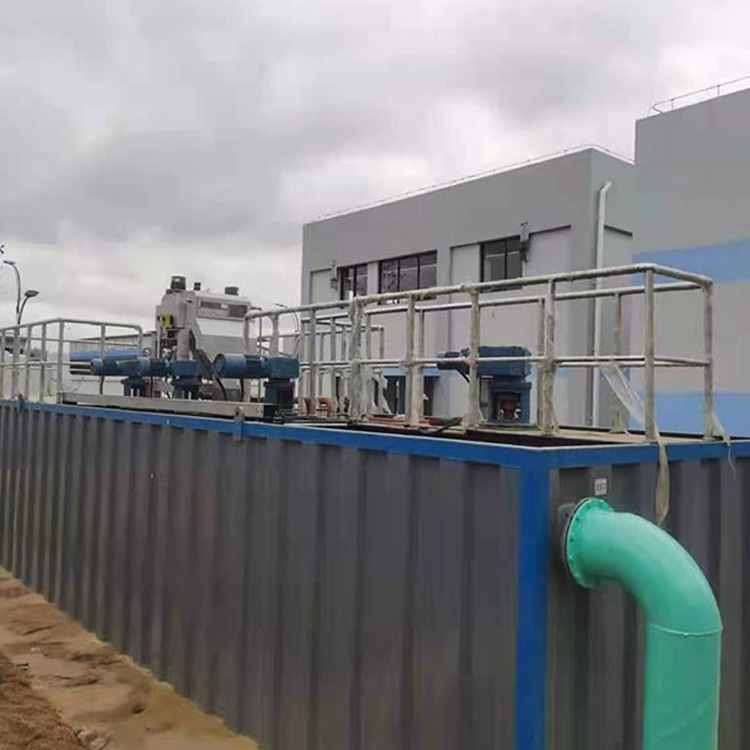












In order to achieve stricter effluent quality standards, many water treatment plants have begun to carry out label renovation work. In the renovation project, two issues are particularly prominent:
(1) The main contradiction between reserving construction land and process requirements is that traditional coagulation and sedimentation processes have a longer residence time, generally requiring 1-2.5 hours and occupying a large area. Taking the coagulation+horizontal sedimentation tank process as an example, it occupies an area of about 300-330m2/10000 m3, while the coagulation+inclined tube sedimentation tank occupies a slightly smaller area, requiring 200-245m2/10000 m3. However, the supporting facilities around old water plants are often very mature, and there is a shortage of reserved construction land.
(2) The traditional coagulation and sedimentation process has poor shock load resistance, and the effluent quality/quantity of the front-end biochemical secondary sedimentation tank fluctuates, making it difficult to ensure the effluent SS and TP. Therefore, there is an urgent need for a compact and more stable coagulation and sedimentation process. The magnetic coagulation process emerged based on the above issues.