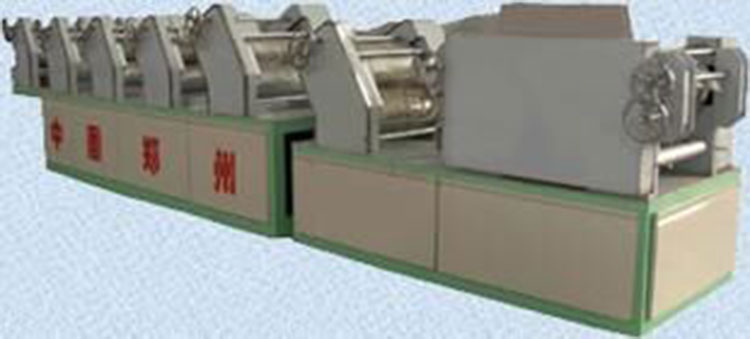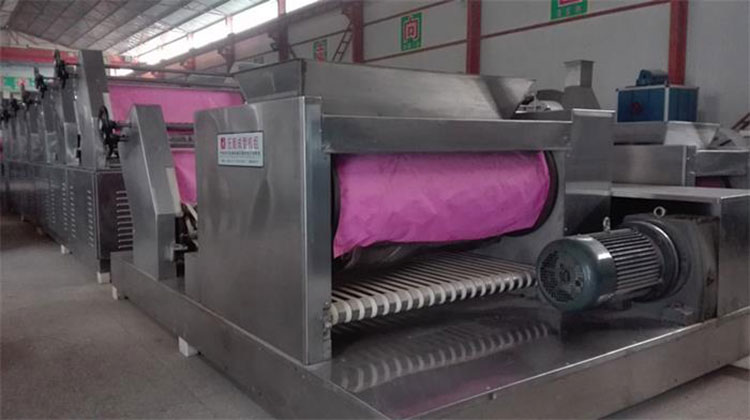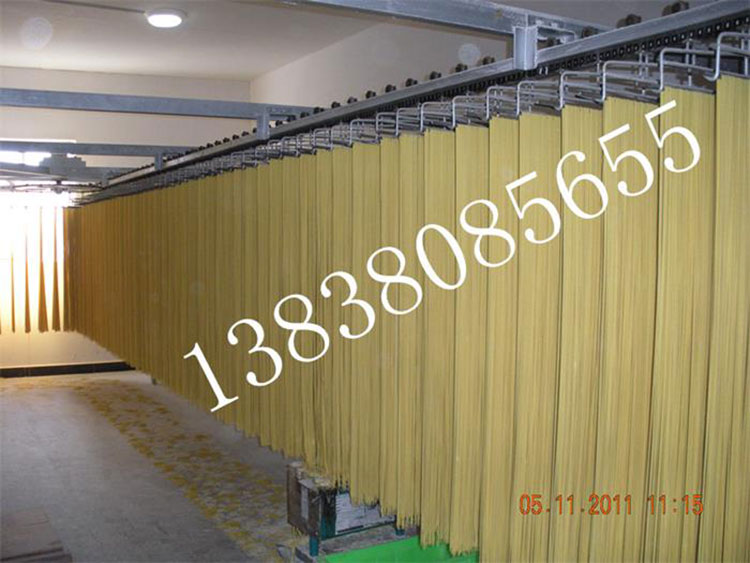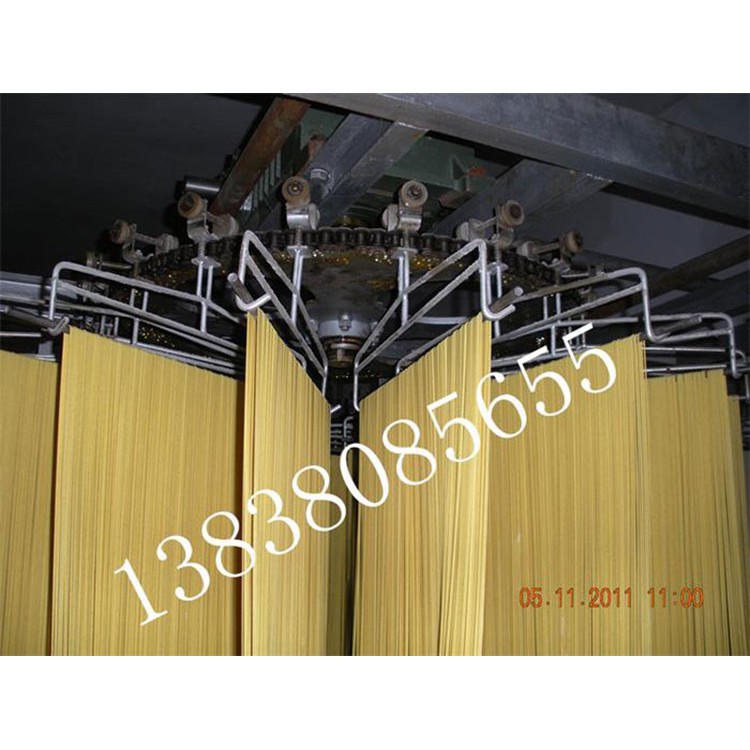



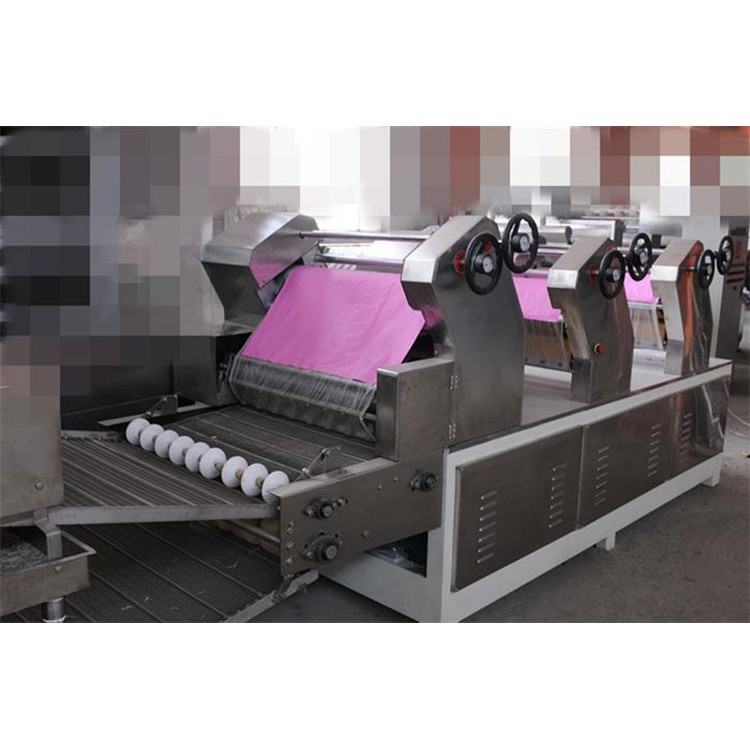





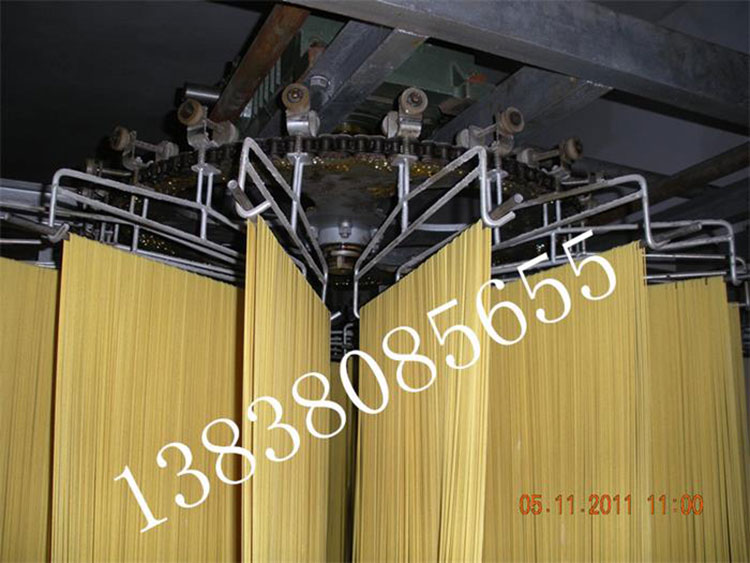

Introduction to Low Temperature Noodles Drying Production Line
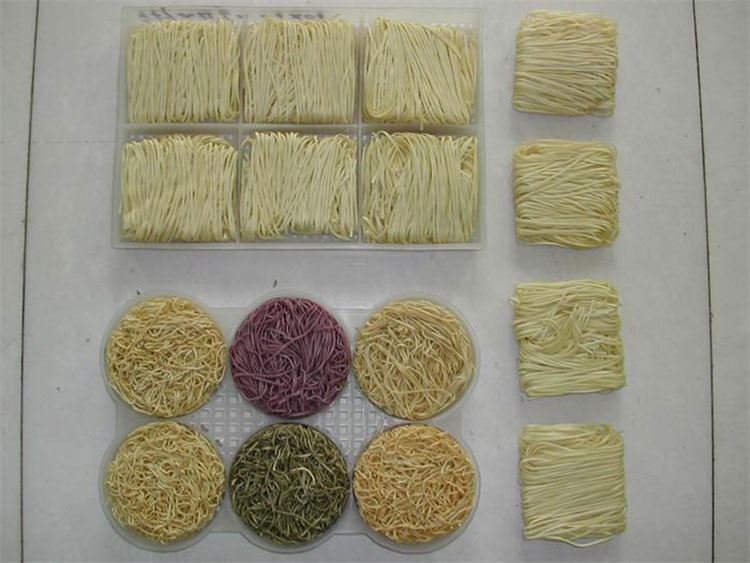
The process of producing noodles can be divided into two categories: low-temperature drying noodles and medium temperature drying noodles. However, in practical applications, low-temperature drying noodles are still commonly used in noodle production lines because compared to medium temperature drying noodles, low-temperature drying noodles have more natural drying, more stable production, and very reliable quality. The important feature is that the entire process of the low-temperature noodle machine has a high degree of automation, strong operability, good production continuity, and produces high-quality products with high yield and low energy consumption. So there is no reason why the noodle production line should not choose a low-temperature noodle machine as a guarantee for producing noodles. (Small machines are more commonly used at medium temperatures)
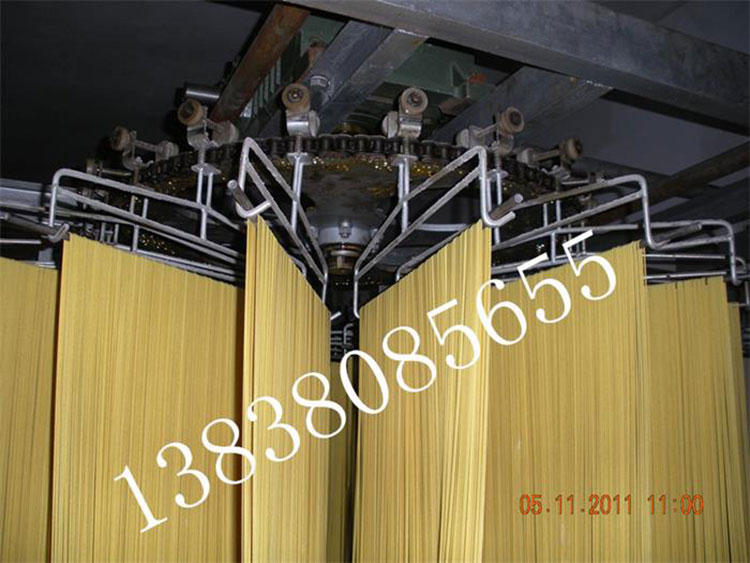
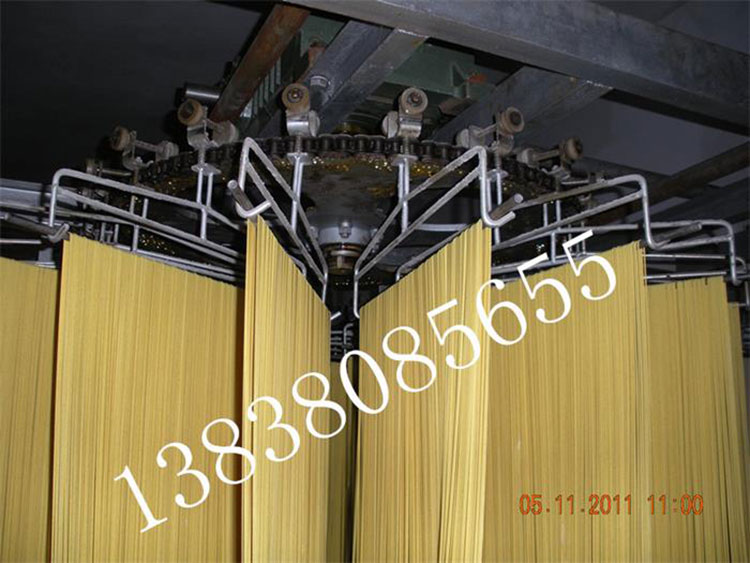
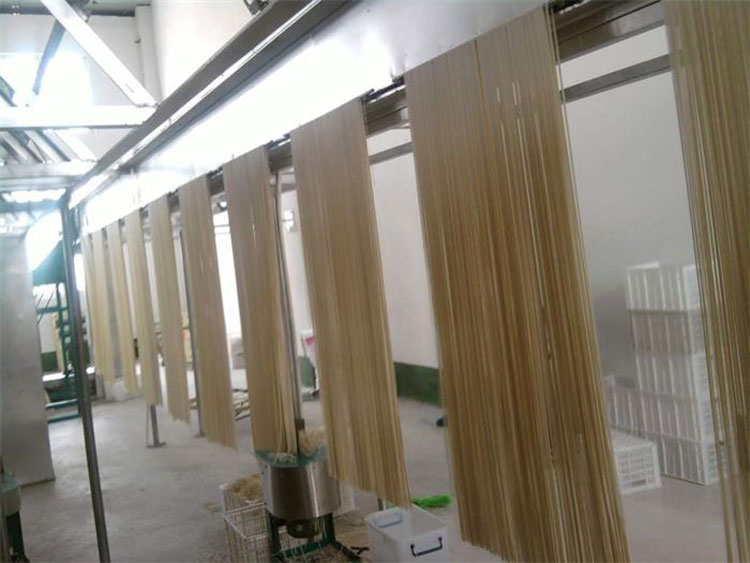
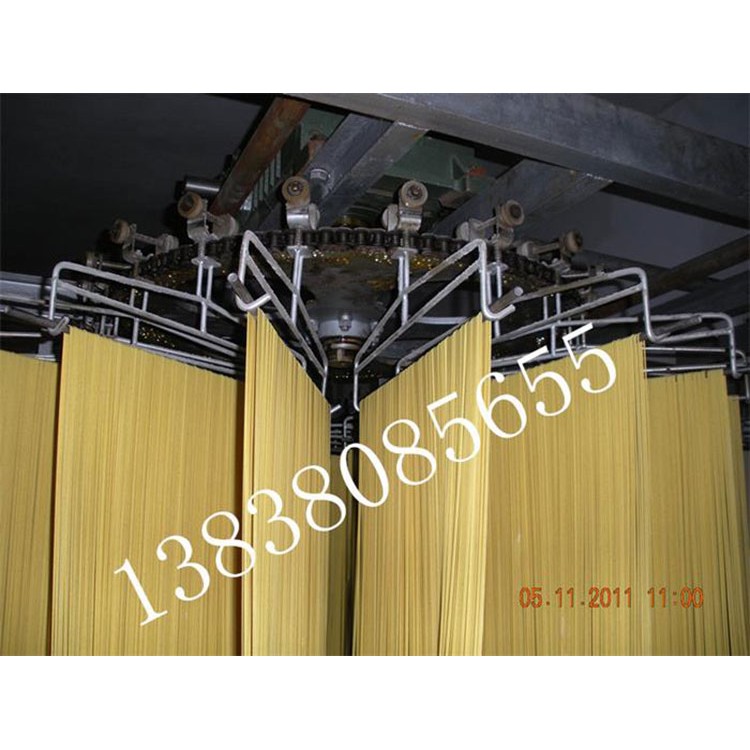
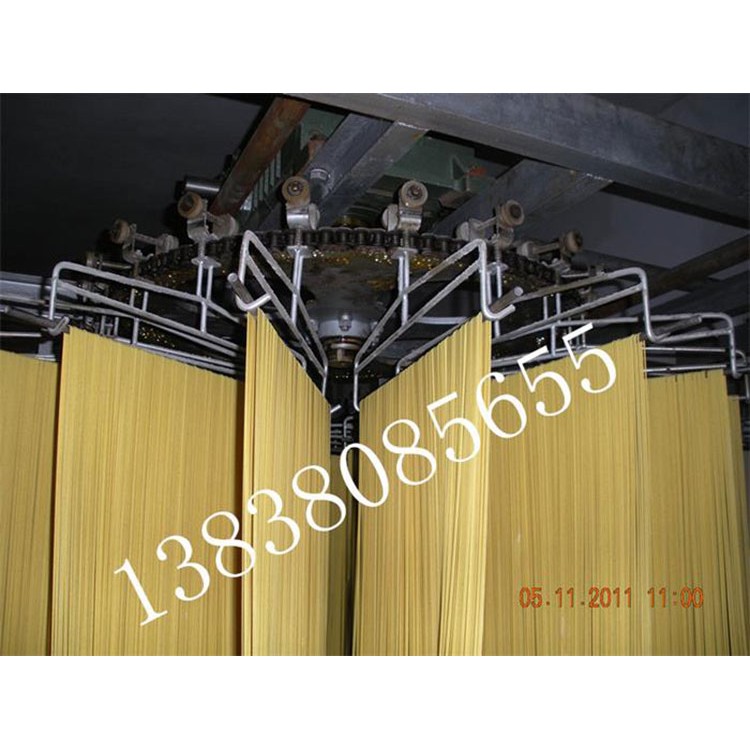
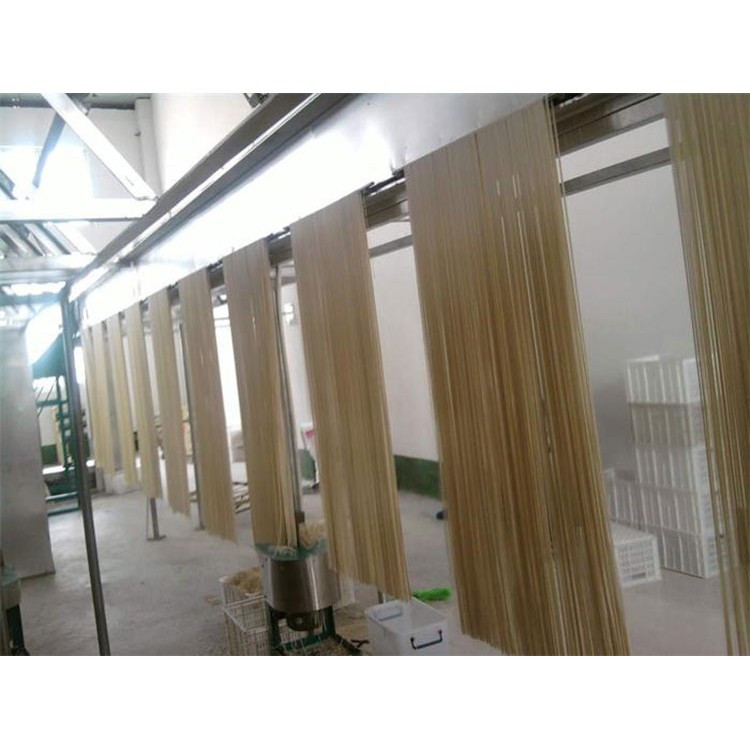
1、 Generally, the length of the drying channel in low-temperature production lines is between 400-500 meters. That is to say, a hanging noodle needs to go through a distance of 500 meters from entering the drying room to being removed from the shelf before it can be dried. And the longest distance in the middle temperature range is only 70 meters. The drying room is 70 meters long and the hanging surface needs to be dried and removed from the rack for cutting after walking 70 meters. Because both the four row and five row surfaces operate in multiple rows, the effective distance traveled by the hanging surface is determined by the length of the house. To dry the noodles over such a short distance, the temperature naturally needs to be increased.
2、 The low temperature is divided into four temperature zones, with an effective drying length of about 400-500m and a drying time of 4-5.5 hours. Both temperature and humidity can be automatically controlled, which not only reduces the difficulty of operation and minimizes the impact of human factors on product quality, but also improves product quality and yield, and reduces energy consumption per unit of product. The low-temperature zoning is quite obvious, with three insulation walls in the middle, achieving different temperatures in each of the four zones. However, the medium temperature hanging surface is tunnel type, so it is impossible to achieve zoning. Even if there are temperature barriers above the drying room, they are not clearly separated.
1. Cold air strip area:
Usually, the method of increasing air flow without heating is used to promote the dehumidification of noodles by using a large amount of dry air, so as to preliminarily fix the shape of the noodles and remove surface moisture. Surface hardening, the transition from plastic to elastic. In rainy (or rainy) weather, it is necessary to turn on the fan and remove moisture in advance. In winter, the temperature should be slightly advanced. Due to the slow evaporation of the wet surface, it is difficult to set the noodles, avoiding excessive temperature, which will result in poor moisture properties of the noodles, excessive evaporation of moisture on the surface, and a decrease in humidity during the internal evaporation stage. Excessive moisture retention can cause the noodles to stretch, thin on the top and thick on the bottom, and adhere to each other.
2. Internal evaporation zone (moisture retention and sweating):
This area is mainly focused on the diffusion of water, and ventilation should be strengthened to ensure smooth air circulation. At this time, the temperature across the area should not rise too quickly. The temperature should form a "gradient" and maintain a certain humidity. On the one hand, it transfers heat energy to the center of the noodles, reducing the temperature difference between the surface and the interior. On the other hand, it accelerates the diffusion of internal water, so that the vaporization speed of surface water is consistent with the transfer speed of internal water, and the water slowly evaporates. If the temperature and humidity difference is too large at this time, it will cause the surface to dry quickly, and phenomena such as "conjunctions", "door closures", and "cracks" on the surface, resulting in an imbalance of internal and external water content. Eventually, the noodles will dry outside and become wet inside, leading to quality problems such as sour and crispy noodles.
3. Total evaporation zone (heating and dehumidification):
After the "moisture retention and sweating" stage of noodles, the internal moisture is transferred smoothly to the surface, allowing the moisture to accumulate on the surface. The noodles have a certain strength and must be further heated to appropriately reduce the relative humidity, so that the moisture in the noodles can be fully and timely evaporated in a high temperature and low humidity state. If not heated, the surface moisture will migrate back to the inner layer to achieve a balance of internal and external moisture concentration. If the hanging surface is thick (>0.8mm) and round, this area serves as an extension of the moisture retention and sweating zone, continuing to retain moisture and allowing all internal water to transfer to the surface without any sandwich. Then, the moisture is discharged at the end of the high-temperature zone to achieve internal and external diffusion balance, completing the entire process of the main drying stage.
4. Cooling and heat dissipation:
After the main drying stage, most of the moisture in the noodles has been removed, and the structure of the noodles has been basically fixed. At this point, only the flow of air is needed to slowly reduce the temperature of the noodles themselves and continue to remove a small amount of moisture to meet the moisture requirements of the product quality standards. The purpose of this stage is twofold: firstly, to adopt a softening process, adjust the surface and internal moisture content imbalance, eliminate the internal stress caused by drying shrinkage of the noodles, and increase the toughness and elasticity of the noodles; The second reason is that after high-temperature drying, the temperature of the noodles themselves is still relatively high, and the medium temperature is low when entering the cooling stage. Therefore, the heat transfer inside the noodles cannot be stopped until the temperature inside and outside the noodles is relatively balanced with the air temperature before it stabilizes.
3、 Due to the short drying time and high temperature of medium temperature noodles, if the temperature and humidity are not adjusted properly during seasonal changes, the phenomenon of crispy strips may occur. The low-temperature noodle drying channel is long, the temperature is low, and it is close to natural drying, so the quality is relatively stable.
4、 Due to the short drying passage, the temperature in the drying room is high, reaching up to 50 degrees Celsius. The low-temperature drying channel is long, the temperature is low, and the high zone is only 36 degrees. To produce high-quality noodles, wind is the main factor, temperature is the secondary factor, and moisture retention is the key.
5、 The low-temperature characteristic is to imitate natural drying, with stable production and reliable product quality. The drawback is that it is larger than the investment in Zhongwen.