
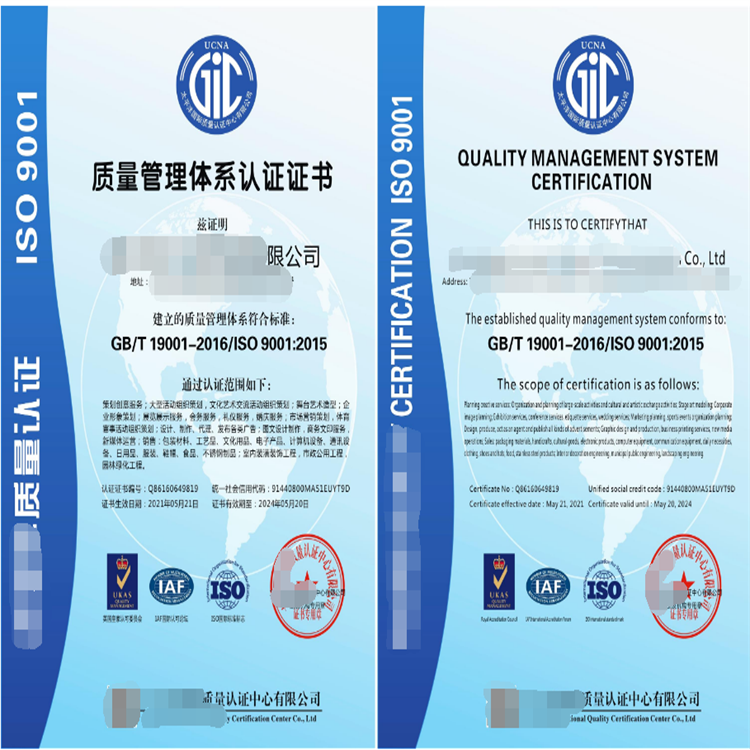











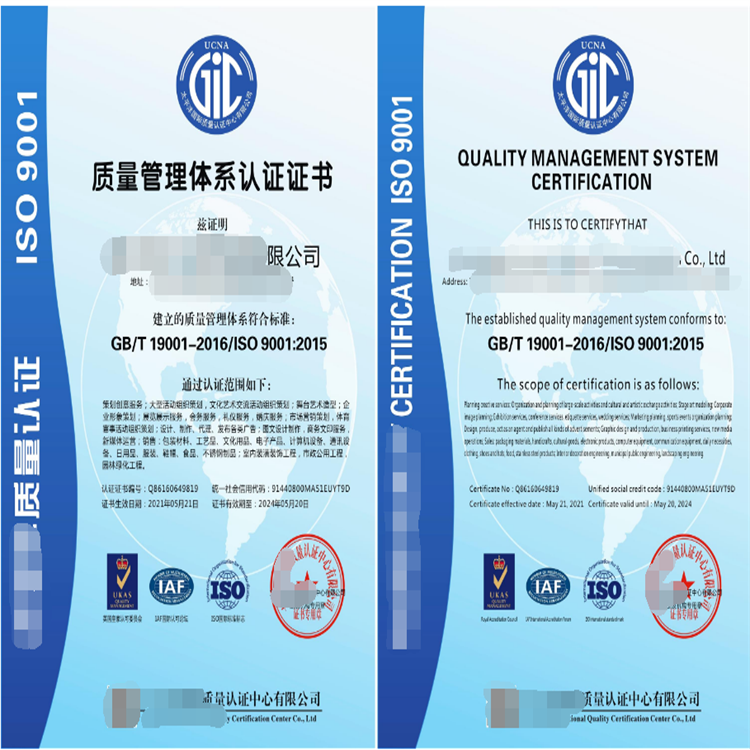
ISO Certification, ISO is a*standardization organization, composed of member bodies from over 100 regions worldwide. ISO is closely associated with the*International Electrotechnical Commission (IEC). Together, ISO and IEC are responsible for establishing globally agreed*standards. Both are non-governmental organizations, and the standards they develop are essentially voluntary, meaning they must be beneficial to industry and services, prompting self-compliance. ISO and IEC are not governmental bodies but maintain technical liaison with many such organizations. They have approximately 1000 technical committees and subcommittees, with member countries participating regionally. Additionally, there are around 3000 working groups, and ISO and IEC establish and revise about 1,000*standards annually.
ISO Certification, contents of process quality audit:
1. Does the operator possess the required qualifications or;
2. Are the products processed according to the drawings, process specifications, and work instructions?
3. Are the equipment and tools in compliance with the requirements and being used correctly?
4. Are raw materials, blanks, and collaborative parts up to standard?
5. Are the patterns, process documents, inspection documents, etc., complete, uniform, accurate, and valid?
6. Is quality inspection conducted correctly in accordance with regulations?
7. Is the manufacturing and assembly site environment conducive?
8. Are the quality control points in the process set reasonably, and are all the control documents complete, ensuring they truly serve their controlling purpose?