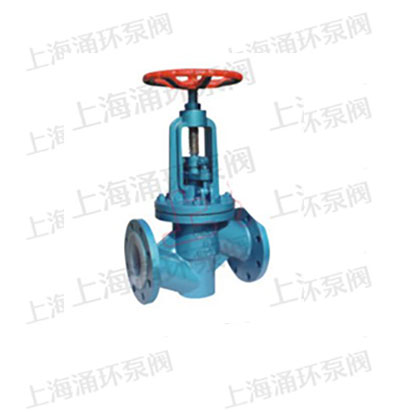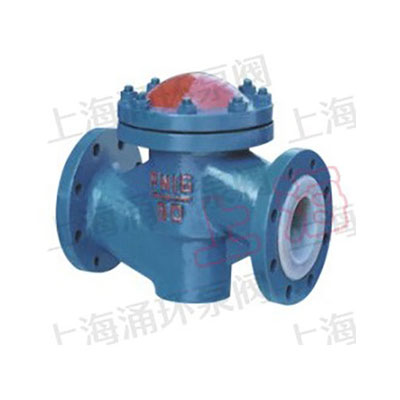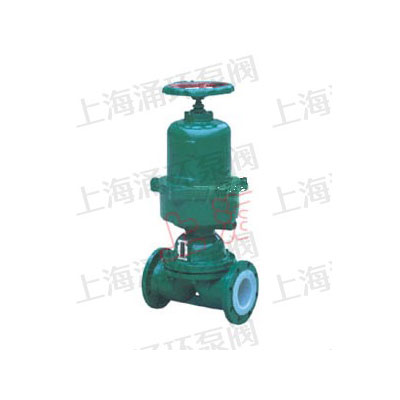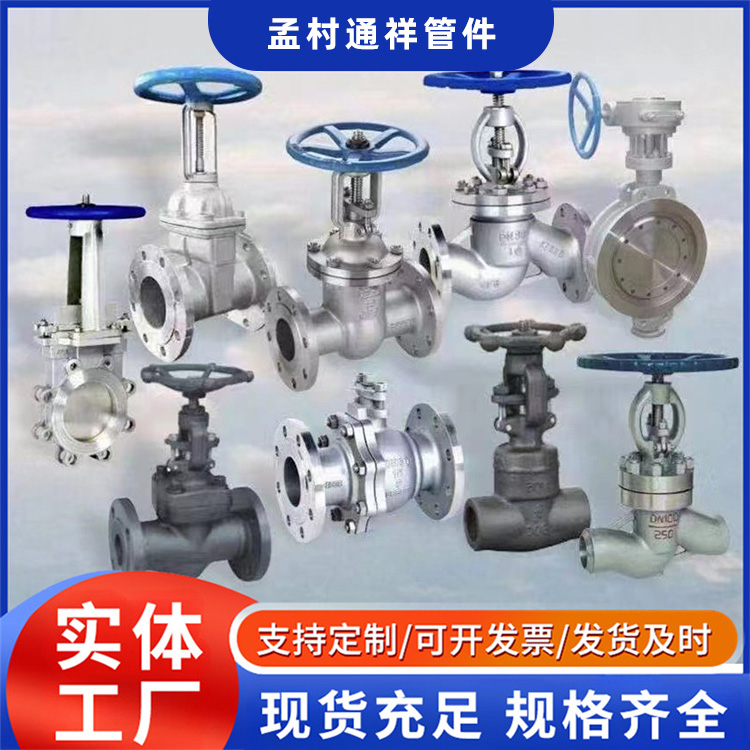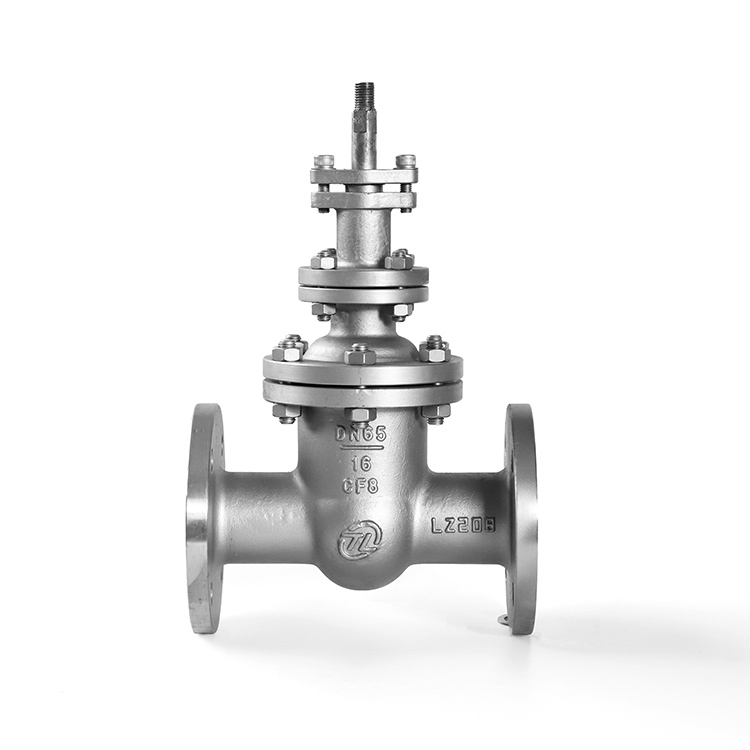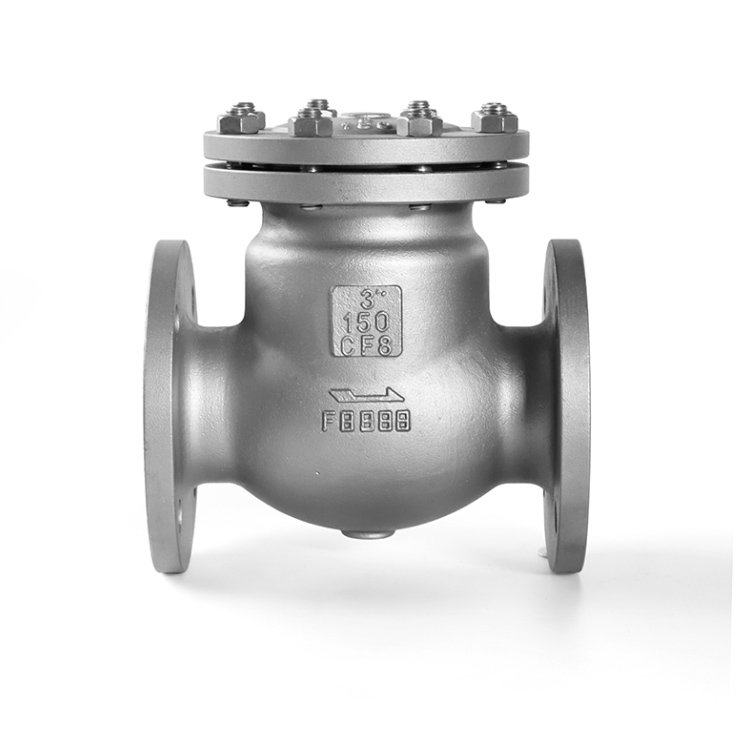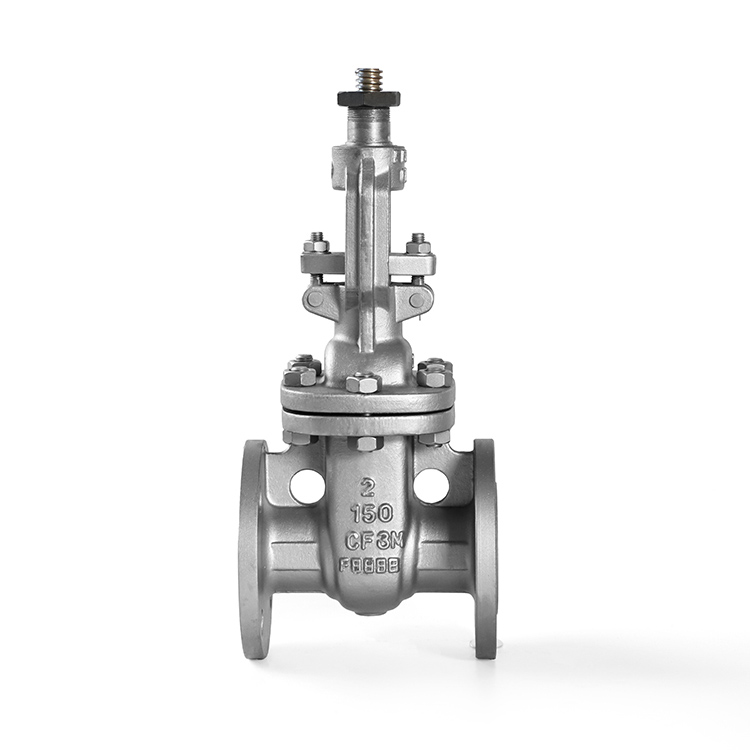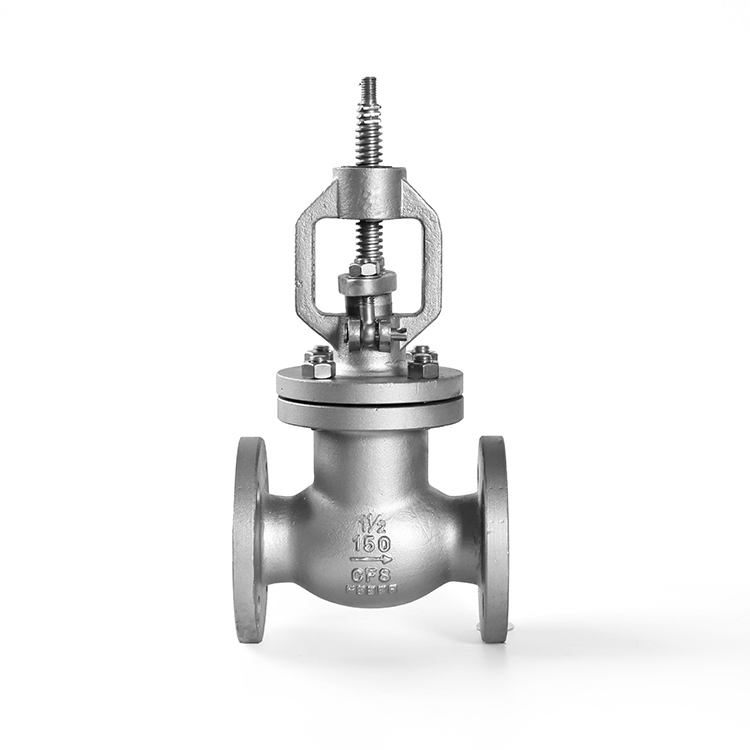


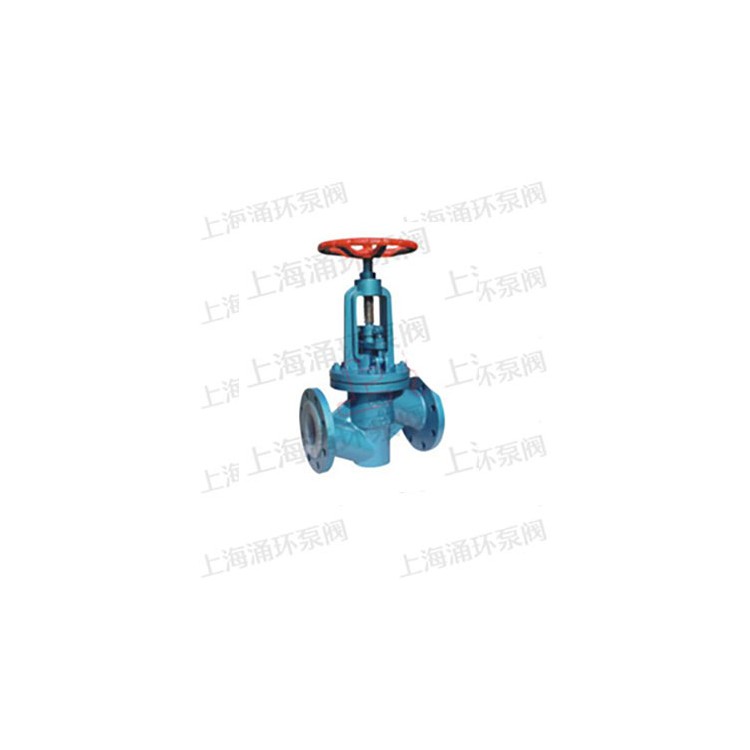
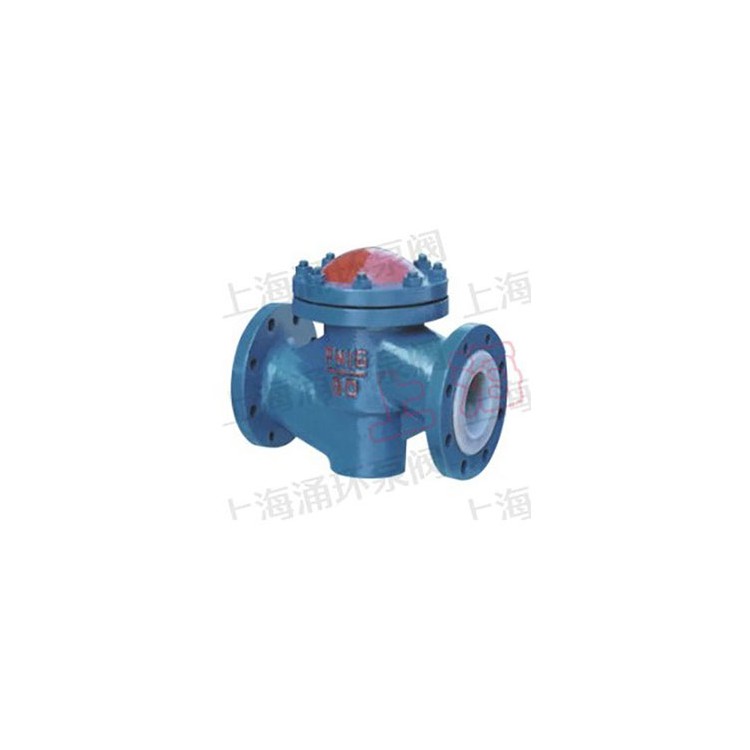
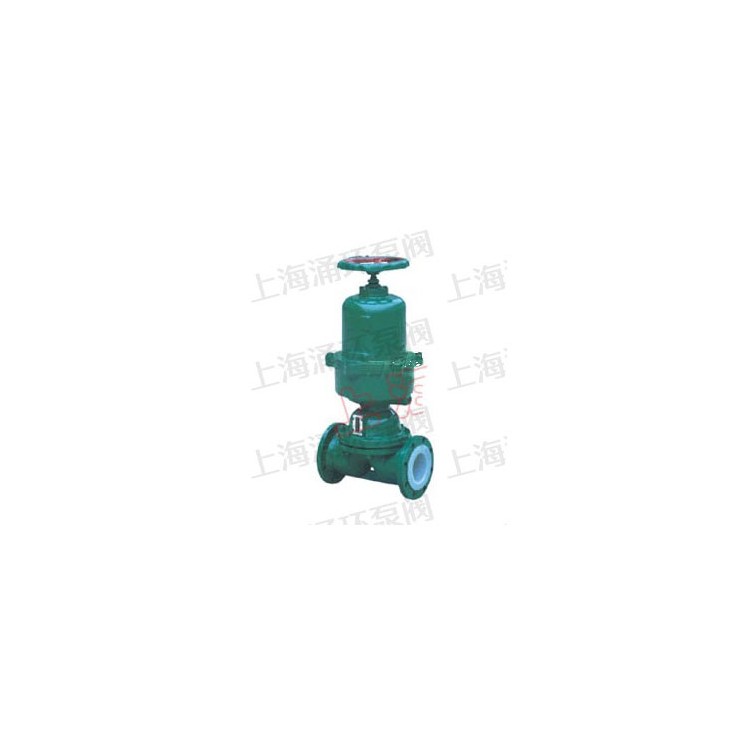


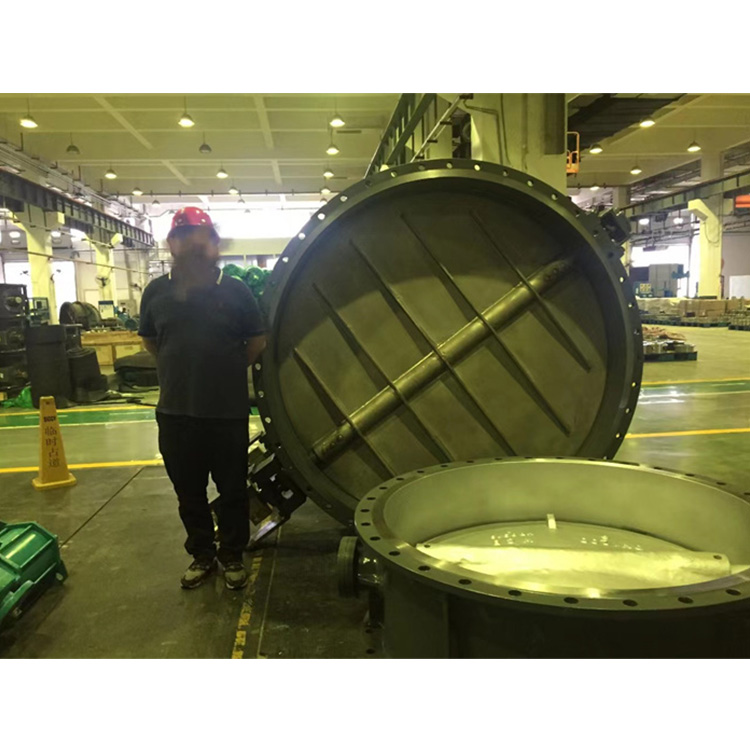
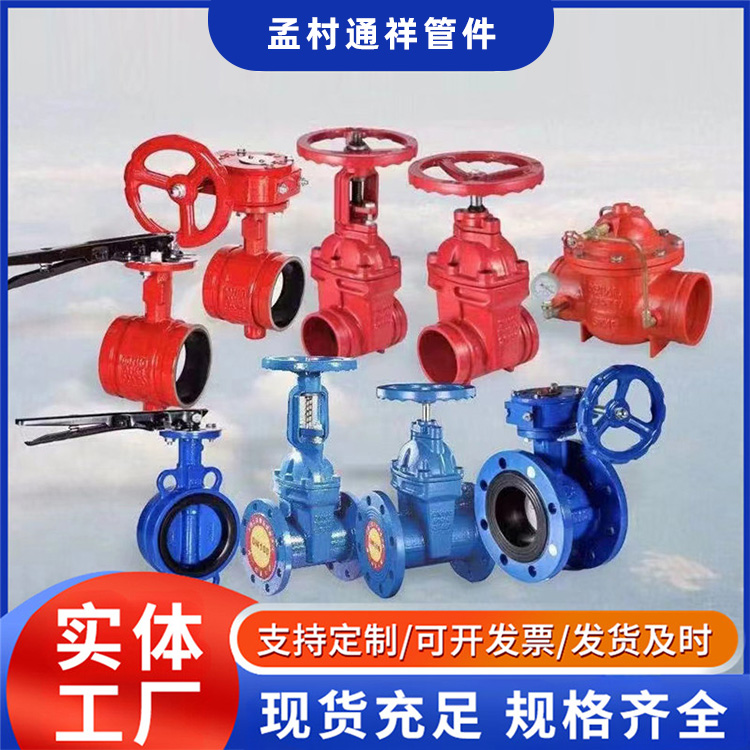
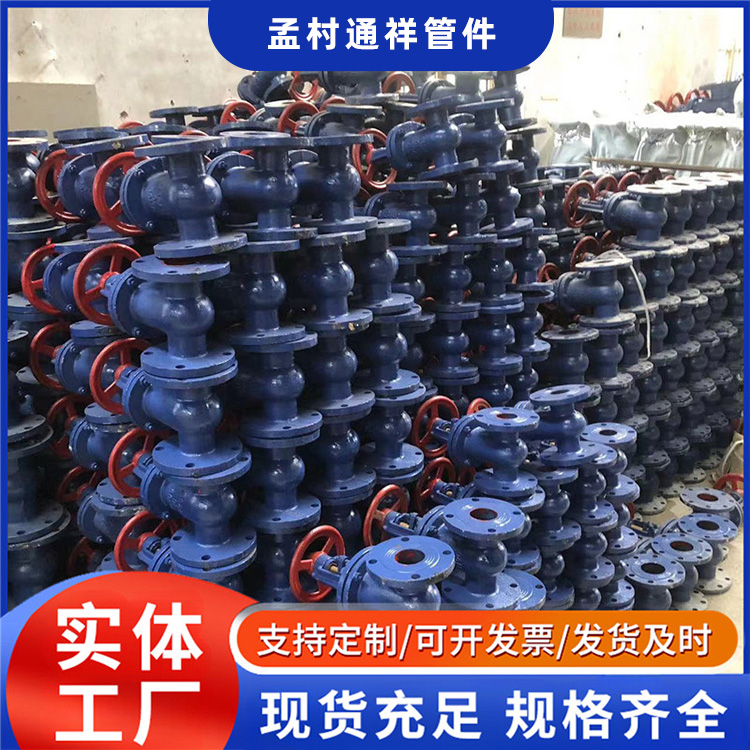





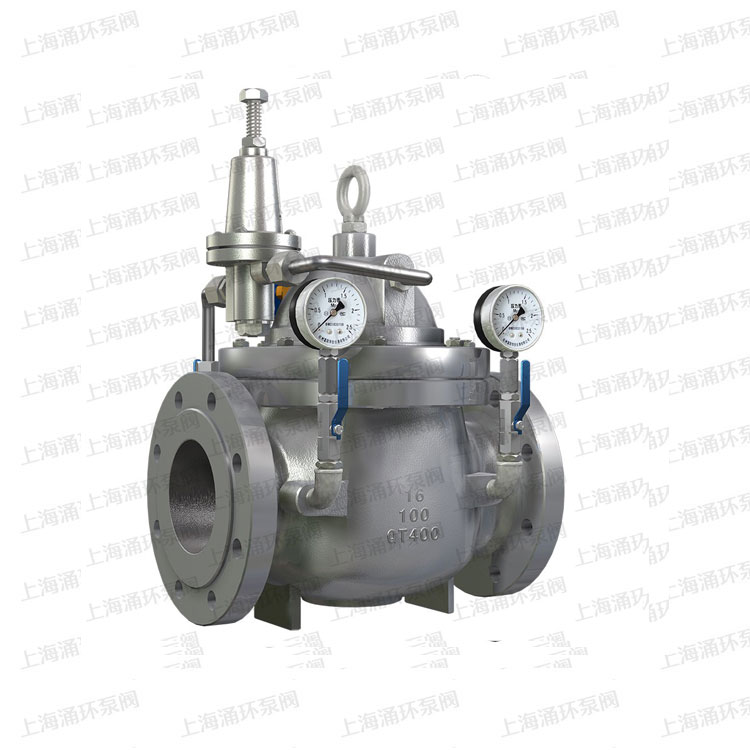

Fluorine-lined valves are used for controlling corrosive or highly corrosive media, featuring a choice of various fluoropolymers on the inner surface of the valve body. They are suitable for different working temperatures and fluid pipelines, with high strength and excellent corrosion resistance. Fluorine-lined valves have been widely applied in equipment that comes into contact with strong corrosive media such as acids and alkalis in industries like petroleum, chemicals, metallurgy, and power.
Selection Considerations for Fluorine-lined Valves
1. The medium used for fluorine-lined valves should not contain hard particles, crystals, or impurities to prevent wearing away the fluorine-lined layer of the valve core, seat, or PTFE bellows during the opening and closing operation. For mediums containing hard particles, crystals, or impurities, consider using Hastelloy for the valve core and seat.
2. Note the medium temperature requirements for fluorine-lined valves.
3. Pressure and pressure difference should be controlled within the permissible range, especially for flanged regulating valves and stop valves with PTFE-lined bellows. Since the bellows are made of PTFE material, high pressure and pressure difference can easily lead to bellows rupture. For PTFE-lined regulating valves with high pressure and pressure difference conditions, they can be changed to use PTFE filling for sealing.
4. Fluorine-lined valves should be selected with the correct size of the valve bore based on the required flow rate (Cv value). When selecting, calculate the appropriate valve bore and opening degree based on the required flow rate (Cv value) and other technical parameters. If the valve bore is too large, it will inevitably cause the valve to operate at a smaller opening for a long time, combined with the medium pressure, which can easily lead to impact on the valve core and rod, causing vibration in the valve. Prolonged impact on the valve core rod can even result in the rod breaking. Users should strive to understand and master the technical conditions when selecting various fluorine-lined valves to ensure proper selection and usage, thereby extending the valve's lifespan.
5. Avoid negative pressure. The衬氟阀门should be used in pipes without negative pressure, as negative pressure can easily cause the fluorinated lining inside the valve to be sucked out (puffed out) or peeled off, leading to malfunctions in the valve's opening and closing.